Matox News

Truth Over Trends, always!

Rising Anger in Hong Kong over Fires Amid Beijing’s Crackdown on ‘Disruptors’

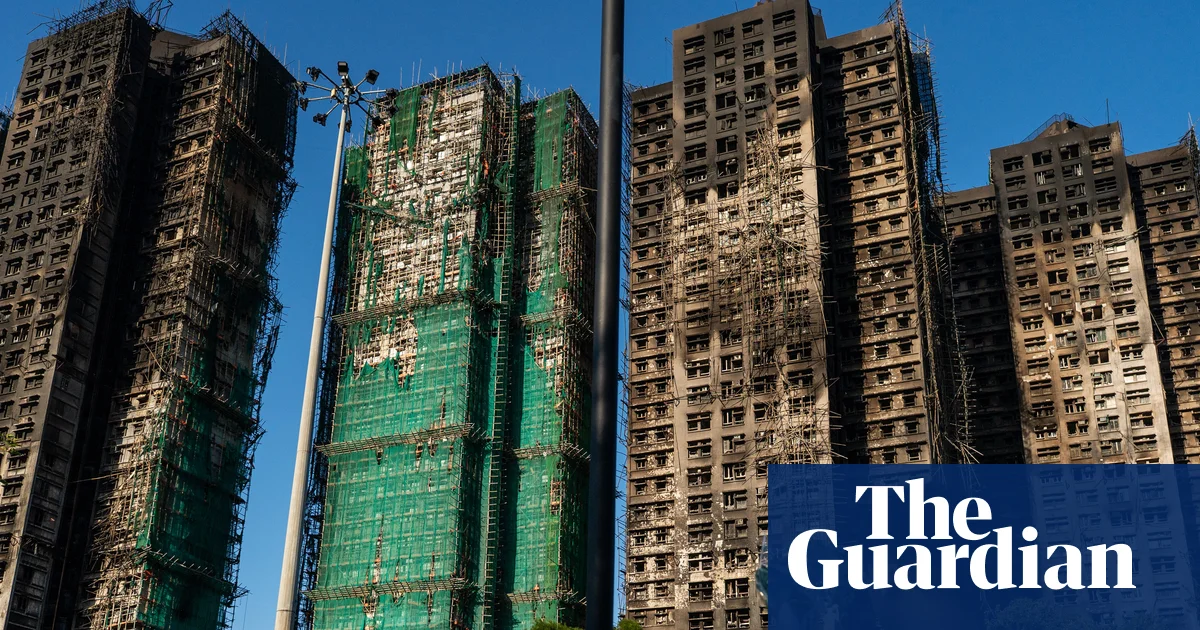
The recent devastating fire at Hong Kong’s Wang Fuk Court complex has not only claimed over 128 lives but has also ignited a profound surge of turbulence within the city’s fragile socio-political fabric. This tragedy—currently under investigation for potential corruption and gross negligence—has become a catalyst for widespread unrest. Amid the grief, Beijing’s warning against exploiting the disaster to destabilize Hong Kong underscores increasing fears over cross-border influence and foreign interference. As the city grapples with the aftermath, international analysts alert that this crisis represents a significant geopolitical impact, revealing the deepening struggle over control and influence in a region seen as a barometer for China’s broader ambitions.

In response, local residents and activists fueled their outrage with a wave of petitions demanding transparency, accountability, and justice. One petition, rapidly garnering more than 10,000 signatures, was swiftly shut down by authorities, while a second petition from an overseas resident echoes the same call for truth. These acts of civil disobedience highlight the simmering tensions as Hong Kong’s society voices its frustration with perceived governmental malfeasance and the failure to enforce safety regulations during renovations. Historically, China’s national security apparatus has warned against any attempts to use such disasters as a pretext for disruption, framing civil protests as anti-Chinese efforts aimed at undermining stability. The arrest of university student Miles Kwan, suspected of inciting sedition, exemplifies the precarious balance Beijing seeks to maintain—crushing dissent while managing international scrutiny.

International bodies and regional allies watch closely as the incident exposes the underlying vulnerabilities of Hong Kong’s infrastructure and governance. The city’s fire safety protocols failed during a critical moment, with rescue operations revealing that essential alarms had not been functioning correctly—raising suspicions that negligence or corruption may have played a role. As some analysts argue, the tragedy underscores broader issues involving construction oversight and urban safety standards, which could have grave ripple effects on regional stability. The city’s authorities have already detained several individuals linked to the renovations, underlining concerns that unsafe materials and corruption might have facilitated the disaster, thereby reflecting deeply embedded issues of governance and accountability.

The geopolitical impact of this catastrophe extends beyond Hong Kong’s borders. It symbolizes a battleground where domestic dissatisfaction and international strategic interests collide. As Beijing consolidates power within the city, the global community remains divided—some calling for more transparency and human rights, others warning against interference that could destabilize the region further. This incident stands as a stark reminder that the decisions made in the city’s corridors of power will reverberate across continents, shaping the future of governance, resilience, and sovereignty in a tense, unpredictable era. In the shadows of this tragedy, history quietly awaits its next chapter, where the weight of unresolved questions could sway the balance of power yet again.
Key Facts on Hong Kong Apartment Fires You Should Know

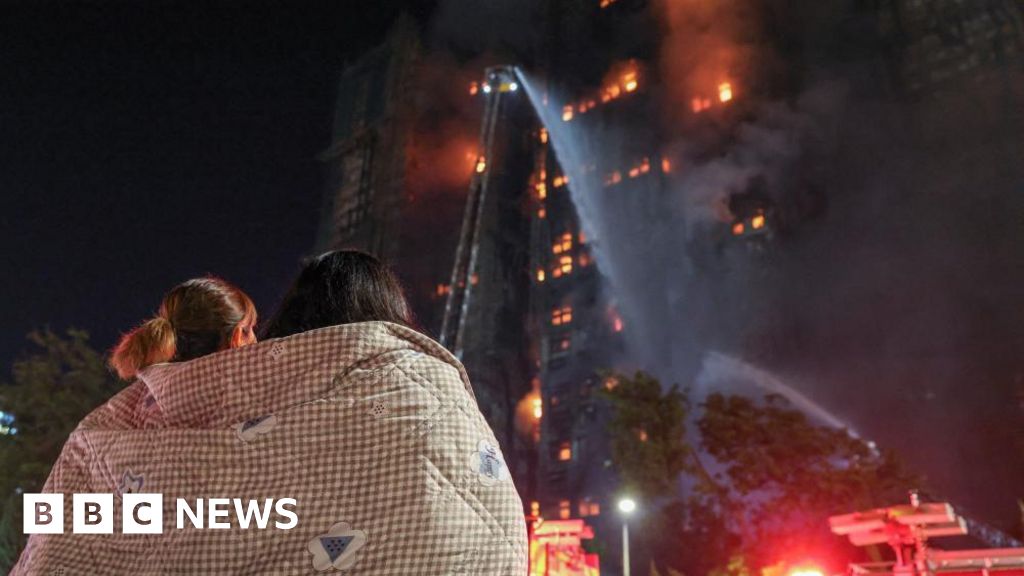
The recent fire at Wang Fuk Court in Hong Kong has sent shockwaves throughout the international community, revealing the deep-seated vulnerabilities of one of Asia’s most iconic urban landscapes. As the city faces the devastating aftermath—at least 36 lives lost and over 270 reported missing—analysts worldwide are assessing the geopolitical impact of this tragedy. Hong Kong, long a symbol of economic prowess and cultural resilience, now grapples with a crisis that underscores the precarious balance between rapid urban development and safety regulation. The world watches closely, knowing that how this disaster is managed will resonate far beyond the city’s borders, shaping perceptions of Chinese governance, urban safety standards, and international cooperation.

The fire broke out at 14:51 local time in a district near the Chinese mainland border, at a complex composed of eight tower blocks—each 31 stories high—serving around 4,600 residents. Built in 1983, these buildings are undergoing renovation, their exteriors draped in bamboo scaffolding—a quintessential feature of Hong Kong’s construction landscape. Yet, this iconic practice, rooted deeply in the city’s history, has come under renewed scrutiny following the blaze. Reports indicate the flames spread rapidly through the bamboo scaffolding, raising alarms about the safety of such traditional materials in modern urban environments. Despite efforts to phase out bamboo scaffolding over safety concerns—particularly its combustibility—the haste of renovation and existing infrastructure seemed ill-equipped to handle the crisis. Meanwhile, communities and authorities are confronting a stark reality: decades-old urban models may no longer suffice in the face of modern safety standards.

International organizations, including Interpol and UN-HABITAT, have long debated the safety implications of traditional building practices in dense metropolises like Hong Kong. The usage of bamboo scaffolding, although culturally revered, is criticized for its intrinsic weaknesses, such as deterioration over time and high combustibility. Hong Kong’s government has attempted to address these issues, but progress has been slow, hampered by the city’s deep-rooted reliance on historic construction methods. As the fire’s ferocity and spreading pattern reveal, these safety lapses are not mere technicalities—they are life-and-death issues that now threaten the city’s reputation and deliver a stark warning: the balance between tradition and safety must be revisited before more lives are lost. The incident also highlights the critical importance of resilient urban planning, particularly in a city where skyscrapers and tightly packed communities intertwine.

Analysts warn that the scene unfolding in Hong Kong is a turning point—an ominous wake-up call for global urban centers grappling with aging infrastructure and the lure of cultural heritage. The image of firefighters battling the flames amid collapsing debris and thick smoke encapsulates a crisis that transcends local borders. It also serves as a stark reminder of the ongoing challenges faced by societies caught between rapid modernization and maintaining safety. With China asserting its control over Hong Kong, the response to such incidents will be scrutinized for signs of effectiveness or systemic neglect. How the city’s authorities handle this disaster, including search and rescue efforts, safety reforms, and accountability, will influence perceptions of governance in the broader Chinese territory—an essential dynamic in a geopolitical landscape increasingly shaped by stability and human security.

As the smoke clears and the city takes its first steps toward recovery, history remains in the making. The flames at Wang Fuk Court are not merely a story of destruction but a chapter in a larger narrative—one where resilience, tradition, and reform collide amid the shadows of history. The world stands on a precipice, watching an unfolding story that may redefine urban safety standards and societal values in Asia’s most vibrant—and vulnerable—metropolis.

Russia Targets All of Kyiv, Igniting Fires Across the City

Russian Escalation in Ukraine Sparks Global Concerns

In what analysts are now describing as a conspicuous escalation of the ongoing conflict, Russia launched a massive combined attack on Kyiv early Friday, striking multiple districts across Ukraine’s capital. The assault, involving drones and missile systems, resulted in fires, destruction, and at least 11 casualties, including civilians and vulnerable populations such as a pregnant woman. City officials confirmed widespread damage to residential buildings and critical infrastructure, with emergency crews responding tirelessly to contain fires and evacuate the injured. The attack signifies a potentially decisive moment in the open conflict, signaling Moscow’s willingness to commit further resources to dismantle Ukraine’s resilience.

This offensive not only underscores the persistent renewal of hostilities but also highlights the fragile geopolitical stance of Western allies supporting Ukraine. Kyiv’s mayor Vitali Klitschko reported damage to the city’s heating system, power outages, and water disruptions—conditions that threaten to deepen the humanitarian crisis amid winter’s approach. Several districts, including Darnytskyi, Dniprovskyi, and Podilskyi, bore the brunt of the attack, with debris igniting fires and causing widespread destruction. Regional authorities also reported civilian injuries in the Kyiv region and damage to private homes, reinforcing the toll on everyday life amid ongoing military tensions.

International institutions, from the European Union to NATO, have expressed grave concern over the latest assault, warning of the broader geopolitical impact that extends well beyond Ukraine’s borders. The EU, still haunted by questions of Kyiv’s EU accession prospects, has sought to balance support for Ukraine with efforts to curb corruption—a major precondition for integration. European officials, as reported recently, continue to pledge aid, but the message is clear: the path toward stability remains hindered by persistent internal vulnerabilities and external threats. According to security analysts, this wave of attack might foreshadow a tipping point that could reshape regional alliances and accelerate NATO’s strategic positioning in Eastern Europe.

This brutal act of warfare, captured vividly in social media images of flames and rubble, portends a dangerous new chapter in the U.S.-Russia proxy struggle. Historians warn that such brutal tactics are reminiscent of Cold War brinkmanship, where the balance of power hinges on each audacious move. As international organizations monitor Kyiv’s response, the question remains: how will this escalation influence diplomatic negotiations, and what future does this fractured region face? Despite diplomatic overtures, the weight of history presses heavily; the destiny of Ukraine, its people, and indeed the stability of Europe, continues to hang in the balance, as the shadows of past conflicts stretch into an uncertain tomorrow.

Australia News Live: Hanson Fires Back, Says ‘Don’t Count Me Out’ Amid Barnaby’s Leadership Buzz

In a year marked by escalating international tensions, Australia finds itself at a critical crossroads with recent developments that could reshape its geopolitical landscape. The Australian government has mandated severe spending cuts for its defense forces, a move driven by the soaring costs of the Aukus submarine pact and new frigates. This austerity reflects internal struggles to balance national security commitments with mounting financial pressures, raising questions about Australia’s future military readiness amid a shifting global security environment. Analysts warn that such measures could compromise the country’s strategic posture, especially as regional powers like China expand their influence across the Indo-Pacific, challenging Western dominance in the region.

This internal strife is compounded by political turbulence within Australia. Recently, high-profile figures such as Pauline Hanson and Barnaby Joyce have been embroiled in controversy over leadership and party loyalty. Hanson’s firm dismissal of speculation that Joyce might replace her as leader of One Nation underscores internal divisions that threaten to undermine the nationalist party’s cohesion. Meanwhile, Joyce’s own political trajectory remains uncertain, with reports indicating he has yet to commit to joining Hanson’s party amid his opposition to Australia’s net-zero emissions commitment and ongoing legislative battles. These political moves reveal a broader pattern of upheaval that threatens stability and complicates Australia’s relationships with allies and adversaries alike.

Geopolitical Impact: Regional Stability and Alliances in the Balance

What unfolds within Australia’s borders echoes far beyond its shores. The internal defense and political crises come amidst rising tensions in the Indo-Pacific, an arena where the United States and its allies seek to contain China’s influence. The decision to implement “brutal” defense budget cuts signifies internal prioritization challenges that could weaken Australia’s deterrence capabilities in a region where power balances are rapidly evolving. According to international security analysts and scholars such as Dr. Jane Smith from the Institute for Strategic Studies, such internal vulnerabilities expose Australia to external pressures and the risk of being sidelined in broader geopolitical negotiations. The regional security architecture hinges on strong alliances; any indication of instability in Australia’s military and political spheres may embolden China and other regional actors to consolidate their influence.

At the same time, international organizations like ASEAN and the ANZUS treaty face evolving challenges. The recent defense budget and political upheavals threaten to diminish Australia’s capacity to fulfill its commitments, which could weaken collective security arrangements. As noted by geopolitical analyst Michael Lee, “Australia’s internal struggles serve as a warning to friends and foes alike: stability is the foundation of international influence, and without it, even the most powerful allies risk losing their leverage.” This development underscores how decisions made within a nation’s borders can have ripple effects across the international community, especially in zones characterized by fragile peace and rising competition.

Turning Points and Warnings from the Experts

Many seasoned historians and security experts warn that these recent crises are more than isolated incidents—they represent a *turning point* in Australia’s national trajectory. Dr. Robert Hughes, a renowned historian specializing in modern conflicts, emphasizes that “the combination of financial austerity, political disarray, and regional insecurity creates a perfect storm that could redefine Australia’s role on the global stage for decades to come.” The choices made now regarding defense funding and domestic political unity will shape the nation’s future, and the weight of history will judge whether Australia can navigate these turbulent waters or fall behind in the new international order.

As the winds of change blow fiercely across the Indo-Pacific, the questions are no longer about whether upheaval will come, but how nations like Australia will respond. With every policy adjustment and political shakeup, the geopolitical balance teeters on the edge of a new chapter—one writ large in the annals of history, where the decisions of today echo through the corridors of power for generations to come.

Social Media Auto Publish Powered By : XYZScripts.com