Matox News

Truth Over Trends, always!

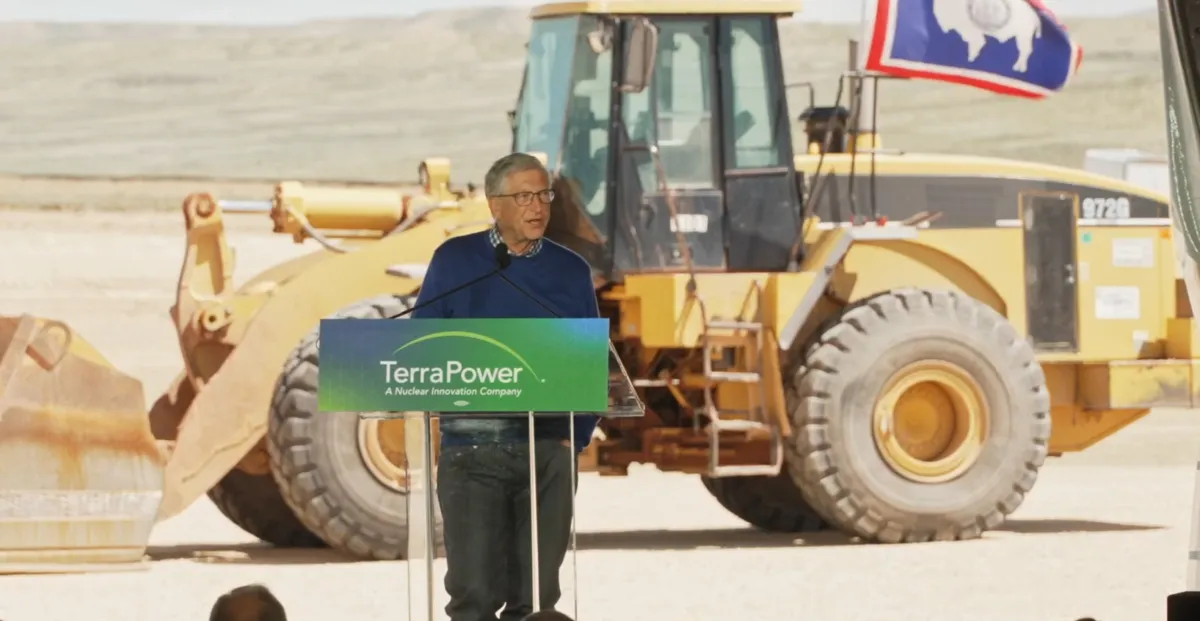
Bill Gates’ nuclear firm scores green light for breakthrough next-gen reactor

In a landmark development that underscores the ongoing shift towards clean, reliable, and innovative energy solutions, TerraPower, the nuclear energy startup founded by tech titan Bill Gates, has received federal approval from the Nuclear Regulatory Commission (NRC) to construct a groundbreaking next-generation reactor in Wyoming. This milestone marks the first time in U.S. history that a commercial-scale, advanced nuclear power plant has secured such a permit, signaling a significant disruption in the national energy landscape. The project is slated for completion by 2030 and redefines the trajectory of nuclear technology, emphasizing safety, efficiency, and sustainability.

The Wyoming plant is positioned at the forefront of disruptive innovation in nuclear engineering. Unlike traditional reactors, TerraPower’s design emphasizes a smaller, more modular approach that aligns with the evolving demands of modern electrical grids under the pressure of burgeoning AI data centers and digital infrastructure. According to industry analysts at Gartner and MIT’s Nuclear Innovation Initiative, this development could catalyze a new wave of nuclear deployment, significantly reducing reliance on fossil fuels and untangling the energy crisis intensified by climate change. With construction expected to conclude within five years, this plant symbolizes a pivotal shift where safe, sustainable nuclear power becomes a core component of national energy strategies.

  • Advanced reactor designs that prioritize safety and waste management efficiency
  • Smaller, faster-to-deploy modules suitable for diverse grid demands
  • Potential to revolutionize clean energy deployment amidst climate and geopolitical pressures

Bill Gates recently articulated the broader implications of this innovation in a 2024 interview with The Verge, emphasizing how nuclear energy’s evolving designs can play a crucial role in combating climate change. “We’re exploring reactors that not only minimize safety concerns but also optimize fuel use and waste handling,” Gates explained, highlighting the importance of disruptive technology in crafting resilient energy systems. This strategic push aligns with market trends that see nuclear power as an indispensable part of the transition away from carbon-heavy sources and toward a more sustainable future. Industry leaders and policymakers globally are watching closely, recognizing that the success of TerraPower’s Wyoming project could establish a new blueprint for business innovation in nuclear energy, opening doors for investors and entrepreneurs eager to capitalize on the clean energy revolution.

Looking ahead, the implications of this development extend far beyond Wyoming’s borders. As governments and private sector players enhance investment in nuclear innovation, the global energy market stands on the brink of a paradigm shift. The race is on to develop smaller, safer, and more adaptable reactors that can integrate seamlessly into complex energy ecosystems, responding swiftly to the demands of AI-driven economies and decentralized grids. The coming decade will undoubtedly be transformative, with the potential to disrupt traditional energy giants and establish new industry titans dedicated to sustainable and disruptive nuclear breakthroughs. The urgency to innovate has never been greater, and TerraPower’s Wyoming project exemplifies the aggressive pursuit of technological advancement essential for shaping a resilient, clean energy future.
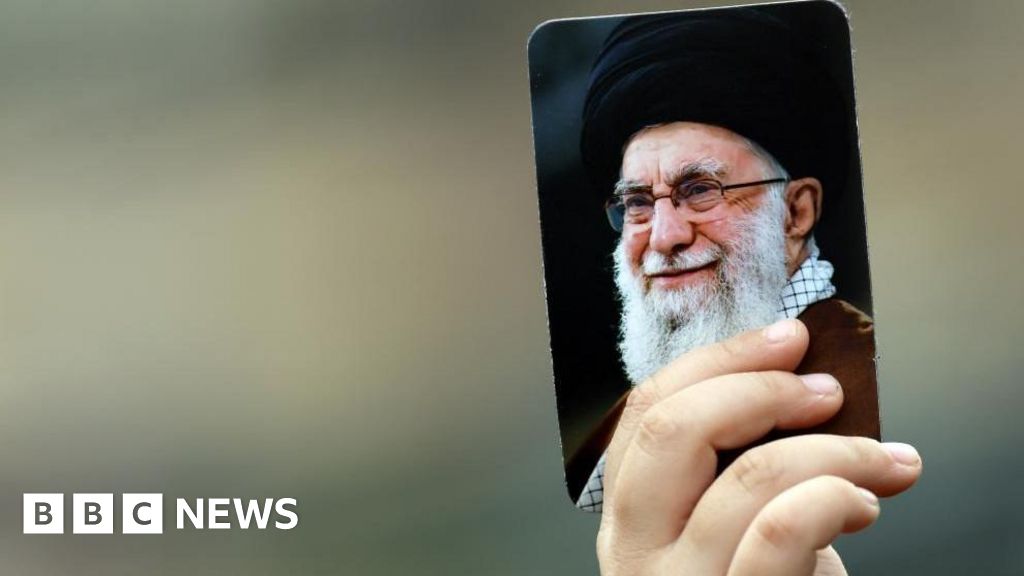
Iran's regime remains standing—stay tuned to see if it can hold firm in the coming days.
Iran’s regime remains standing—stay tuned to see if it can hold firm in the coming days.

In a time of escalating tension*, Iran finds its leadership deeply engulfed in a crisis of both confidence and security. As US and Israeli strikes persist in targeting strategic sites across Iran, the country’s political and military elites grapple with mounting pressure to maintain stability amidst an uncertain international landscape. This unfolding scenario underscores the profound geopolitical impact of external intervention and the delicate dance of diplomacy in a region fraught with historical grievances and current conflicts.

For years, Iran has been at the center of global strategic calculations, often viewed through the lens of its contentious nuclear program and regional influence. The recent surge in military actions, however, marks a turning point that could redefine regional power dynamics. Analysts from the International Crisis Group and seasoned historians recognize that Iran’s leadership faces a critical juncture, where the decisions made today will ripple through decades to come. These strikes aim to hinder Iran’s nuclear ambitions but also risk provoking a broader conflict, with the potential to destabilize the Middle East further and challenge international norms.

The crisis extends beyond tangible military targets, touching the very fabric of Iran’s societal foundations. Iranian officials are under enormous strain as they seek to project an image of resilience and control, even as internal dissent simmers beneath the surface. Leadership in Iran is acutely aware that their response could either bolster national unity or deepen divisions, all while navigating a complex web of international alliances and enmities. The ongoing strikes serve as a stark reminder of how external actors can influence internal politics, with consequences that resonate across borders and generations.

  • US and Israel assert that their actions aim to prevent Iran from acquiring nuclear weapons, maintaining that such measures are necessary for regional security;
  • Iran claims that these strikes are acts of aggression that violate sovereignty and threaten regional stability;
  • International organizations, including the United Nations, have called for de-escalation, but their influence remains limited amidst escalating tensions;
  • Historic developments, as noted by analysts, suggest that these military actions could accelerate Iran’s pursuit of strategic autonomy, potentially spawning new alliances or rivalries.

As this saga continues to unfold, the geopolitical landscape remains precariously balanced on the edge of a precipice. The decisions made by Iran’s leadership in the coming days will not only shape their nation’s trajectory but also influence the broader quest for stability and influence in a tumultuous region. History’s pen remains poised, poised to record whether this moment sparks the dawn of renewed conflict or the cautious emergence of a fragile peace.

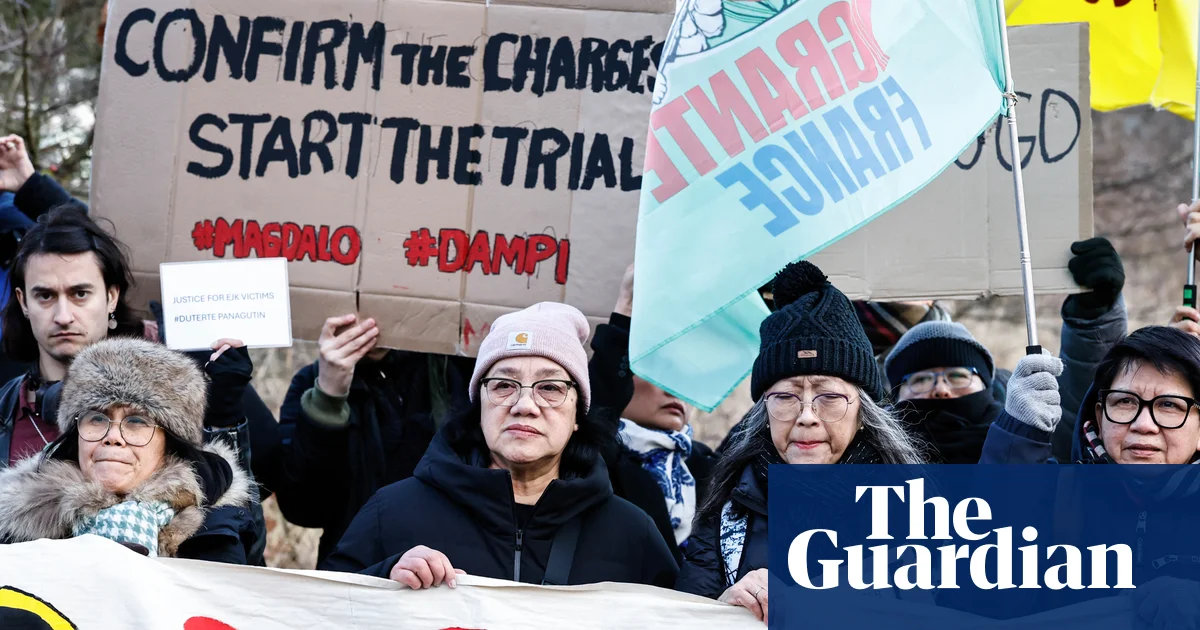
ICC Policeman: Duterte’s Firm Hand at the Core of Philippines’ Drug Crackdown

International Court Begins Proceedings Against Former Philippine President Duterte Over ‘War on Drugs’

The International Criminal Court (ICC) has initiated a groundbreaking step in international justice, setting the stage for a historic trial of Rodrigo Duterte, the former leader of the Philippines. Accused of crimes against humanity stemming from his brutal anti-drugs campaign, Duterte’s case underscores a significant international reckoning with a controversial method of law enforcement that claimed tens of thousands of lives. Prosecutors allege that during his presidency from 2016 to 2022, Duterte wielded ultimate authority—orchestrating a policy that turned the nation into a battleground of violence, with a genocide-like campaign targeted at the urban poor.

This high-profile move highlights the escalating role of the ICC in addressing domestic atrocities by powerful leaders. Prosecutors, led by ICC Deputy Prosecutor Mame Mandiaye Niang, have presented a compelling case that Duterte was “at the very heart” of a systematically lethal campaign. The accusations include 49 incidents involving 78 victims of murder and attempted murder, with allegations that these are merely fragments of the broader “war on drugs” that saw between 12,000 and 30,000 civilians killed. These figures, reported by analysts and human rights advocates, reflect what many view as a gross violation of international human rights norms. The case also exposes how state-sponsored violence directly affected societal stability, especially among marginalized populations.

While Duterte continues to deny the charges, asserting his ailing health and frailty as reasons for his absence at the pre-trial hearing, victims’ families and international observers see this as cowardice in the face of justice. The court proceedings serve not only as a legal process but also as a powerful symbol of accountability—challenging the impunity often enjoyed by autocrats. Experts like historian Mark Twain and political analysts warn that international standards are evolving, and leaders wielding authoritarian tactics are increasingly vulnerable to prosecution. The court’s role in this process signifies a broader shift towards upholding justice, even for those at the highest levels of power—an essential development in holding leaders accountable for crimes committed in the name of law.

Amidst the legal battles and fierce courtroom debates, the broader geopolitical impact cannot be overstated. Duterte’s case resonates beyond the Philippines, reinforcing a global message: no ruler is above international law. The international community, divided yet gradually unified, faces a critical choice—permit violence and impunity to flourish or stand for justice and human dignity. The proceedings at The Hague evoke echoes of historic trials, reminding the world that the weight of history depends on whether nations embrace accountability or let its dark chapters remain unaddressed. As the case unfolds, it leaves a haunting question—how many more voices will be silenced before the tide of justice finally turns?

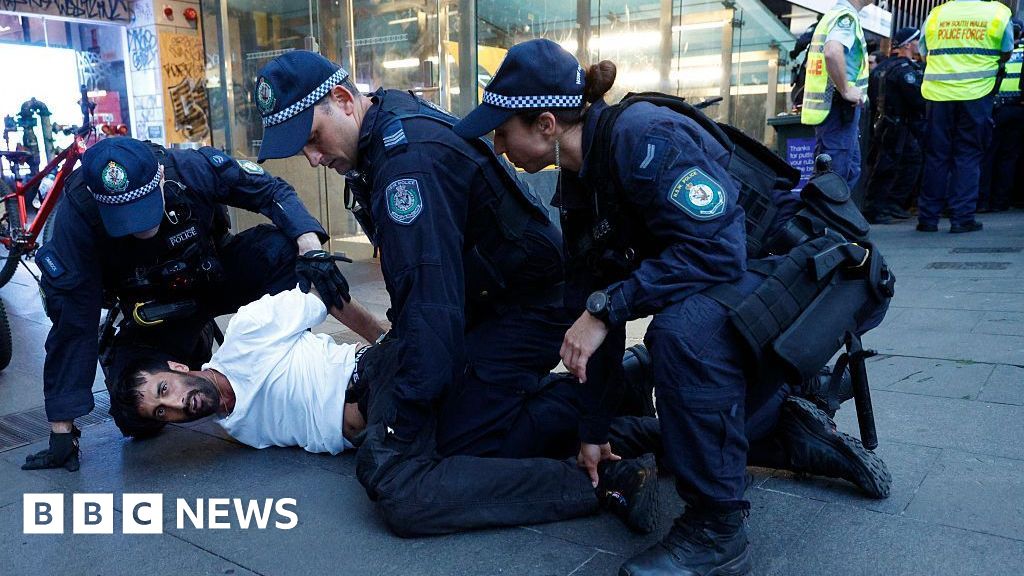
Australian Police Stand Firm Amid Protest Violence

Global Leaders Face Growing Civil Unrest Amid Political Tensions

In a move that underscores the increasing volatility of domestic affairs with far-reaching geopolitical implications, Prime Minister Anthony Albanese of Australia has publicly expressed his profound disquiet over recent scenes of civil unrest. As tensions boil over within his nation’s borders, Albanese characterized the protests as “destabilizing” and lamented the damage inflicted on social cohesion. Yet, in a display of diplomatic pragmatism, he reaffirmed his commitment to engaging with President Isaac Herzog of Israel, with whom he is scheduled to meet later on Tuesday. The Prime Minister’s decision to extend this engagement in the face of internal turmoil signifies an intent to uphold international relations and demonstrate resilience amidst domestic upheaval.

Historically, such internal conflicts often serve as catalysts for broader international realignments. Commentators and analysts from organizations like OECD and Council on Foreign Relations warn that prolonged domestic unrest can erode a nation’s diplomatic credibility, impacting negotiations on global platforms. The protests in Australia, arguably sparked by contentious policy debates or social grievances, have been described by political strategists as an important turning point: a moment revealing the fragility of current societal bonds. While Albanese endeavors to maintain diplomatic channels, critics argue that prolonged unrest risks weakening Australia’s position in international affairs, especially when paired with the complex regional geopolitical landscape that now includes rising tensions in Asia-Pacific.

This domestic upheaval occurs against the backdrop of intense geopolitical shifts across the globe, notably in the Middle East and Eastern Europe. Leaders such as President Herzog are navigating their own challenges, including ongoing conflicts that threaten regional stability. The ideological divide, fueled by issues like sovereignty, security, and economic resilience, echoes across continents. International institutions have called for calm and dialogue, emphasizing that internal dissent must not undermine peace agreements or international commitments. Yet, historians like John Keegan have long warned that such internal conflicts often precursors larger global instability if left unaddressed.

The unfolding scenario offers a stark reminder that internal social struggles do not exist in isolation—they are entwined with global order. Decisions made by leaders today, whether in Canberra, Jerusalem, or elsewhere, will resonate well into the coming decades. Governments are caught in a delicate balancing act: maintaining internal legitimacy while navigating external pressures. As nations grapple with the potential consequences of civil unrest—from economic disruptions to diplomatic realignments—the world’s attention is fixed on how these frontlines will evolve. The blueprint of history underscores a sobering truth: peace is often fragile, and the path toward lasting stability remains shrouded in uncertainty. The choices made now will chart the course of future generations, leaving an indelible mark on a world where the line between order and chaos is perilously thin.

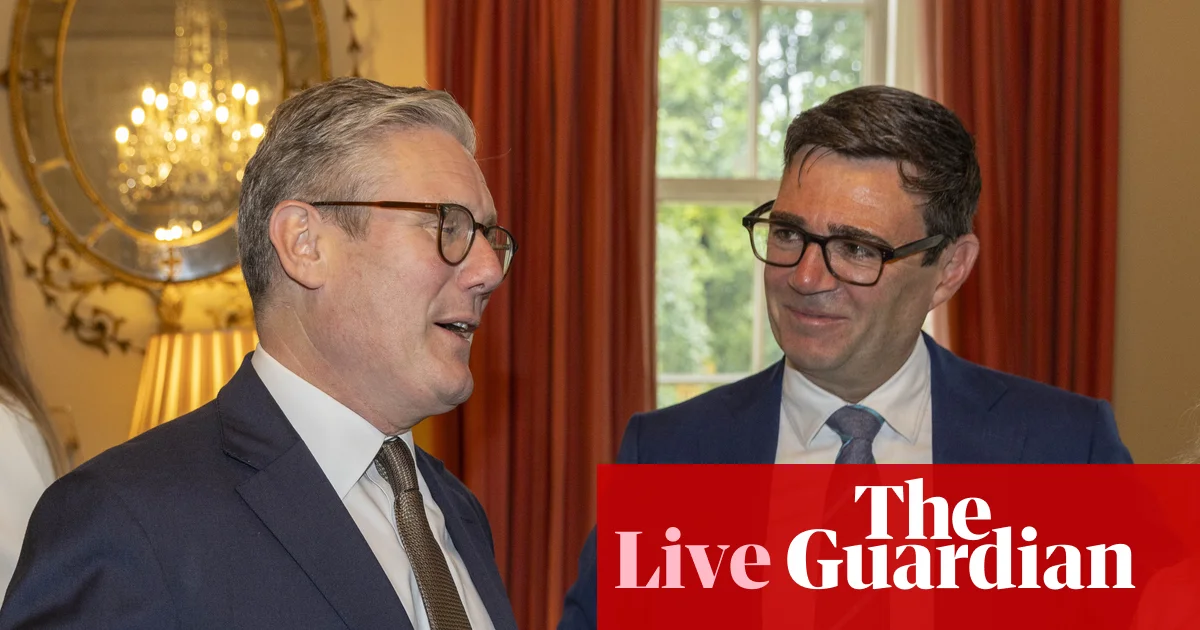
Starmer Stands Firm, Blocks Burnham's Byelection Bid – UK Politics Live
Starmer Stands Firm, Blocks Burnham’s Byelection Bid – UK Politics Live

The tumultuous landscape of British politics continues to reverberate across the international stage, as internal disputes within Labour threaten to undermine the nation’s stability and the broader geopolitical narrative. The recent decision by Keir Starmer and his leadership to block Andy Burnham from standing as the Labour candidate in the upcoming Gorton and Denton byelection exemplifies the growing rift in the party, one that analysts warn could have unforeseen consequences beyond the UK’s shores.
Historically, the internal conflicts of the UK Labour Party have served as a mirror to larger global shifts—where ideological fissures often presage shifts in regional alliances, electoral viability, and national security. When senior officials prioritize short-term electoral strategies over broader political unity, especially during a time of heightened international tension, the ripple effects can diminish the UK’s diplomatic standing and weaken its influence in key alliances such as NATO.

According to renowned historians and global policy analysts, the decisions made within London’s political corridors carry symbolic weight. \”This internal strife,” noted Dr. Clara Martins of the European Council on Foreign Relations, “exposes a nation grappling with its identity at a moment when global powers are recalibrating their alliances and priorities. Such divisions can embolden rivals and weaken diplomatic protocols that rely on stable leadership.”

The internal Labour debate reveals competing visions: one emphasizing electoral strategy and resource allocation, and the other rooted in longstanding principles of party democracy and collective action. The decision to prevent Burnham—a highly popular figure with significant influence—is framed as a pragmatic move to concentrate resources on “elections we must have,” as expressed by Keir Starmer. Yet, critics argue that this political calculus diminishes Labour’s capacity to present a unified front on the international stage, especially in an era where perceived instability can be exploited by geopolitical adversaries such as Russia and China.

Global Repercussions of Domestic Divisions

  • International organizations like NATO and the United Nations watch closely as Britain’s internal politics unfold, understanding that internal stability is often a precursor to successful diplomacy and leadership abroad.
  • European partners are increasingly concerned that ongoing fissures within UK politics could hamper future coalition efforts or compromise commitments on issues such as defense, climate change, and global health preparedness.
  • Furthermore, analysts warn that the UK’s diminished diplomatic cohesion might embolden regional powers to challenge the rules-based international order, exploiting Britain’s perceived political weakness.

In this context, the internal Labour battle is more than a party squabble; it signals how European and global actors can interpret Britain’s internal stability and responses. When leaders like Douglas Alexander argue that concentrating resources on “what we must have” is necessary, they inadvertently broadcast to the world a message of internal discord masked by political necessity. Such signals, according to experts, risk weakening the UK’s influence during a critical period marked by resurgent great power rivalry.

The Weight of History and the Unfolding Future

As history continues to forge its course in the crucible of internal political struggle and international shifts, how Britain navigates these turbulent waters will determine not only its domestic stability but also its geopolitical posture. The decisive decisions made today, from the party halls of Manchester to the diplomatic corridors of Brussels and Washington, echo into a future where alliances are tested, and influence is contested.

In the shadows of Westminster’s veritable chessboard, alliances are being reassessed amidst the chaos of internal discord. The decisions to block Burnham and shift focus away from contentious local politics may seem like tactical moves, but they underscore a far greater narrative—one where the weight of history is calling for unity and strategic clarity, lest Britain’s influence fade into the annals of defeat and internal strife.

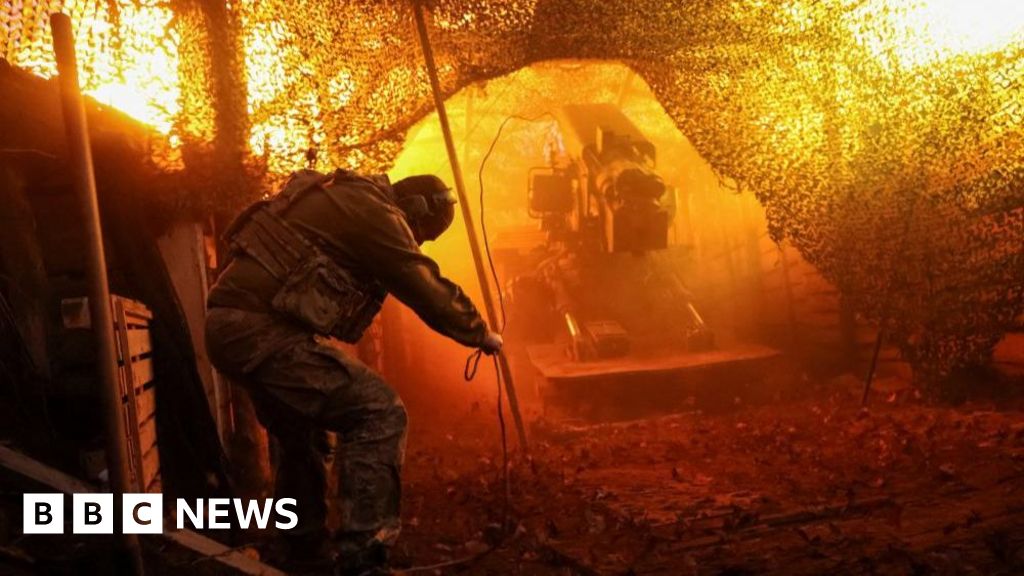
Ukraine pushes new peace plan as Zelensky vows to stand firm on territory

Ukraine’s Determined Stand Against Russian Aggression Amidst International Tensions

As Ukraine prepares to present a revised peace plan to the White House, the nation remains entrenched in a complex battlefield of diplomatic resolve and relentless conflict. Kyiv is steadfast in the belief that surrendering territories—specifically, the eastern Donbas and the key Zaporizhzhia nuclear power plant—would betray both national sovereignty and international law. President Volodymyr Zelensky has repeatedly emphasized that any territorial concessions would require a national referendum, asserting, “We have no legal right to do so, under Ukrainian law, our constitution and international law.”

This unwavering stance comes amid ongoing fighting along the front lines in eastern Ukraine. Despite diplomatic efforts, including intensive talks with the U.S. and European allies, no comprehensive peace agreement has emerged. Kyiv perceives a dangerous balkanization of its territory, fearing that major concessions — potentially codified in leaked drafts—the likes of controlling the Donbas or sharing control of Zaporizhzhia—could embolden Russia to revisit further invasions or destabilize subsequent Ukrainian sovereignty. Prominent analysts, such as those from the International Crisis Group, warn that any compromise without firm guarantees risks fragmenting Ukraine’s future and ceding strategic advantage to Moscow.

Geopolitical Tensions and the Battle for International Support

Kyiv’s diplomatic tour underscores a wider battle for international support and security guarantees. Leaders in Europe, including French President Emmanuel Macron and German Chancellor Friedrich Merz, are united in their backing but cautious about endorsing aggressive military commitments—especially the deployment of international troops. Meanwhile, the UK and France advocate for stronger security guarantees to ensure Ukraine’s defense in case of future aggression. The ongoing negotiations with the U.S. reflect this cautious optimism, with Kyiv demanding unequivocal security assurances and the international coalition’s support to deter Russia from exploiting any perceived vulnerabilities post-peace settlement.

However, this high-stakes diplomacy faces skepticism. Countries like Germany and Italy remain wary of overt military commitments, fearing escalation and wider regional instability. Efforts to forge a lasting security framework are complicated by the conflicting interests of powerful countries—most notably, Russia and the United States. Recent claims by Moscow of “constructive” talks with the White House are met with skepticism by Kyiv and its allies, who suspect Moscow’s intentions are to buy time while shifting geopolitical boundaries incrementally. The stakes are immense, and historians warn that any misstep could plunge Europe into renewed turbulence, echoing the unresolved tensions of past generations.

The Play of Power and the Shadow of Future Conflict

As President Zelensky prepares to send a new proposal to the U.S., the global community remains divided over the prospect of peace. Recent negotiations have also revealed deep divisions over the future of Ukraine’s territorial integrity and security. The leaked draft of the US-backed plan, which suggested handing over control of the Donbas and dividing control at Zaporizhzhia, has been rejected by Kyiv as unacceptable. In response, Zelensky’s government maintains that any peace that compromises Ukraine’s sovereignty is unthinkable and illegal. Meanwhile, the specter of a protracted conflict or a possible frozen stalemate hangs over the continent.

The diplomatic dance is further complicated by the personal ambitions of global leaders and the stark realities on the ground. U.S. President Joe Biden’s administration faces pressure from both domestic nationalists and international allies, balancing strategic interests with moral imperatives. Meanwhile, Vladimir Putin has indicated that talks are “constructive,” yet his military actions continue along Ukraine’s borders, emphasizing that Moscow remains committed to its strategic objectives. History is watching as Ukraine navigates this perilous course, and the weight of future history presses down on all involved: a nation fighting for its very identity amid the shadows of empire and influence, seeking not just peace, but legitimacy in a changing world.

FTC stands firm: Stalkerware pioneer Scott Zuckerman banned, tech watchdogs celebrate

The Federal Trade Commission (FTC) has decisively upheld its 2021 ban against Scott Zuckerman, the controversial founder behind Support King and its associated stalkerware products. This move underscores the ongoing clash between relentless disruption of traditional privacy norms and regulatory measures aimed at protecting consumers and vulnerable individuals from invasive surveillance technology. The FTC’s stance remains firm despite Zuckerman’s recent petition to revoke or modify the ban, citing mounting financial and operational burdens.

At the heart of this controversy lies the alarming pattern of innovation in illicit surveillance. When it first enacted the ban, authorities highlighted that Zuckerman’s product SpyFone facilitated stalking by secretly monitoring personal devices, exposing users’ most sensitive data. A major breach in 2018, involving over 3,600 phones, revealed that the company had left sensitive content—including selfies, messages, and audio recordings—vulnerable online due to extremely lax security protocols. This incident not only exposed personal information but also exposed the inherent risks of disruptive business models built around invasive monitoring.

  • Innovative breach exploitation exposed vulnerabilities in stalkerware security.
  • Demonstrated the potential for hackers to hijack sensitive personal data stored by these apps.
  • Highlighted the failure of regulatory frameworks to keep pace with rapidly evolving surveillance tech.

The case reveals a disturbing trend: repeat offenders attempting to circumvent regulation through clandestine operations. Less than a year after the FTC ban, evidence suggested Zuckerman’s team was running a clandestine secondary operation, SpyTrac, with ties back to the original Support King empire. Leaked data showed direct links to SpyFone and access keys to OneClickMonitor, raising questions about whether regulatory crackdowns can truly contain such disruptive entrepreneurs whose innovations push legal boundaries. Experts like MIT’s cybersecurity researchers warn that these activities threaten to erode privacy standards, fueling a clandestine market that’s difficult to regulate.

Industry analysts such as Gartner warn that the continued proliferation of such invasive technologies signals a need for robust enforcement and innovative reforms. The implications extend beyond individual privacy; they threaten to reshape the competitive landscape, driving legitimate tech firms to innovate smarter security and privacy solutions. As Peter Thiel and others argue, disruption in the surveillance tech realm could redefine the boundaries of personal liberty and corporate responsibility. The FTC’s refusal to relax the ban is a statement: regulation must evolve in tandem with innovation—crucial for safeguarding future technological progress.

Looking ahead, this high-stakes case serves as a stark warning to entrepreneurs and investors betting on disruptive tech: without strong ethical boundaries and regulatory compliance, even the most innovative ideas risk becoming regulatory casualties. As the industry braces for a wave of new innovations, the importance of urgently establishing clear legal and ethical frameworks will determine which companies lead the next revolution and which fall by the wayside. The future of technology rests on striking the right balance—fostering innovation while fiercely defending individual rights against invasive surveillance. Time remains of the essence; the clock is ticking for regulators and entrepreneurs alike to shape a secure, responsible digital frontier that can withstand the disruptive forces at play.

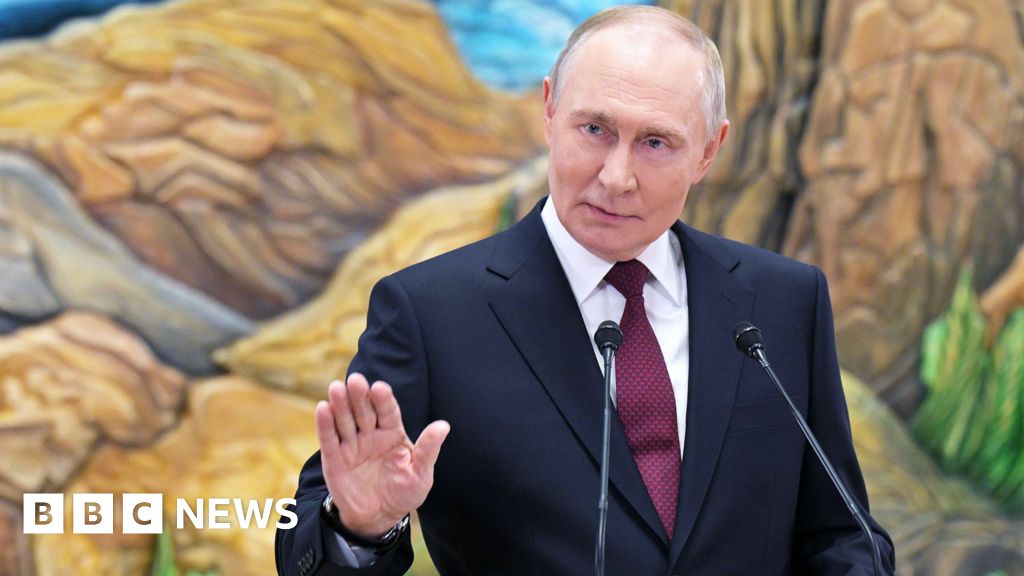
Putin Stands Firm on Ukrainian Land Ahead of US Talks

The unfolding conflict in Ukraine continues to redefine the global geopolitical landscape, with President Vladimir Putin asserting that Russia will only cease its military operations if Kyiv’s forces withdraw from territories Moscow claims as its own. These demands include the controversial annexation of the Crimean Peninsula in 2014 and the ongoing occupation of the Donbas region, made up of Luhansk and Donetsk. Moscow’s insistence on legal recognition for these seized territories signals a hardening stance that complicates any prospects for diplomatic resolution. As seen through the lens of international analysts and historians, such as Dr. Catherine Pugh of the International Institute for Strategic Studies, these demands serve as a stark reminder of Russia’s strategic aim to cement transitional zones of influence and undermine Ukraine’s sovereignty permanently.

Meanwhile, Ukraine remains resolute, firmly rejecting any proposal that would legitimize Russian territorial gains through mere recognition of de facto control. Kyiv’s leadership has consistently indicated that territorial concessions are off the table, emphasizing that rewarding aggression would set a dangerous precedent for sovereignty across Europe and beyond. Putin’s recent trip to Kyrgyzstan, where he accused Ukraine of fighting “to the last Ukrainian,” underscores Russia’s willingness to escalate the conflict with an unwavering conviction that the current battlefield advantage grants them the initiative. According to the Institute for the Study of War, Moscow’s slow, attritional advances, particularly in eastern Ukraine, could stretch over the next two years, risking ongoing loss of manpower and resources—a clear sign that Russia’s military engagement, though persistent, is becoming increasingly costly and politically contentious.

The diplomatic arena is no less turbulent. Recently, a draft peace plan, initially skewed heavily in Moscow’s favor, has become a focal point for international diplomacy. According to reports, the revised document leaves unresolved critical issues like the status of Crimea and the Donbas, along with security guarantees for Ukraine. Putin’s assertion that the current draft could form the “basis” for future peace agreements highlights Russia’s strategic intent to wield diplomatic leverage, conditioning a resolution on recognition of its territorial claims. Meanwhile, the upcoming visits by U.S. officials—such as special envoy Steve Witkoff and potential discussions involving Jared Kushner—indicate that the West remains engaged in a delicate balancing act: seeking an exit from conflict yet wary of legitimizing Moscow’s territorial ambitions. European leaders, like Ursula von der Leyen, have expressed skepticism about Russia’s true intentions, condemning the Kremlin’s view of Europe as a “sphere of influence” and warning that such post-World War II mindsets threaten regional stability.

As the international community watches with bated breath, the conflict’s trajectory remains uncertain—yet undeniably pivotal. Putin’s dismissive attitude towards Ukrainian leadership and European warnings of future escalation reflect an overarching strategy grounded in resilience and repression. The ongoing debate over recognition, sovereignty, and security guarantees is but the latest chapter in a broader struggle that threatens to reshape borders and alliances for generations to come. Amidst the turmoil, a precipice looms: history is being written not just by the powers involved, but by the very decisions that could either cement peace or plunge Europe into a protracted shadow of conflict. The weight of this moment surpasses diplomacy; it is a defining juncture that will echo through the corridors of history, testing the resolve of nations and the endurance of liberty itself.

Is Canada Ready to Stand Firm in the US Trade Showdown?

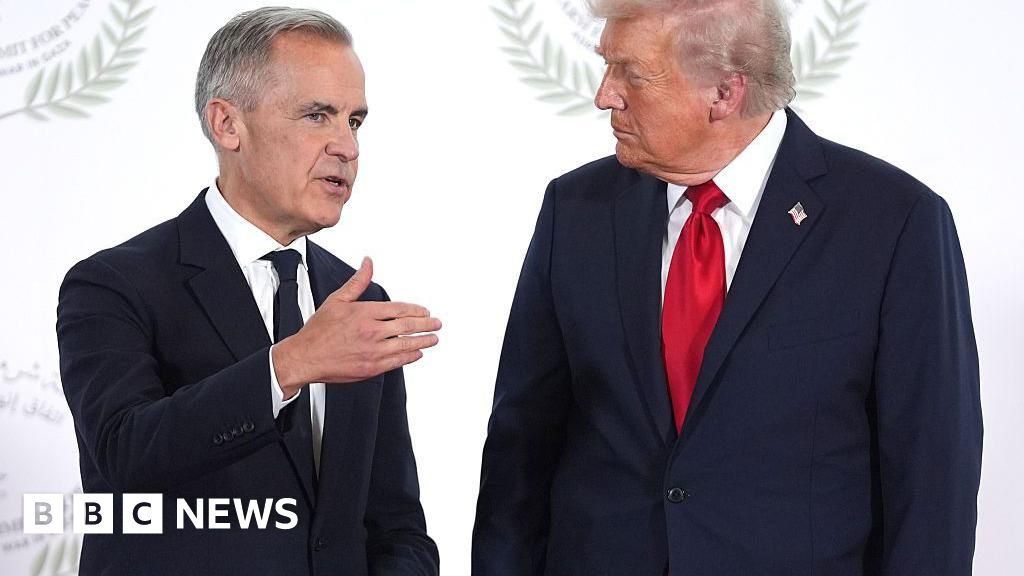
In an era characterized by shifting alliances and unpredictable economic policies, Canada finds itself at a critical crossroads in its relationship with the United States. The recent diplomatic stance taken by Prime Minister Mark Carney reflects a notable departure from previous negotiations—his apparent lack of urgency in resuming trade talks has stirred concerns both domestically and internationally. While Carney dismisses the timing of discussions as trivial and claims there is no “burning issue” to address, critics argue this signals a strategic shift, foretelling a more cautious, perhaps even confrontational, approach to trade under the shadow of mounting geopolitical tensions. This attitude could herald a new phase of Canadian independence in trade policy, distancing itself from the unpredictability of U.S. negotiations heavily influenced by the upcoming U.S. midterm elections and national political winds.

The pause in negotiations comes amid a backdrop of escalating tariffs imposed by Washington, including a 35% levy on certain Canadian exports, with specific sectors like metals and automobiles bearing the brunt of these punitive measures. Historically, such tariffs have crippled Canadian exports—about 75% of which are directed southward—and threaten the very fabric of its economy. With some Canadian officials advocating patience, Canadian trade representatives like Richard Madan continue lobbying U.S. lawmakers behind the scenes, even as formal negotiations stagnate. This diplomatic standstill is compounded by the fractured relationship over an anti-tariff advertisement from Ontario, which appears to have deeply offended the U.S. administration, further complicated by Trump’s unpredictable, often retaliatory, trade tactics. Renowned analysts, including Chris Sands of Johns Hopkins University, warn that *”a great deal of posturing”* obscures the underlying vulnerability that Canada’s economy faces in the face of American tariffs, which are both a tool of economic leverage and political signaling.

The geopolitical impact of this standoff extends beyond immediate economic concerns. As global leaders converge on events such as the FIFA World Cup draw—where Carney is expected to meet with President Trump—the diplomatic signals sent are fraught with implications. Canadian Prime Minister Carney’s recent trips to the United Arab Emirates and his focus on securing foreign investment signal a strategic pivot. With Canada’s goal to double non-U.S. exports within a decade, the government seeks to diversify its trade alliances amidst the turbulence. However, the shadow of Washington’s tariffs looms large, pressing Canadian industries, especially aluminum and heavy machinery, into a battle for survival. Industry leaders like Jean Simard emphasize that *”time is on our side,”* hinting that patience may benefit Canada in the long run, even as some U.S. sectors, such as aluminum, start feeling the pinch as stockpiles dwindle and dependence on imports intensifies. The looming review of the USMCA trade agreement, slated for December hearings, hints at a possible turning point—perhaps a window for Canada to influence the future arrangement and assert its economic sovereignty.

Yet, the internal political landscape complicates matters further. U.S. midterm elections are casting a long shadow, with many in Congress positioning themselves for upcoming campaigns. The growing discontent among American voters, evidenced by a recent Fox News poll indicating that 76% harbor negative views towards the economy, has pushed President Trump toward softening some tariffs, signaling a cautious openness to negotiations on metals and energy. Although the trade negotiations have hit a standstill, the impending US trade review and international pressures could hint at a possible thaw—yet the risk remains that history may be dictated not by diplomacy, but by increasingly entrenched national interests and the relentless march of history itself. As Canada steadies itself, navigating a complex web of geopolitical challenges, the future remains uncertain. The flesh-and-blood reality is that the decisions made today will ripple through generations, forging a path that could either unite or divide the continent—a defining chapter in the new world order, where the echoes of past conflicts still resonate with unforgiving clarity.

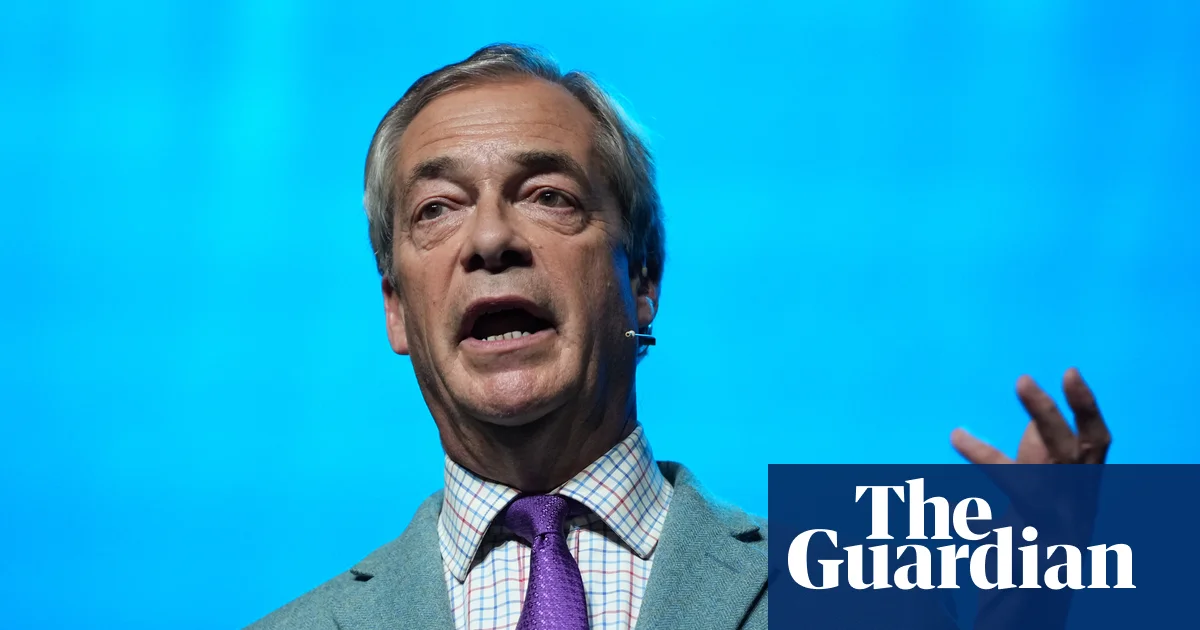
Three Ex-Pupils Stand Firm Against Far-Right ‘Banter’ Claims, Supporting Nigel Farage

Global Reckoning: The Echoes of Youth and the Shaping of International Power

In recent weeks, a revealing story has emerged from Britain that underscores how the personal histories of public figures—particularly those involved in shaping national policy and geopolitics—can ignite international debates with far-reaching consequences. Former Prime Ministerial candidate Nigel Farage, known for his staunch nationalist stance and vocal opposition to open borders, has come under scrutiny amid allegations of deeply troubling racist and antisemitic behavior during his adolescence at Dulwich College. Over twenty individuals have come forward, recounting years of targeted abuse that reportedly spanned from the age of 13 to 18. These allegations, whether rooted in past misconceptions or genuine misconduct, reveal how history’s shadows can threaten the credibility and influence of figures who command currents in the modern political landscape.

The controversy is a stark reminder that the choices made in youth—sometimes dismissed as “banter”—can directly impact a nation’s international standing and societal cohesion. Analysis by international organizations and historians suggests that such revelations are not merely about individual morality but also about the broader implications for national identity in an interconnected, often polarized world. The allegations against Farage, including claims of racially charged taunts and antisemitic slurs, resonate globally, especially amidst rising uprisings and ethnic tensions across Europe and beyond. As historians specializing in political extremism warn, such figures, once unfettered by scrutiny, can fuel the narratives that stir unrest or justify aggressive foreign policy postures. Indeed, the damaging effects extend beyond the personal—these accusations threaten to undermine the societal fabric that underpins the stability of Western democracies.

Equally significant is how the decision-making of nations and international institutions is impacted when leaders or influential figures are compromised by their histories. Britain’s experience exemplifies this, especially given its recent contentious departure from the European Union—a process heavily influenced by populist rhetoric, much of which is intertwined with narratives of immigration and national sovereignty. Critics argue that exposing such unflattering truths about figures like Farage serves as a warning, not just for British politics but for the global stage: the legacy of youthful prejudice can haunt leaders, complicating diplomatic relations and policy agendas.

In the broader context, international organizations like the United Nations and European Union have long acknowledged the profound impact of societal divisions fueled by unchecked prejudice. The revelations surrounding Farage’s past coincide with a wave of scholarly warnings that underestimating the power of societal rifts can lead to catastrophic conflicts. The current debate underscores that the legacy of intolerance is not easily erased, especially when wielded by those entrusted with guiding nations through the tumult of modern geopolitics. As experts like Harvard historian Dr. Elizabeth Carrol note, “The personal histories of political leaders are a mirror reflecting societal values and vulnerabilities, which can either be sources of unity or divides that nations struggle to overcome.”

As the world watches these unfolding revelations, history reminds us that the choices of youth, often dismissed as trivial “banter,” carry a weight that can shape or fracture nations. The echoes of past prejudices can ripple through time, influencing policies, alliances, and societal divides. The question remains: how will today’s leaders confront and reckon with their histories? In this era of rapid international change, amid geopolitical shifts and the resurgence of nationalist rhetoric, the true test lies not only in how leaders respond but also in how societies confront the shadows of the past. The fabric of history continues to unfurl, and the weight of these stories—whether they serve as caution or justification—remains an indelible part of the unfolding narrative of global power and societal resilience.

Social Media Auto Publish Powered By : XYZScripts.com