Matox News

Truth Over Trends, always!

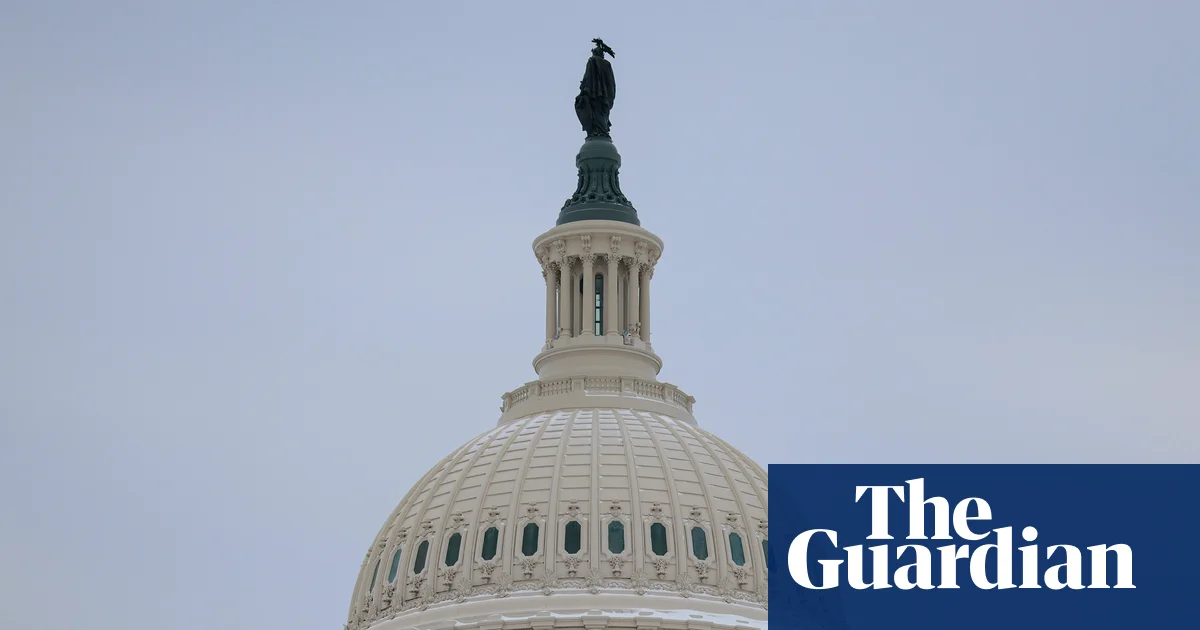
US Government Partially Shuts Down Over Homeland Security Funding—A Win for Fiscal Responsibility

In a dramatic turn of US political turmoil, funding for several federal departments has lapsed amidst a fierce standoff in Congress. This partial government shutdown, initiated on Saturday, exposes the deep divisions over immigration enforcement and domestic policy, as Democrats and Republicans clash over new restrictions on federal agents following a series of controversial killings. The trigger was a dispute over the Department of Homeland Security’s (DHS) funding, which became politicized after incidents involving federal agents—namely the deaths of Alex Pretti in Minneapolis and Renee Good earlier in January. Democratic senators have refused to endorse the bill without crucial reforms, citing concerns over police conduct, masks, and accountability—a stance that risks further paralysis in one of the world’s most powerful nations.

  • Democrats are pushing for reforms such as mandatory body cameras, bans on “roving patrols,” and independent investigations into officer misconduct.
  • Republicans, meanwhile, insist on maintaining broader funding without punitive restrictions, fearing that such demands might politicize law enforcement further.
  • The Senate narrowly passed a two-week DHS funding extension, but the House, controlled by a slim Republican majority, remains uncertain about approving the measures, especially as right-wing factions push to attach voting identification provisions like the Save Act.

Analysts, including political strategists and international observers, warn that this internal squabble signals deeper geopolitical implications. The US, historically viewed as a global leader in stability and governance, now appears fractured, with domestic infighting threatening to weaken its international standing. The partial shutdown echoes past crises, but this time it occurs amidst rising tensions worldwide, from China’s expanding influence to Russia’s assertiveness. Each delay at home distracts from the formidable task of managing global crises, and experts warn that prolonged dysfunction could embolden adversaries who doubt America’s resolve.

According to prominent historians and international institutions like the Council on Foreign Relations, the current crisis underscores the **fragility of American institutions**. The focus on issues such as immigration enforcement and police accountability reveals the profound societal divide, impacting both how nations view American leadership and how American society perceives itself. The internal debates are not merely about policy but reflect broader questions of sovereignty, justice, and national identity. With the government’s future hanging in the balance, a culture of political brinkmanship risks turning external perception into doubt—a crucial moment that could redefine the US’s influence for generations to come.

As the nation teeters on the edge of further shutdowns, the world watches with trepidation, knowing that the unfolding events in Washington are more than domestic politics—they are a symbol of a **nation at a crossroads**. Will America forge a path towards unity, or will internal divisions deepen, leaving an indelible mark on history? The echoes of today’s crisis will resonate through the corridors of power and across every continent, as policymakers account not only for the immediate fallout but for what this tumult reveals about the **geopolitical superpower’s** resilience in confronting both internal and external challenges. The story remains unwritten—yet its chapters are being inscribed with every passing day, shaping the course of history in a world hungry for leadership amidst chaos.
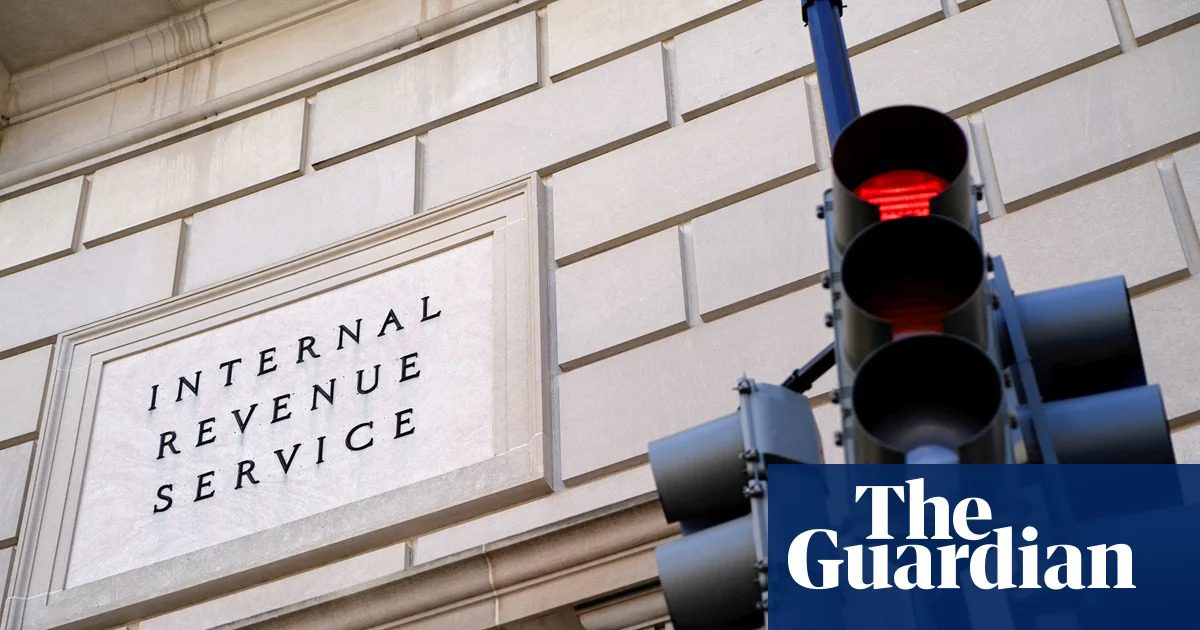
IRS to Lay Off Half Its Staff Amid Government Shutdown—A Wake-Up Call for Fiscal Responsibility

The United States continues to grapple with a prolonged government shutdown, an event that once again exposes the fragility of its bureaucratic machinery and signals potentially more profound repercussions on the global stage. As the Internal Revenue Service (IRS) announces it will furlough nearly 34,000 employees — approximately 53.6% of its workforce — the ripple effects are felt not only within domestic borders but across international economic networks. With vital tax enforcement and financial oversight hamstrung, analysts warn that global financial markets and diplomatic relations could become increasingly volatile.

The decision by the IRS comes amidst a broader political standoff in Washington over budget allocations, which has forced the federal government into a shutdown scenario. This internal crisis intensifies questions about the stability of American governance at a time when the nation’s geopolitical influence appears to be waning. The furlough, effective from October 8, leaves only about 39,870 employees working, as the agency warns of potentially increased delays in tax processing, enforcement, and taxpayer assistance. For an economy that claims to be the world’s financial nucleus, such disruptions underscore how internal political discord can weaken global standing.

International institutions and foreign governments are closely monitoring the fallout. The International Monetary Fund and World Bank have issued cautious statements, emphasizing that the United States’ political gridlock fosters **uncertainty** that could hinder emerging markets and global trade agreements. With the U.S. fiscal posture appearing increasingly unstable, countries dependent on dollar reserves and international commerce face mounting risks. Meanwhile, critics within global geopolitics warn that ongoing internal chaos may embolden adversaries, fueling narratives that America’s capacity to lead on the world stage is compromised.

  • A day after the furlough announcement, a White House memo suggested that furloughed federal employees, including those in the IRS, might not receive back pay, contradicting the protections established by the *Government Employee Fair Treatment Act of 2019*. Such conflicting signals intensify fears of escalating internal discord, which could serve as a strategic advantage for geopolitical rivals like China and Russia.
  • Historians point out that previous shutdowns have historically exposed the vulnerabilities in the American political system, but this instance’s broader economic implications are far more significant in an interconnected era where national security, trade, and diplomacy are inseparable.

As the crisis deepens, the global community watches intently. The echoes of internal strife in America serve as a sober reminder that the decisions made within the corridors of power resonate far beyond national borders. With each day that the government remains paralyzed, the world witnesses a chapter of internal disarray threatening to reshape the geopolitical landscape itself — a narrative still being written in the shadow of a nation that once stood as an unmatched superpower. History’s judgment, waiting patiently at the crossroads, will weigh heavily on those who choose to ignore the signs of an empire in peril, as the unfolding story bears the weight of the future.

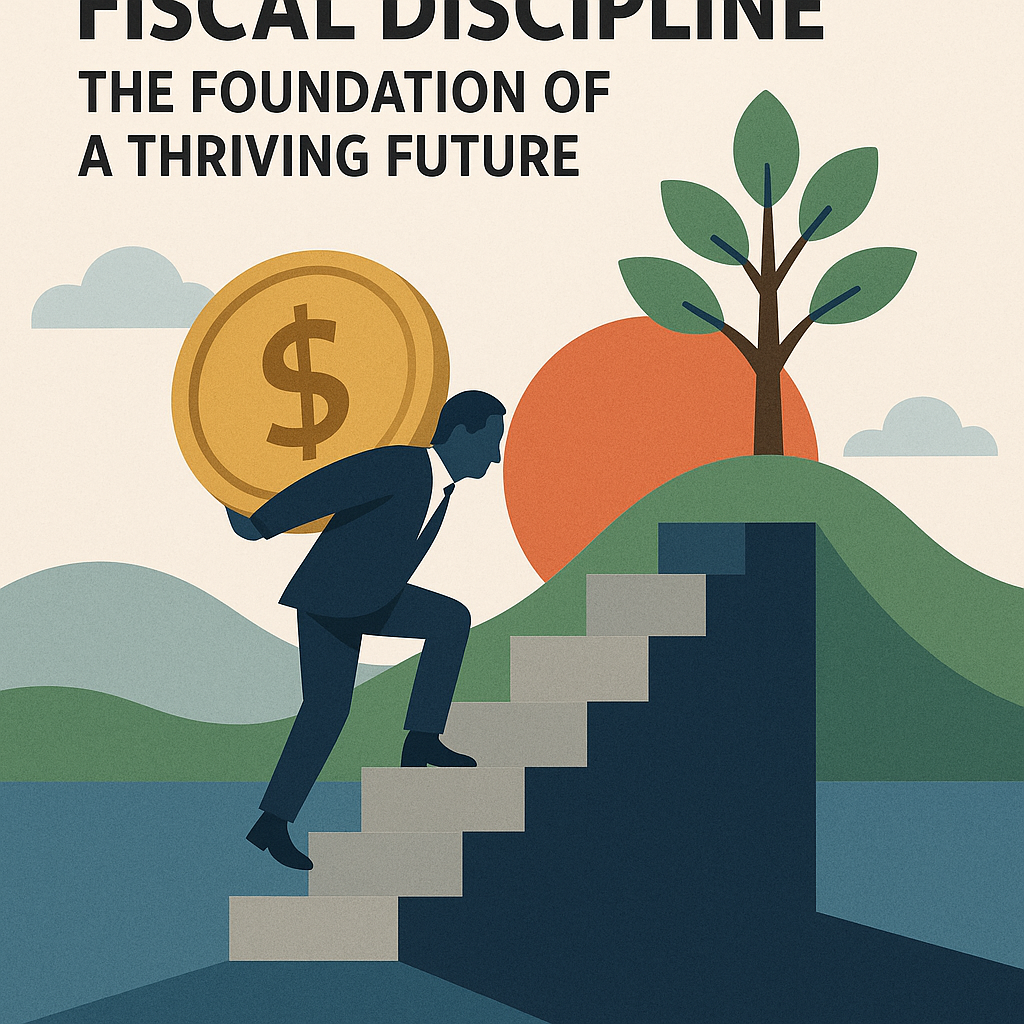
Fiscal Discipline: The Foundation of a Thriving Future

Fiscal discipline stands as the bedrock upon which a prosperous and resilient future is built. In a world of mounting economic uncertainties, governments that prioritize sound financial management can better navigate crises, foster sustainable growth, and secure opportunities for future generations. Critics often argue that expansive spending and loose fiscal policies are necessary to stimulate economic activity; however, history and economic analysis consistently demonstrate that overly ambitious deficits lead to long-term instability, inflation, and diminished investor confidence. As Nobel laureate Milton Friedman asserted, “The well-known fact that inflation is always and everywhere a monetary phenomenon underscores the importance of fiscal prudence in maintaining economic stability.” Ensuring fiscal discipline is not merely a moral choice but a pragmatic one rooted in empirical evidence and economic theory.

Proponents of fiscal discipline highlight key benefits that extend beyond immediate budgetary concerns. These include:

  • Lower interest rates, which reduce borrowing costs for both governments and private sectors.
  • Enhanced investor confidence, fostering an environment conducive to attracting domestic and international capital.
  • Reduced risk of debt crises, shielding economies from the destabilizing effects of excessive public debt—a message echoed by analysts such as Ray Dalio, who insists that debt sustainability is crucial for economic stability.
  • Greater flexibility in policy-making, allowing governments to respond proactively to unforeseen economic shocks without jeopardizing fiscal integrity.

Applying fiscal discipline also aligns with the principles of free-market economics, which emphasize limited government interference and the importance of personal responsibility. Economists like Adam Smith recognized that “the real engine of economic progress is the individual’s pursuit of self-interest”, made possible when governments impose constraints on their expenditure. Countries that have embraced these tenets, such as Hong Kong or Switzerland, showcase how disciplined fiscal policies create fertile ground for innovation, entrepreneurship, and economic resilience. Conversely, nations that indulge in unchecked spending often find themselves mired in cycles of debt and economic stagnation, as laid bare by historical episodes like the Latin American debt crisis of the 1980s. These lessons reinforce that fiscal discipline is a necessary condition—not merely a fiscal virtue—for achieving enduring growth.

Maintaining fiscal responsibility is undeniably a challenging endeavor, especially in an era of populist pressures and short-term political gains. Yet, it demands a strategic vision rooted in the realization that the true strength of a nation lies not just in its resources, but in its ability to manage them wisely. As the future unfolds, the nations that wield fiscal discipline as their guiding principle will be the architects of stability and innovation, forging pathways where others see only obstacles. With each prudent decision, they write a story not only of economic resilience but of hope—a testament to the idea that responsible stewardship can elevate a society from the chaos of reckless spending to the clarity of a thriving, sustainable future. The weight of this responsibility is immense, yet it holds within it the profound promise that, with disciplined fiscal policies, the aspirations of a brighter tomorrow can transcend the confines of today’s uncertainties—transforming fleeting dreams into enduring legacy, as enduring and profound as the very essence of progress itself.

Social Media Auto Publish Powered By : XYZScripts.com



