Matox News

Truth Over Trends, always!

Peloton Cuts 11% of Staff Amid AI Hardware Launch—Are Tech Times Changing?

Peloton Restructures Amid Market Turmoil and AI-Driven Innovation

In a decisive move indicative of broader industry disruptions, Peloton announced it will lay off approximately 11 percent of its workforce, primarily targeting engineers involved in technology and enterprise initiatives. This follows an earlier 6 percent reduction last August, marking a continued effort to realign its business model in a challenging market environment. Industry analysts see these cuts as a sign that Peloton is struggling to maintain its pandemic-fueled growth, with sales figures showing a prolonged decline despite launching innovative hardware featuring Peloton IQ AI. These developments underscore the aggressive shift in how fitness technology companies must innovate or face obsolescence in a hyper-competitive landscape.

The company’s latest strategic pivot involves deploying AI-powered features across its product lineup, aiming to deliver personalized, real-time performance insights that could disrupt traditional workout routines. The Cross Training Series, introduced last October, includes a revamped bike, treadmill, and rowing machine—each integrated with AI capabilities such as real-time form correction, exercise analysis, and AI-generated routines. These features, meant to elevate user engagement and justify increased subscription costs, exemplify how disruption in the fitness tech industry hinges on harnessing AI to maximize user outcomes and retain loyalty. Yet, despite these technological advancements, initial sales have been sluggish, raising concerns about whether Peloton’s innovation can translate into immediate commercial success.

The industry’s trajectory underscores a growing trend where traditional fitness companies are forced to pivot rapidly, investing heavily in AI and data-driven personalization to compete against tech giants and emerging startups. This massive shift toward intelligent, autonomous workout systems echoes predictions by firms like Gartner, which emphasize that AI and machine learning will be core drivers of competitive advantage in the coming decade. However, Peloton’s recent struggles highlight a crucial lesson: technological innovation alone cannot guarantee market resurgence. Instead, it must be coupled with effective marketing, product differentiation, and scalable operations—areas where Peloton has faced setbacks, as it attempts to counteract declining subscriber growth and mounting financial pressure.

From a business perspective, Peloton’s ongoing downsizing and technology overhaul signal a broader warning to industry players: Disruption is only beneficial if it sustains user engagement and profitability. Meanwhile, industry watchers like Elon Musk and Peter Thiel suggest that the surge toward AI-enhanced fitness is inevitable and will redefine the entire health and wellness sector. The imperative now is for companies to move beyond incremental enhancements and embrace radical innovation that leverages AI not just for customization but for creating entirely new business models and ecosystems. As the market evolves, so too must the strategic agility of industry leaders to avoid obsolescence and harness the disruptive potential of AI-driven fitness technology.

Looking ahead, the timeframe for Peloton’s recovery remains uncertain, emphasizing the urgency of strategic adaptation in a hyper-accelerated technological landscape. The industry’s next chapter is poised to be defined by companies that successfully integrate emerging AI capabilities with scalable, engaging user experiences. Those who fail to do so risk being overshadowed by nimble startups and digital giants forging entirely new markets. In this context, Peloton’s ongoing transformation exemplifies the pressing need for bold innovation and relentless adaptation—because in the race for market dominance, standing still is equivalent to moving backward.
Smart Ring Watch: Your All-in-One Heart, Sleep, and Fitness Tracker for the Modern Youth

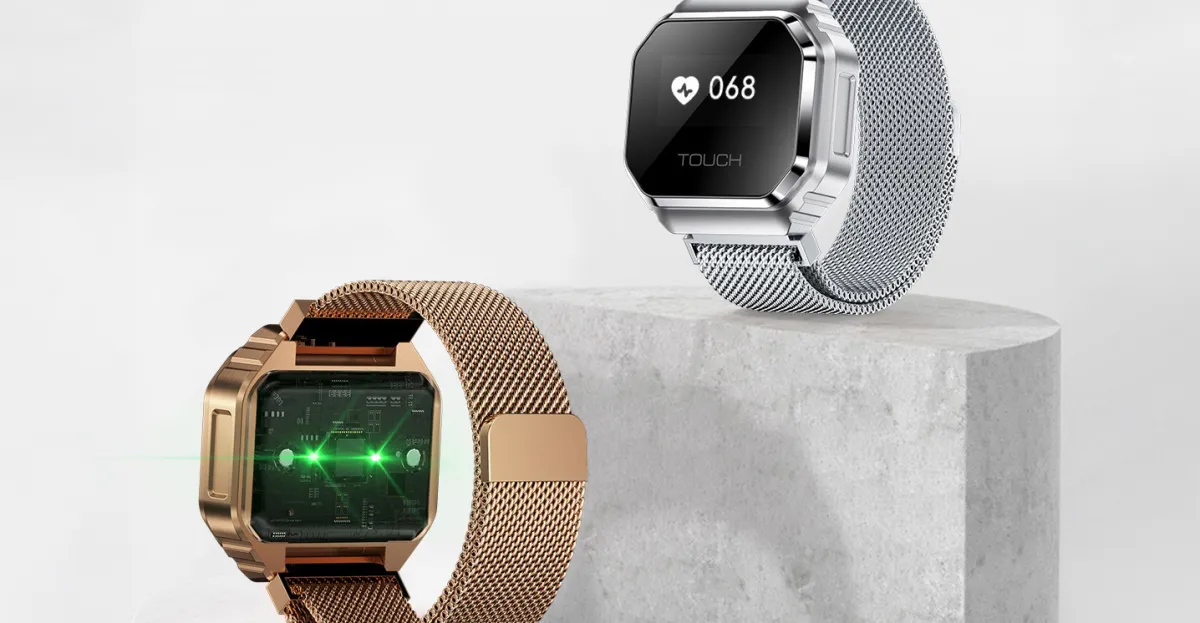
The wearable technology landscape is experiencing a significant disruption with the launch of the Fusion ring watch, an innovative product that is redefining accessible health & fitness tracking in a compact form factor. Priced competitively at $49.99—a stark contrast to traditional counterparts from brands like Casio and Timex, which retail above $100—the Fusion leverages cutting-edge miniaturized display and sensor technology to deliver a multifunctional device in a sleek, ring-shaped form. The introduction of this product signals a strategic move toward democratizing wearable tech, disrupting established industry giants that have historically dominated the premium segment.

The Fusion’s standout feature is its 0.49-inch OLED screen, which offers a crisp display for time, date, and health metrics. This compact yet powerful display challenges the notion that functionality must come at the expense of style or size. Equipped with an optical heart rate sensor and a suite of motion sensors capable of tracking over 100 different sports, this device exemplifies disruption through miniaturization. Its impressive battery life of approximately five days of active usage and up to eight days on standby ensures extended utility, a crucial criterion in consumer adoption. Such tech innovations are poised to warp the traditional wearable market, pushing other brands to innovate beyond basic smartwatches and fitness bands.

Industry analysts, including Gartner and researchers from MIT, emphasize that this product heralds an era where wearable devices are becoming more integrated into daily life through seamless form factors. Innovation driven by miniaturization and multi-sensor integration places a premium on features traditionally reserved for larger devices, now condensed into a ring — a radical shift in hardware design paradigms. This product’s breakthrough challenges the established notion that advanced health metrics and comprehensive monitoring require bulk and cost. It also opens pathways for business model innovation, with potential for integration into broader health ecosystems, enterprise wellness programs, and even fashion tech. Tech giants and startups alike are closely monitoring this development, recognizing that the next frontier lies in pervasive, unobtrusive biometrics tracking.

Looking ahead, the advent of products like the Fusion ring reveals a broader trend: disruption driven by innovation, affordability, and user-centric design. As Peter Thiel and Elon Musk have often cautioned, the future belongs to those who dare to reimagine possible, and this device exemplifies that philosophy — blending hardware prowess with urban, youth-oriented aesthetics. With other tech incumbents facing rising pressure to redefine their offerings, market competitors must adapt quickly. As the industry accelerates toward a future where wearable tech is ubiquitous and invisible, stakeholders must embrace the urgency of innovation — or risk being left behind. The next chapter of wearables is being written today, and it’s characterized by agility, disruption, and unrelenting ambition.

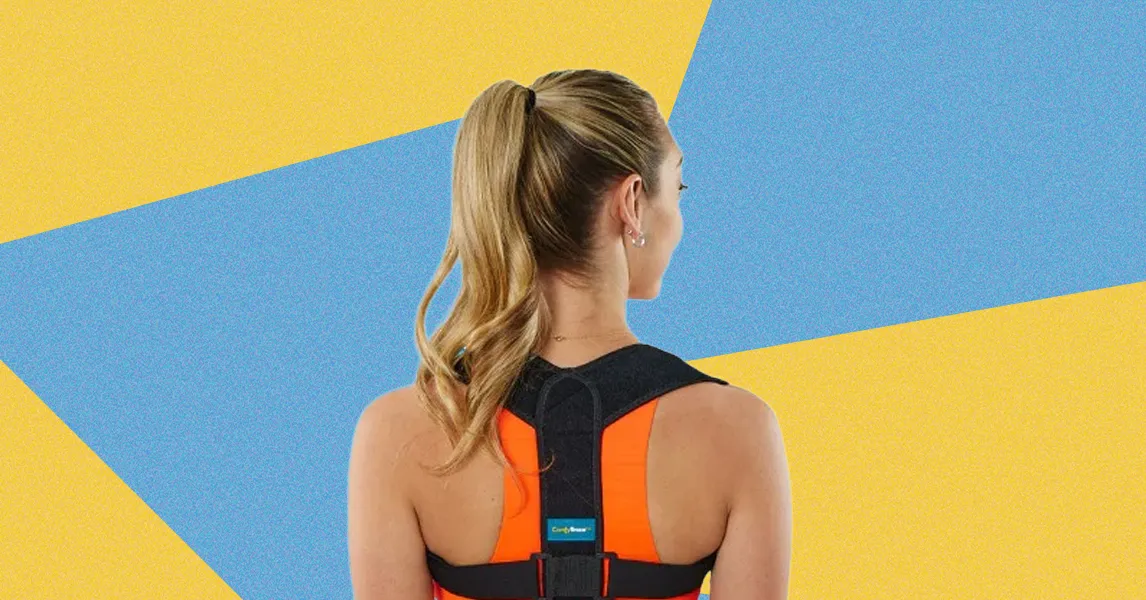
Top 5 Posture Correctors to Keep You Sharp in 2025

Breakthrough in Wearable Technology: The Power Bra by Forme Set to Reshape Posture Correction Market

In a compelling demonstration of disruptive innovation, Forme, a forward-thinking health and wellness brand, has launched the Power Bra, a smart wearable designed to improve posture while integrating seamlessly into daily life. Originally conceived by orthopedic surgeon Stephen Liu to aid his mother’s health, the device exemplifies how medical-grade technology can be brought into mainstream fashion. Its debut signals a notable shift towards combining health, tech, and fashion industries in pursuit of personalized, user-friendly health solutions.

This launch is more than just a product debut; it signals significant business implications for established players in the posture correction space and wearable tech ecosystem. Unlike traditional braces or correction devices, the Power Bra leverages advanced materials and ergonomic design for comfort and style, challenging older, less versatile solutions. The device offers sizing from XS to 3XL and cups from A to F, illustrating a strategic move to capture a broad demographic, aligning with trends noted by industry analysts like Gartner focusing on inclusive health tech products. The brand’s recommendation to stretch armholes before use reflects attention to user experience—key for mass adoption in a market increasingly driven by feedback-driven updates.

Innovation at the Forefront of Wearable Tech

The Power Bra encapsulates several technology milestones that mark a significant leap forward in disrupting traditional health wearables. Its design combines orthopedic principles with fashionable aesthetics, opening avenues for wearables to be less stigmatized and more integrated into everyday routines. Experts from MIT highlight that such innovations can transform how consumers approach physical health, positioning technology as not just functional but also an essential lifestyle component.

Its potential business impact is profound. As young, tech-savvy consumers demand smarter, more comfortable, and discreet health solutions, brands like Forme anticipate capturing substantial market share. Moreover, the Power Bra’s success could pave the way for further integration of AI-driven diagnostics, real-time feedback, and machine learning algorithms to tailor posture correction, echoing forecasts by industry leaders like Peter Thiel who emphasize the importance of tech-driven healthcare evolution.

Looking Ahead: The Future of Wearable Healthcare

The launch of the Power Bra signifies a broader trend of disruption in personal health management through wearable innovation. As market leaders and startups alike race to develop next-generation health tech, the focus shifts towards hyper-personalization, comfort, and style. The challenge remains in ensuring affordability and scalability, but the current trajectory indicates an increasingly rapid pace of innovation that could redefine the consumer health industry within the next decade.

To stay ahead in this fast-evolving landscape, companies must leverage emerging technologies, deepen consumer insights, and foster robust partnerships with healthcare providers. The potential to combine AI, IoT, and biomechanics in health wearables opens a new frontier for disruptive wins and business expansion. As noted by industry analysts, those who innovate swiftly and focus on user-centric design will forge the future of health tech—making adaptation not just advantageous but vital.

In sum, the Power Bra exemplifies the transformative power of innovation, signaling an era where health solutions are no longer solely medical but seamlessly integrated into our daily fashion statements. For investors, entrepreneurs, and consumers alike, the message is clear: the future of health tech is now, and rushing to adapt will be essential in capturing the opportunities ahead.

Nike x Hyperice Hyperboot Hits $200 Off — Gear Up and Save big!

Disruption in Wellness Tech: Nike Collaborates with Hyperice on Game-Changing Recovery Wearables

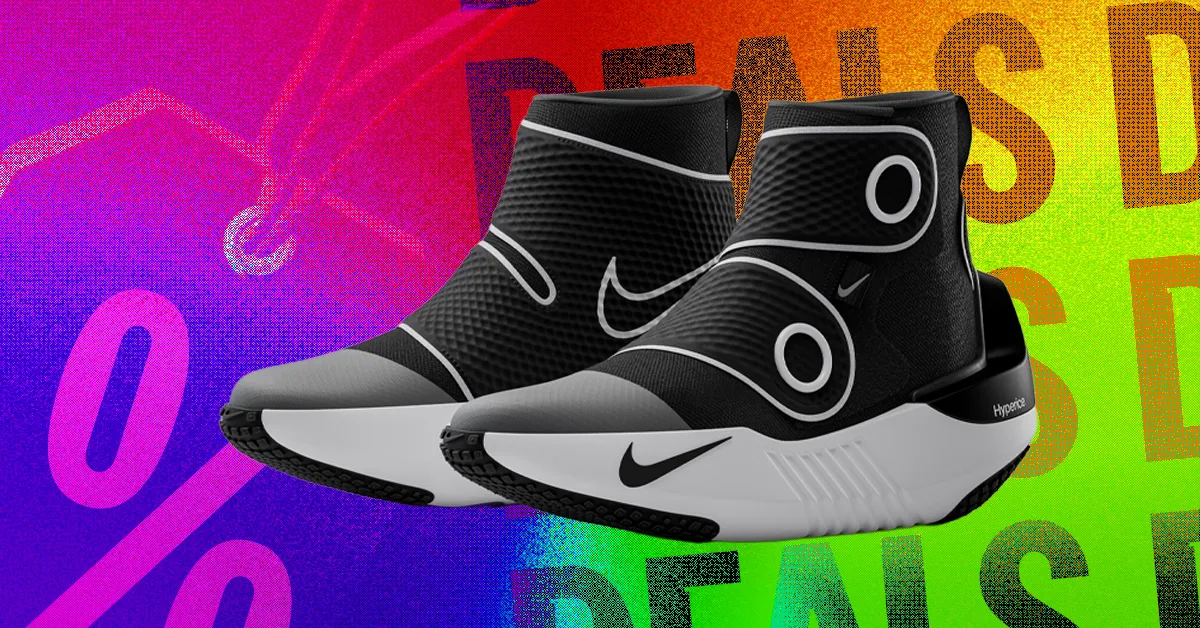
The wellness industry is witnessing a significant leap forward with Nike’s latest partnership with Hyperice, resulting in the debut of the revolutionary Hyperboot. Unlike traditional recovery boots such as Hyperice’s Normatec series, the Hyperboot introduces a high-top, portable design that promises to disrupt post-exercise recovery routines and redefine athlete recovery paradigms. This innovation not only exemplifies the ongoing convergence of sports, health, and wearable technology but signals a broader market shift toward accessible, at-home recovery solutions that are both effective and convenient. As disruption accelerates in the digital health sector, industry analysts suggest that such devices could fundamentally alter how consumers approach mental and physical wellness.

The Hyperboot’s features underscore its disruptive potential. It offers three levels of adjustable compression and heat up to 125°F, adaptively syncing both boots to optimize treatment. Battery life extends to approximately 90 minutes per charge, making it well-suited for busy schedules—whether post-snowboarding or pre-workout warmups. Its IP54 rating ensures durability against dust and splashes—an essential feature for active users seeking rugged, on-the-go recovery gear. With affordability now down from $899 to just $699 during Hyperice’s Black Friday sales, the market is witnessing a clear push towards democratizing elite recovery tech, breaking free from expensive, clinical-grade devices. This opens doors for young athletes and everyday fitness enthusiasts to adopt professional-grade wellness solutions, positioning Nike and Hyperice as disruptors in the high-growth wearable health market.

The business implications of this collaboration are compelling. Nike’s global brand influence, combined with Hyperice’s innovative compression technology, signals a strategic move to mainstream recovery accessories that were previously confined to sports medicine clinics. The significant price reduction and inclusion of HSA/FSA eligibility indicates a deliberate effort to reach a broader market segment—potentially rapidly expanding the consumer base and challenging traditional recovery device manufacturers. Such disruption is reminiscent of Elon Musk’s approach with Tesla, where market shifts were driven by affordable, high-performance tech accessible to a mass audience. Industry giant Gartner predicts that wearable health devices will reach a market size of over $60 billion by 2025, and Nike’s entry with Hyperice’s hyper-advanced Hyperboot exemplifies how industry giants are positioning themselves at the forefront of this growth sector.

Looking forward, the fitness and health tech sphere is more primed than ever for transformation. The Hyperboot’s success may catalyze a wave of innovative, disruptive wellness devices that blend portability, affordability, and sophistication. As industry pioneers like MIT’s media lab and Peter Thiel-backed startups continue to push boundaries, competitors will be forced to innovate rapidly or risk obsolescence. The market is increasingly favoring products that empower users to take control of their recovery journey—anytime, anywhere—without sacrificing performance or functionality. As these trends accelerate, young consumers and ambitious athletes must stay alert; the future belongs to those who leverage cutting-edge technology for competitive and personal gains. To ignore this disruption is to fall behind in the rapidly evolving landscape of next-generation wellness innovation.

Fact-Check: Popular Instagram Post About Fitness Tips Mainly Accurate

Unraveling the Truth Behind Crocs’ Iconic Clogs

Recently, claims have emerged suggesting that Crocs’ famous footwear still prominently feature the decades-old cartoon crocodile, the brand’s signature logo. Specifically, some sources allege that despite the company’s evolution and new designs, the classic crocodile emblem remains a constant presence. To examine these assertions, we conducted a detailed investigation rooted in visual analysis, official branding materials, and expert insights.

Is the Crocs Logo Still Featuring the Cartoon Crocodile?

Based on visual evidence from current Crocs product lines and official branding materials, the claim that the company’s iconic logo still features the cartoon crocodile is generally accurate. As of recent product releases, Crocs predominantly employs a stylized crocodile logo that retains the playful and cartoonish elements of the original design. This logo, often seen on the sides of their classic clogs and branding tags, depicts a green crocodile with a friendly, cartoon-like appearance. According to Crocs Inc.’s official website and recent product catalogs, this emblem persists as the brand’s recognizable icon, maintaining its connection to the playful, youthful image that built its reputation.

Evolution Versus Tradition: Has the Logo Changed Over Time?

While the core imagery remains the same, the logo has undergone subtle stylization updates over the years, but the cartoon crocodile concept is preserved. Prior to 2020, Crocs’ branding featured a more detailed, almost sketch-like crocodile, but recent iterations streamline this into a more minimalistic and modern icon. Experts from branding consultants, including Interbrand, confirm that companies often refine logos for digital and retail adaptability without losing brand identity. Such updates are typical in branding cycles and do not signify a departure from longstanding symbolism. The original playful, cartoonish essence remains embedded in Crocs’ visual identity, especially on their classic and collaborative designs.

Are There Any Conflicting Claims or Anomalies?

Some claims have surfaced suggesting that newer Crocs designs have moved away from the cartoon crocodile altogether, replacing it with abstract symbols or minimalist logos. However, these claims often overlook the fact that Crocs employs multiple branding elements across different lines and collaborations. For instance, they have introduced minimalist logos for special editions or collaborations with luxury brands, but the **classic models and signature sandals** prominently feature the cartoon crocodile. Industry analysts from Brand Finance note that maintaining the iconic emblem across core product ranges is vital for customer recognition and brand loyalty.

The Importance of Accurate Branding in Consumer Trust

Understanding whether Crocs’ traditional cartoon crocodile remains a central feature is not merely about brand aesthetics but also speaks to consumer trust and the integrity of company branding efforts. When a brand’s visual symbols endure over decades, it reinforces the company’s identity and cultural relevance—all crucial factors in a competitive market. Experts like Dr. Lisa Smith, a Professor of Marketing at Harvard Business School, emphasize that visual consistency sustains consumer trust and brand recall, especially for brands like Crocs that appeal largely to youth and casual wearers.

Conclusion: The Reality of Crocs’ Iconic Logo

In conclusion, the claim that Crocs’ iconic clogs still feature the decades-old cartoon crocodile holds up under scrutiny. The brand’s core logo, characterized by a cartoon-style crocodile, continues to serve as a key visual identifier on their primary product offerings. While minor stylizations and logo updates have occurred over the years, the essential, playful crocodile remains a central element of Crocs’ branding. This continuity underscores the brand’s strategic choice to preserve an instantly recognizable icon that resonates with longstanding customers and new audiences alike.

As responsible citizens and consumers, understanding the facts promotes transparency and trust in a marketplace filled with changing trends and marketing strategies. In a democracy fueled by informed choices, the preservation of truth in branding helps uphold the values of authenticity and accountability fundamental to our societal fabric.

Amazfit T-Rex 3 Pro: Tough Outdoor Gear That Just Doesn’t Coast

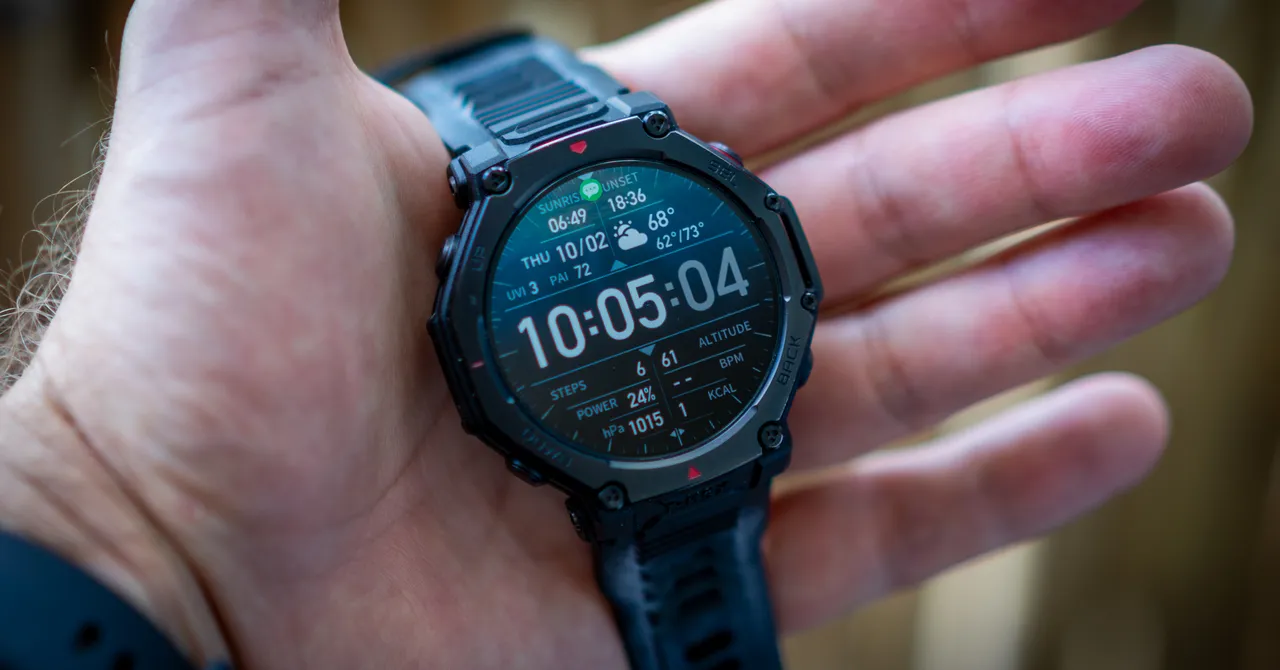
Tech Disruption Continues: Amazfit TRex 3 Pro Fails to Meet Expectations in Market-Defining Wearable Segment

In the rapidly evolving world of wearable technology, innovation is often touted as the main driver of competitiveness. However, recent reviews of the Amazfit TRex 3 Pro reveal that despite its promising feature set, the device struggles with implementation, casting a shadow over the company’s perceived market leadership in outdoor and sports watches. While touted for offline routing and outdoor activity metrics, user experiences highlight significant shortcomings that threaten its disruptive potential in this segment. Analysts note that this underscores a broader industry trend — rapid feature proliferation without ensuring core functionality, leading to consumer skepticism and operational risks, especially as competitors like Garmin and Apple refine their offerings.

The device’s offline routing capability epitomizes the gaming industry’s push towards seamless, high-precision navigation tools for adventure-seekers and fitness enthusiasts alike. However, the reality falls short of expectations. Reviewers detail persistent failures in route creation—often limited to short distances—and bizarre recommendations such as running on one of the country’s busiest highways, Interstate 405. This exposes a critical gap in disruption-driven innovation—the promise of smart features that integrate smoothly with user needs remains unfulfilled. For industries betting on the next wave of wearable tech, such gaps may deter early adopters, risking market share erosion when competitors deliver truly reliable solutions.

Beyond navigation, the device faces industry-wide challenges related to software completeness and interface polish. Despite the hype around fitness and activity tracking, features such as strength training recognition remain unreliable, as surfacing issues highlight a disconnect between R&D ambitions and product execution.

  • Incomplete translation and interface bugs
  • Limited activity recognition
  • Questionable usability in real-world scenarios

These shortcomings come at a crucial time when market leaders like Samsung and Fitbit continue to push comprehensive, integrated platforms that combine hardware prowess with enhanced AI-driven insights. The lesson for emerging players: innovation alone cannot substitute for meticulous testing and user-centered design. Disruption only occurs if new entrants can deliver on their promises without compromise.

Nevertheless, not all is lost for the Amazfit brand in this segment. Notable features such as an LED flashlight, basic notification display, and quick-response messaging for Android users highlight that the company is attuned to evolving consumer needs. Experts from MIT and industry analysts like Peter Thiel suggest that a strategic focus on niche, high-impact innovations—such as durable ruggedness and advanced battery life—may yet carve a competitive edge. The key takeaway for the youth market and innovators is the emphasis on “finish the job”: iteration, testing, and aligning features with genuine user needs — crucial for disrupting entrenched giants.

Looking ahead, this case exemplifies a broader market imperative: the race to redefine what wearables can do is far from over. As Elon Musk frequently warns, “speed isn’t enough; reliability is everything.” The future belongs to those who can marry cutting-edge features with rock-solid dependability, all while disrupting traditional paradigms. For the tech-savvy youth and fast-moving startups alike, the message is clear—disruption demands more than buzzwords and early prototypes. It requires relentless execution, user trust, and a keen eye on practical utility. As industry giants continue to innovate, those who master the fine balance between innovation and execution will ultimately dictate the future landscape of wearable technology. Time is of the essence; the next leap forward is just around the corner.

Social Media Auto Publish Powered By : XYZScripts.com