Matox News

Truth Over Trends, always!

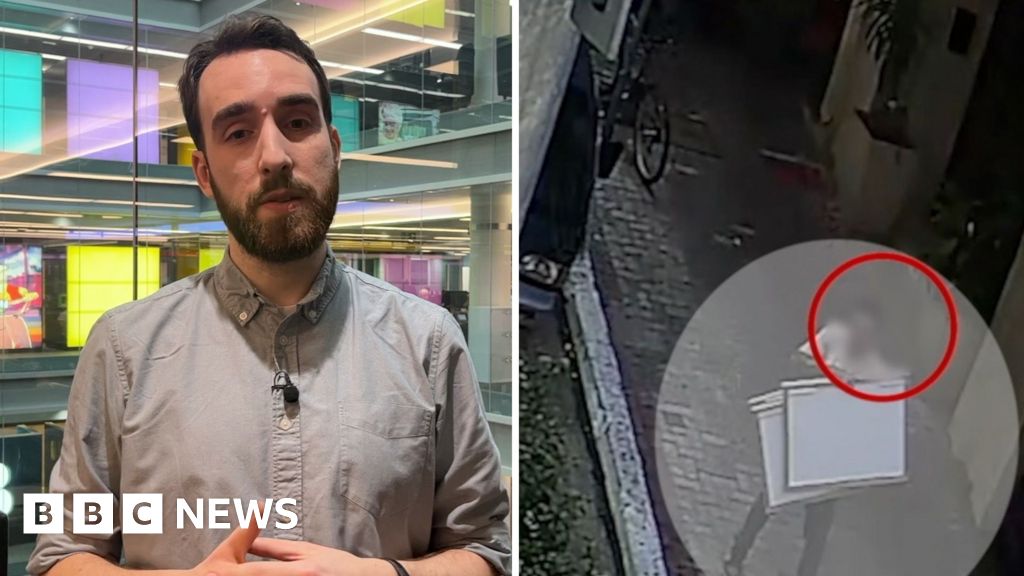
CCTV captures suspects fleeing on foot with stolen art—time for tougher crime crackdown

The recent theft of at least 13 priceless artworks from a library in São Paulo, Brazil, has sent shockwaves through the international art community and raised serious questions about security and geopolitical stability. Among the stolen items are eight engravings by the renowned French artist Henri Matisse, reflecting the cultural loss not only for Brazil but for the global heritage. The audacity and sophistication of the heist highlight a disturbing trend in transnational art theft, a crime that not only robs societies of their history but also fuels the black market on an international scale.

Authorities confirmed that they have located the “escape vehicle” linked to the crime and have arrested one suspect, yet the stolen artworks remain at large. Cooperation with Interpol underscores the severity of the case, as officials work tirelessly to recover the pieces before they are smuggled beyond national borders. Analysts warn that such thefts are often interconnected with larger networks operating across continents, shifting the balance of cultural influence and economic power. This incident serves as a stark reminder of the vulnerabilities faced by cultural institutions worldwide amid rising organized crime and a lack of robust security measures. As Brazilian law enforcement and international agencies collaborate, questions linger over the sophistication of the theft—was it merely a localized crime or part of a broader pattern involving transcontinental trafficking networks?

The unfolding situation highlights *how decisions made at the international governance level, such as border security and cooperation protocols, directly impact local and national efforts to safeguard cultural treasures*. According to international security experts, the theft underscores the necessity for stronger collaborations and technological innovations in protecting vital cultural assets. The incident also exposes the vulnerabilities of even seemingly secure cultural repositories in rapidly developing countries, where the appeal of black-market art trade continues to grow. Historians and analysts emphasize that this pattern, if unchecked, could result in irreversible losses of humanity’s shared cultural history, eroding the collective identity of nations and societies.

As the crisis unfolds, Brazil faces a pivotal moment that could influence regional stability and international norms surrounding cultural preservation. The compromised security at São Paulo’s library not only exemplifies the danger posed by organized crime but also raises urgent questions about how nations can protect their most precious cultural assets in an increasingly interconnected world. What remains at stake is not just a collection of artworks, but the integrity of history itself—an ongoing struggle where the stakes grow higher with each passing day. The world watches, and history hangs in the balance, waiting to see if justice and cultural recovery will triumph over the shadows cast by this audacious heist—one that may just rewrite the narrative of international cultural security forever.


Teen 'Slender Man' attacker Morgan Geyser caught after fleeing custody
Teen ‘Slender Man’ attacker Morgan Geyser caught after fleeing custody

In recent years, young individuals across the globe have become entangled in developments that underscore the fragility of societal safety nets and the influence of digital folklore. The case of Morgan Geyser, the 23-year-old involved in the infamous 2014 Slender Man stabbing, exemplifies how online mythologies can transcend virtual boundaries, inspiring real-world violence that shocks entire nations. Her escape from a group home in Wisconsin, and subsequent arrest at a truck stop in Illinois, serve as a stark reminder that the confluence of mental health challenges, youthful impressionability, and digital subcultures demands urgent international policy attention.

  • The attack was carried out by Geyser and her childhood friend, Anissa Weier, both aged 12 at the time, motivated by stories from creepypasta—the internet’s dark folklore describing the shadowy figure known as Slender Man.
  • Geyser was sentenced in 2018 to 40 years in a mental hospital—an outcome that reignited debate over juvenile justice, mental health treatment, and the influence of cyberspace on impressionable minds.
  • Her recent attempt to flee detention highlights the ongoing security and societal risks posed by individuals who have been conditionally released, especially when societal cohesion is strained by misinformation and the unchecked spread of fringe narratives.

This incident underscores a >concerning trend recognized by international organizations such as the United Nations, which warns that digital ecosystems can radicalize youth and obscure the line between myth and violent reality. Historians and analysts have long debated whether modern media amplify youthful vulnerabilities or simply reveal existing societal fissures. The Geyser case starkly exemplifies the <psychological toll> of digital mythology, which can distort perceptions of reality, especially among the most impressionable. Many experts argue that the online environment, unlike traditional folklore, is less regulated and more potent in shaping dangerous beliefs—an aspect nations worldwide are now grappling with.

The geopolitical impact of such incidents extends beyond criminal justice. They highlight potential vulnerabilities in national security frameworks, as online subcultures and misinformation networks can proliferate violent ideas across borders without regard for state sovereignty. Some international security agencies are advocating for strengthened cooperation to monitor and counteract the spread of harmful narratives that could incite violence, emphasizing the need for a coordinated approach that involving technological, educational, and legal measures. As nations prioritize these strategies, the consequences of their decisions—whether stronger mental health initiatives or internet regulation policies—will have lasting effects on how societies manage youth wellbeing and digital literacy.

In the broader context of an increasingly interconnected world, the Geyser case is a stark chapter in a narrative still being written. It reminds policymakers, communities, and families that the digital age demands vigilant stewardship of the minds of future generations. History will judge whether decisive, collaborative action can stem the tide of such tragedies or whether mankind will continue to watch helplessly as the line between myth and reality blurs in the chaos of a digital dawn—not with hope, but with the weight of the lessons lost and the future yet to be shaped.

Social Media Auto Publish Powered By : XYZScripts.com


