Matox News

Truth Over Trends, always!

FAA greenlights new rule giving flight attendants more downtime — a win for crew wellness and fly crew freedom

Restoring Balance in the Skies: Flight Attendants’ Push for Better Rest

In a significant shift toward enhancing aircrew well-being and ensuring safer skies, federal aviation officials have announced a new regulation that mandates increased rest periods for flight attendants. The updated rules now require a 10-hour rest window between shifts, a notable increase from the previous nine-hour requirement. This change comes amidst growing concern over the intense fatigue and overwork faced by crew members, especially during a time when the aviation industry is rebounding from pandemic setbacks. As seasoned advocates like Sara Nelson, president of the Association of Flight Attendants-CWA, highlight, “It’s about time! As aviation’s first responders and last line of defense, it is critical that we are well rested and ready to perform our duties.” This statement underscores how crucial adequate rest is to both safety and operational efficiency, particularly in today’s fast-paced travel environment.

With increased demand following the easing of COVID-19 restrictions, flight crews have been under unprecedented pressure. Anecdotal reports describe crew members sprinting through airports after delays, trying to make tight connections—despite working shifts that stretch as long as 14 hours. Such demanding schedules, coupled with intense passenger interactions and the unpredictable nature of air travel, have only compounded fatigue levels and illness among crew members globally. The recent rule change is viewed in many circles as an overdue correction to an industry that has often prioritized efficiency over crew morale and safety. The new regulation, which was first approved by Congress in 2018 but delayed under the Trump administration, finally reflects a collective push from unions and safety advocates demanding regulatory reform.

Beyond the practical benefits for safety and health, this regulatory change resonates on a cultural level, emphasizing the importance of wellness and self-care in an industry often characterized by relentless schedules. As wellness experts like Dr. Andrew Weil and others argue, sustainable work habits—especially in high-stakes environments—are vital for professional longevity and personal health. The move also signals a broader shift in the modern lifestyle, where greater awareness of mental and physical well-being influences policy and corporate culture alike. For young professionals within the airline industry, the message is clear: safeguarding your health isn’t just about work-life balance anymore; it’s a fundamental component of your career resilience and overall quality of life.

  • Prioritize quality sleep during rest periods to rejuvenate both body and mind.
  • Stay informed and actively participate in union or industry discussions to advocate for better conditions.
  • Embrace wellness routines that include stretching, hydration, and mental decompression, especially after long shifts.

As aviation executives and unions navigate these new regulations, the hope is that a renewed focus on crew welfare will foster a more sustainable working environment. For the young, ambitious traveler and professional alike, this development reminds us that progress often begins with recognizing the importance of balance and self-care. The journey of a lifestyle is not merely about reaching destinations but about embracing the experiences that nourish us along the way. In a world that is increasingly driven by relentless progress and innovation, the steady pursuit of well-being becomes an inspiring testament to the resilience of the human spirit—a reminder that sometimes, the most courageous act is to prioritize oneself amid the demands of modern life.

Brazil’s Former President Detained as Authorities Flag Flight Risk

The recent arrest of Jair Bolsonaro, the controversial former Brazilian president, marks a pivotal moment in Brazil’s tumultuous political landscape and signals a potential shift in Latin American geopolitics. Convicted of plotting a military coup aimed at seizing power after his electoral defeat in 2022, Bolsonaro’s detention has ignited both support and condemnation among international observers. The Supreme Court Justice Alexandre de Moraes justified the move by citing the risk of Bolsonaro fleeing—highlighting how state security measures are increasingly intertwined with political vendettas in a region grappling with political polarization. As Bolsonaro’s supporters gather en masse, the full geopolitical impact of this crisis remains uncertain, yet fundamental questions surrounding national sovereignty and regional stability are now at the forefront.

Bolsonaro’s conviction, which led to a sentence of over 27 years, centered on his alleged role in orchestrating a conspiracy to subvert democratic processes. Notably, courts accused him of inciting violence during the assault on government institutions on 8 January—an event widely condemned as a direct consequence of his rhetoric. Leading international organizations have expressed concern, warning that such actions threaten the fragile democratic fabric of Brazil. Renowned analysts warn that his detention and the subsequent crackdown could further polarize the nation, risking destabilization in the region and inspiring like-minded populist movements across Latin America. Meanwhile, the United States, under the rhetoric of trade sanctions and diplomatic caution, has observed these developments with a mix of apprehension and strategic calculation, aware that Brazil’s stability is a cornerstone for regional influence and global trade routes.

Moreover, the detention of Bolsonaro has a broader international dimension, symbolizing a clash between old-world populism and emerging forms of governance in the 21st century. His legal team challenged the custody measures, emphasizing that “supporters are willing to fight for democracy,” even as the court warned that the former president posed a serious flight risk. The specter of Bolsonaro seeking asylum at foreign embassies, notably in the U.S., underscores the potential for diplomatic flashpoints. Such threats not only complicate Brazil’s internal affairs but also ripple into U.S.-Brazil relations, with implications for trade, diplomacy, and regional alliances. International organizations, including the OAS, have called for calm, but the underlying tensions reveal a deep fissure—one that could define Brazil’s political trajectory for years to come.

As Brazil stands at this crossroads, historians note that the unfolding events echo past crises that have shaped the modern world—moments where the fight for democracy clashed with authoritarian impulses. The decision to imprison Bolsonaro, taking into account his role in inciting violence and attempting to destabilize the government, could serve as a precedent on how emerging democracies confront populist insurgents. Yet, the potential for unrest remains significant, as Bolsonaro’s supporters prepare to rally in his favor. This confrontation will test the resilience of Brazil’s institutions and the international community’s ability to prevent a descent into chaos. In this moment, history continues to write itself—reminding us that the fate of nations often hinges on choices made not just in courts but in the hearts and minds of their people, with each step edging closer to a new chapter in the ongoing saga of liberty versus tyranny.

Emirates cargo flight veers off runway into sea at Hong Kong Airport, raising safety concerns

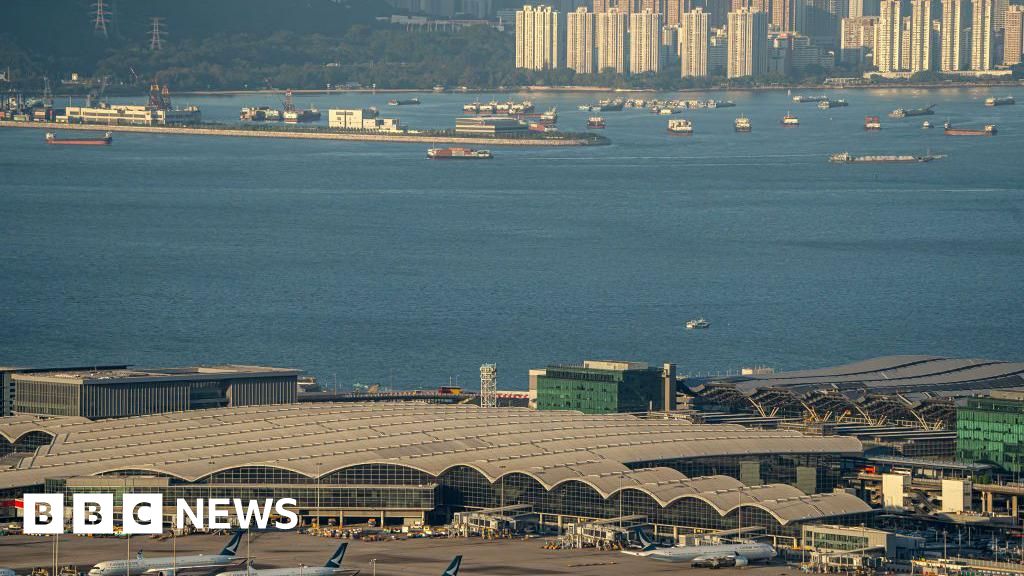
In a startling event that underscores the delicate balance of global transportation, a cargo plane has tragically skidded off the runway at Hong Kong International Airport, resulting in the loss of two ground staff members and highlighting the persistent risks faced by international hubs. The incident involved Emirates flight EK9788, operated by Aerotranscargo, which was arriving from Dubai early in the morning, around 03:50 local time. Reports indicate that the aircraft collided with a ground vehicle on the north runway, an area critical for the city’s freight and passenger operations, illustrating how even the most meticulously maintained facilities can face unforeseen calamities.

This accident arrives at a crucial juncture for Hong Kong as it struggles to maintain its status as a premier global transit centre amidst geopolitical upheaval and economic shifts. The airport’s closure of the affected runway—though the remaining two continue to operate—raises questions about the resilience of one of the world’s busiest airports. Analysts, including aviation safety experts from ICAO, emphasize that such incidents, while rare, can have ripple effects straining supply chains and logistical networks vital for regional stability. Many see this as a turning point, a stark reminder that even in a city famous for efficiency, the risks of transportation accidents remain ever-present.

The immediate response involved rescue operations by the Hong Kong Government Flying Service and Fire Services vessels, which coordinated above and below the ground to recover the crew and the ground personnel who fell into the sea. Unfortunately, the two staff members ultimately succumbed to their injuries, a tragic outcome that shines a light on the perilous nature of airport ground work. In the aftermath, authorities are set to hold a press conference at 10:00 local time, where safety investigations will undoubtedly dominate discussions. Such incidents often spark broader debate about international standards for airport safety, especially in politically sensitive regions where security and efficiency are intertwined with economic destiny.

Importantly, this event is more than a local tragedy; it operates within the larger geopolitical context of increasing tensions and shifting alliances. Hong Kong, once a renowned global trade hub, faces mounting pressure from Beijing’s grip alongside international scrutiny. The incident also prompts questions about how such crises are managed amidst escalating geopolitical stakes, where every safety lapse can be exploited to forge narratives of instability or neglect. Historians and international observers argue that it is moments like these — when human tragedy collides with geopolitical realities — that define the future of global aviation security and regional cooperation.

As the world watches, the fate of Hong Kong International Airport‘s corridors of commerce hangs in a fragile balance. The incident serves as a stark reminder that, beneath the surface of technological marvels and economic competitiveness, the human element — often for those working tirelessly behind the scenes — remains vulnerable. The weigh of history presses down, and the question remains: will this tragedy catalyze a renewed push towards safety and resilience, or will it fade into another chapter of transitory setbacks in a city that has, time and again, defied the odds? The answer, as with so much of the unfolding story, is yet to be written, but the echoes of this event will no doubt resonate through the corridors of power and policy for years to come.

US Defense Secretary Pete Hegseth’s Flight Lands Safely in UK After Unscheduled Stop

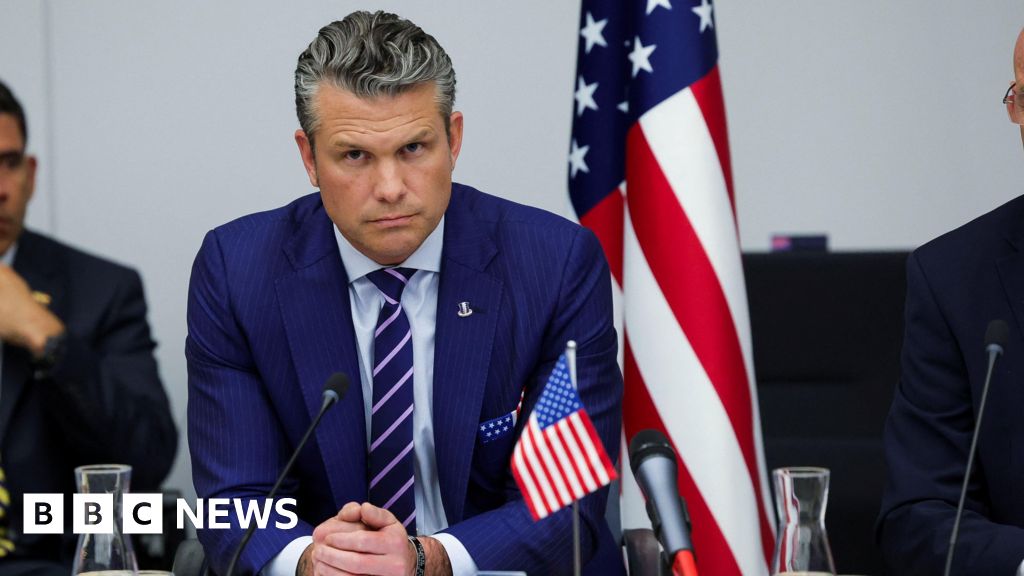
In an unfolding incident with significant geopolitical repercussions, US Secretary of Defence Pete Hegseth’s aircraft made an unexpected emergency landing during a return flight from a NATO Defence Ministers’ meeting in Belgium. The Pentagon confirmed that the aircraft, en route back to the United States, experienced a crack in the windshield, prompting standard safety procedures and a precautionary landing in the UK. Despite the sudden turn of events, officials assured the public that all onboard, including Hegseth, are safe.

This incident underscores the increasing vulnerability of high-profile government assets during a period of heightened international tension. Tracking by BBC Verify, combined with FlightRadar24 data, revealed that the aircraft began losing altitude off the southwest coast of Ireland, before looping eastward. The aircraft’s transponder then issued a “7700 squawk code,” a universal signal among aircraft indicating a general emergency. Such protocols reveal how fragile even the most secure operations can be when hardware failures occur unexpectedly—a fact new to international observers addressing the risks of global leadership. In February, a similar crisis unfolded when a government plane carrying Secretary of State Marco Rubio was forced to turn back due to a crack in the cockpit window, illustrating a disturbingly recurring issue with safety standards in high-stakes air travel.

The international significance of these events extends beyond mere technical failures; they highlight the imperative for robust security and safety protocols amidst a rapidly evolving geopolitical landscape. The NATO defence meeting in Belgium, which was focused on security assistance for Ukraine, marks a critical phase where alliances are tested and various nations argue over support strategies. The United States, as a leader within NATO, bears the weight of maintaining both military readiness and diplomatic credibility. Analysts warn that such technical mishaps, if frequent or perceived as downgrades in preparedness, could diminish trust among allies and embolden adversarial blocs that seek to exploit perceived vulnerabilities. For many historians and security experts, these incidents serve as stark reminders: in today’s volatile world, one misstep can ripple across continents, altering the balance of power.

As the aircraft safely touched down in the UK, the incident remains a vivid emblem of today’s unpredictable global stage. The image of a top US defense official’s plane grappling with technical failure amid international crises leaves an indelible mark on the collective consciousness. With nations eyeing each other warily, and the specter of conflict lingering over fragile peace agreements, these moments become more than mere technical anomalies—they are a testament to the mounting pressures on the machinery of global security. As history continues to unfold, the question remains: how many more crises will test the resilience of our alliances, and at what point will the cracks in the global order become impossible to conceal? The answer—like the fragile windshield of Hegseth’s plane—remains unseen but undeniably imminent, waiting to shape the course of history yet to be written.

Virgin’s Bold New Flight: Boeing 747 Prepares to Launch Rockets into Space

In recent years, space exploration has shifted from the realm of government-initiated missions to becoming an accessible frontier for innovative private companies. The United Kingdom, historically not a major player in space endeavors, is now making notable strides with the development of its first orbital spaceport at Newquay. This evolving landscape signals a day when space launches are not solely conducted from remote, government-controlled sites but can happen closer to home, transforming our perspective on leisure, economic growth, and personal impact.

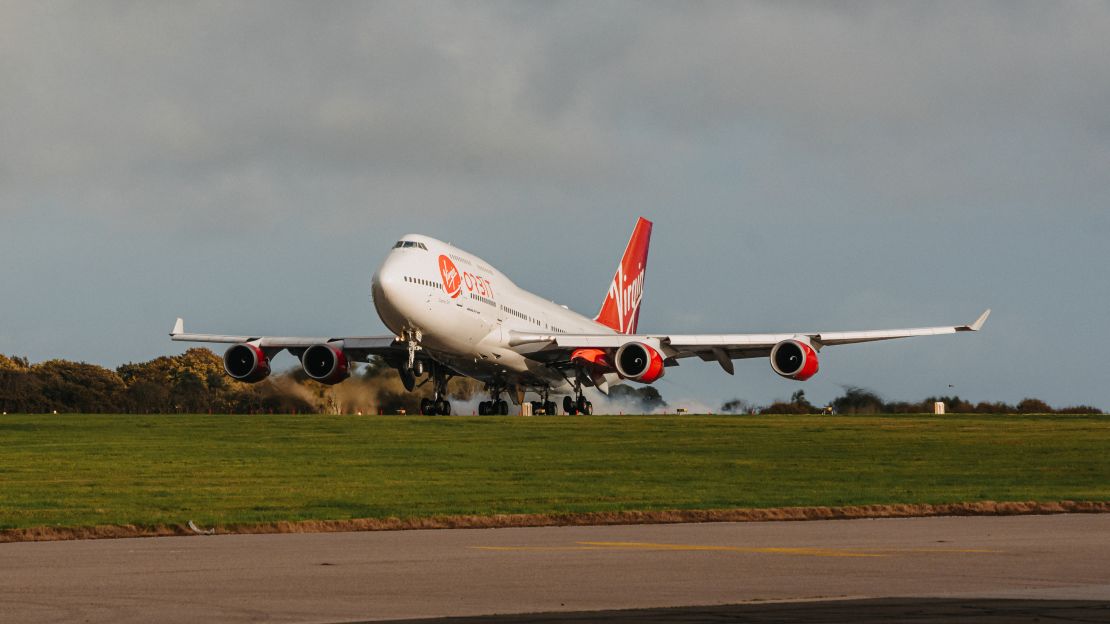
Central to this movement is Virgin Orbit, a company founded by Sir Richard Branson, which has pioneered the use of modified aircraft—most notably its aircraft Cosmic Girl—to launch small satellites into orbit. Reimagining the traditional ground-based launch system, Virgin Orbit employs a unique horizontal launch method, where the 747 aircraft carries the rocket to high altitude before release. This approach broadens the potential orbits and access points, offering a more flexible and cost-effective path into space. For young people inspired by the stars and technology, this sequence represents a monumental shift: space is now within reach, not just for scientists and astronauts but for entrepreneurs and everyday explorers alike.

Witnessing this revolution firsthand, locals near Newquay have had the chance to watch the spectacle of Cosmic Girl take off and return, marking a milestone for European space endeavors. As Virgin Orbit prepares to launch its first UK mission next month, the event stands as the first international launch from Europe in decades. The mission involves launching seven satellites, compact payloads that will orbit Earth, facilitating everything from weather monitoring to global communications. This development elevates the UK’s position in the future of global connectivity and _technology-driven innovation_, inspiring a new generation of engineers, scientists, and entrepreneurs to think beyond terrestrial limits.

Moreover, the infrastructural and technological groundwork laid at Spaceport Cornwall demonstrates that the future of space exploration is shaping right here on Earth, in vibrant communities eager to participate in the @newspace. Virgin Orbit’s recent rehearsal flights and ground operations showcase how public-private partnerships are revolutionizing access to space, making it more than just science fiction. Looking ahead, Virgin Orbit has plans to extend this horizontal launch model to countries such as Australia, Japan, Brazil, Poland, and the Republic of Korea. For the ambitious youth of today, this signals an expanding horizon—where borders become less relevant and innovative spirits define the new age of exploration and discovery.

As the journey into space accelerates, it’s vital to reflect on how these advancements impact personal health, leisure, and vision. Space technology fuels communications, weather forecasting, and even environmental monitoring—areas that directly influence our daily lives. For young explorers fueled by curiosity, the emerging space industry is not only about reaching new frontiers but also about learning how to shape a sustainable, connected future. The story of Cosmic Girl taking flight from Cornwall encapsulates this spirit—a testament to human ingenuity, resilience, and the unwavering desire to reach upward.

In the grand narrative of progress, the ongoing development of UK-based space launch capabilities invites each of us to embrace the possibilities. The narrative is no longer confined to distant stars or government agencies; it is happening here, in communities and workplaces, sparking a sense of pride and purpose. Like the seasoned pilot Matthew Stannard remarked, “It feels amazing to bring Cosmic Girl home to the UK”—a sentiment echoing across the industry. As we look to the sky, this evolving story reminds us that exploration is a personal journey—an adventure in innovation and hope, urging every young mind to dream beyond the horizon and realize that the future is waiting to be shaped by those brave enough to pursue it.

Local Dad Turns Backyard into Flight Deck, Builds Family’s Own Plane for Endless Adventures

Embracing Freedom: The Journey from Hobbyist to Homebuilt Pilot

In an era where personal achievement intersects with notions of independence and self-reliance, a rising movement among adventurous youth is redefining what it means to live life on your own terms. A compelling example emerges from the UK, where mechanical engineer Ashok Aliseril Thamarakshan transformed a simple passion for aviation into a life-defining project — building his own aircraft during the challenging months of the COVID-19 pandemic. This story isn’t just about aviation enthusiasts; it’s an emblem of how shift in lifestyle values can lead to extraordinary experiences, driven by a desire to connect more intimately with the skies and one’s community.

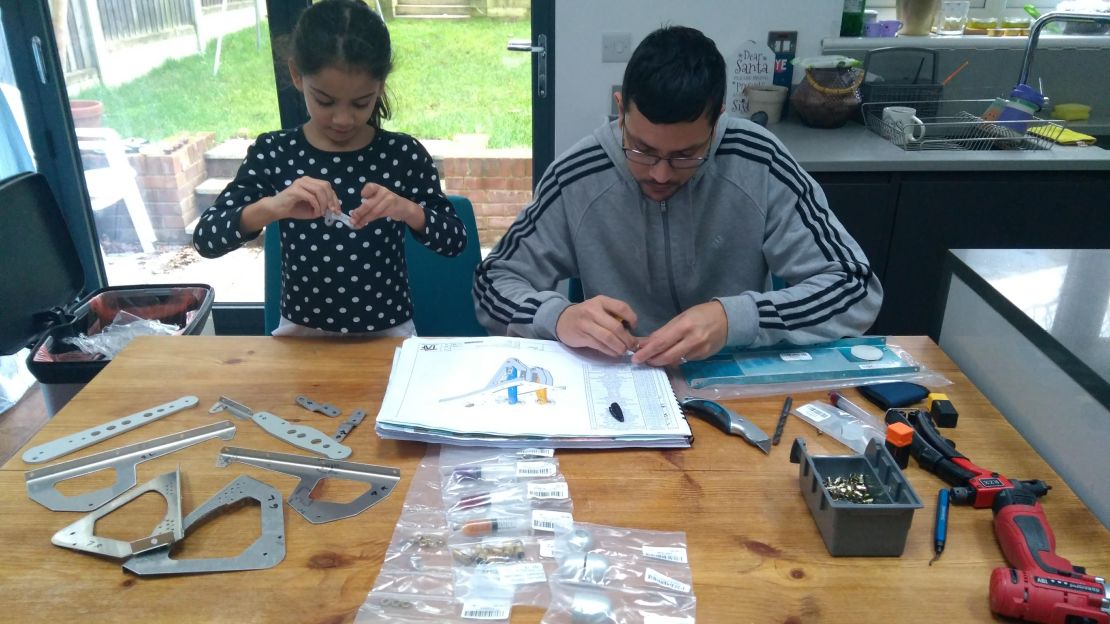
Aliseril’s journey began when proximity to an airfield in Essex sparked his curiosity about flying. What started as a birthday gift — a 30-minute flight experience over the Isle of Wight — ignited a profound sense of possibility in him. Motivated by the thrill of liberty that flying offers, he secured a private pilot’s license in 2019. From there, his explorations extended beyond mere flights; he sought a deeper understanding of aircraft by embarking on a ambitious self-assembly project. His choice to build a Sling TSi”— a four-seater kit plane — exemplifies a growing trend among young followers of the maker movement: turning construction into a lifestyle of pursuit and mastery.

The pandemic, rather than halting his ambitions, became an accelerator. With restrictions in place, Aliseril dedicated over 18 months to constructing his aircraft in a self-made shed in his backyard. This decision was fueled by a desire for full control and comprehension of every aspect of his plane, emphasizing the importance of knowledge and responsibility in aviation. His experience as an engineer, coupled with his home improvement skills, made him confident in building from detailed instructions and working with specialized tools—making the dream of flying his own aircraft not just a possibility, but a reality grounded in resilience and craftsmanship.

Building Community and Personal Freedom

One of the most inspiring aspects of Aliseril’s journey is the sense of community that aviation fosters. He notes that many in his circle are retirees or individuals with the financial ability to undertake such projects, creating a close-knit community that shares a common passion. The social benefits extend beyond merely sharing flights; the friendships forged among private pilots form a kind of modern brotherhood of explorers. For Aliseril, this community enhances both personal growth and safety, providing a buffer of collective experience and camaraderie in pursuit of individual adventure.

Cost considerations—often a concern among young enthusiasts—are increasingly mitigated by shared ownership models and the affordability of modern kit planes. With total expenses for the build approximating the cost of an SUV, many see it as an eye-opening opportunity: a pursuit that combines affordable luxury with long-term value. His experience underscores that a passion for flight can become accessible beyond regional elites, fostering a new generation of pilots who prioritize hands-on engagement and self-sufficiency.

As Aliseril’s story reveals, embracing a lifestyle of self-built achievement does more than deliver personal freedom; it challenges traditional notions of expertise and wealth, proving that with determination coupled with community support and careful planning, the sky is truly within reach. His journey from a curious engineer to a pilot who has flown over 300 hours, crossing over to countries like Norway and even traveling to France, embodies the spirit that underpins a generation eager to carve out its own path.

Ultimately, life is an ongoing voyage—one that invites each of us to define our own horizon. Whether it is learning to fly, building a craft, or simply seeking moments of meaningful adventure amid the hectic pace of modern life, these stories remind us that the true destination lies in embracing our capacity to create, explore, and connect. For the young and restless, the sky isn’t the limit; it is the opening chapter of an extraordinary journey.

Social Media Auto Publish Powered By : XYZScripts.com