
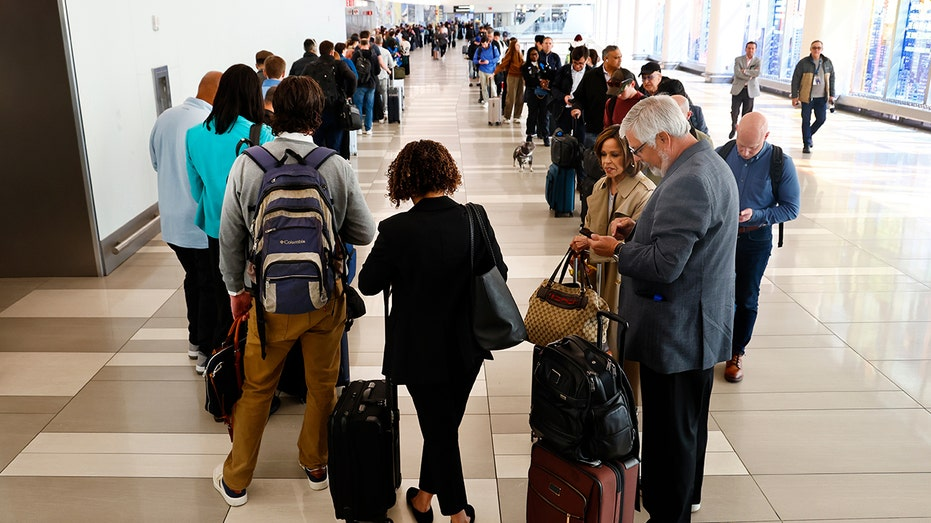

The Federal Aviation Administration (FAA) is pioneering an artificial intelligence solution designed to tackle one of the most persistent issues in air travel: flight delays. The new system, known as Strategic Management of Airspace Routing Trajectories (SMART), uses advanced AI algorithms to predict congestion weeks ahead and make subtle schedule adjustments early enough to prevent bottlenecks.
With the nation’s air traffic control infrastructure long overdue for modernization, this ambitious project represents a critical step toward a more efficient and reliable aviation network.
How SMART Works to Prevent Delays
Unlike conventional approaches that react to problems once they arise, SMART aims to anticipate trouble spots in the airspace. By analyzing flight patterns far in advance, the AI can recommend minor timing shifts—such as moving a departure five to ten minutes earlier or later—that cumulatively alleviate pressure on busy air corridors.
These incremental adjustments might seem trivial in isolation, but across thousands of flights daily, they can significantly smooth out traffic flow and reduce the cascading effects of weather or operational disruptions.
Industry Collaboration and Investment
The FAA is collaborating with several leading private sector firms experienced in data analytics and aviation systems to develop SMART. Palantir Technologies, known for its expertise in complex data integration, has publicly confirmed its involvement in crafting the system’s analytic capabilities.
This partnership reflects a broader trend of leveraging private innovation to bolster public infrastructure. However, the undertaking is costly, with estimates placing the project’s budget around $12 billion—a substantial investment within a multi-billion-dollar modernization initiative for national air traffic control.
Challenges and Expert Perspectives
While the technical promise of SMART is substantial, experts remain cautiously optimistic about the system’s real-world impact. Skeptics question whether the AI can account for the myriad unpredictable variables—including weather, technical malfunctions, and human factors—that often trigger delays.
Ensuring seamless integration with existing air traffic management and securing buy-in from all aviation stakeholders will be essential to realizing the system’s full potential.
“The FAA’s AI system could spot problems weeks in advance, smoothing schedules before delays stack up,” Transportation Secretary Sean Duffy said, underscoring the urgency for upgrading America’s air traffic infrastructure.
Looking Ahead: A More Predictable Airspace
As air travel demand grows and the complexity of managing crowded skies intensifies, solutions like SMART offer a path forward. By harnessing AI, the FAA aims to bring order to a system strained by rising traffic and aging technologies.
Although challenges remain, the initiative embodies the kind of forward-thinking, market-driven innovation necessary to sustain the nation’s aviation leadership and safeguard the efficiency critical to commerce and family travel alike.







