Matox News

Truth Over Trends, always!

Gazans suffer as peace plan stalls, leaving flood victims stranded

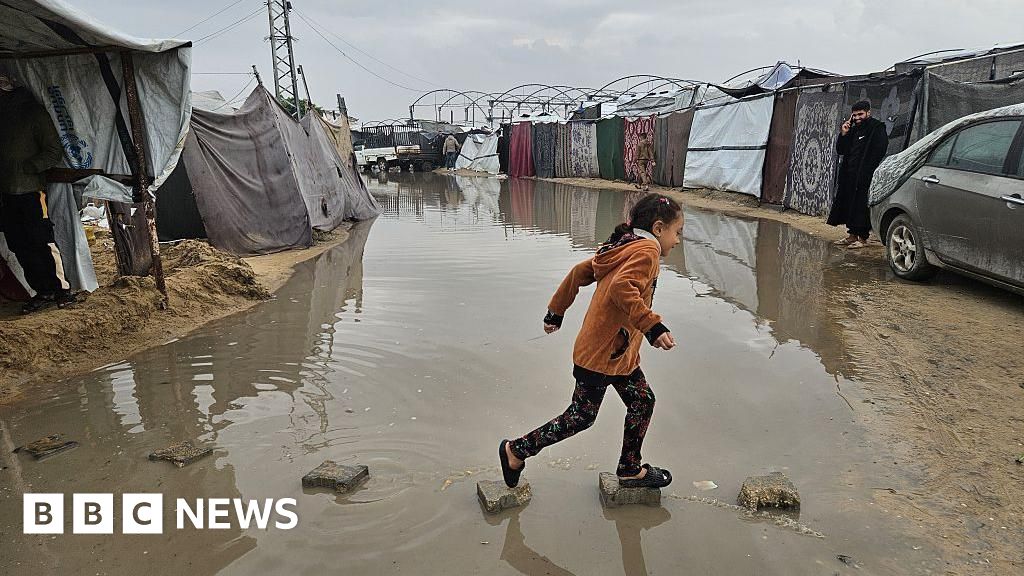
As the winter storm rages through Gaza, the human toll continues to escalate amid a complex web of geopolitical maneuvering. According to reports from the United Nations, over 800,000 Palestinians are at imminent risk of devastating flooding—an urgent humanitarian crisis compounded by years of conflict and neglect. Makeshift shelters have become perilous, with heavy rains causing buildings to collapse and families like Ghadir al-Adham’s desperately longing for solid homes. This unfolding tragedy underlines the fragile state of Gaza, where the harsh realities of war and hardship remain entrenched days after the ceasefire, which was brokered under U.S. diplomacy.

Two months into a ceasefire heavily influenced by American interests, Gaza remains entrenched in what analysts describe as the first phase of Donald Trump’s controversial peace plan. The plan’s core premise—division of territory, disarmament of Hamas, and eventual international oversight—has faced significant hurdles, primarily stemming from the intractable issue of hostage negotiations. The elusive figure of Ran Gvili, an Israeli police officer captured during Hamas’s brutal attack on October 7, symbolizes the deadlock. Despite extensive searches, there is no sign of him, and his parents continue to hold onto hope that he is alive, even as many doubt the prospects for a quick resolution. Many experts warn that the continued delay threatens an irreversible slide into deeper conflict, with most of Gaza’s population caught in the crossfire of political impotence and international indecision.

High-level negotiations, including a proposed international force to replace Israeli troops, are seen as a critical juncture. Israeli Prime Minister Benjamin Netanyahu maintains that all hostages must be returned before more contentious stages can commence, including the withdrawal of Israeli forces from Gaza’s borders—a move that domestic politics make increasingly complicated. Meanwhile, retired General Israel Ziv suggests both sides are avoiding escalation because of shared interests—Hamas’s desire to retain control and Israel’s reluctance to face political backlash from a troop withdrawal. Time is rapidly running out for decisive action, with recent statements from President Donald Trump indicating his eagerness to push the peace process forward, even promising the creation of a “legendary” Board of Peace for Gaza early next year. Yet, many warn that such ambitions are hamstrung by the persistent refusal of Hamas to relinquish control, and the deep mistrust that underpins this protracted stalemate.

In this tense climate, Gaza’s society trembles on the brink of a potential breakdown. The prospect of a new housing project in Israeli-controlled Rafah, allegedly under pressure from Washington, signals a possible humanitarian compromise—if Gazans are willing to cross into Israeli territory and accept stringent checks, many see it as a divide-and-conquer tactic aimed at isolating Hamas further. Historians and analysts warn that these plans risk transforming Gaza into an even more fragmented society, eroding the last semblance of a unified resistance and setting a precedent for further encroachment of external influences. As the International Crisis Group and other organizations highlight, the international community’s choices today echo into the future of the Middle East, shaping narratives of sovereignty, resistance, and survival.

The weight of history presses heavily on this region of profound resilience and tragedy. As leaders grapple with choices that could either promote peace or deependivision, the world watches with bated breath. Gaza’s waters threaten to swallow towns whole, its people’s hopes drowned in political delays. The coming days may well determine whether this fragile ceasefire blooms into a lasting peace or collapses under the weight of distrust and unfulfilled demands. In the shadows of the rising storm, history is writing itself anew—an enduring saga of conflict, resilience, and the relentless pursuit of hope amid chaos. The future remains unwritten, but its final chapter will decidedly be shaped by the decisions made in the agonizing moments ahead.

Mass Exodus Underway: Youths Gear Up to Evacuate as Pacific Northwest Faces Major Flood Threat

Amidst the relentless forces of nature, residents of the Pacific Northwest and western Canada are witnessing an unprecedented surge of climate-driven challenges. Record-setting floods, driven by an intense atmospheric river, have transformed everyday life into a scene of emergency preparedness and resilience. While stories of natural disasters often depict chaos, they also underscore the vital importance of community strength, proactive planning, and embracing a lifestyle aligned with the changing environment. For the individuals living along the Skagit and Snohomish rivers, this moment is more than a natural crisis—it’s a wakeup call about the shifting tides of our climate and our role in facing them.

In Washington state, Governor Bob Ferguson declared a statewide emergency, recognizing that over 100,000 residents could soon face evacuations as floodwaters threaten to turn familiar landscapes into treacherous and unpredictable terrains. Major highways have been shut down, stranding commuters and disrupting the local economy, but amidst this chaos, there is a focus on adaptation and wellness. Many residents, inspired by authorities and climate resilience experts, are turning these challenges into opportunities for community bonding and personal growth. Evacuations in flood-prone areas like Skagit County highlight the critical importance of preparedness—not just as a safety protocol but as a lifestyle shift toward mindful resilience. The ongoing rescue efforts—using inflatable boats, helicopters, and brave rescue swimmers—serve as a stark reminder that true wellness depends on readiness and collective action when faced with adversity.

Globally, climate specialists highlight the importance of tailored strategies for urban sustainability and rural resilience. Authors like Dr. Katharine Hayhoe continually stress that understanding local impact is fundamental in developing preventive measures. For the youth—those who will inherit the consequences of today’s environmental decisions—the message is clear: embracing a lifestyle of proactive adaptation is paramount. Whether that means supporting local conservation initiatives, adopting sustainable habits, or educating oneself on climate science, these measures build a foundation of strength that transcends just surviving — they enable thriving.

  • Invest in emergency preparedness kits for your community
  • Support local infrastructure projects focused on flood mitigation
  • Educate yourself and peers about the climate impacts specific to your region

Such steps are integral in helping future generations foster a resilient mindset amid turbulent environmental times.

Crossing over into broader cultural shifts, the ongoing floods serve as a poignant reminder that wellness is not merely personal but collective. Urban areas like Seattle and Abbotsford exemplify how communities are responding adaptively, building climate-resistant infrastructure and cultivating environmentally conscious lifestyles. The emphasis on well-being now extends beyond traditional health metrics: it encompasses environmental footprint, mental resilience, and collective preparedness. Cultural conversations are evolving, inspired by thought leaders like Naomi Klein and environmental sustainability gurus, urging the next generation to see climate action as an extension of individual self-care and community pride. This holistic approach to lifestyle signifies not just a response to catastrophe but an active pursuit of personal and societal empowerment—learning how to live wisely in a world with shifting climates.

As these floods gradually recede, and communities begin the long process of recovery, the real takeaway is an inspired perception of lifestyle as an ongoing journey. Such moments of upheaval challenge us to embrace change—transcending fear and fostering hope. Resilience becomes more than just bouncing back; it transforms into a conscious way of embodying strength, adaptability, and forward-thinking in every aspect of life. Whether through supporting local initiatives, educating oneself about climate solutions, or simply fostering a mindset of readiness, each individual can contribute to shaping a resilient future. Ultimately, these natural trials reveal that wellness is rooted in our ability to adapt and thrive amid the inevitable changes ahead. It’s a journey of embracing life’s uncertainties with courage, integrity, and purpose—an inspiring testament that, with determination, we can navigate even the most turbulent waters.

Flood crisis sparks youth-led volunteer efforts in Sri Lanka

Global Implications of Natural Disasters: Sri Lanka’s Battle Against Cyclone Ditwah

The recent devastation wrought by Cyclone Ditwah in Sri Lanka exemplifies how natural disasters are not merely humanitarian crises but also significant geopolitical turning points. With over one million residents affected, the island nation’s worst weather event in recent memory has exposed both the vulnerabilities and resilience of its societal fabric. Experts warn that climate-induced catastrophes will increasingly test the limits of nations like Sri Lanka, forcing a reevaluation of regional security and international aid strategies.

Analysts note that President Anura Kumara Dissanayake’s declaration of a state of emergency underscores the gravity of the crisis. The country’s military has swiftly deployed helicopters and rescue teams, with aid pouring in from around the world. However, questions about how the government handled weather warnings and preparedness are fueling political tensions, with opposition lawmakers accusing authorities of negligence. In a broader context, these internal conflicts threaten to undermine national unity at a critical moment, illustrating how a natural calamity can amplify political fractures. International organizations such as the United Nations are closely monitoring the situation, emphasizing that disasters like Cyclone Ditwah often serve as crucibles that reveal a nation’s capacity for social cohesion.

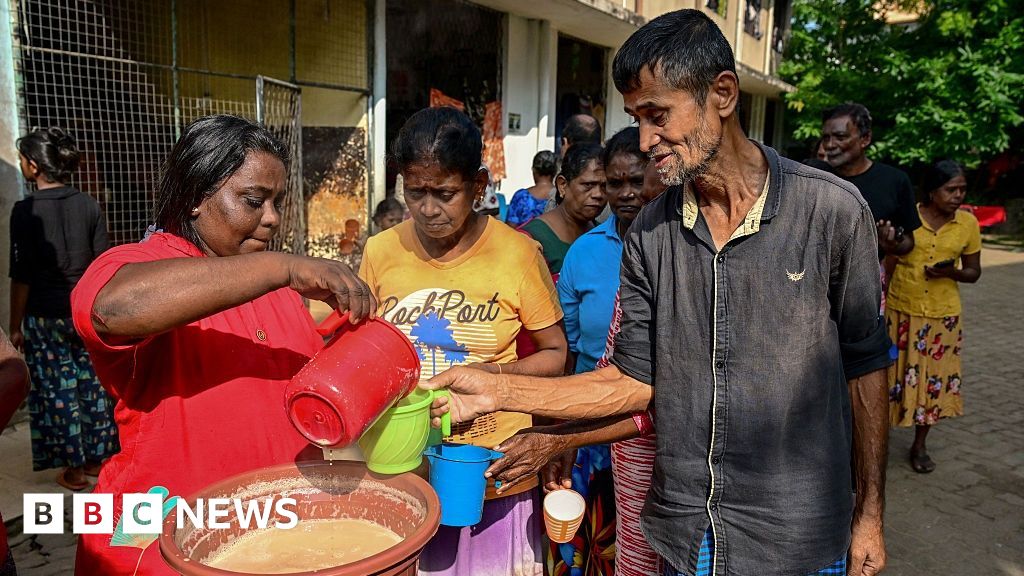
Within the country, grassroots activism has surged as communities rally to combat despair. In Colombo’s Wijerama neighborhood, volunteers—many previously involved in protests against the previous government’s economic mismanagement—are now channeling their energy into relief efforts, running community kitchens and organizing aid distribution.

  • Activists have compiled hundreds of requests for help, prompting a coordinated effort with authorities.
  • Volunteer groups have reactivated networks used during past crises, demonstrating a continuity of civil society’s resilience.

Despite the political discord at the national level, the people’s spirit of communal aid remains unbroken. Social media campaigns have created a public database of donations and relief needs, embodying a crucial shift from government-led to community-driven responses. As historians and analysts observe, this grassroots mobilization could serve as a template for future resilience, asserting the importance of civil society at a time when national institutions face scrutiny and criticism.

The international community continues to play a vital role, with foreign aid and humanitarian organizations providing critical supplies and expertise. Yet, the crisis in Sri Lanka also underscores the fragile geopolitics underscoring the region. With regional powers poised to influence recovery strategies, questions arise about how India, China, and Western nations will approach the evolving crisis—balancing aid, political interests, and regional stability. Historically, such environmental calamities have acted as catalysts for international intervention, but also as flashpoints for strategic competition, thereby reshaping the regional order.

As Sri Lanka faces an uncertain path to recovery, the lessons learned resonate far beyond its shores. The unfolding story of resilience amid chaos is a stark reminder that history is often written in moments of crisis, where societal bonds are tested and definitions of sovereignty are challenged. With each rescue, each act of solidarity, the island’s narrative blends into a larger tapestry of human endurance—yet the shadow of future storms looms large, urging the world to confront the reality that natural disasters are not on the decline, only escalating.

Indeed, the future hinges on whether nations will heed the warnings and act decisively or allow the currents of catastrophe and conflict to wash away the fragile hopes for stability. As history continues to unfold in Sri Lanka, the weight of the present demands that we recognize—

This is not merely a story of floods and rescue but a harbinger of the geopolitical shifts and societal transformations that define our era. The pages of history are turning, and it remains to be seen whether the forces of unity or division will dominate in this chapter of human resilience.

Protect Our Homes: Wake Up to Flood Risks Threatening Our Communities

The Hidden Crisis Beneath Our Feet: Paving Over Gardens and Rising Flood Risks

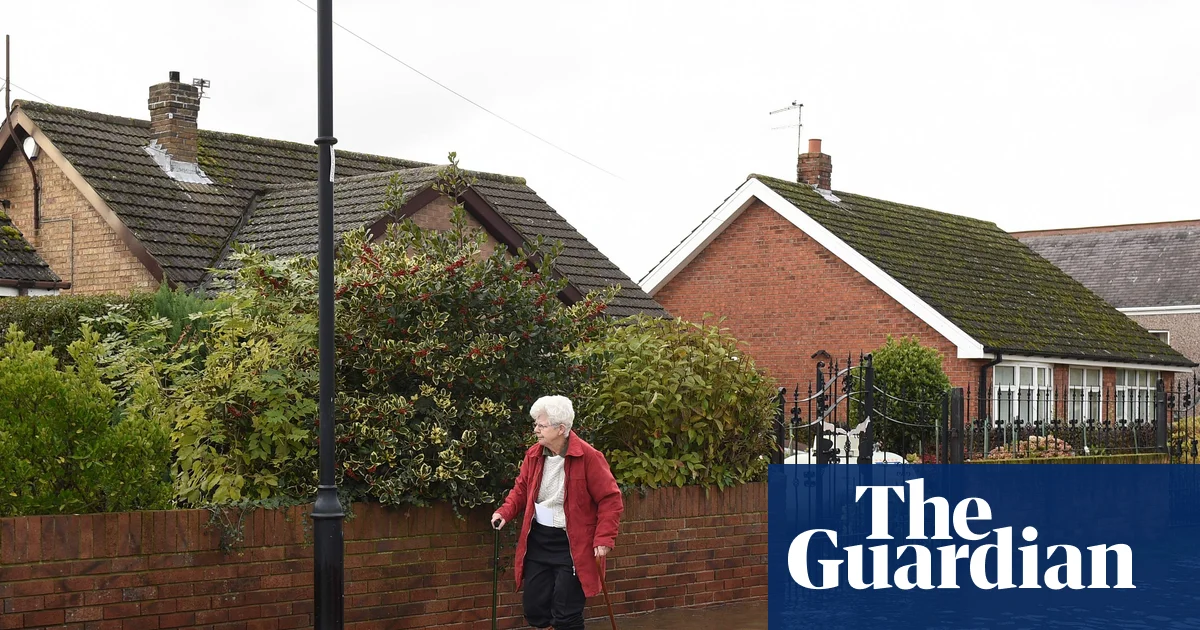
In a troubling revelation, recent RHS study uncovers that nearly half of UK garden spaces are now paved. This widespread transformation of private green spaces into concrete or asphalt not only diminishes biodiversity but also exacerbates environmental vulnerabilities, especially flooding. Such developments directly threaten families, local communities, and our future generations by undermining the natural resilience of our environment.

The impact extends beyond ecological concerns; it touches the very fabric of community safety and social cohesion. Surface-water flooding, now the most prevalent and least understood source of flood risk in England, places an estimated 4.6 million properties at imminent danger, according to recent reports from the Environmental Audit Committee (EAC). As climate patterns grow increasingly unpredictable, the urgent need for proactive and coordinated flood management becomes undeniable. Sociologists and environmental experts argue that the current reactive strategies are inadequate, and that the nation must adopt a comprehensive approach rooted in foresight and resilience.

Policy recommendations from the EAC and the Institution of Civil Engineers (ICE) propose tangible steps to address these escalating dangers. Among these is the establishment of a single national flood reporting and information service to enhance transparency and swift response. Furthermore, the call for a widespread flood-awareness campaign aims to educate communities about risks and necessary precautions. Central to these strategies is the implementation of Schedule 3 of the Flood and Water Management Act 2010, making sustainable drainage systems (SuDS) mandatory in all new developments. Such measures are designed not merely as reactions to crises but as preventive solutions that prioritize community safety and environmental sustainability.

These issues underscore a profound challenge: the erosion of cultural values tied to our natural environment. While policymakers grapple with infrastructure and flood mitigation, society must also confront a deeper cultural shift—recognizing that urbanization and paving over green spaces are not benign acts but choices that threaten long-term stability. For families, especially those in vulnerable communities, this means securing a future where nature and human life coexist harmoniously. For educators and community leaders, it presents an opportunity to instill values of conservation and resilience in the next generation. As sociologist Dr. Amina Patel reminds us, “A society’s strength is measured not only by its infrastructure but by its capacity to adapt and preserve its natural heritage.”

Finally, society stands at a crossroad. The decisions we make today—whether to pave over every inch of green or to invest in sustainable, community-centered solutions—will shape the landscape of tomorrow. As the shadows of increased flooding threaten our homes and our sense of safety, hope persists in the collective effort to mend what has been broken. Through resilience, innovation, and a renewed respect for nature’s delicate balance, communities can forge a future where danger gives way to hope, and chaos to order—transforming society into a resilient, cohesive whole that values both progress and preservation.

Social Media Auto Publish Powered By : XYZScripts.com