Matox News

Truth Over Trends, always!

Australia News Live: Zali Stegall warns of looming crackdown, Gaza flotilla return sparks debate

Global Tensions Rise: Democracy Under Threat as Major Powers Engage in Controversial Crackdowns

In recent weeks, the international landscape has become increasingly volatile, with nations at the forefront of geopolitical shifts exhibiting contrasting approaches to civil liberties and global diplomacy. Australia’s recent legal and political debates exemplify this divide, raising serious questions about the future of free speech, protest rights, and governmental accountability amid a backdrop of rising authoritarian risks. Meanwhile, major global actors such as Israel, the United States, and China continue to shape a complex web of alliances and conflicts, with pivotal decisions leaving a lasting impact on societies and international stability.

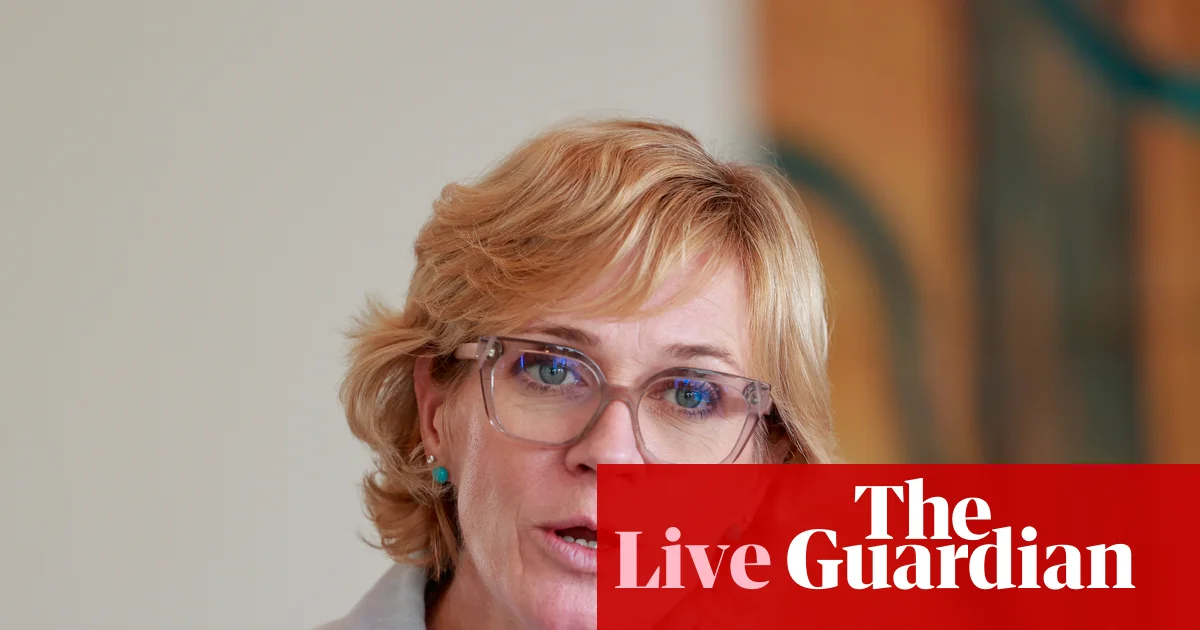
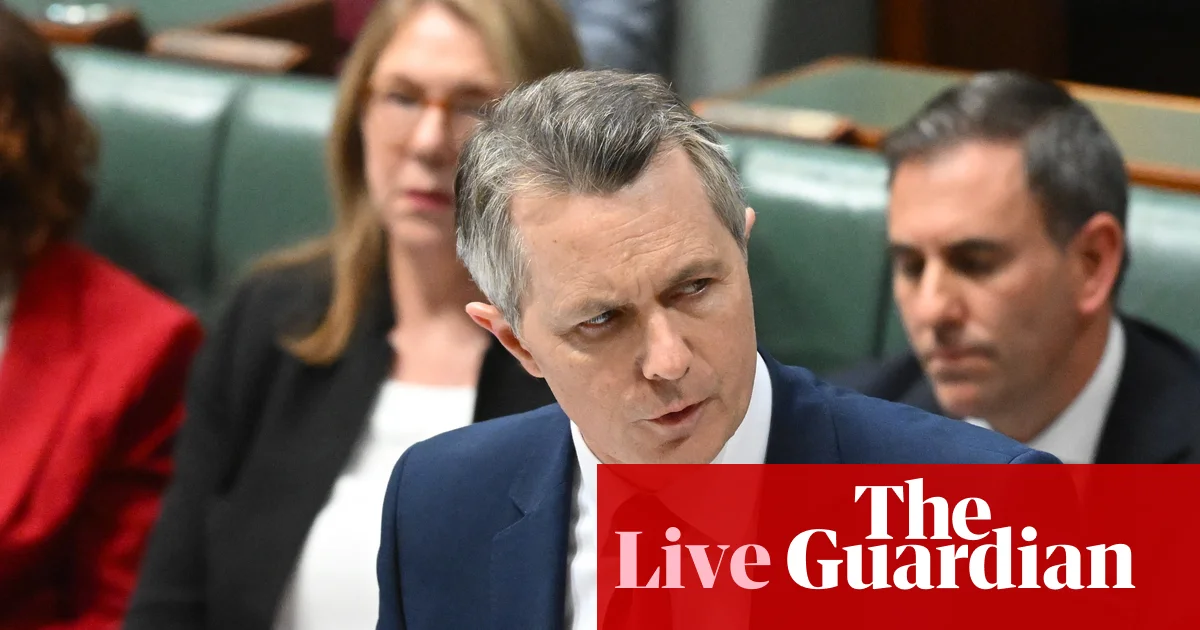
Within Australia, the government faces mounting scrutiny over its handling of civil protests and freedom of expression. Independent MP Zali Steggall has issued a stark warning against mimicking the alleged “totalitarian crackdown” observed in the United States, where recent police actions against activists have sparked global concern. The NSW court’s decision to threaten contempt charges against protesters planning a demonstration outside the Sydney Opera House marks a turning point, indicating a disturbing trend toward constraining civil liberties under the guise of safety. As historian Dr. Richard Holmes asserts, such restrictions threaten to undermine the very foundations of a democratic society and set a dangerous precedent for other nations recognizing similar measures.

Decisions That Echo Beyond Borders: How International Policies Reshape Societal Norms

  • Israel’s deportation of Australians attempting humanitarian aid—among them Juliet Lamont and Abu Bakr Rafiq—has ignited international protests, exemplifying the risks faced by human rights advocates caught in regional conflicts.
  • The ongoing Gaza flotilla incident, with activists vowing to return in larger numbers, demonstrates an unwavering commitment to humanitarian causes, yet also highlights the stark geopolitical divide over the legitimacy and legality of Israel’s blockade on Gaza.
  • In the United States, the recent crackdown on protests coupled with expansive government surveillance has led analysts to warn of a slide toward totalitarianism, echoing fears within Australia’s political discourse.

As noted by global policy analyst James Carter, such decisions—often justified as necessary for security—do little to address underlying crises but instead exacerbate societal divisions and erode trust. The ongoing debate in Australia over a proposed transparency bill, which critics claim threatens to deepen secrecy and diminish government accountability, exemplifies this struggle. Former judge Helen Archer laments that these measures are “working against Australians’ right to trust their institutions,” echoing worldwide fears that democracy is unraveling in favor of opaque governance and authoritarian control.

Global Instability and the Future of Free Expression

Across continents, the tried and tested balance between security and liberty is tipping dangerously. China’s detention and suppression of dissent in Hong Kong, along with Russia’s crackdown on opposition, serve as stark warnings against losing sight of fundamental rights. Meanwhile, the Pope’s recent plea to uphold journalism as “a public good” and to combat clickbait reflects a moral stand for truth in an era dominated by misinformation and sensationalism. His call for responsible communication safeguards democracy’s core—yet the challenge remains to resist the tide of censorship and control that many nations are increasingly embracing.

As international organizations like the United Nations call for adherence to human rights while powerful actors shift towards authoritarian tactics, the weight of history presses heavily on the future. The confrontation is no longer confined to borders but is a global struggle that will define the direction of Western societies and beyond. The choices made now—whether to silence dissent or defend free speech—carry the profound risk of forging a new era, one where the guardians of liberty must confront the forces seeking to reshape democracy into a tool of control. The ink of history is yet to dry, and the world watches with bated breath, awaiting the verdict of those who dare to resist the slide into irreversible darkness.
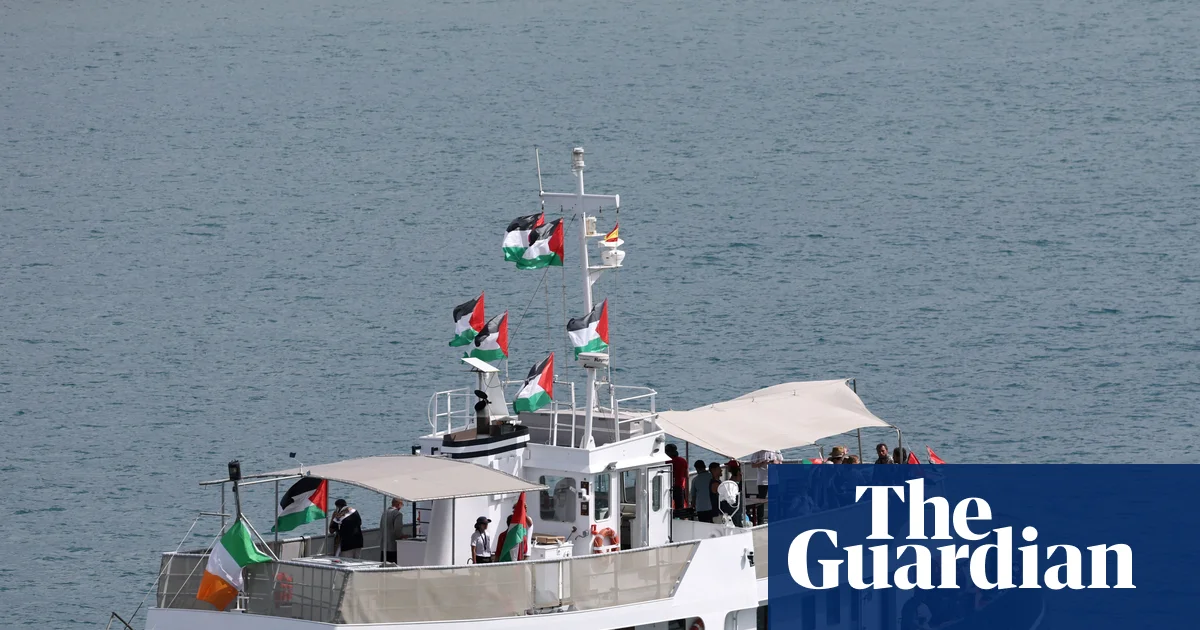
Gaza flotilla activists blast detention conditions as Israel plans deportations

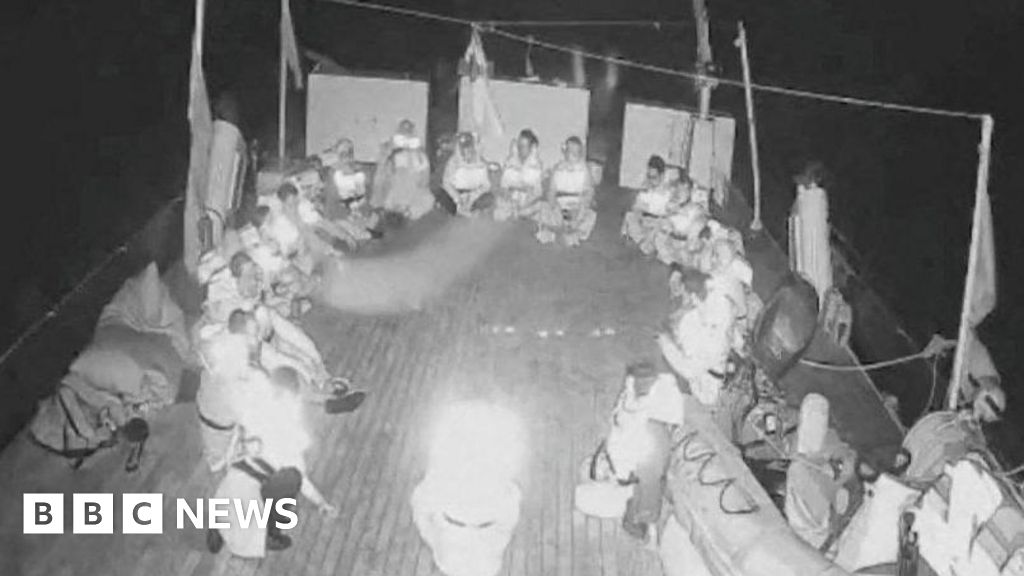
In a significant escalation of geopolitical tensions, Israel recently intercepted the Global Sumud Flotilla, a coalition of over 40 vessels attempting to breach the longstanding maritime blockade of Gaza. This incident underscores the ongoing international struggle over the fate of the Palestinian enclave and the strategic approaches nations are taking to influence regional stability. The flotilla aimed to deliver humanitarian aid to Gaza, a territory submerged under a 16-year-long blockade justified by Israel and its allies as a security measure. However, critics argue that such actions perpetuate suffering and hinder prospects for peace, with Western nations divided on how to address this crisis. The interception, which occurred in international waters, resulted in the arrest of dozens of activists—among them citizens from New Zealand, Sweden, France, Greece, and Italy. These nations now grapple with diplomatic repercussions, as families and international observers question the treatment of detainees and the broader implications of Israel’s aggressive stance.

  • Israeli forces seized all vessels in international waters and detained 437 activists, including parliamentarians and legal advocates, sparking an international debate about sovereignty and humanitarian responsibilities.
  • The detentions have been accompanied by allegations of mistreatment, including inadequate access to water, medical care, and legal counsel, raising serious concerns about human rights abuses amid an already tense regional context.
  • Notably, environmental activist Greta Thunberg was among those detained, and reports indicate she faced harsh conditions—including being held in a cell infested with bedbugs and denied basic necessities. Her case, along with others, has ignited a wave of protests and diplomatic protests worldwide.

The international community, including human rights organizations and historians, has sharply criticized Israel’s actions. Many analysts interpret the interception as a significant marker of how the Gaza conflict continues to be a flashpoint for global polarization. Israel’s foreign ministry has dismissed allegations of mistreatment, asserting that “all detainees’ legal rights were fully upheld,” despite reports from Adalah, an Israeli legal center, of abuses and physical violence. Meanwhile, governments of affected nations have issued calls for the safe release of their citizens, with New Zealand’s government publicly expressing concern over the wellbeing of their nationals, who reportedly remain in detention without proper access to water or legal expertise. The political rhetoric is heating up, as opposition voices from countries like New Zealand demand decisive action and greater accountability from their governments, who are caught between diplomatic pragmatism and moral responsibility.

Beyond the immediate human rights concerns, this incident holds profound geopolitical impact. It reveals how regional conflicts are multilateral crises, involving a web of alliances, strategic interests, and ideological divides. The interception exemplifies the precarious balance of power, with Israel asserting its security measures amid international pressure. At the same time, the incident underscores the global stakes—where activism, sovereignty, and humanitarian aid collide in a theatre of geopolitical chess. Some analysts warn that such unilateral actions threaten to deepen divisions, potentially fueling further instability and resistance in the region. As historians and international observers watch closely, the question remains: how much longer can the world ignore the toll of impasse and the echoes of history, still being written, on the shores of Gaza?

In these turbulent waters of diplomacy and conflict, the true weight of history presses down with undeniable force. The fate of those detained, and the international response to such challenges, will shape the narrative of an era defined by ideological clashes and human resilience. As silent witnesses to history, we are left to ponder: will this be a turning point that sparks meaningful change, or merely another chapter in a cycle of unresolved conflict? The answer, elusive as ever, remains embedded in the unfolding story of a world struggling to reconcile security with justice, power with morality, and the present with the enduring legacy of history’s most profound struggles.

Australia News Live: Hecs Debt Relief Starts November – Waters Demands More Support for Detained Flotilla Activists

Global Power Play: Navigating Conflicts, Alliances, and Domestic Policy Shifts

In an era where the geopolitical landscape shifts rapidly, nations are increasingly compelled to reassess alliances and strategic priorities. Australia, under the leadership of Prime Minister Anthony Albanese, exemplifies this dynamic as it grapples with complex international issues—from supporting activists attempting to break the Gaza blockade to navigating climate commitments and domestic policy reforms.

One of the most striking international developments involves the interception of a flotilla attempting to breach the naval **blockade on Gaza**, aimed at delivering critical aid to the beleaguered Palestinian territory. Six Australians who participated face detention by **Israel**, prompting calls from Australian politicians, including opposition figures such as Larissa Waters, for the government to escalate diplomatic efforts. Waters has demanded greater action from Foreign Minister Penny Wong, including “calling on the Israeli ambassador” and even contemplating the expulsion of that ambassador if Australia’s nationals are not treated with due security and respect. The situation underscores the **geopolitical impact** of America’s close alliance with Israel—a relationship that many analysts argue complicates Australia’s ability to adopt a balanced foreign policy amid rising tensions.

Meanwhile, in domestic policy, the Albanese government has announced significant steps to ease economic burdens for Australians. Starting mid-November, the **Higher Education Contribution Scheme (HECS)** debt will be cut by 20%, a move aimed at alleviating the student debt crisis faced by millions. This policy shift, backdated to balances as of June, reflects a broader economic strategy to boost domestic affordability and social mobility. Critics, however, argue that such measures serve political ambitions more than systemic reform, especially as debates around **climate change** intensify. The Greens, led by Larissa Waters, have repeatedly accused the government of ignoring expert advice—asserting that the **62-70% emissions reduction targets** are “low-balled” and favoring coal and gas industries with too lenient policies. This rift demonstrates how domestic policy decisions are deeply intertwined with **global climate commitments**, which, if rushed or compromised, could undermine Australia’s credibility on the international stage.

In the broader arena, the **Green parties worldwide** are pushing hard for environmental protections and a shift away from fossil fuels. Waters has called for an end to native forest logging and stronger environmental safeguards, criticizing the government’s willingness to negotiate with powerful fossil fuel interests—particularly the notorious “go zones” that reportedly include 22 coal projects seeking approval in the Bowen Basin. International organizations like the Climate Change Authority warn that actual commitments are insufficient to meet the looming climate crisis, a concern echoed by Australian experts who emphasize that **how nations choose to act now will define their legacy**. The tension between economic growth’s reliance on fossil fuels and the urgent need for ecological sustainability continues to be a defining feature of Australia’s **geopolitical impact** on global climate efforts.

As these internal and external tensions unfold, history remains at the crossroads. Decisions made in the coming months will resonate across nations—impacting alliances, influencing international perceptions, and shaping the lives of generations to come. From the **growing unrest in Gaza** to the **policy debates within Australia’s halls of power**, it is clear that the true test of leadership is whether a nation can uphold justice, security, and sustainability—all while navigating the turbulent currents of the world’s future. The unfolding narrative is a stark reminder that history’s weight lies not just in the decisions of today, but in the legacy of what is yet to be written.

Greta Thunberg alleges she’s held in Israeli detention with bedbugs amid Gaza flotilla clash

The recent detention of Greta Thunberg during a controversial aid flotilla mission underscores the intensifying geopolitical conflict surrounding Gaza’s maritime blockade. Thunberg, an internationally renowned environmental activist, was detained by Israeli forces along with 436 other activists, members of the Global Sumud Flotilla (GSF), in an effort to breach a 16-year-long blockade aimed at restricting the flow of goods and aid to the Palestinian enclave. Israel’s decision to intercept and arrest all vessels not only exemplifies its strict maritime policies but also triggers a broader debate about humanitarian access versus security concerns. These events are more than isolated incidents—they are a flashpoint in a larger geopolitical struggle that could ripple across the Middle East and influence international relations for years to come.

This effort to challenge Israel’s blockade is viewed by many in the global community as a critical act of resistance, symbolizing the struggle for Palestinian self-determination. However, Israel’s response has been characterized by forceful suppression, with the perpetrators’ treatment of detainees raising alarm among human rights groups and international observers. According to reports from lawyers working with the flotilla, crew members have experienced “systematic violations” of their rights, including denial of water, food, and legal access, alongside physical and verbal abuse. The detention at Ketziot prison, a facility primarily used for Palestinian security prisoners, signals a geopolitical message: Israel remains unyielding in its assertion of sovereignty and security, regardless of international criticism. Analysts warn that such treatment adds fuel to the fire of international outrage, complicating diplomatic efforts and exacerbating tensions with sympathetic nations seeking to challenge Israel’s policies.

The broader geopolitical impact of this incident cannot be understated. Led by hardliners like Itamar Ben-Gvir, Israel’s far-right national security minister, the narrative framing activists as “terrorists” reveals a shift towards increased militarization and a confrontational stance. The image of Ben-Gvir publicly branding peaceful aid workers as enemies signals his broader intention to consolidate control and discourage future similar acts of defiance. Meanwhile, nations like Sweden are engaging diplomatically, with their foreign ministry openly expressing concern over Thunberg’s treatment and their efforts to secure her legal rights. For global actors, these events serve as a stark reminder of how local conflicts have global repercussions, impacting diplomatic relations, influencing international law debates, and fueling narratives about security, sovereignty, and human rights. Moreover, the incident raises profound questions about how international activism intersects with geopolitical stability and the future of humanitarian aid in conflict zones.

As history continues its relentless march, the arrest and alleged mistreatment of Greta Thunberg encapsulate a moment of high tension that could define regional stability for decades to come. With each act of suppression and defiance, the world witnesses a chapter in the ongoing struggle over Gaza—a pivotal nexus where human rights, sovereignty, and international diplomacy collide. The weight of this moment will echo throughout history, compelling future generations to ask: Was justice sacrificed in the name of security? Or did the heavy hand of conflict forever etch this chapter into the fabric of global conflict? As international organizations and nation-states grapple with their roles, the unfolding saga reminds us that beneath the headlines, the tides of history are shifting forever, shaping the destiny of nations and societies in an uncertain world.

Israeli naval ships stop Gaza-bound flotilla, asserting security control

The Israeli navy has once again demonstrated its firm stance on maintaining its naval blockade around Gaza, intercepting multiple vessels part of the Global Sumud Flotilla (GSF) attempting to deliver humanitarian aid. The incident, which saw the Israeli military detain activists including prominent international figures such as Greta Thunberg, underscores the increasingly tense and complex geopolitical landscape surrounding the ongoing Israeli-Palestinian conflict. According to the Israeli Foreign Ministry, the flotilla was “safely stopped” while approaching what they describe as an “active combat zone,” asserting that the vessels violated a *lawful naval blockade* meant to prevent supplies from reaching Hamas-controlled Gaza.

Global reactions to the interception have been sharply divided along ideological lines, with Israel asserting that it is acting to prevent aid from falling into militant hands, while critics see it as a deliberate attempt to starve Gaza’s population. The Israelis have branded the flotilla as a “provocation,” with officials claiming that multiple ships, including the prominent vessel Alma, were successfully boarded and detained. On social media, the GSF described the action as “illegal” and “a brazen act of desperation,” citing the incident as evidence of the “extreme lengths” Israel will go to maintain its siege, which, as human rights organizations attest, has caused severe famine and suffering in Gaza. This ongoing struggle highlights the geopolitical impact of aid restrictions, with many analysts warning that such incidents risk fueling further instability in the region.

Among the detained was the internationally recognized climate activist Greta Thunberg, whose presence on the vessel drew widespread media attention. Critics argue that her involvement represents broader international protest against what they perceive as unjustified Israeli blockades, while Israeli officials dismiss such claims, framing their actions within the context of national security. The controversy extends beyond mere humanitarian concerns, touching on issues of international law, sovereignty, and the strategic interests of global powers. Countries like France and Italy have expressed cautious support for diplomatic and peaceful resolution, emphasizing safety and security protocols. Meanwhile, the UN has issued stark warnings; the UN’s humanitarian chief confirmed a famine crisis in Gaza, directly attributing the suffering to Israel’s “systematic obstruction” of aid—charges vehemently denied by Prime Minister Benjamin Netanyahu.

As the incident unfolds, the stakes are clear: this is not just a matter of aid or maritime law, but a defining chapter in the ongoing contest over regional influence, international legitimacy, and the future of a conflict that has shaped the geopolitical order for decades. History is watching, and the choices made in the coming days will echo through the corridors of power and beneath the sands of Gaza, leaving the world to grapple with the profound consequences of their unfolding. Time will reveal whether the tides will turn for diplomacy or if this will mark yet another chapter of conflict, with the weight of history grimly pressing down on all involved.

Israel warns Gaza aid flotilla to reroute amid navy intercepts — Middle East crisis escalates

The Middle East, long a powder keg of geopolitical tensions, is witnessing yet another flashpoint that threatens to destabilize an already fragile situation. Recent developments reveal a significant escalation involving the Israeli military and a pro-Palestinian aid flotilla attempting to breach the maritime blockade of Gaza. Around 75 miles off the coast, at least 20 Israeli vessels intercepted the Global Sumud Flotilla, which included notable figures such as Greta Thunberg and Nelson Mandela’s grandson, Mandla Mandela. This flotilla, composed of nearly 50 boats and 500 activists, was carrying a symbolic amount of humanitarian aid with the explicit goal of breaking what they viewed as an unjust blockade. The incident underscores the ongoing struggle over control of the Gaza Strip, a conflict that continues to draw international attention and concern. According to analysts at International Crisis Group, such confrontations are designed to spotlight global perceptions of injustice, yet they risk further inflaming hostilities in a region already marked by recurring violence.

The Israeli government’s response has been unequivocal. The Foreign Ministry asserted that the navy had contacted the flotilla and asked them to alter course, citing the approaching active combat zone and a lawful naval blockade. They reiterated an offer to facilitate aid transfer through “safe channels” into Gaza—an offer that activists have repeatedly rejected, viewing it as a mere pretext for suppression. Social media footage from activists shows Israeli naval vessels ordering boats to turn off engines, with some participants claiming they have been intercepted in international waters. The situation has rapidly evolved into a complex maritime standoff, with live feeds going dark amid reports that some activists have been detained, potentially against their will. The incident refocuses international debate on the legitimacy of Israel’s blockade, which critics argue constitutes collective punishment, while supporters emphasize the need to prevent weapons smuggling—an ongoing source of tension.

The geopolitical impact of this confrontation extends far beyond the immediate hostile waters. European nations, including Spain and Italy, initially sent naval escorts to support the flotilla, recognize the humanitarian intent while cautioning activists to avoid dangerous escalation. Nonetheless, accusations from Israel linking flotilla participants to Hamas—without solid evidence—are seen by many analysts as attempts to justify potential military actions and inflame regional divisions. This dynamic risks drawing in broader international actors, potentially sparking a wider conflict. The United Nations has called for restraint, yet the underlying issue remains unresolved: to what extent can aid effectively reach Gaza without serving as a stage for geopolitical combat? As historians warn, such interventions, if mishandled, can set long-term precedents that shape the narrative of resistance and oppression for decades to come. The unfolding events hint at a near-certain escalation that could see this maritime showdown evolve into a symbol of international neglect or intervention, depending on how world powers choose to respond.

In the shadows of this tense standoff, voices from within human rights circles are raising alarms. Pre-recorded videos from activists detained by Israeli forces reveal fears of kidnapping and calls for diplomatic intervention—an indication of how swiftly the situation can spiral from a peaceful humanitarian mission to a crisis of international proportions. The U.S. and European diplomatic desks face mounting pressure to navigate their alliances carefully, balancing support for Israel’s security while condemning actions perceived as excessive or provocative. The controversy ignites debates about sovereignty, international law, and the moral responsibility of major powers in a region still plagued by cycles of vengeance. As the world watches this unfolding narrative, the fate of those onboard the flotilla sustains a grim reminder: history is watching, and every decision today stamps the future of tomorrow with its indelible mark. The pages of history continue to turn—each chapter more critical than the last, shaping a conflict that may well redefine the geopolitical map of the Middle East for generations to come.

Italy’s PM warns Gaza flotilla: Stop or threaten peace progress

Global Tensions Flare as Italy Intervenes in Gaza Aid Flotilla Crisis

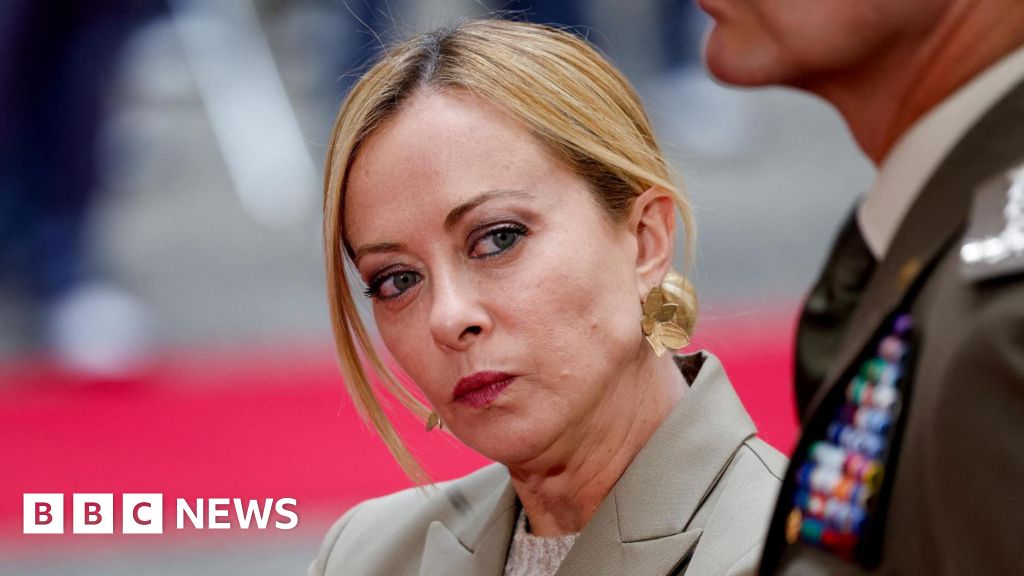
The recent efforts by Italy to navigate the complex and dangerous terrain of the Gaza conflict underscore the precarious nature of international diplomacy amid ongoing violence. Prime Minister Giorgia Meloni has publicly condemned the Global Sumud Flotilla (GSF), a convoy of over 40 ships carrying humanitarian aid, which was making its way toward Gaza in defiance of Israeli restrictions. Meloni’s call for the flotilla to halt, coupled with the deployment of an Italian naval frigate to intercept the vessels, signals a provocative stance that could have significant geopolitical impact. Meloni warns that the flotilla’s actions are a potential pretext for escalation, threatening to derail a fragile US-led peace proposal aimed at ending the brutal conflict.

The U.S. has recently stepped into the fray with a proposal that offers a semblance of hope—a framework for an immediate ceasefire, the release of hostages, and a pathway toward peace. However, such diplomatic initiatives are often fragile and easily undermined. Some analysts argue that Iran and pro-Hamas factions are exploiting these international efforts to prolong their influence and meddle further in the region’s affairs. Meanwhile, Israel insists that the flotilla is a Hamas operation disguised as humanitarian outreach, a claim that remains unsubstantiated but fuels international skepticism. The flotilla’s leaders, including climate activist Greta Thunberg and political figures from Europe, have declared their intent to press on despite military threats, emphasizing that their mission is rooted in urgent humanitarian concerns rather than publicity.

This confrontation holds broad consequences for global stability. As historians and international organizations warn, the unfolding event risks becoming a catalyst for larger regional conflict. Italy’s naval deployment, sanctioned by the government amid reports of drone activity and unidentified vessels approaching the flotilla, raises questions about international rules of engagement and the potential for violence. The recent drone attacks and communication jamming incident, officially condemned by Italy and Spain, indicate a dangerous escalation that could spark a wider conflict, with Middle Eastern and European nations watching anxiously. The potential for miscalculation in these tense moments threatens to ignite a conflict that could further destabilize the region for generations to come.

As the world watches, the choices made by nation-states and international bodies will write new chapters in the history of the Middle East, chapters etched in the blood and resilience of its people. With each diplomatic move, each vessel that risks crossing the line, the memory of past conflicts looms large. The weight of history presses on the shoulders of leaders who must navigate a treacherous web of alliances, enmities, and ideals. How this story unfolds remains uncertain, but its trajectory will undoubtedly shape the future geopolitical landscape—an enduring testament to a region perched on the edge of turmoil, where the next turn of the page could herald an era of renewed conflict or fragile peace. And as the flotilla presses onward into the storm, the question remains: will humanity learn the lessons of the past, or will this be another chapter in an ongoing cycle of violence that history will not soon forget?

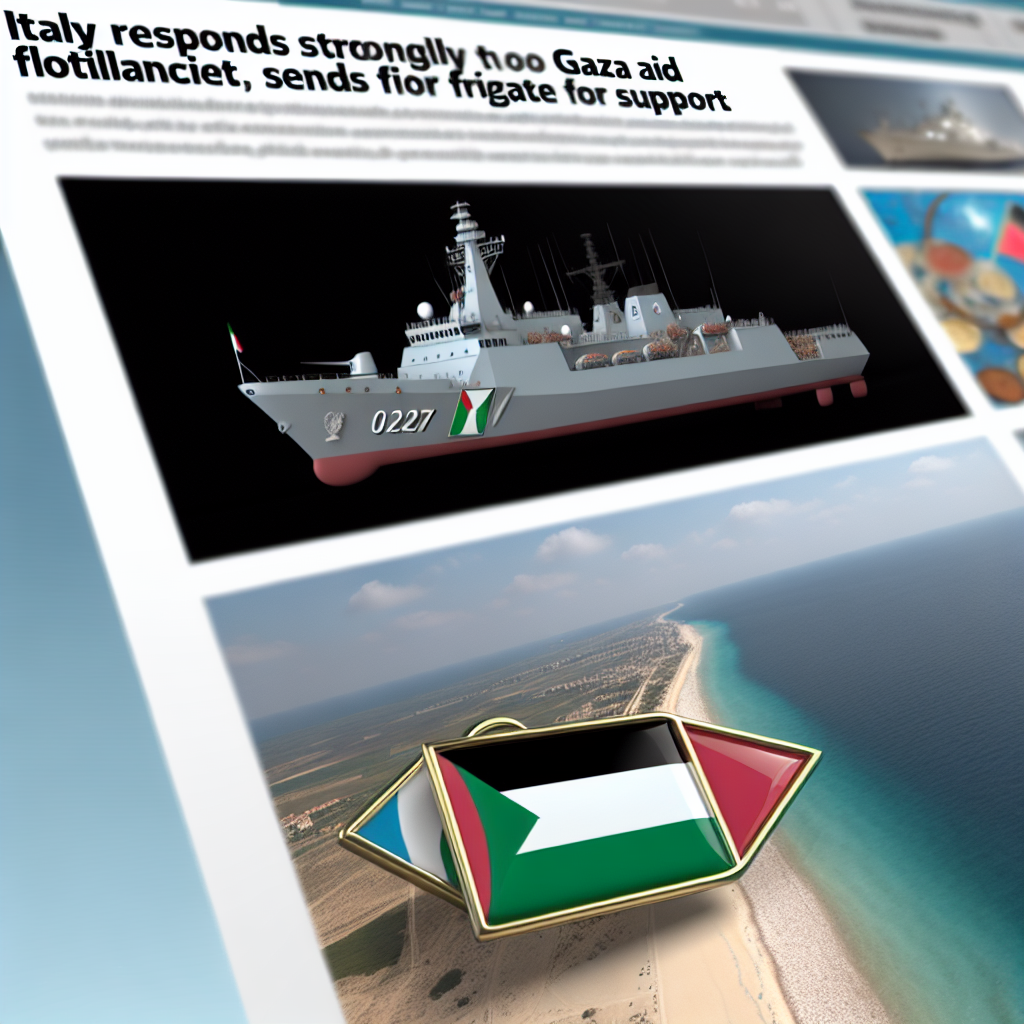
Italy Responds Strongly to Gaza Aid Flotilla Incident, Sends Frigate for Support

Drone Attack on Global Sumud Flotilla Sparks International Controversy

Italy’s Defense Minister, Guido Crosetto, condemned a recent drone attack on the Global Sumud Flotilla (GSF), which attempted to breach Israel’s naval blockade of Gaza to deliver humanitarian aid. The incident occurred approximately 50 kilometers south of Crete, in what has been characterized as an aggressive escalation by unidentified forces. To safeguard Italian citizens aboard the flotilla, Crosetto announced the deployment of an Italian Navy frigate to the region.

The GSF, comprising 52 vessels, reported multiple explosions and indicated that drones were present during the incident. The organization accused Israel of increasing tensions in an already volatile area. This has led to repercussions not just for passengers on the boats, but also raises broader questions about international intervention and the risks associated with navigating contested waters.

Israeli authorities have maintained a strict stance on the flotilla’s activities. While the Israeli government has refrained from commenting on the latest incident, it has previously declared its intent to prevent the flotilla from reaching Gaza. The Israeli foreign ministry has characterized the mission as being organized by Hamas, urging the ships to deliver their supplies to the port of Ashkelon instead. Israeli officials have reiterated that vessels attempting to breach the blockade would face legal action, citing national security concerns.

Adding further layers to the unfolding situation, environmental activist and prominent pro-Palestinian figure Greta Thunberg, who is involved in the flotilla, labeled the drone attacks as “scare tactics.” This perspective echoes sentiments among supporters of the flotilla who argue for the necessity of humanitarian assistance in Gaza. In response to the crisis, the United Nations has echoed demands for unrestricted humanitarian access, asserting that Israel’s obligation under international law includes providing sufficient aid to those in need.

The backdrop to this incident is a complex humanitarian crisis unfolding in Gaza, exacerbated by ongoing conflict, which has led to severe malnutrition and widespread famine. Reports indicate that since the outbreak of hostilities following the Hamas-led attack on Israel earlier this month, approximately 440 Palestinians have died from malnutrition-related causes. In light of these statistics, the GSF claims its mission is critical for breaking what it refers to as an “illegal siege” and for opening a humanitarian corridor to support the beleaguered population of Gaza.

The implications of the drone attack extend beyond immediate concerns for those aboard the flotilla. It raises critical questions about the legality of naval blockades, the role of international observers in conflict zones, and how countries like Italy choose to respond in complex geopolitical scenarios. As the situation continues to unfold, the international community remains watchful, closely monitoring responses from both governmental and non-governmental organizations in the context of human rights, international law, and humanitarian efforts.

Source link

Social Media Auto Publish Powered By : XYZScripts.com