
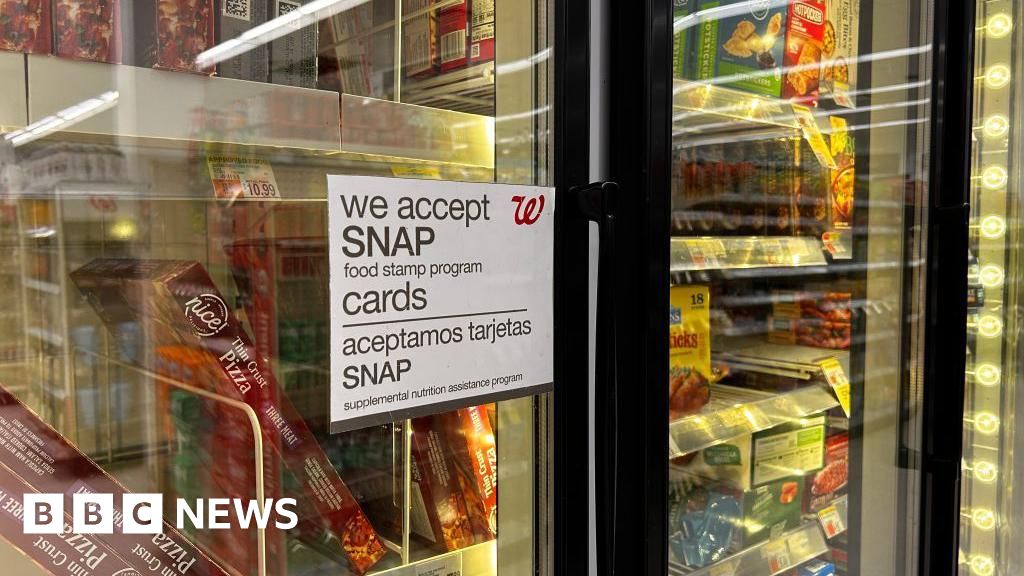

As the United States approaches its second month of a debilitating government shutdown, the focus has intensified on the humanitarian consequences unfolding across the nation, especially among its most vulnerable populations. Despite the political impasse that has paralyzed federal operations since October 1st, the judiciary has delivered a decisive blow to the Trump administration’s attempt to withhold food assistance for over 40 million low-income Americans. Two federal judges in Rhode Island and Massachusetts have ruled that the government must utilize emergency funds to continue the disbursement of SNAP benefits, commonly known as food stamps.
This legal intervention underscores a critical turning point in the ongoing crisis, emphasizing the fundamental role of judicial authority in safeguarding basic human needs against political stalemates. The courts’ rulings assert that funds necessary for essential aid cannot be arbitrarily withheld under the guise of budget disputes. Analysts highlight the geopolitical impact of such decisions in terms of American domestic stability. Historians warn that prolonged neglect of social safety nets can deepen societal divisions, trigger food insecurity, and exacerbate economic disparities, reflecting what they term a “moral failure.” Meanwhile, international organizations, such as the UN, have expressed concern about the global image of a superpower unable to meet the basic needs of its people, risking a narrative of decline amid domestic chaos.
At the core of the legal battles laid out in courtrooms is the Trump administration’s claim that the contingency funds meant for emergencies are insufficient for this crisis, a stance challenged as mistaken by judicial authorities. The USDA’s decision to halt SNAP distributions, citing “the well has run dry,” has been met with widespread backlash from both sides of the political aisle and society at large. Despite efforts by several states to fund benefits independently, the federal government’s warning that they will not be reimbursed only fuels fears that millions of Americans—families like those surviving on less than $6 a day per person—are being left adrift in a storm of political game-playing. The Center on Budget and Policy Priorities estimates that even if the contingency fund is accessed, it might only cover approximately 60% of the usual beneficiaries—another grim reminder of how decisions made in Washington resonate deeply in American living rooms.
In this moment of crisis, the echoes of history serve as a stark warning: when social safety nets are undermined, societal stability fractures. The dominant narrative echoing through policy circles and international commentators alike is that these conflicts are not merely political disputes, but fundamentally a test of American values and resilience. As the courts demand action and Congress remains gridlocked, the fateful question persists—will this be remembered as the point when the world’s most powerful nation chose to abandon its own people, or will it rise to the occasion? The unfolding story remains a testament to a society at the crossroads, with the weight of history pressing heavily upon the pages yet to be written. As the nation teeters on the brink of crisis, the true impact of these decisions will only be measured by how they shape the future of millions who depend on the promise of a better life—promised but now continually challenged by political indifference.





