Matox News

Truth Over Trends, always!

Shocking footage shows U.S. F-15 fighter jet crashing in Kuwait

In a concerning development that underscores the volatility of current international military engagements, US Central Command reported a devastating incident near Kuwait City involving multiple F-15 fighter jets. Disturbing footage verified by the BBC appears to capture the moment one of these jets falls from the sky and crashes onto the ground near the Al Jahra area. This event is not just a tragic loss of aircraft; it signals deeper issues related to the fragile state of U.S. military operations in the Middle East, a region already fraught with geopolitical conflicts and rising tensions.

The incident involved a total of three US F-15 jets, which, according to US Central Command, went down as a result of “an apparent friendly fire incident”. Despite the tragic loss of equipment, all six crew members aboard these jets ejected safely and are reported to be in stable condition. While at first glance, this may seem like a standard accident, analysts suggest it points to broader issues within the military engagement framework, raising questions about coordination and operational oversight in an increasingly complex security landscape.

The implications extend well beyond the immediate crash site. Historians and international organizations have long warned that such incidents—be they accidental or deliberate—embody the risks of escalation in a region where regional powers, superpowers, and non-state actors engage in a delicate geopolitical dance. The incident signals not only a lapse in operational discipline but also underscores the potential for small missteps to ignite larger conflicts, especially in a setting where U.S. strategic interests remain a cornerstone of regional stability amidst mounting challenges from rival powers like China and Russia.

For many, this event is a sobering reminder of the costs of modern warfare and the unpredictable nature of proxy conflicts. The incident demonstrates how the geopolitical impact of even a single friendly fire event can ripple across international borders. As Middle Eastern nations and allies watch these developments, they are forced to confront the grim reality that peace remains elusive in a region where alliances shift and trust erodes. How nations respond—through diplomacy or further military escalation—will shape the course of history in this volatile theater.

Ultimately, the crash near Kuwait City serves as a stark symbol of a world where the line between stability and chaos is razor-thin. The fallout from this event, both literally and metaphorically, will influence regional security strategies for years to come. As historians and global analysts peer into this unfolding crisis, one thing remains clear: in the shadows of international diplomacy, history is still writing itself, and today’s tragedy may very well be the prologue to a much darker chapter yet to come.
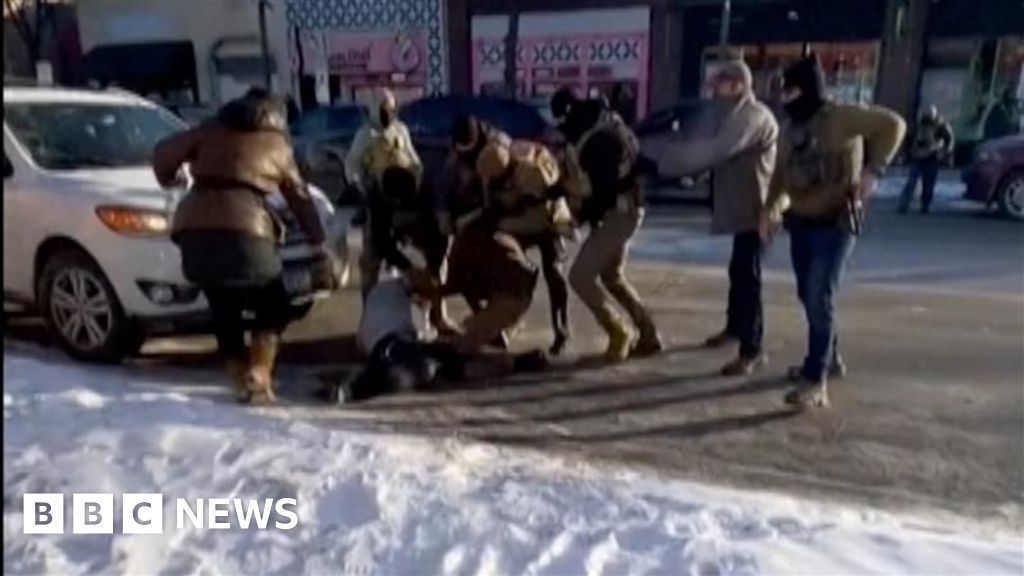
Footage reveals key moments in Minneapolis deadly shooting

In a development that underscores ongoing tensions within the United States regarding immigration enforcement and law enforcement accountability, a tragic incident unfolded in Minneapolis involving federal immigration officers. Bystander footage has surfaced, capturing tense moments leading up to the fatal shooting of 37-year-old Alex Pretti. The recordings, shot from multiple perspectives, reveal a chaotic confrontation that has ignited controversy and intensified debates over federal authority and civil liberties in the nation’s heartland.

As details emerge, conflicting narratives from federal officials and state authorities have further muddled the incident’s circumstances. Homeland Security Secretary Kristi Noem claimed that agents fired “defensive shots” after Pretti allegedly “reacted violently,” presenting an account aligned with justified self-defense. Conversely, Governor Tim Walz dismissed the federal explanation as “nonsense” and “lies,” emphasizing a need for transparency and accountability. This internal dispute exemplifies the broader divide within American governance, where federal and state authorities seem increasingly at odds over immigration enforcement tactics and the use of lethal force.

The incident’s timing adds to its significance, occurring less than three weeks after the tragic killing of Renee Good, an American citizen shot by an immigration agent in similar circumstances. Such events have sparked nationwide outrage and raised questions about the overreach of immigration authorities operating under policy shifts favoring aggressive enforcement. Many analysts see these events as a reflection of a broader geopolitical and domestic struggle — one that tests the limits of federal power, the rule of law, and the safety of American citizens. International observers and rights watchdogs warn that unchecked force and lack of transparency threaten the social fabric of the nation, fueling suspicion and unrest across communities.

  • Key event: The deadly confrontation, captured on video, sparks nationwide debate on immigration and law enforcement conduct.
  • International impact: Foreign allies and adversaries scrutinize the U.S. for its internal stability, affecting diplomatic relations.
  • Potential consequences: Policymakers face mounting pressure to implement reforms that balance enforcement while safeguarding civil liberties, yet fears persist of increased militarization and societal division.

This incident highlights how decisions made in the corridors of power resonate profoundly. The policy environment has shifted towards a more assertive stance on immigration, with the federal government emphasizing national security over individual rights. These measures, while backed by some as necessary for national sovereignty, legal advocates warn threaten the very foundations of civil liberties. Who bears the weight of justice in such conflicts — the individual or the state? This question now haunts America’s conscience.

As the story continues to unfold—shrouded in conflicting accounts, political theatrics, and the relentless march of history—one thing remains clear: the choices made here will echo far beyond the streets of Minneapolis. They will shape the future of public trust, law enforcement policies, and America’s role on the world stage. The echoes of this tragedy serve as a stark reminder that in a world fraught with conflict and uncertainty, the line between order and chaos is often razor-thin, and the weight of history presses heavily upon the present.

Democrats push Pentagon to release footage of suspected drug boat strike — returning to tough on crime stance from Trump era

Controversy Erupts Over US Navy Strike in the Caribbean

In a development that could have far-reaching geopolitical impact, the United States is facing mounting scrutiny over a deadly naval attack in the Caribbean, where eleven individuals lost their lives. The controversy revolves around the Pentagon’s refusal to publicly release video footage of the incident, stirring international and domestic objections. Democratic leaders and security analysts argue that transparency is vital to assess the legality and moral standards of such military actions, especially given the disturbing reports of a second strike that targeted alleged survivors clinging to wreckage.

This incident has highlighted a broader debate about the limits of military authority and accountability. The attack, which took place on September 2, involved an operation against what US officials described as a drug-smuggling vessel. However, critics, including Democratic Senator Adam Schiff, emphasize that the absence of visual evidence fuels accusations of reckless conduct and potential war crimes. As some members of Congress demand transparency — with Senator Schiff calling for the release of the video — others, like Pentagon officials, cite concerns about safeguarding classified information, revealing a tension between national security and public oversight.

International and Strategic Ramifications

The refusal to share the footage comes at a critical juncture for global perceptions of US military engagement. The incident underscores the risk of escalation in the region, where such actions may erode the US’s image as a defender of moral standards. Analysts warn that this controversy could embolden rival powers like China and Russia, who have been keen to exploit perceived American overreach to justify their own aggressive postures elsewhere. How the Biden administration chooses to handle this controversy will influence the future of American military diplomacy and credibility, especially in unstable regions marked by lawlessness and turmoil.

International organizations, including human rights watchdogs, have expressed concern over the potential violation of international law. Historians note that such incidents, if unresolved or perceived as unjust, tend to serve as catalysts for broader regional conflicts. Furthermore, military experts remind that decisions made in the fog of conflict often bear consequences long after the firing stops, transforming battlefield actions into symbols of moral and strategic dilemmas. As the debate intensifies, the world watches closely — realizing that every clandestine attack, every withheld video, becomes another chapter in a narrative of power, justice, and the fragile morality of warfare.

Reader’s Reflection: The Weight of Unfolding History

As the dust settles and more information surfaces — or is concealed — the core question remains: what echoes will this bequeath in the annals of history? Will the US’s refusal to provide clarity strengthen its resolve and moral authority, or will it diminish its standing and invite doubt? The unfolding story is a stark reminder of the potent consequences when military force is wielded in the shadows, shaping not only the immediate battlefield but also the very fabric of international justice and sovereignty. The world stands at a precipice, evaluating whether the current path embodies strength or peril, and history’s verdict still hangs in the balance, waiting to be written.

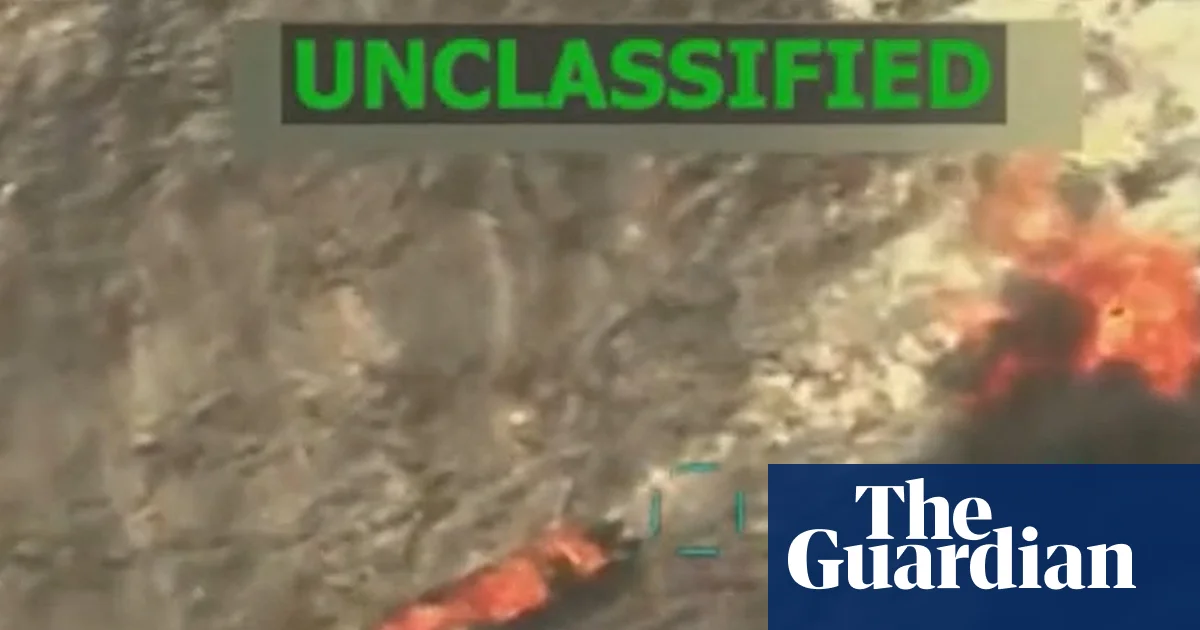
Experts demand release of boat strike footage as US admiral claims no ‘kill them all’ orders | US military

In a sharply escalating confrontation on the global stage, the United States has come under intense scrutiny over its recent military operations against suspected narcotics vessels in the Caribbean. The controversy erupted following reports that a U.S. military strike, ordered during the Trump administration, resulted in the death of survivors—an action that has ignited debates over legality, ethics, and the very nature of American military engagement in conflict zones. The attack, which took the lives of 11 individuals, is now a flashpoint in discussions about the use of force in international waters, especially when linked to the ongoing war on drugs and fentanyl trafficking from Venezuela.

This recent wave of strikes marks a paradigmatic shift from traditional interdiction efforts, moving toward a more aggressive and controversial strategy. Defense officials claim that the operations are intended to curb the flow of illegal narcotics into the U.S., but critics—including prominent human rights organizations and congressional investigators—argue that these actions breach international law and principles of due process. According to Sarah Yager of Human Rights Watch, the U.S. cannot legally justify killing presumed vesseľ operators without a formal declaration of war, warning that the current approach risks setting a dangerous precedent where extrajudicial killings become normalized without accountability, especially as the Biden administration faces mounting calls for transparency.

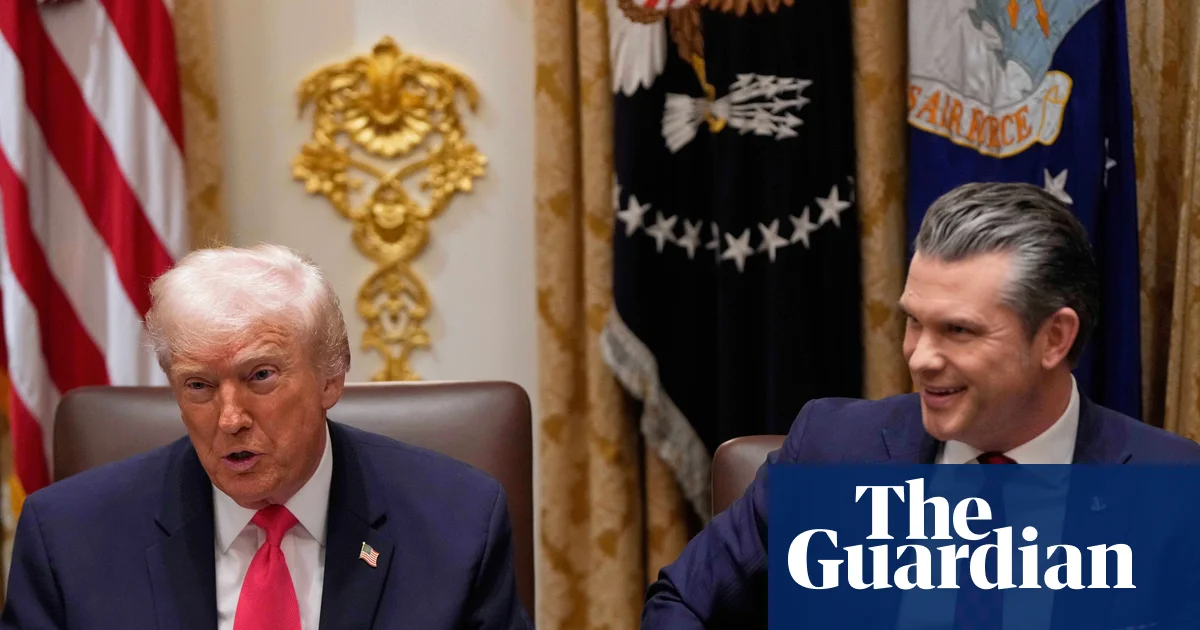
The controversy substantially deepened when allegations emerged that Secretary of Defense Pete Hegseth had issued explicit orders to “kill them all,” including survivors attempting to surrender or escape the wreckage. This claim has ignited bipartisan concern in Washington, as lawmakers from both parties question whether such directives violate rules of engagement and international humanitarian laws. During congressional hearings, military officials vehemently denied the existence of any explicit “kill all” orders, although some senators, such as Thom Tillis, expressed alarm at the possible implications of targeting defenseless individuals. The debate underscores the geopolitical impact of America’s expanding latitude for military action, which threatens to undermine the perceived legitimacy of U.S. foreign policy while risking new conflicts in fragile regions.

Analysts warn that, beyond its immediate legal and ethical questions, this campaign could have profound repercussions on global stability. Historian John Jones from the International Security Council states that when a superpower resorts to extrajudicial strikes, it risks eroding international norms that safeguard human rights and sovereignty. Critics contend that the U.S.’s aggressive tactics may fuel anti-American sentiments across Latin America and the Caribbean, fostering instability and empowering hostile actors. As the global community watches, the West’s confidence in its moral authority hangs in the balance, with the forces of geopolitics and justice colliding in a tumultuous contest for influence and moral legitimacy. The unfolding controversy leaves the world on edge, as history’s pen continues to chart a new chapter—one that might forever redefine the boundaries of military authority and the moral boundaries of intervention.

Social Media Auto Publish Powered By : XYZScripts.com