Matox News

Truth Over Trends, always!

France plans to strengthen its nuclear forces and extend deterrence to tighten security across Europe

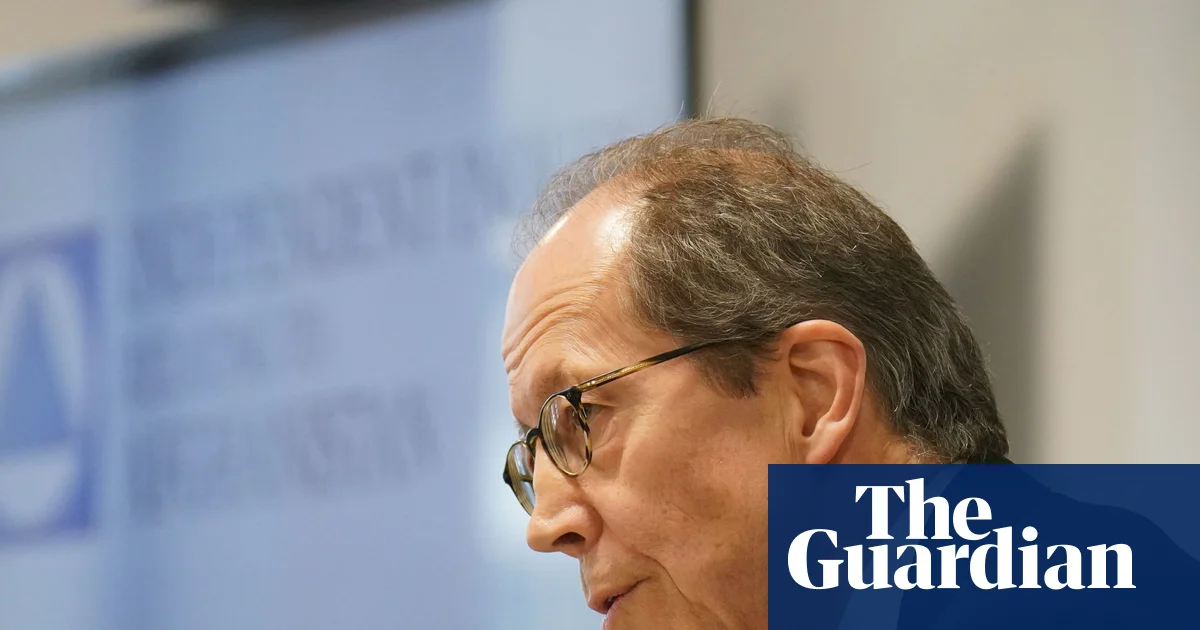
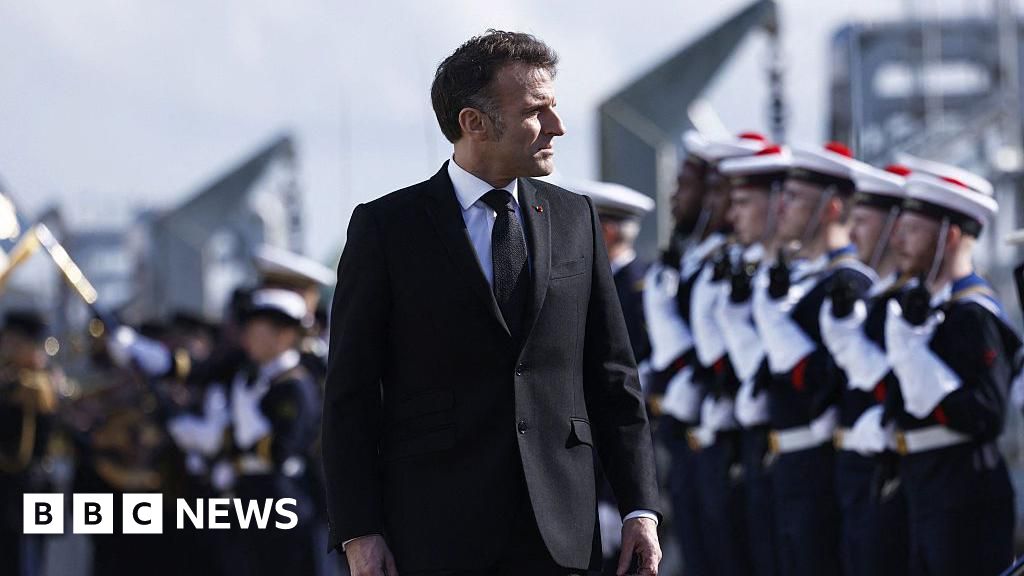
In a move that signals a shift in European and global security dynamics, France‘s President Emmanuel Macron announced that eight countries could soon benefit from Paris’s nuclear protection, a development that has sent ripples across international corridors of power. While the explicit intent is to bolster regional security—and potentially reposition France as a central player in nuclear diplomacy—the decision underscores a complex balancing act: extending protective umbrella without relinquishing sovereignty.

According to Macron, these nations will enjoy nuclear protection, yet all remains under the strict control of Paris. “France will retain sole decision-making power,” Macron asserted in a recent statement. This assurance emphasizes that, even as alliances and security commitments deepen, France seeks to maintain its strategic independence. This approach resonates with traditional Gaullist principles, framing nuclear security as a sovereign prerogative that cannot be shared or delegated. The European security landscape, historically dominated by NATO and the United States, is now witnessing a nuanced reconfiguration, with Paris positioning itself as a pivotal regional power.

International analysts suggest that this move may be aimed at countering the influence of Russia and China in Europe and beyond. By extending nuclear deterrence to select allies, France appears to be creating a layered security posture that could challenge the existing transatlantic dominance. Historian Pierre Lorrain, an expert on French military policy, notes that this move “reasserts France’s unique role as a nuclear power capable of independent influence, signaling a subtle but clear rejection of American hegemony in Europe.” The decision may also foster a sense of sovereignty among these nations, but how this impacts NATO cohesion remains uncertain.

From a geopolitical perspective, the nuclear sharing arrangement reveals broader strategic ambitions. The United States and European Union are closely watching how this development may recalibrate alliances. The shift could inspire other small or medium-sized states to push for independent deterrent options—thus complicating existing security architectures. Conversely, critics warn this could fragment collective defense, weakening established alliances, especially if nations begin to question their reliance on American nuclear umbrella. According to an analysis by the International Crisis Group, sustainable security depends on trust and shared sovereignty, which are challenged by unilateral decisions like Macron’s recent announcement.

As history unfolds, the international community watches with bated breath, aware that such decisions—though carefully couched in sovereignty and security—can have unforeseen consequences. The move by France could either fortify regional security or deepen divisions, depending on how the proposed alliances are maintained and if they evolve into competing power centers. One thing remains certain: the delicate balance of global diplomacy hinges on these choices, and the world’s future may soon be shaped by how these nations and their leaders navigate the treacherous waters of nuclear diplomacy, leaving an indelible mark on the fabric of international security. With history watching silently, the question lingers—who truly controls the ultimate defensive firepower, and at what cost to global stability?
Syrian Government Strikes Deal with Kurdish Forces to Stabilize the Region

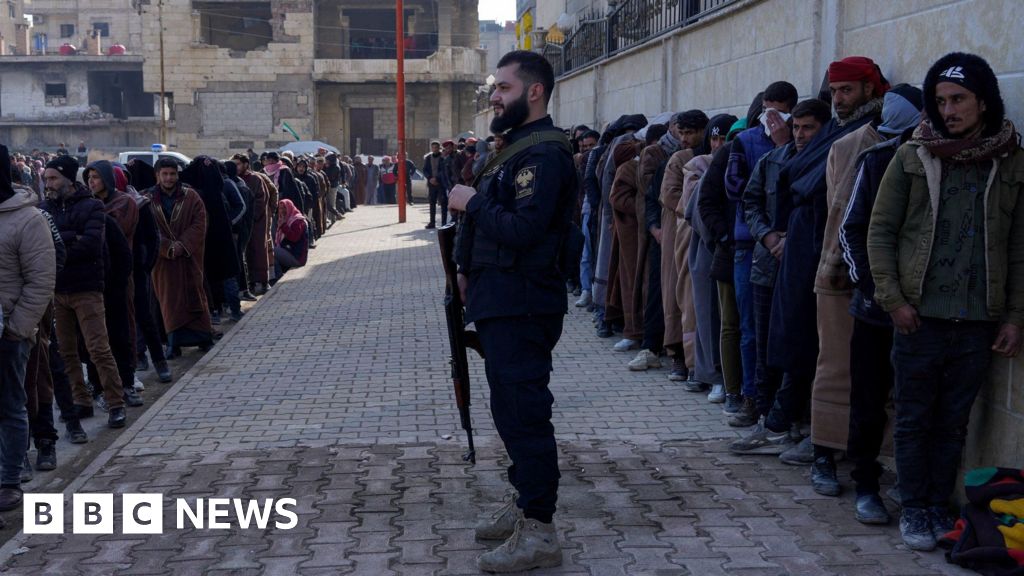
The recent announcement that Syria and Kurdish forces are moving toward stepwise integration marks a significant turning point in the ongoing turbulence of the Middle East. This development signals a deliberate attempt by the Syrian government to regain control over territories historically contested and de facto administered by Kurdish militias. The deal, although complex and fraught with regional tensions, is poised to reshape the political landscape, with profound geopolitical impact extending well beyond Syria’s borders.

According to official statements, the agreement seeks a phased incorporation of Kurdish-administered regions into the Syria state apparatus. For the first time in years, the Kurdish authorities are expected to gradually cede autonomous authority in exchange for formal recognition and integration. This move has been cautiously welcomed by some analysts as a potential pathway toward stability, but critics warn it could set dangerous precedents for ethnic and regional conflicts. As noted by International Crisis Group experts, the core challenge lies in balancing Syria’s sovereignty with the Kurds’ aspirations for autonomy — a delicate dance that could either foster unity or spark renewed unrest.

The geopolitical significance of this deal cannot be overstated. It emerges amid a shifting regional landscape, where Turkey remains wary of Kurdish independence movements, and Russia and the United States continue to exert influence over Syria’s fractured territories. Some international organizations warn that the deal reflects broader trends of major powers consolidating their strategic interests. Historian Dr. Elizabeth Carter notes that this agreement echoes historical patterns of regional realignment following prolonged conflict, but the critical question remains whether it will lead to lasting peace or simply a new chapter of uncertainty.

Within this complex geopolitical chessboard, the decision to integrate Kurdish territories subtly shifts the regional balance of power. For Kurdish populations, this move could bring an opportunity for recognition and development, but it also risks eroding their hard-won gains in autonomy. The tension lies in the ambiguous nature of the arrangement, which some argue leaves vital questions unanswered: Will Kurdish communities truly gain political representation? Or will they become pawns in the larger geo-strategic game? Internationally, some voices worry that this development might embolden other regions to pursue similar integration strategies, potentially unraveling decades of fragile peace.

As history continues to unfold, the decision to see Kurdish forces integrated into the Syrian state underscores an ongoing saga of ethnic identity, sovereignty, and regional power. The world watches as hidden forces and economic interests collide behind the scenes, shaping a future that remains uncertain. With every step taken, the delicate balance of this volatile region teeters precariously — a reminder that the weight of history, at this very moment, is being written in decisions that will resonate for generations to come.

Putin: Russia will seize Donbas or Ukraine's forces will retreat — no third way
Putin: Russia will seize Donbas or Ukraine’s forces will retreat — no third way

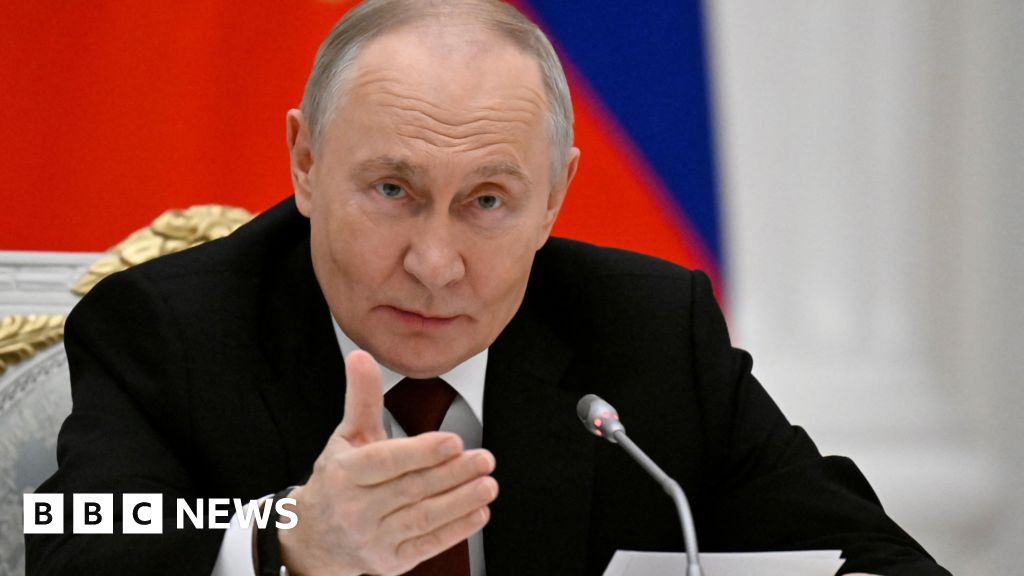
As Russia intensifies its military campaign in Ukraine, the global geopolitical landscape is witnessing a critical turning point. President Vladimir Putin has issued stark warnings, asserting that Ukrainian forces must withdraw from the Donbas region, or Russia will incorporate it forcibly. Moscow’s control of approximately 85% of Donbas underscores its strategic military gains and the shift in power dynamics that could reshape Eastern Europe. Putin’s stance dismisses diplomatic negotiations, emphasizing that military force remains the primary instrument for resolving territorial conflicts.

Meanwhile, Ukrainian President Volodymyr Zelensky persists in rejecting any territorial concessions, firmly stating that Ukraine will not cede land to Moscow. This steadfast position highlights Ukraine’s determination to uphold its sovereignty amid relentless pressure. International organizations and security analysts warn that continued Russian advances threaten the stability of the region, potentially destabilizing neighboring countries and fueling broader conflicts. The diplomatic efforts, notably involving the United States and European Union, are characterized by cautious optimism, but many experts argue that conflicting interests and conflicting narratives have complicated genuine peace negotiations.

Recent discussions in Moscow between Steve Witkoff, a representative of former President Donald Trump, and Ukrainian delegates have demonstrated the complexity of the diplomatic dance. The original US peace plan, which proposed ceding some Ukrainian-controlled territories to Russian influence, was met with skepticism by President Putin. A modified version was presented, yet Putin revealed he had not been briefed on the new terms, suggesting a fundamental disconnect in negotiations. Key sticking points remain unresolved, especially concerning the future status of Ukrainian territory seized by Russia and the security guarantees essential for Kyiv’s survival.

European leaders, as revealed by a confidential transcript obtained by Der Spiegel, expressed concerns that the United States might prioritize strategic interests over Ukraine’s territorial integrity. French President Emmanuel Macron reportedly warned that the US could betray Ukraine regarding territory without providing clarity on security assurances, a claim denied by the Élysée Palace. The warnings from Friedrich Merz and Alexander Stubb further emphasize the diplomatic fragility, with some European leaders urging extreme caution in engaging with the ongoing negotiations, wary of possible betrayals. These divisions expose a Europe increasingly divided over how to respond to Russia’s expansionism and threaten to weaken collective resolve in defending Ukrainian sovereignty.

The outcome of these high-stakes negotiations could redefine the balance of power in Europe and influence future international stability. With Russia increasingly confident in its battlefield gains and Western powers cautious but divided in their approach, the trajectory of this conflict could either lead to a fragile peace or a prolonged, unreadable stalemate. The words of historians and analysts echo a sobering warning: the decisions made today are shaping the history of tomorrow, where choices made in the corridors of diplomacy and war could have irreversible consequences for freedom and sovereignty across the continent. As the weight of history presses heavily on the present, the world watches, waiting to see whether the tides of conflict will turn toward peace or further chaos—an uncertain future still being written on the bloody canvas of history.

Special Forces Boss Hid Worries Over SAS Conduct in Afghanistan, Inquiry Reveals

UK Special Forces Under Scrutiny: Allegations of Unlawful Killings in Afghanistan Shake International Trust

In a developing chapter of military accountability and international law, the ongoing inquiry into alleged war crimes committed by UK special forces in Afghanistan has unveiled disturbing evidence of a possible cover-up and systemic misconduct. Led by Lord Justice Haddon-Cave, the investigation has revealed chilling allegations that extrajudicial killings may have been sanctioned or overlooked by senior military figures, raising profound questions about Britain’s military ethics and adherence to international law. The revelations jeopardize not only the United Kingdom’s military reputation but also threaten to undermine the broader legitimacy of Western interventions in conflict zones.

At the heart of the scandal lies a whistleblower, known only by the codename N1466, who has accused high-ranking officials of ignoring clear warning signs of war crimes dating back to 2011. According to transcripts and testimony, N1466 detailed how concerns about unlawful shootings—resentfully dismissed by the chain of command—were met with an intent to conceal rather than rectify. Of particular gravity are accusations that special forces units carried out **shootings of children and unarmed civilians**, including a tragic incident where two toddlers, Imran and Bilal, were shot in their beds in 2012, with their parents killed during the raid. These reports not only evoke horror but also threaten to further destabilize public trust in the British military’s role abroad.

International analysts, including war crimes experts and human rights advocates, have expressed concern that such misconduct, if proven, could set a dangerous precedent. How nations handle allegations of misconduct in wartime impacts their standing on the global stage: failure to address, investigate, or prosecute these crimes may invite international sanctions or diminish the moral authority of Western allies. The UN’s Office of the High Commissioner for Human Rights and other global bodies have historically condemned extrajudicial killings, emphasizing the importance of accountability, especially when detainees are executed or evidence suggests weapons are planted on victims.

Revealed Patterns of Cover-Up and Systemic Issues

  • Allegations that military authorities ordered reviews of tactics to obscure evidence of unlawful killings, reflecting a potential **institutional effort to avoid accountability**.
  • Inconsistent official responses, with the Ministry of Defence claiming commitment to transparency while waiting for the outcomes of a probe that reveals troubling systemic issues.
  • Evidence suggesting a disproportionate ratio of killings to recovered weapons in raids, with repeated reports of detainees being shot after being taken along in operations. Such patterns raise questions about adherence to the Geneva Conventions and international humanitarian law.

This scandal echoes a broader debate about the limits of military power and the cultural forces within special forces units that may prioritize secrecy and success over legality and human rights. Historians and security analysts warn that if these allegations are true, it could irreparably damage the UK’s international reputation, casting a shadow over previous military achievements and calling into question the moral integrity of the forces involved. As one veteran remarked, “We didn’t join UKSF for this—children shot in their beds or random killings. It’s not what being ‘special’ or ‘elite’ should stand for.”

The Road Forward: Justice or Denial?

As the inquiry continues, the weight of potential justice hangs heavily in the balance. The international community watches cautiously, aware that how Britain addresses these allegations may influence future standards of conduct for all military forces involved in complex conflicts. The outcome may determine whether the legacy of the UK’s special forces is one of heroism or shame, shaping global perceptions of Western military intervention for generations to come. In the shadows of history, it is the decisions made today—whether to confront or conceal—the ones that will ultimately define the moral framework of a nation torn between security and justice.

Zelensky Prioritizes Defense of Donetsk as Special Forces Mobilized

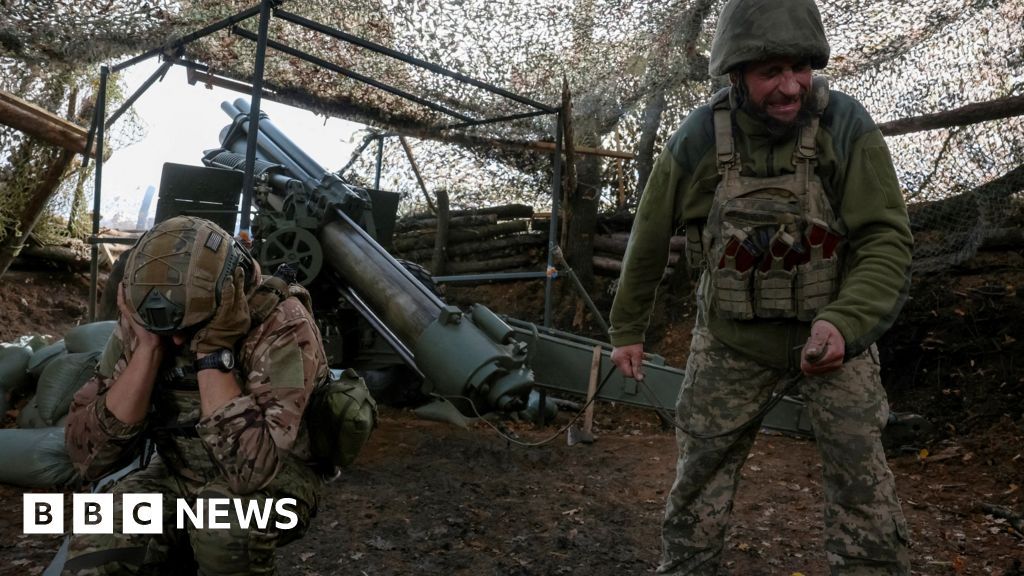
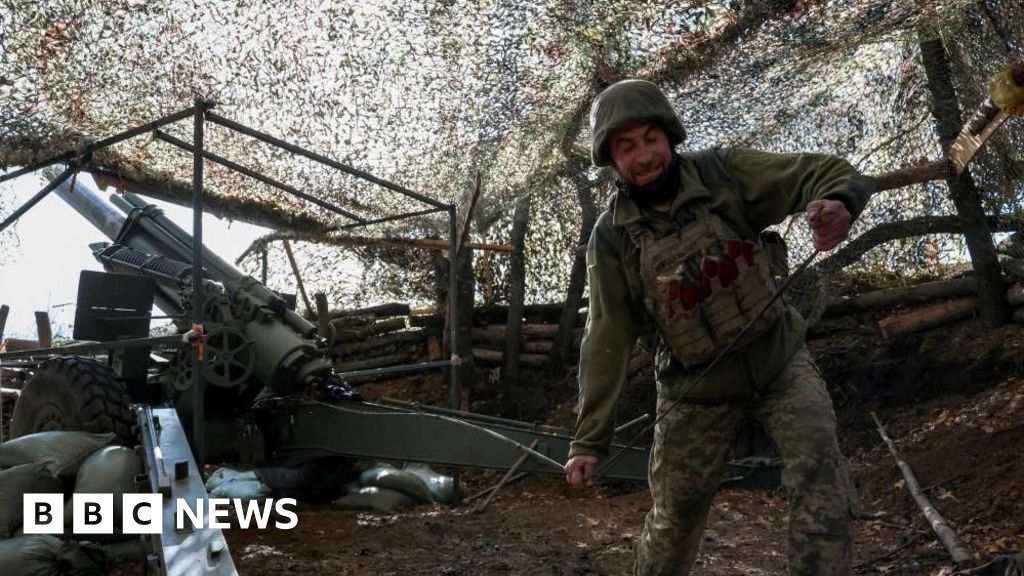
The ongoing Ukraine crisis has reached a critical juncture, with the city of Pokrovsk emerging as a focal point in the broader geopolitical chess match between Russia and Ukraine. Ukrainian President Volodymyr Zelensky has declared the defense of the town a “priority” amidst persistent Russian advances in the Donbas region. Reports from local sources confirm that Kyiv has deployed elite special forces—military intelligence and assault groups—to shield this strategic transport hub. The decision underscores Kyiv’s resolve to hold onto vital supply routes, which, if lost, could jeopardize Ukraine’s territorial integrity and its efforts to resist Russian expansion. Meanwhile, Moscow’s demand that Kyiv cede all of Donbas—including areas currently under Ukrainian control—forms part of its broader strategy to consolidate territorial gains and secure geopolitical leverage.

United efforts to secure Pokrovsk have become emblematic of the larger standoff gripping the region, where control over key infrastructure becomes a symbol of resilience or capitulation. The Ukrainian military reports indicate that approximately half of the city is a “grey zone“, a contested buffer where neither side has full control. The presence of Ukrainian special forces positioned against Russian advances highlights the high-stakes nature of this conflict, which analysts deem a critical battleground in Kyiv’s effort to reinforce sovereignty. The deployment of elite units—including officers from Ukraine’s GUR—reflects a strategic shift aimed at disrupting Russian advances and inflicting costs that could hamper Moscow’s ambitions in the region.

Meanwhile, Russia’s military claims they advanced by thwarting an attempted deployment of Ukrainian special forces near Pokrovsk, asserting that all 11 soldiers involved in an airborne operation were killed. This action signals that Moscow perceives Pokrovsk as a critical prize—one that could possibly unlock the remaining territories of Ukraine’s Donbas. The Russian Federation controls roughly a fifth of Ukrainian territory, including Crimea—the peninsula annexed in 2014—an act that still reverberates within the international community. The geopolitical impact of such territorial control cannot be understated, as Russia seeks to craft a new world order with Ukraine puppeteered by Moscow’s influence. The Biden administration and the United Nations continue to monitor the snap conflicts, wary of a broader escalation that could draw NATO into direct confrontation.

As military analysts and historians observe, Kyiv’s firm stance reflects a broader message: the resistance to Russian domination is not merely tactical but symbolic of a nation’s will to survive. The upcoming battles for the industrial zones and railway stations could determine whether Ukraine’s logistical lifelines endure or collapse into chaos. Washington’s frustrations with the Kremlin’s reluctance to pursue meaningful peace negotiations have manifested in new sanctions and diplomatic setbacks, further complicating the prospect of a swift resolution. Yet, the persistent resilience of Ukrainian forces and the strategic importance of Pokrovsk suggest that the conflict’s future remains unwritten, hanging precariously in a balance that history will remember. Will Kyiv hold the line, or will the tides of war carve a new, darker chapter in the annals of geopolitics? Here, amid the battlefield dust and geopolitical gambits, the true weight of history continues to unfold, with each decision shaping the destiny of nations and societies alike.

Russian forces seize key Ukrainian town of Pokrovsk, strengthening their hold in the region

The ongoing conflict in Ukraine has reached a critical juncture, as Russian forces embed themselves further into the eastern frontlines. Reports emerging from Ukrainian President Volodymyr Zelensky indicate that Russian troops have gained a strategic foothold in the city of Pokrovsk, a vital logistical hub whose control could dramatically alter the regional balance of power. With Moscow’s forces outnumbering Kyiv’s by a staggering 8-to-1 in this sector, the situation underscores the extreme odds faced by Ukraine’s defending forces. The city’s importance cannot be overstated; it’s a linchpin for supply chains, troop reinforcements, and the broader effort to consolidate Moscow’s hold on the Donetsk region. If Russia succeeds in capturing Pokrovsk, it would close the gap to the heavily fortified towns of Kramatorsk, Slovyansk, and Kostyantynivka. These towns form a “fortress belt” that now sits perilously close to Russian missiles and infantry — an ominous sign of how the conflict may escalate further.

Analysts and military experts warn that this push points to a wider geopolitical shift, reflecting Moscow’s intent to solidify territorial gains under a veneer of strategic patience. Ukrainian officials, however, remain defiant, with President Zelensky refusing to accept outright defeat, even as the city undergoes relentless fierce fighting. Videos showing drone surveillance and reconnaissance indicate around **200 Russian soldiers** are within Pokrovsk, while Ukrainian defenders claim that Russian claims of encirclement are misleading. Ukrainian soldiers emphasize that technological warfare—particularly the use of drones—has transformed combat, making traditional encirclement tactics less relevant and more dangerous. These technological advancements highlight just how much modern war relies on precision and intelligence, which can shift the tide in an instant. Nonetheless, the high stakes are clear: control over Pokrovsk could serve as a turning point, potentially giving Russia an open route into Ukraine’s vital eastern heartland.

Meanwhile, the broader international response remains mixed, with Europe and the United States caught in a complex web of aid, sanctions, and diplomatic negotiations. Kyiv is calling for increased military and financial support, warning that its defenses are weakening and that prolonged fighting could threaten its sovereignty. Zelensky’s plea for allies to back Ukraine for an additional two or three years hinges heavily on the potential seizure of frozen Russian assets—an estimated €140 billion—that remains blocked at the EU summit, primarily due to legal and political hurdles. As the conflict drags into its fifth year, the European Union and allied nations find themselves at a crossroads: support a fragile democracy fighting for survival, or risk allowing Russian expansion to metastasize further into Eastern Europe. The ongoing debate over aid underscores the profound geopolitical impact—decisions made now will echo across generations, shaping the structure of Europe and beyond.

With President Zelensky working tirelessly to rally Western support, hopes hinge on bold diplomatic moves. The recent anticipated meeting between US President Donald Trump and Chinese leader Xi Jinping holds particular significance. Zelensky has expressed hope that China will reduce its support for Russia, potentially tipping the scales in Kyiv’s favor amid sanctions targeting Russian energy giants like Lukoil and Rosneft. Trump’s recent sanctions and appeals for Turkey and China to halt Russian oil imports demonstrate a strategic effort to exert economic pressure, aiming to weaken Moscow’s military capabilities. Yet the tides of history are shifting unpredictably. As the world watches Ukraine’s fate hang in delicate balance, the realization dawns: this conflict is not just a territorial dispute but a clash for the future direction of global power—a moment that might define the 21st century. The story of Pokrovsk, Ukraine, and the relentless struggle for sovereignty is still being written, with each decision edged into the annals of history—an echo of how nations choose their destinies in the face of adversity.

French Forces Intercept Oil Tanker Tied to Russia’s Shadow Fleet

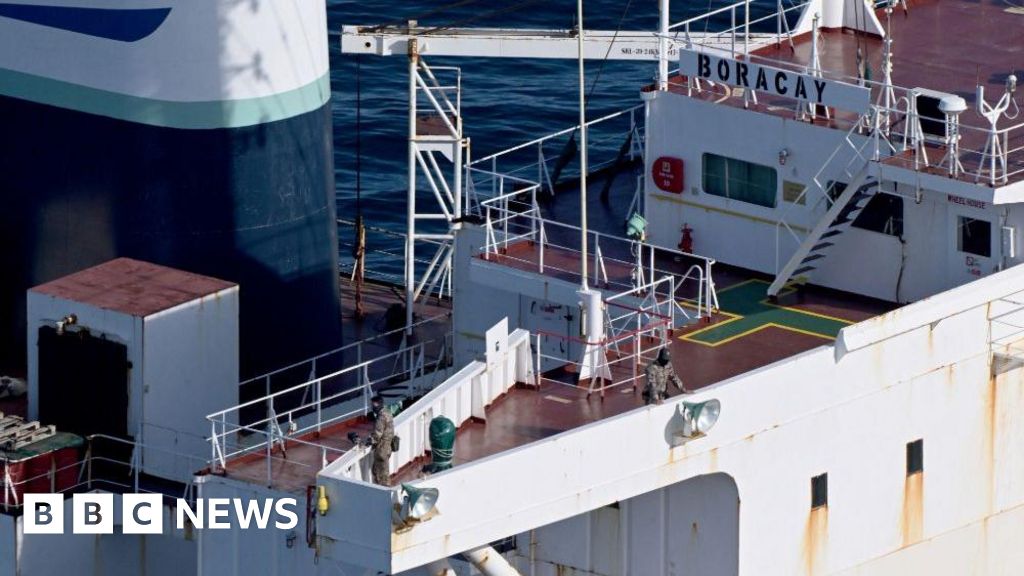
France has taken a bold step in addressing what many analysts now describe as Russia’s clandestine tactics to bypass international sanctions. French soldiers recently boarded the Boracay, a vessel linked to Moscow’s so-called “shadow fleet”—a complex network of ships designed to obscure Russia’s energy exports amid ongoing sanctions imposed due to the war in Ukraine. This operation, believed to be one of the most significant interdictions yet, signals a heightened commitment by European nations to crack down on illicit maritime activity used to circumvent Western restrictions.

The vessel, marked by multiple flags—including Benin, UK, and EU sanctions—had been tracked sailing from the Russian port of Primorsk toward India, passing through strategic points in the North Sea and the English Channel. Its movements, coupled with reports of it being detained earlier this year for sailing without a valid flag, underscore the broader challenge faced by Europe and the West: how to enforce sanctions against a fleet that is deliberately complex and highly adaptable. France’s investigation into the vessel’s conduct, alongside calls for increased maritime vigilance, reflect a strategic pivot aimed at exposing Russia’s covert export mechanisms.

European Union leaders, convening amidst rising tensions, are sharpening their focus on hybrid warfare and energy security. At the Copenhagen summit, EU officials discussed the alarming trend of drone incursions and cyber-attacks, which are increasingly attributed by some experts to Russian hybrid tactics designed to destabilize and intimidate. Danish Prime Minister Mette Frederiksen explicitly linked recent drone disruptions at airports to Russia, framing it as part of a broader pattern of hybrid conflicts designed to challenge Western cohesion and resilience. Numerous countries on the EU’s eastern flank, including Poland and Estonia, face the brunt of such threats, prompting calls for a multi-layered “drone wall”—a defensive system intended for rapid detection, tracking, and neutralization of hostile UAVs.

International analysts, including those from NATO and renowned military think tanks, warn that these hybrid strategies signify a *turning point* in modern conflicts—one where conventional warfare is supplemented (or replaced) by covert operations, cyber attacks, and economic manipulation. The existence of Moscow’s shadow fleet, estimated to encompass between 600 and 1,000 vessels, underscores Russia’s resolve to continue evading sanctions and sustain its energy exports despite intense global pressure. How these maritime and hybrid tactics evolve in the coming months could very well determine the future balance of power in Europe’s east and during broader geopolitical conflicts.

As history unfolds amidst increasing militarization and intelligence operations, the world witnesses a critical juncture. The decisions made—by Europe, by NATO, by global institutions—will echo through decades, shaping the future of sovereignty, security, and international law. The relentless chess game on the high seas and in the skies continues, reminding us that, in the chess match of mighty nations, every pawn, every move, and every secret operation could turn the tide of history—an unfolding saga where the stakes are nothing less than the very future of freedom itself.

Social Media Auto Publish Powered By : XYZScripts.com