Matox News

Truth Over Trends, always!

Anna Wintour’s Vogue Covers: A Bold Message at the Forefront of Fashion and Culture

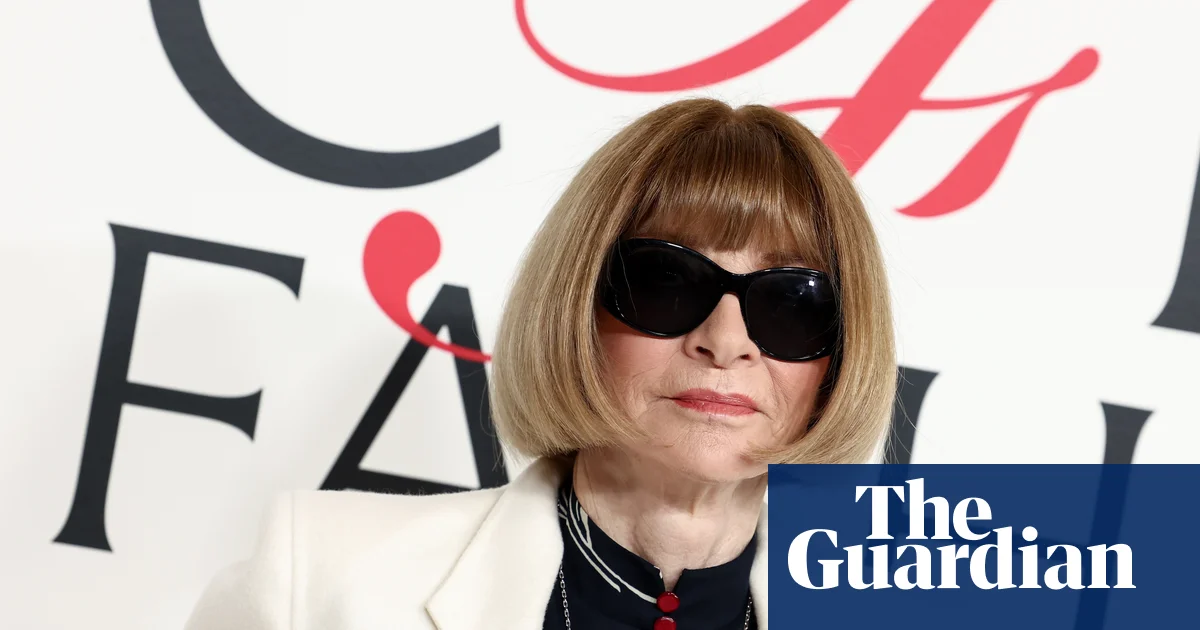
As Anna Wintour prepares to step away from her nearly four-decade reign as the editor-in-chief of Vogue, the question on everyone’s lips is: what will the next chapter in high fashion’s cultural influence look like? During her tenure, Wintour redefined what a fashion magazine could be—shaking up industry standards, pushing social boundaries, and cementing Vogue’s place as a cultural icon. Her final December 2025 cover, featuring Timothée Chalamet photographed by Annie Leibovitz, symbolized her love for the avant-garde—yet, it also sparked controversy, highlighting an undercurrent of societal leverage that her departure could shift.

This cover, set against a cosmic backdrop provided by NASA, exemplifies Wintour’s penchant for making her magazine a platform for spectacle and conversation. Critics online dismissed it as “offensive” and questioned whether it represented anything more than art for art’s sake. However, industry insiders like Jeremy Leslie of magCulture argue that even the most perplexing covers serve a strategic purpose: keeping Vogue, and by extension fashion media, in the global consciousness. Her history of provocative choices—ranging from Madonna in 1989 to Beyoncé in 2018—underscores an enduring truth: fashion media acts as both mirror and molder of societal values, often pushing boundaries that society itself is hesitant to confront.

Wintour’s legacy is also marked by moments of controversy and cultural critique. Covers featuring figures like Beyoncé as the first Black photographer, as well as missteps like the 2008 Gisele Bündchen and LeBron James cover, reveal an industry still grappling with questions of representation and social responsibility. As Chloe Malle, now leading Vogue’s editorial content, prepares to reframe the magazine’s upcoming visual language, many wonder if her era will mirror Wintour’s knack for boldness or shift toward a more subdued, less provocative model. This transition isn’t just about style—it’s about social impact, and how fashion wields influence in shaping societal norms.

Meanwhile, Wintour’s recent focus on Vogue World, a series of fashion shows blending entertainment, philanthropy, and high style, signals another layer to her influence—one that moves beyond pages and into immersive cultural experiences. These events, held in iconic cities like Los Angeles and Milan, bring together stars like Kendall Jenner, Nicole Kidman, and others in a spectacle that marries fashion with societal outreach. As fashion’s landscape shifts to more experiential and socially conscious domains, the question remains: will future creative leaders harness this platform to redefine social relevance or will fashion become increasingly insular, serving just the wealthiest and most powerful?

As the evolution of Vogue’s influence unfolds, all eyes are on the next frontier. Will the digital age and social media democratization allow for more authentic representation and societal engagement from fashion’s power brokers? Or will the industry’s penchant for spectacle and controversy continue to serve as a distraction from deeper social issues? The next big question is: as traditional gatekeepers like Anna Wintour make way for a new era, what values will take center stage—artistry, activism, or pure spectacle—and how will they shape society’s expectations of culture in the decades to come?
US Elections 2025 Kickoff: Youth Vote at the Forefront as Americans Head to the Polls in Key States

International Eyes on United States as Crucial Elections Reshape Global Power Dynamics

Across the world, political analysts and international observers are keenly tracking the U.S. elections taking place on November 4, 2025. These elections are more than national affairs; they are a testament to the internal strife and shifting allegiances within America, a country whose decisions reverberate through every continent. Close attention is paid to how the results could influence geopolitical stability, alliances, and global economic trends. Leading voices in international diplomacy warn that the outcome may redefine America’s role on the world stage, especially amid mounting tensions with rival superpowers and fragile regional hotspots.

Renowned historians and policy analysts, such as Dr. Amanda Liu of the International Security Council, emphasize that this election could mark a decisive turn toward either renewed American interventionism or a retreat into isolationism—choices that will inevitably shape international relations. As the U.S. grapples with high-stakes local elections in New York City, New Jersey, Virginia, and California, the implications extend far beyond domestic borders. Reports suggest that global powers are already calibrating their diplomatic strategies based on potential shifts in American foreign policy, particularly when it comes to trade, military commitments, and climate change agreements.

  • In California, voters could reshuffle congressional maps, effectively tilting the balance of power, to counteract gerrymandered districts that favor Republicans.
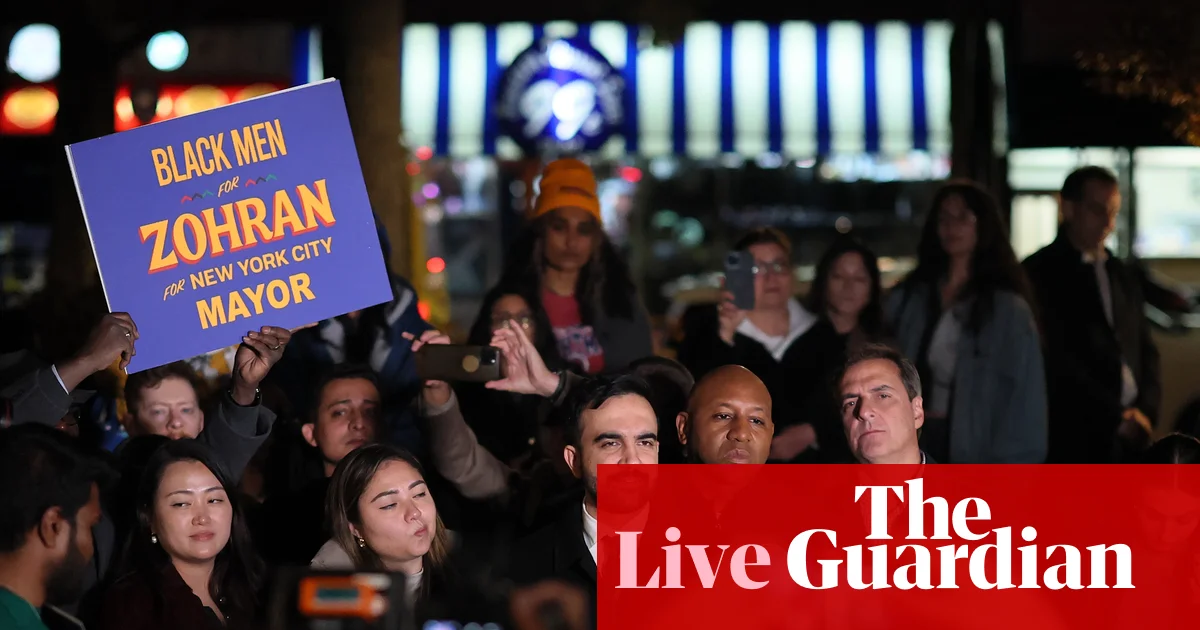
  • The volcanic political contest in New York City sees a democratic socialist, Zohran Mamdani, poised for victory over the ex-governor Andrew Cuomo, a development that could propel left-wing policies onto a broad urban platform with repercussions for national policy debates.
  • High-stakes gubernatorial elections in Virginia and New Jersey are perceived as a barometer for voters’ confidence in President Biden, potentially influencing the trajectory of the current administration’s foreign initiatives.

International organizations, including the United Nations, have issued cautious statements, urging the U.S. to uphold democratic norms regardless of the outcome. Yet, many seasoned analysts warn that the political instability and increased polarization threaten the very fabric of American diplomacy. The geopolitical landscape could face turbulence, especially if the electoral results catalyze an era of heightened partisan contention—an example, critics argue, of how internal divisions undermine America’s credibility and strategic partnerships worldwide.

This unfolding chapter is not lost on Russia, China, and other global rivals who tirelessly monitor American politics for signs of weakness or resurgence. Their diplomats and intelligence agencies interpret every vote as a potential shift in the balance of global power, preparing for recalibrations of their own foreign policies in anticipation of the coming administration. As Russian foreign policy analysts note, “The stability of the U.S. political system remains a cornerstone of world order; any cracks could be exploited by adversaries.”

As history continues to unfold, the outcome of these elections may set in motion a cascade of events—some predictable, others unforeseen. While the world watches with bated breath, the very fabric of global diplomacy awaits a new chapter—where decision-makers in capitals from Brussels to Beijing grapple with the echoes of a nation at a crossroads. Will the tide turn toward renewed American assertiveness or a cautious withdrawal? Only time will tell, but the burden of history presses ever heavier with each ballot cast in the shadow of the future of world order.

Social Media Auto Publish Powered By : XYZScripts.com



