Matox News

Truth Over Trends, always!

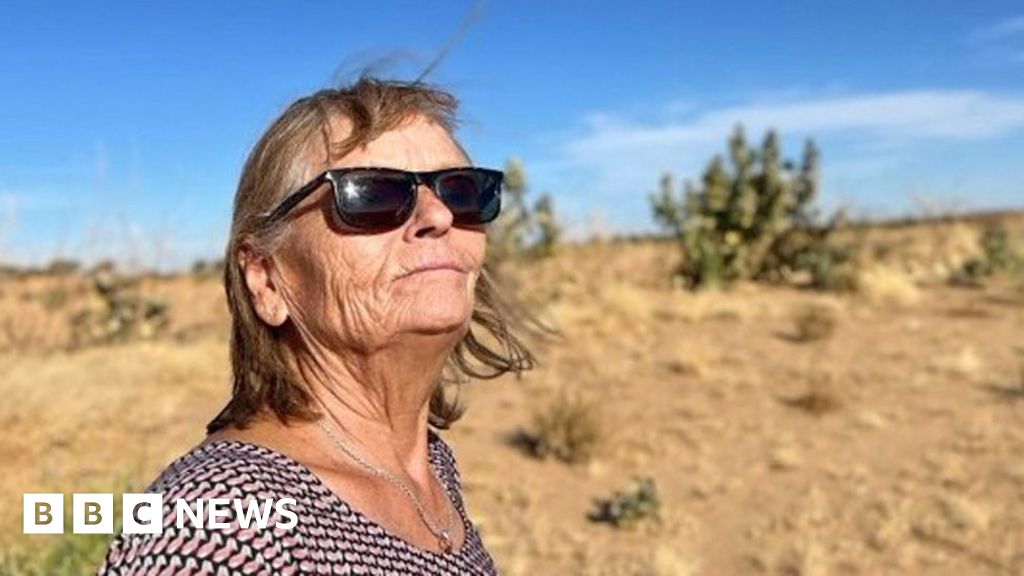
Foreigners increasingly targeted in Sahel's lawless chaos—security risks soar
Foreigners increasingly targeted in Sahel’s lawless chaos—security risks soar

The year 2025 has vividly underscored the mounting insecurity gripping the Sahel region of Africa. Known historically for its volatility, this vast expanse—stretching across countries like Mali, Niger, Burkina Faso, and parts of Chad—has become a flashpoint of destabilization and violence. According to recent reports by international organizations and security analysts, 2025 stands out as one of the worst years on record for the abduction of foreigners, revealing the dangerous expansion of militant networks and the weakening of state control. This increase in hostilities is not merely an African crisis but a matter with profound geopolitical repercussions that threaten global stability.

The surge in abductions has been driven by a complex web of factors, including the proliferation of jihadist groups and opportunistic insurgents exploiting the region’s political fragility. The transnational nature of these threats means that their impact extends beyond Africa’s borders. Countries like France, the longstanding military presence in the region under operations such as Opération Barkhane, have faced critical challenges in restoring order. Analysts warn that the diminished capacity of African governments to maintain security and the rise of non-state actors have created a power vacuum. International organizations such as the UN have issued warnings about the potential for these conflicts to further destabilize neighboring countries and fuel regional migration crises.

Key events of 2025 include a sharp increase in high-profile abductions targeting foreign aid workers, diplomats, and business personnel. These acts of terror have led to a tipping point in international engagement and call into question the long-term effectiveness of current military and diplomatic strategies in the region. Notably, critics argue that previous reliance on external military interventions have failed to address the underlying causes—poverty, political disenfranchisement, and porous borders.

  • The shift toward more humanitarian and development-focused initiatives by some nations has yet to yield significant progress, leaving foreign nationals vulnerable.
  • Meanwhile, regional powers like Nigeria and Algeria are under mounting pressure to take more decisive action, yet face their own internal challenges that hamper a coordinated response.

As security experts and historians such as Dr. Samuel Huntington warn, neglecting the escalating crisis risks encouraging militant groups to extend their reach, potentially transforming local conflicts into broader regional unrest. The international community must grapple with the reality that the Sahel’s instability is a harbinger of greater chaos—prompting urgent debate on strategic priorities and intervention policies.

Ultimately, the fate of the Sahel and its impact on global stability remains an unfolding story. With each abduction, each act of violence, the fragile fabric of regional peace teeters further toward collapse. The questions loom large: Will the world recognize the gravity of the crisis before it is too late? Or will history again witness a period where neglect and ineffective policies deepen the wounds of a war-torn continent? As the sands of the Sahel shift violently under the weight of these conflicts, the international community finds itself at a crossroads, whether to act decisively or watch accordingly as history writes itself anew—with echoes that will resonate well beyond Africa’s deserts.
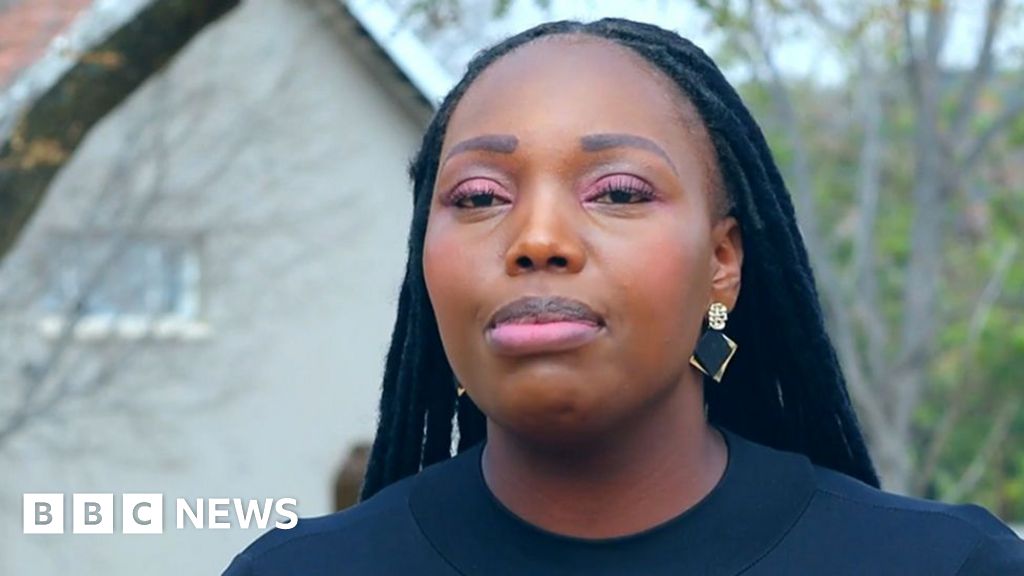

Anti-migration activists deny healthcare access to foreigners

South Africa’s Humanitarian Crisis Deepens Amid Growing Migration Tensions

The unfolding situation near Johannesburg signals a troubling shift in South Africa’s internal stability and the country’s complex relationship with migration. In recent weeks, a grassroots movement known as Operation Dudula, initially emerging as a civic pressure group, has metamorphosed into a political entity with tangible influence in local governance. Their campaigns against foreign nationals accessing public healthcare reflect broader social fissures — and geopolitical impact that extends beyond national borders, impacting regional stability and South Africa’s standing on the world stage.

Operation Dudula advocates for prioritizing “South Africans first,” often citing perceived resource scarcity amid South Africa’s entrenched inequality. The operation’s tactics—picketing clinics, checking ID cards, and turning away migrants—have led to clashes with law enforcement and widespread condemnation from political parties and human rights advocates. Critics, including legal professionals like Fatima Hassan from the Health Justice Initiative, warn that such actions are a breach of constitutional guarantees and threaten law and order. Meanwhile, authorities admit their resources are overwhelmed, unable to curtail such lawless acts, enabling the group’s expansion into new terrains such as public schools — with substantial repercussions for social cohesion and regional diplomacy.

At the core of this turmoil lies a fragile social fabric layered with economic hardship, high unemployment, and historical xenophobia. With approximately 2.4 million migrants—many from Zimbabwe, Mozambique, and Lesotho—South Africa grapples with entrenched anti-foreigner sentiment that sometimes erupts into deadly violence. This is compounded by an overburdened healthcare system, where long queues characterize the daily struggle for essential services. Turned away due to their lack of South African IDs or citizenship papers, vulnerable migrants and even some citizens find themselves without critical medical care—highlighting the destructive combination of policy, social prejudice, and resource scarcity.

International analysts, including economists and historians, warn that the decision to condone or suppress Operation Dudula’s actions could shape the nation’s future. Some suggest that South Africa’s government faces a choice: uphold the constitutional rights that enshrine healthcare access, or capitulate to populist nationalism that seeks to scapegoat migrants. The regional geopolitical impact reverberates, as instability in South Africa risks destabilizing neighboring nations with similar struggles, and encourages further migration turbulence. Meanwhile, international organizations like the United Nations have expressed concern about rising xenophobia, urging South African authorities to restore law and protect human rights—all while nation-building efforts strain under these compounding pressures.

As the echoes of protest and repression continue to reverberate across Johannesburg’s streets, the weight of history presses down on this southern nation. The choices made today—about migration, resource management, and constitutional adherence—will determine whether South Africa can emerge stronger or fall further into chaos. With each passing day, the story remains unwritten, and the true impact of these tumultuous decisions continues to unfold—leaving the world to witness whether this nation can navigate its turbulent course toward stability and justice or succumb to a future defined by division and despair.

Social Media Auto Publish Powered By : XYZScripts.com


