Matox News

Truth Over Trends, always!

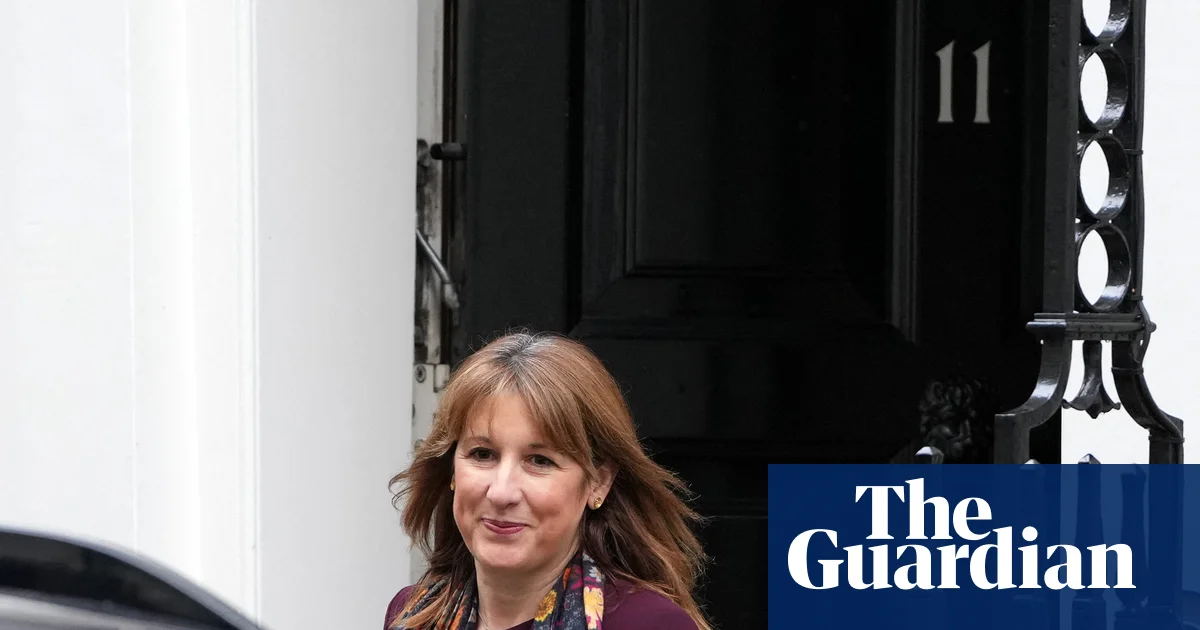
Reeves Targets Benefit Fraud and Raises Two-Child Limit in Budget 2025

UK’s Domestic Policy Moves as Global Power Dynamics Shift

The recent fiscal blueprint announced by Britain’s government underscores a strategic pivot amid mounting economic pressures and escalating international tensions. The decision to scrap the two-child limit for universal credit—a measure long criticized for exacerbating child poverty—marks a significant shift in the nation’s social welfare approach. At a glance, this move appears to prioritize social cohesion and political stability domestically; however, its implications stretch far beyond, influencing the broader balance of power in Europe and the Atlantic alliance. The announcement coincides with a broader effort to project resilience against inflation and rising public debt, with officials emphasizing cost-cutting measures such as freezing rail fares and levies on electricity bills.

Yet, the government’s fiscal strategy faces fierce opposition from both domestic and international analysts. Conservative and reformist voices have criticized the increase in welfare spending as irresponsible, especially against the backdrop of rising taxes for working families. The opposition Labour Party under Sir Keir Starmer defends the budget, arguing that such investments are necessary to uphold social fairness, despite attempts by critics like Kemi Badenoch to frame the policies as a “tax burden on working people.” Meanwhile, the Libertarian-leaning Liberal Democrats warn that further freezes in tax thresholds will push millions into higher tax brackets, stifling economic growth at a critical juncture. This domestic drama underscores a broader geopolitical contest—one where economic stability and social policy serve as battlegrounds for influence and legitimacy.

Internal Controversies and International Repercussions

Amid the government’s focus on welfare reform, questions arise globally about what these changes signify for the UK’s position on the international stage. The proposed reforms to disability benefits and potential cuts to schemes like Motability have triggered protests from disability groups, reflecting a reckoning with social justice policies at a time when the UK seeks to solidify its global image. Historians suggest that these internal struggles reveal the tension between post-Brexit sovereignty and the obligation to adhere to international human rights standards, especially in a climate where international organizations are increasingly scrutinizing national social policies. Furthermore, the UK’s focus on increasing taxes on high-value properties and electric vehicle levies signals an attempt to align fiscal policies with green priorities while balancing public revenues, but critics warn that such measures could alienate middle-class voters whose socioeconomic stability depends on fair taxation.

The impact is particularly palpable when viewed through the lens of geopolitical impact: as the UK recalibrates its domestic policies, especially in welfare and fiscal responsibility, it risks losing influence within broader Western alliances, particularly with Europe grappling with economic uncertainty. The move to increase taxation on the wealthy and properties valued above £2m suggests a conscious effort to re-distribute wealth, but also raises concerns regarding how global financial markets will interpret these signals. Economists warn of the possibility of capital flight and reduced foreign investment if perceptions of fiscal instability persist, directly affecting the UK’s ability to project soft power within European and global forums. This internal political maneuvering, therefore, holds profound consequences for international stability: a nation balancing its social priorities while navigating an increasingly competitive geopolitical landscape.

Conclusion: The Epochal Choices Define the Future

As Britain crafts its new austerity measure and social policy landscape, the weight of history presses heavily upon its shoulders. The decisions made today—discussed among politicians, analysts, and international institutions—will ripple across generations, shaping perceptions of justice, economic resilience, and national sovereignty. This is a moment of transition—one that could redefine the UK’s role on the world stage as it faces internal dissent and external pressure. Will these reforms forge a resilient society capable of withstanding global upheavals, or will they fracture the social fabric that once made the nation a beacon of stability? The answers lie ahead, etched into the unfolding chapters of history where every policy, every debate, leaves an indelible mark on the collective destiny of nations.
Shocking Fraud Unearthed: Poker Cheats Using X-Ray Tables, Tech Gear, and NBA Athletes

Global Crime Syndicates Hit Hard: Mafia-Linked Poker Scheme Unveiled with Devastating Geopolitical Ramifications

In a startling development that underscores the shadowy reach of organized crime into the fabric of American society, federal authorities have dismantled an elaborate gambling scheme linked to Italian mafia factions, including the notorious Bonanno, Gambino, Luchesse, and Genovese families. The investigation, spanning several years and involving relentless federal agents, revealed a sophisticated network targeting high-profile individuals such as celebrities, professional athletes, and wealthy gamblers, with far-reaching geopolitical impact being a core concern for analysts around the world.

The operation, which prosecutors describe as “reminiscent of a Hollywood movie,” employed cutting-edge technology — from X-ray card tables to rigged shuffling machines and contact lenses capable of reading concealed cards — as part of a well-orchestrated effort by criminals to manipulate outcomes and siphon millions. Such technological ingenuity not only exposes the vulnerability of clandestine gambling operations but also demonstrates how technological advancements are increasingly exploited for illicit activities across borders. The scheme’s use of cryptocurrency and shell companies to launder profits illustrates the innovation organized crime employs to stay ahead of law enforcement efforts, threatening the stability of financial systems and how decisions made in legal arenas resonate globally.

High-Profile Figures and International Implications

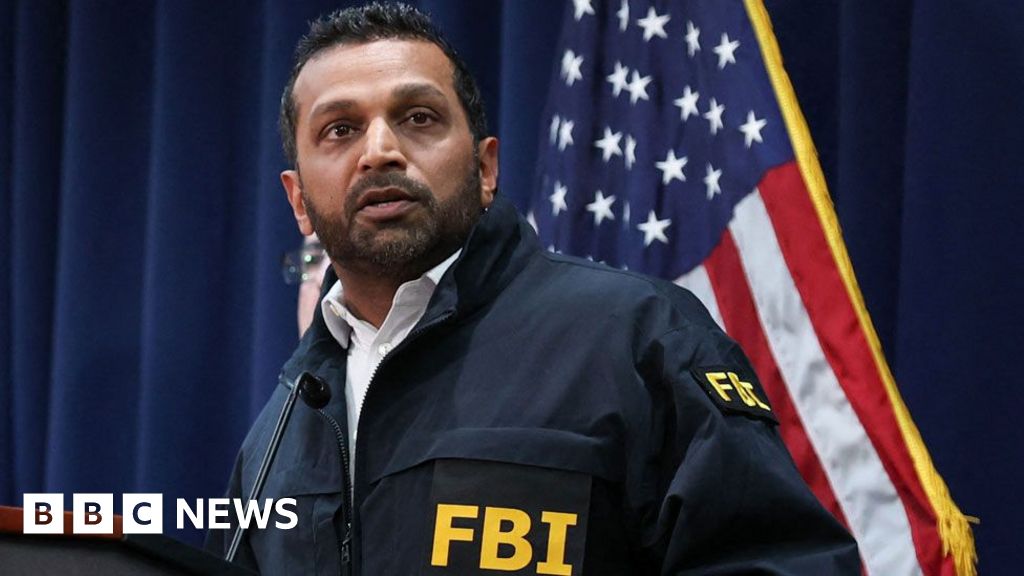
The scheme’s ripple effects extend beyond national borders, with arrests including NBA coach Chauncey Billups and former NBA player Damon Jones. Billups, identified as a “face card” in the illegal poker games, was detained in Portland and reported to be on leave from the NBA, highlighting how organized crime’s reach infiltrates even mainstream sports and entertainment sectors. The involvement of elite athletes, who prosecutors say were enlisted to lure unwitting victims (“fishes”), reveals the dangerous intersection of sports, crime, and international influence. The FBI’s assistant director in charge, Christopher Raia, described the scheme as a threat to national security, emphasizing how organized crime groups use financial resources to fund their broader criminal enterprises, which could include transnational operations far beyond US borders.

Analysts suggest that this bust serves as a warning to other nations about the cross-border nature of organized crime, especially considering the longstanding influence of Italian mafia families interconnected through global criminal networks. The tapestry of illicit activities that includes money laundering, illegal betting, and rigged gambling tables paints a stark picture of a criminal underworld that adapts swiftly to technological change. International organizations such as INTERPOL view the case as a clarion call for enhanced cooperation, recognizing that how nations counter these schemes directly affects societal stability. The dismantling of this operation signifies a pivotal shift, reinforcing the idea that organized crime’s tentacles extend into financial, sporting, and entertainment sectors worldwide — a clear reflection of the complex geopolitical landscape it fuels.

History’s Unfolding Shadow Play

As authorities continue to unravel this sprawling web of deceit, the broader significance becomes clear: history is being written not just with arrests, but through the looming shadow of crime shaping the future of justice and security. The case acts as a stark reminder of how turning points in global criminal pursuits threaten to destabilize societies, challenge law enforcement, and redefine the boundaries of justice. Every technological innovation exploited by these networks whispers a warning to nations still grappling with the fallout, signaling that the battle against organized crime is far from over. The weight of history now rests on the shoulders of global institutions tasked with defending the rule of law, as the dark web of greed and violence seeks to rewrite the future in shadows cast by the very tools meant to innovate and connect nations.

Trump Reveals Commutation of George Santos’s Federal Fraud Sentence

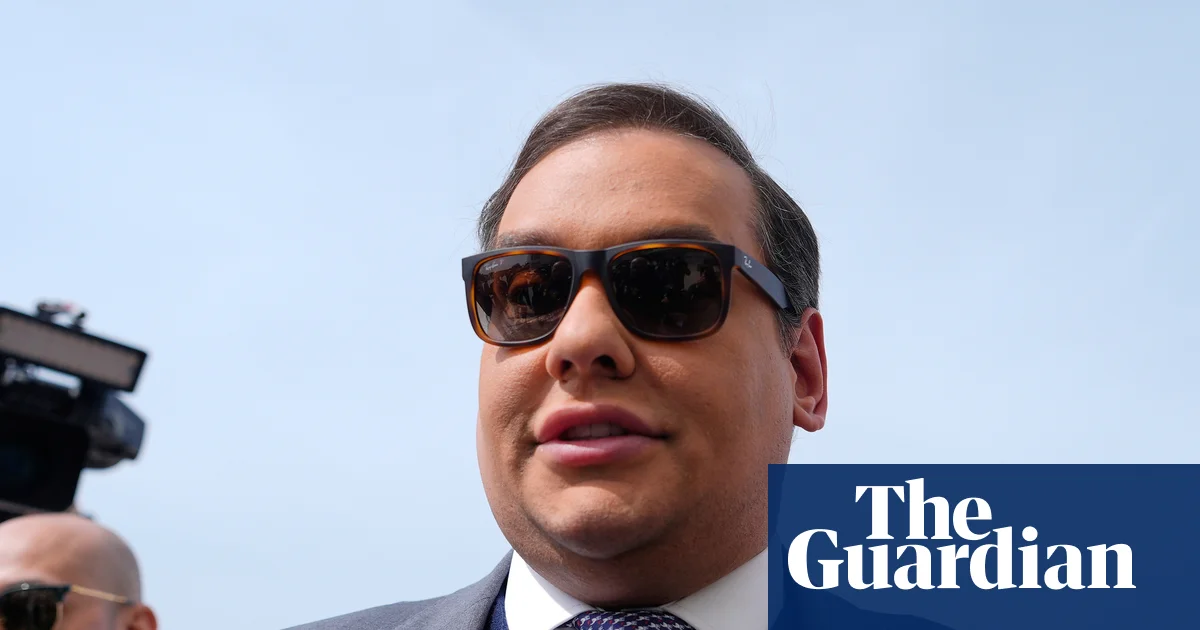
The recent decision by Donald Trump to commute the sentence of George Santos, the disgraced former New York representative, marks a significant moment in American political theatre with far-reaching geopolitical implications. Santos, once considered an up-and-coming star within the Republican Party, was sentenced to over seven years in prison following charges of wire fraud and identity theft—crimes that not only tarnished his personal reputation but also cast a shadow over the integrity of American governance. Trump’s intervention, announced via social media, underscores a long-standing pattern of political clemency that blurs the lines between justice and partisanship, and inevitably influences international perceptions of American law and order.

Notably, such pardons and commutations reach beyond American borders, signaling to allies and adversaries alike that the United States remains a nation where political loyalty can sometimes supersede the rule of law. Ensuing discussions among military strategists, international lawmakers, and historians emphasize how decisions within the American judiciary and executive branches ripple outward, shaping global perceptions of stability and fairness. Similar actions in the recent past—such as Trump’s pardons of other controversial figures like former Congressman Michael Grimm and Connecticut Governor John Rowland—are indicative of a broader pattern that raises questions about the rule of law’s resilience amid political tumult.

Meanwhile, the international community closely monitors these developments, understanding that trust in democratic institutions forms the bedrock of global geopolitics. Analysts from institutions like the International Crisis Group warn that such unilateral acts of clemency can be exploited by authoritarian regimes to justify their own abuses of power. The case of Santos, with its diplomatic echoes, reinforces a narrative that the United States remains a nation grappling with internal divisions—divisions that can either be healed or exploited in the ongoing contest for global influence. As historians note, these moments are pivotal; they serve as both mirror and magnifier of internal societal struggles with corruption, transparency, and justice.

In the broader scope, how the U.S. handles political scandals and clemencies significantly influences regional stability, especially in an era defined by shifting alliances and competing superpowers. While China and Russia observe with calculated interest, Western democracies watch with a mixture of concern and anticipation. The unfolding saga of Trump’s latest clemency decisions exemplifies how internal political decisions can become a battleground for international prestige and influence, setting precedents that shape the future of global diplomacy. As history continues to writ itself with every decision, the weight of these moments will echo through the halls of power for decades to come. The story of Santos, Trump, and their interconnected fates is far from over; it’s a testament to a nation still wrestling with its identity, and a reminder that history’s final judgment is yet to be written.

Social Media Auto Publish Powered By : XYZScripts.com



