Matox News

Truth Over Trends, always!

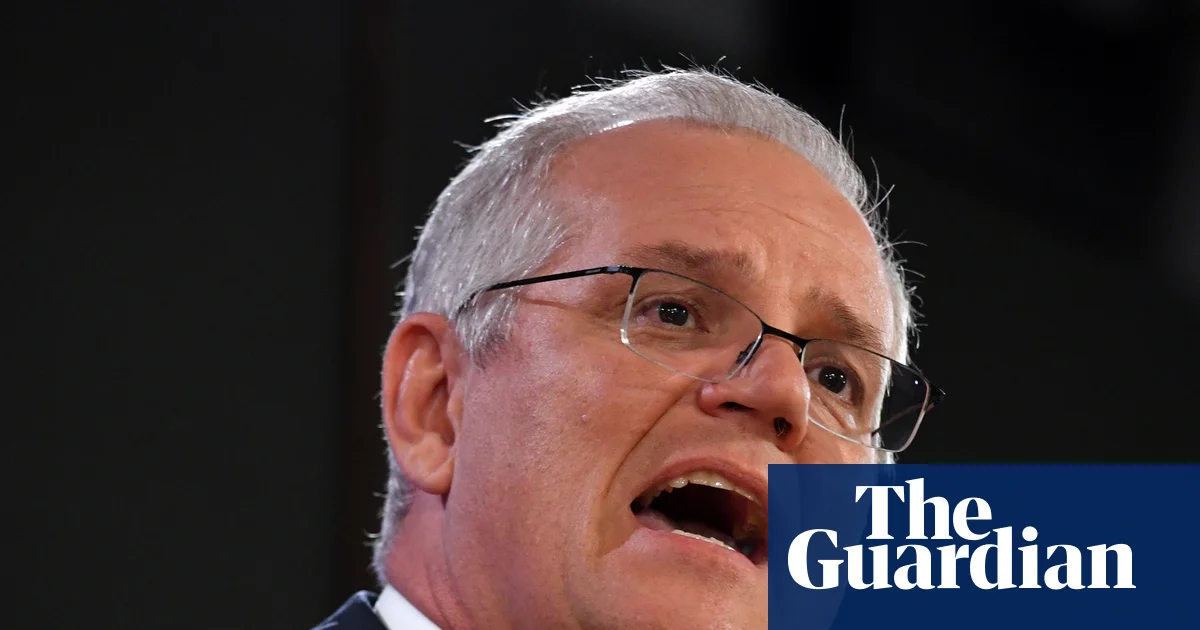
Morrison Criticized for Misguided Attack on Religious Freedom After Islam Speech

Global Impact of Sovereign Decisions: Australia’s Religious Policy Debates As a Microcosm of Rising Nationalist Tensions

In recent weeks, Australia has become a focal point for international attention as debates surrounding religious freedoms, national security, and identity converge with a rising tide of anti-immigrant rhetoric and nationalist sentiments. Former Prime Minister Scott Morrison ignited controversy by urging the implementation of a national register for imams and expanding frameworks to scrutinize foreign interference in religious communities. His proposals, rooted in a response to the 2019 Bondi terror attack, where two individuals inspired by Islamic State killed 15 innocents, have sparked fierce condemnation from Islamic groups and human rights advocates alike. This domestic debate over the regulation and supervision of religious figures is now reverberating across the international scene, where similar rhetoric fuels broader fears of societal fragmentation and geopolitical instability.

National Sovereignty and Religious Freedom Under Siege?

At the heart of Morrison’s argument lies a perceived necessity to address radicalization within Australian Muslim communities, aligning with a global pattern of governments seeking to tighten controls in the name of security. Morrison asserted that “recognized accreditation for imams, a national register, and clear training requirements,” are crucial steps toward safeguarding the nation. Yet, these proposals have been dismissed by Muslim leaders as “reckless, deeply offensive, and profoundly dangerous.” They warn that such measures threaten to undermine fundamental ideals of religious freedom and equality before the law, echoing similar debates across Europe and North America where government overreach is often countered with fears of cultural erosion and social alienation.

International analysts, including scholars from the Atlantic Council, have emphasized that these kinds of policies often serve as a pretext for discrimination and social division. The Australian Federation of Islamic Councils (AFIC) and other representatives vigorously oppose Morrison’s call, affirming that Islamic teachings do not endorse violence and that criminal acts are committed by individuals, not entire communities. Their stance echoes a broader international narrative: the reckless conflation of criminality with faith feeds dangerous stereotypes, undermining efforts to foster social cohesion—an issue that extends beyond Australian borders.

The Geopolitical Ramifications and a Fragmented Future

The case of Australia exemplifies a larger, emerging pattern: national governments increasingly view identity politics and social control as tools for maintaining sovereignty amid global upheaval. As China continues to expand its influence in the Indo-Pacific and Russian seeks to weaken Western alliances, states are recalibrating their internal policies for perceived vulnerabilities—particularly concerning external influence in religious and cultural spheres. Historians warn that if such policies are weaponized, they risk igniting conflicts that threaten regional stability and global order.

For instance, the United Nations and international human rights organizations are increasingly concerned with how such measures may undermine international norms—especially those protecting freedom of religion and the rights of minorities. As nations like France and Germany grapple with their own Muslim populations, the precipitous rise of anti-immigrant policies indicates a fragile global landscape where the thin veneer of multiculturalism is under threat.

Looking Ahead: History’s Unfinished Story

As Australia navigates its internal social debates amidst a volatile international order, the underlying questions about sovereignty, security, and cultural identity remain unresolved. The decisions made today—whether to broaden surveillance or protect traditional freedoms—are shaping the framework of societies that will bear the long-term consequences of this tumult. History warns us that when nations prioritize security over liberty, fractures deepen, and the risk of societal collapse grows.

The weight of history presses upon the present: the struggle to balance national security with respect for individual rights continues to define the arc of civilization. As Australia charts its course amid rising social tensions and geopolitical upheaval, the world watches, aware that the outcome will echo far beyond its shores—sculpting the next chapter of global history, where each decision could either fortify unity or unravel the fragile fabric of multicultural societies, leaving a legacy of division or resilience dramatically etched in the annals of the future.
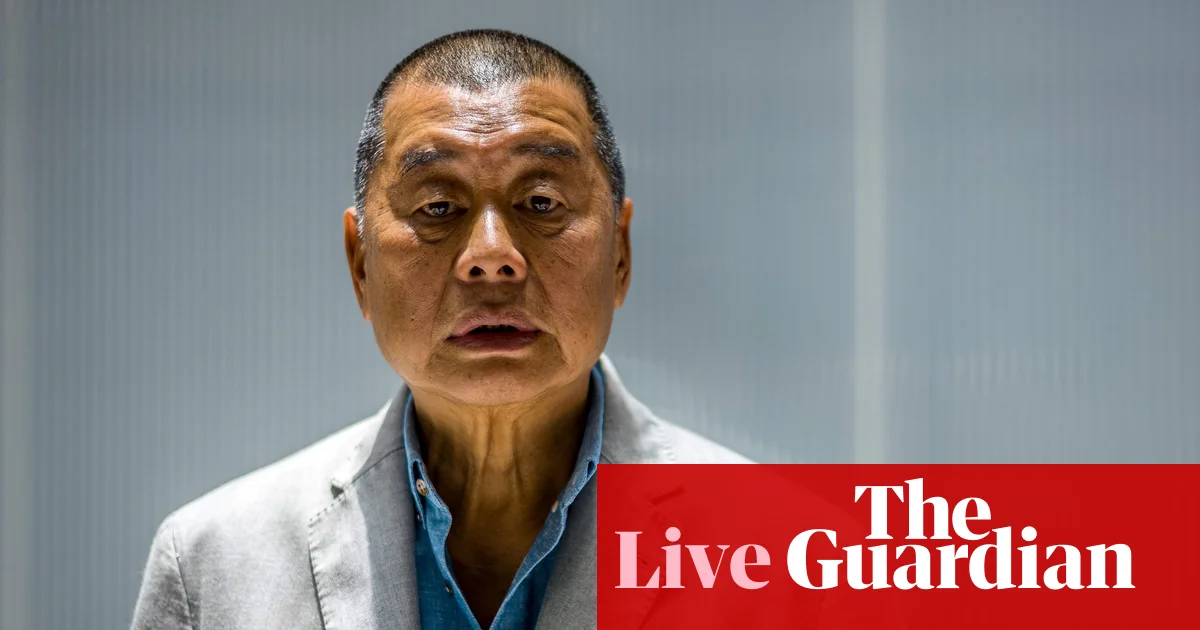
Jimmy Lai’s conviction signals the end for Hong Kong’s press freedom, warns Amnesty — live updates | Jimmy Lai

The recent verdicts against Jimmy Lai, the prominent Hong Kong media mogul and ardent supporter of democracy, mark a watershed moment in the ongoing struggle over press freedom and human rights in one of the world’s most geopolitically sensitive regions. Lai’s conviction on charges relating to national security – specifically conspiracy to collude with foreign powers and conspiracy to publish seditious content – follows a trial that has lasted over two years, culminating in what many see as a symbolic suppression of independent journalism in Hong Kong.

The response from international organizations and regional governments underscores the geopolitical significance of this event. Amnesty International, the Committee to Protect Journalists, and Human Rights Watch have all condemned Lai’s sentencing as emblematic of a broader campaign by Beijing and the Hong Kong authorities to dismantle the city’s once-vibrant democratic institutions. They describe Lai as a prisoner of conscience and warn that his incarceration not only threatens individual liberty but signals a systematic erasure of free expression in Hong Kong—a place once seen as a beacon of autonomy outside Chinese control.

This crackdown’s profound geopolitical impact extends beyond the city itself. Taiwan’s Mainland Affairs Council openly called Lai’s trial a “death knell” for Hong Kong’s democracy, emphasizing how the erosion of rights in Hong Kong sets a dangerous precedent for international law and the global fight for liberty. By weaponizing the judicial process against Lai, Beijing sends a clear message that any challenge to its authority—whether through media, protests, or civil society—will be met with severe punishment, regardless of international outcry. This shift in Hong Kong’s political landscape aligns with China’s broader strategy to expand authoritarian control, challenging the norms established under numerous international agreements and treaties.

Historians and geopolitical analysts highlight that the Lai case symbolizes the waning influence of Western-style democracies in the face of China’s rising power. As Lai’s health deteriorates in solitary confinement, global democratic powers face a stark choice: respond with concrete action or witness the gradual extension of authoritarianism into territories long considered bastions of freedom. Lai’s fate underscores how decisions made in Beijing and Hong Kong’s courts directly influence societal freedoms, press independence, and international relations—altering the geopolitical terrain in Asia and beyond. The outcome of his appeal and the potential sentencing will determine whether this moment signifies a retreat into darkness or a rallying cry for democracy worldwide.

In the shadow of Lai’s conviction, the question remains: will the international community finally recognize the threat posed to the principles of free speech and sovereignty, or will it continue to allow authoritarian regimes to rewrite the rules of justice and human dignity? As history unfolds in the courts of Hong Kong, the world is left to ponder how this chapter will be remembered: as a testament to the resilience of free societies or as a tragic turning point in the global fight for liberty. For now, the echoes of Lai’s trial serve as a reminder that the price of free press in the modern age is paid in endurance and courage, amid the relentless tide of rising authoritarianism.

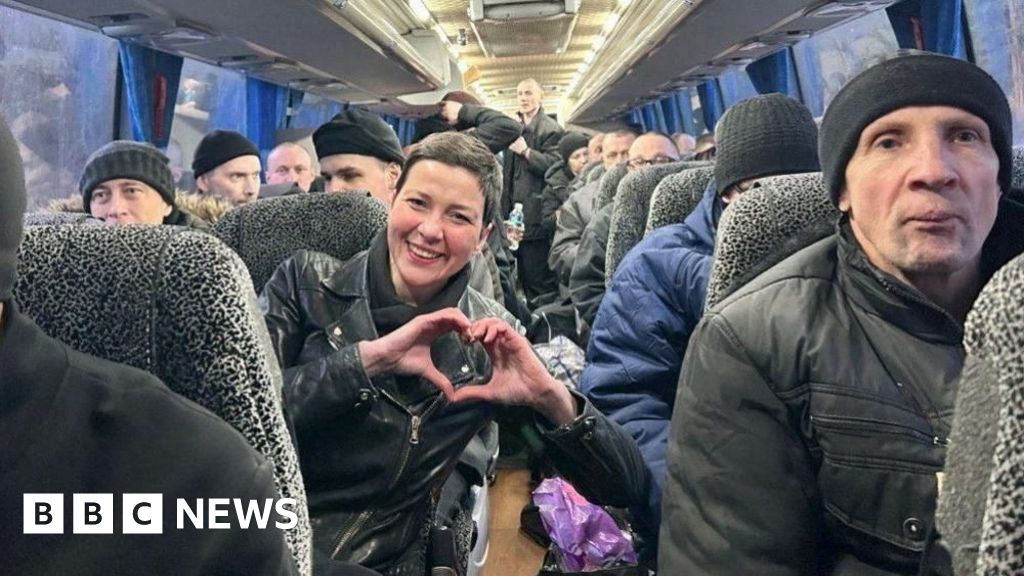
Belarusian prisoners celebrate freedom as US sanctions are lifted

The recent release of 123 political prisoners from Belarus marks a significant, albeit complex, turning point in Eastern European geopolitics. After years of brutal repression under Alexander Lukashenko, the dictator whose grip on power has strained Belarusian society and alarmed Western democracies, this move signals a delicate shift in diplomatic engagement. Driven largely by intense negotiations led by the United States and facilitated through high-profile visits by envoys like John Coale, the prisoner releases seem to hint at a broader strategy—one aimed at softening Belarusian authoritarianism and re-establishing US influence in the region.

The Geopolitical Impact of the Prisoners’ Release

  • First, this development alters the geopolitical landscape of Eastern Europe, where Belarus sits as a critical buffer zone between Russia and NATO member states. The release of opposition figures such as Maria Kolesnikova and Ales Bialiatski, who have long represented the resilient spirit of the Belarusian democracy movement, underscores a potential opening for reform—or at least a strategic diplomatic maneuver. Analysts emphasize that Lukashenko’s decision might be motivated less by genuine liberalization and more by diplomatic necessity, as he seeks to regain favor with the West and break free from international sanctions.
  • Secondly, the softening stance affects how societies in Belarus and neighboring countries perceive resistance and authoritarian control. The emotional scenes of prisoners reuniting with families in Vilnius and Kiev serve as symbolic victories for activists, demonstrating that even in the shadow of repression, hope persists. However, critics warn that these releases could be carefully calibrated to contain dissent rather than dismantle Lukashenko’s autocratic machinery.
  • Finally, this move is intricately tied to the ongoing conflicts surrounding Ukraine and Russia’s military ambitions. With Belarus as an active military partner of Moscow, any diplomatic thaw within Belarus could influence the wider security dynamics of the region. Significantly, the US’s engagement may be viewed by Moscow as a provocation or a sign of shifting loyalties, possibly prompting Russia to strengthen its military presence or diplomatic pressure.

How Decisions Shape Nations and Societies

The decision to release these prisoners is a nuanced calculation that goes beyond human rights advocacy; it exemplifies how international diplomacy directly influences national trajectories. As historians like Anne Applebaum suggest, every such move contributes to the evolving narrative of sovereignty and resistance in post-Soviet politics. The hope for many in Belarus is that this moment signals a genuine push toward reform, but the warnings from analysts remain clear—authoritarian regimes often use strategic gestures to mask deeper power consolidations.

Meanwhile, the societal ripple effects are profound. For the Belarusian opposition and its supporters worldwide, these releases bolster a spirit of activism and resilience. Yet, lingering fears remain among critics—whether these prisoners will be replaced, and whether true democratization is truly within reach. The international community now watches keenly, knowing that such moments are fleeting, and history’s pen is poised to continue writing the fate of Belarus amidst the shadows of great power rivalries.

As the dust settles and the diplomatic chessboard shifts, the weight of history reminds us—what begins as a moment of liberation can quickly become a new chapter in the ongoing contest for influence, freedom, and sovereignty in a region that has never known true peace. The world peers into Belarus’s future, unsure whether this recomposition of alliances offers hope or merely a temporary pause before the next act of a complex geopolitical drama.

FAA greenlights new rule giving flight attendants more downtime — a win for crew wellness and fly crew freedom

Restoring Balance in the Skies: Flight Attendants’ Push for Better Rest

In a significant shift toward enhancing aircrew well-being and ensuring safer skies, federal aviation officials have announced a new regulation that mandates increased rest periods for flight attendants. The updated rules now require a 10-hour rest window between shifts, a notable increase from the previous nine-hour requirement. This change comes amidst growing concern over the intense fatigue and overwork faced by crew members, especially during a time when the aviation industry is rebounding from pandemic setbacks. As seasoned advocates like Sara Nelson, president of the Association of Flight Attendants-CWA, highlight, “It’s about time! As aviation’s first responders and last line of defense, it is critical that we are well rested and ready to perform our duties.” This statement underscores how crucial adequate rest is to both safety and operational efficiency, particularly in today’s fast-paced travel environment.

With increased demand following the easing of COVID-19 restrictions, flight crews have been under unprecedented pressure. Anecdotal reports describe crew members sprinting through airports after delays, trying to make tight connections—despite working shifts that stretch as long as 14 hours. Such demanding schedules, coupled with intense passenger interactions and the unpredictable nature of air travel, have only compounded fatigue levels and illness among crew members globally. The recent rule change is viewed in many circles as an overdue correction to an industry that has often prioritized efficiency over crew morale and safety. The new regulation, which was first approved by Congress in 2018 but delayed under the Trump administration, finally reflects a collective push from unions and safety advocates demanding regulatory reform.

Beyond the practical benefits for safety and health, this regulatory change resonates on a cultural level, emphasizing the importance of wellness and self-care in an industry often characterized by relentless schedules. As wellness experts like Dr. Andrew Weil and others argue, sustainable work habits—especially in high-stakes environments—are vital for professional longevity and personal health. The move also signals a broader shift in the modern lifestyle, where greater awareness of mental and physical well-being influences policy and corporate culture alike. For young professionals within the airline industry, the message is clear: safeguarding your health isn’t just about work-life balance anymore; it’s a fundamental component of your career resilience and overall quality of life.

  • Prioritize quality sleep during rest periods to rejuvenate both body and mind.
  • Stay informed and actively participate in union or industry discussions to advocate for better conditions.
  • Embrace wellness routines that include stretching, hydration, and mental decompression, especially after long shifts.

As aviation executives and unions navigate these new regulations, the hope is that a renewed focus on crew welfare will foster a more sustainable working environment. For the young, ambitious traveler and professional alike, this development reminds us that progress often begins with recognizing the importance of balance and self-care. The journey of a lifestyle is not merely about reaching destinations but about embracing the experiences that nourish us along the way. In a world that is increasingly driven by relentless progress and innovation, the steady pursuit of well-being becomes an inspiring testament to the resilience of the human spirit—a reminder that sometimes, the most courageous act is to prioritize oneself amid the demands of modern life.

Trump slams Nigeria’s Christian crackdown: Is religious freedom under attack?

Embracing a Lifestyle of Purpose and Resilience

In today’s fast-paced world, where the relentless pursuit of success often overshadows personal wellness, many young individuals are beginning to recognize the importance of __centering their lives around purpose, health, and resilience_. From the bustling streets of Lagos to the serene countryside, a rising shift in lifestyle ideals emphasizes _well-being as the foundation of true fulfillment_. Wellness experts like Dr. Jordan Peterson and motivational authors such as Brené Brown advocate for a life anchored in authenticity, self-care, and community. This cultural movement challenges the traditional metrics of success and highlights that _true vitality comes from nurturing the mind and body_ in harmony.

The _modern wellness paradigm_ is transforming how youth approach daily routines. Embracing practices like mindful meditation, active outdoor recreation, and nutritional awareness, many are striving to _find balance amid chaos_. For instance, African tech entrepreneurs and creatives are now integrating _lifestyle hacks that prioritize mental resilience_—whether it’s through local markets’ organic foods or outdoor ventures that foster _mental clarity_. The key message from wellness influencers like Jay Shetty and Oprah Winfrey centers on _investing in self-awareness and community_ as a route to personal impact. Living a life rooted in purpose translates to making choices that promote _long-term health, happiness_, and _shared prosperity_, which ultimately fuels a passion for _self-improvement and social contribution_.

Travel and leisure experiences are also evolving, becoming more intentional. Many youth-oriented explorers seek destinations that offer _authentic cultural immersion_ rather than superficial escapism. Travel hacks such as _connecting with local communities, engaging in eco-friendly activities, and practicing sustainable tourism_ serve as ways to _enhance personal growth_. Examples include hiking through Abuja’s national parks, volunteering in rural Nigeria, or participating in wellness retreats that combine _traditional healing rituals with modern mindfulness practices_. These experiences are not just leisure—they are _opportunities for self-discovery and connection to something greater_. As cultural theorist Chimamanda Ngozi Adichie reminds us, _embracing diverse narratives_ broadens our understanding of _what it means to live a fulfilled life_.

  • Prioritize daily movement—be it walking, dancing, or yoga—to boost physical and mental health
  • Choose destinations that foster _authentic cultural exchange_ and _self-growth_
  • Integrate _mindfulness practices_ into your routine for _lasting resilience_
  • Support local economies and _sustainable initiatives_ during travel

In a world filled with turbulence and shifting narratives, the _journey towards personal well-being_ becomes an act of defiance and hope. Young people today are redefining what _success_ and _happiness_ mean, turning away from material excess and towards _meaning, community_, and _self-awareness_. It’s an era that encourages individuals to _forge their own paths_, embracing _wellness as a lifestyle_ rather than a fleeting trend. And in doing so, they find the strength not only to improve their own lives but to inspire others along the way. Life, after all, is a continuous journey of growth—an ongoing act of embracing the resilience that resides within us all.

Instagram and Facebook flout EU’s illegal content laws—youth-led digital freedom on the line

EU Regulatory Crackdown Challenges Tech Giants’ Dominion

The European Union’s latest move signals a significant shift in how global regulatory frameworks are poised to reshape the technology landscape. Both unnamed leading platforms are facing stiff fines of up to six percent of their annual worldwide revenue, a stark wake-up call for industry giants accustomed to operating with minimal oversight. As these firms mull over the potential to challenge the EU’s findings or enact preemptive measures, the stakes could redefine how platforms innovate and compete on the global stage. This regulatory pressure underscores a broader trend: regulation as a disruptive force in establishing new norms for digital governance.

The core concern centers on the platforms’ potential abuse of market dominance and anti-competitive practices—allegations that, if proven, could fundamentally alter the digital ecosystem. Industry analysts from Gartner and MIT suggest that such enforcement actions serve as a crucial inflection point, compelling companies to accelerate compliance initiatives and rethink their strategic agility. For example, these companies might need to implement more transparent algorithms, enhance user data protections, or modify their business models to meet stringent EU standards. The possibility of hefty fines—calculated as a percentage of revenue—adds an economic deterrent, pushing firms toward a new era of regulatory-driven innovation.

This tightening regulatory landscape arrives amid a wave of global calls for increased platform accountability. However, critics warn that excessive regulation could stifle foundational innovation or trigger retaliatory measures that fragment markets. Yet, industry leaders like Elon Musk and Peter Thiel emphasize the importance of disruption as a catalyst for competitive evolution, arguing that regulations should foster innovation while safeguarding consumer rights. As a result, the verdict and subsequent actions will likely serve as a blueprint for future global regulatory standards, compelling platforms to develop smarter, more responsible technological solutions.

In considering the broader business implications, this scenario signals a definitive shift towards an industry where compliance and innovation are increasingly intertwined. Companies that adapt swiftly—embracing transparency, AI governance, and fair market practices—stand to strengthen their position amid adverse regulations. Conversely, firms unable or unwilling to adjust risk falling behind as regulators adopt a more assertive stance. Moving forward, the urgency is clear: the tech sector must innovate within the boundaries of emerging regulatory frameworks or face disruptive penalties that could reshape market dominance. As the EU’s final rulings loom, the question remains—how will these digital titans evolve in an era where regulation, innovation, and global competitiveness are inseparably linked?

Score Big Savings: Jackery Solar Generator 5000 Plus Slashes $1,300 — Power Your Freedom!

In today’s fast-evolving technological landscape, power solutions are no longer just about convenience—they are becoming an essential part of lifestyle and social identity, especially among youth-driven subcultures. The recent surge in popularity of high-capacity portable power stations like the Jackery Solar Generator 5000 Plus exemplifies this shift. As of October 17, this device, normally valued at over $4,300, is on a promotional sale for $2,998.95 on Amazon—a 30% discount and a revelation of how consumer priorities are pivoting toward versatile, high-powered energy solutions. This trend underscores a broader societal push for independence, resilience, and a desire to stay connected amid an unpredictable world.

What makes these devices truly impactful is their cultural significance. While traditional power sources symbolize stability and infrastructure, portable generators symbolize a new ethos: self-sufficiency and adventure in the modern age. Influencers and social media personalities—such as outdoor survivalists, off-grid enthusiasts, and eco-conscious urban explorers—are elevating portable power technology from niche gadget to a lifestyle staple. Experts like sociologist Dr. Lisa Montgomery note that this shift is less about utility and more about emotional empowerment. Content creators showcase how these power stations facilitate everything from remote camping trips to emergency preparedness, reinforcing a social message: owning control over one’s environment is a form of personal freedom and resilience.

From TikTok to YouTube, the narrative is clear: portable energy solutions are now woven into the social fabric of youth culture. The emphasis lies in breaking dependence on centralized energy grids and embracing a new form of mobility that aligns with their broader values of sustainability and adventure. Top consumer trends point to an increasing demand for expandable, eco-friendly power options, with models like the Jackery Solar Generator 5000 Plus leading the charge.

  • Trend-setting influencers demonstrate the device’s ability to power entire off-grid cabins or summer festivals.

Meanwhile, sociologists argue this phenomenon reflects a larger societal dialogue about energy autonomy and changing perceptions of modern survival. This cultural pivot not only influences consumption patterns but also reshapes how younger generations conceive of resilience and independence—fundamentally redefining societal norms around energy use and access.

Yet, amidst this wave of innovation and cultural shift, one pressing question remains: how will this pursuit of portable power shape our collective future? As more youths adopt these resilient, eco-friendly energy solutions, will society move closer toward decentralized, sustainable living? Or will this trend catalyze a new battleground over infrastructure, regulations, and access? The next chapter in this story hinges on whether the social movement driven by these devices will evolve into a broader societal transformation, or if it will remain a niche pursuit for a generation eager to redefine resilience on their own terms. Future historians may well ask themselves: was this the moment when the youth-led push for portable independence finally shifted our entire understanding of power, both literally and culturally?

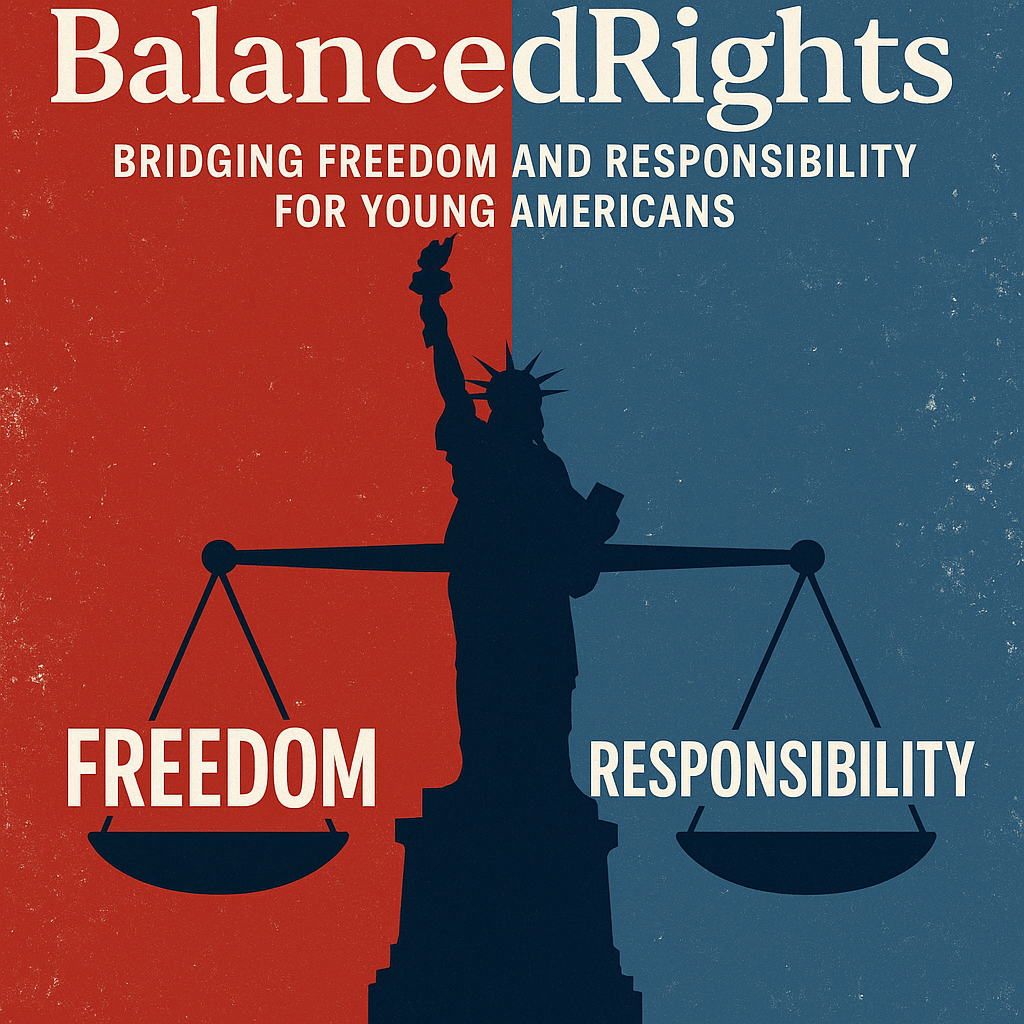
BalancedRights: Bridging Freedom and Responsibility for Young Americans

In an era marked by rapid social change and an unprecedented influx of information, the concept of balanced rights emerges as a vital framework for guiding young Americans toward responsible participation in a free society. The delicate dance between freedom and responsibility is not a new debate, but its significance is magnified today as digital media accelerates the reach and impact of individual actions. The foundational idea is simple: rights should empower, but not encroach upon the rights of others. As American thinker James Madison once emphasized, the preservation of liberty requires the vigilant restraint and self-discipline of those who wield power—academic, social, or political.

Promoting balanced rights among youth entails fostering a culture where personal freedoms are accompanied by civic duty and ethical conduct. Critics argue that unchecked expression, especially online, can lead to harmful polarization and misinformation—issues that undermine the social fabric. As analyst Niall Ferguson suggests, “The social contract in modern democracies demands not just the right to speak, but also the responsibility to listen and engage constructively.” Such a perspective underscores the importance of cultivating empathy and critical thinking skills in young Americans, who are often the most vulnerable to misinformation and echo chambers. Educational initiatives emphasizing media literacy and civic education can serve as pillars in this effort, empowering students to exercise their rights thoughtfully.

Yet, balancing rights and responsibilities also involves understanding the economic and cultural contexts that shape American youth. Economists like Thomas Sowell point out that economic opportunities and personal responsibility are two sides of the same coin—without a sense of agency and accountability, rights become hollow. Society must provide pathways for young people to realize their potential while holding them accountable for their actions. This includes sensible policies on free speech, digital responsibility, and community engagement, which help nurture a generation that values both individual liberty and societal cohesion. In doing so, we lay a foundation for a resilient democracy that values mature discourse over transient outrage.

As society advances into an uncertain future, the challenge remains—how do we craft a narrative that respects the primacy of individual rights without compromising the moral fabric of responsibility? The answer may lie in instilling a shared sense of purpose—a collective recognition that freedom is an active steward, not a passive right. The young Americans of today stand at a crossroads; their choices will echo through the corridors of history, shaping a nation where balanced rights serve as the bridge between liberty’s promise and responsibility’s duty. As the sun sets beyond the horizon, casting long shadows over the uncertain path ahead, it is the weight of this balance—neither too heavy nor too light—that will determine whether the torch of freedom is passed on with wisdom, or extinguished by neglect. For in the end, the future belongs not just to those who claim rights, but to those who carry the burden of responsibility with unwavering resolve, carving a legacy of resilience and virtue amid an ever-shifting world.

Individual Freedom: The Cornerstone of Our Future


In the contemporary landscape of political discourse, the question of individual freedom stands at the crux of our society’s evolution. Many argue that personal liberties are fundamental to progress, acting as a bulwark against the encroachments of authoritarianism and collectivism. The essence of individual freedom, encapsulated in the rights to speech, assembly, and personal choice, plays a pivotal role in not only shaping individual lives but also in driving societal advancement.

The historical context of individual freedom can be traced back to the Enlightenment, where philosophers like John Locke and Adam Smith laid the groundwork for liberal democratic principles. Their advocacy for limited government intervention and the sanctity of personal rights offered a counter-narrative to oppressive regimes. In contrast, critics of unleashed individualism contend that unregulated freedoms can lead to societal fragmentation and moral decay. However, the potential pitfalls of individualism should not overshadow its undeniable capacity to catalyze innovation and creativity, essential elements for a thriving future.

Moreover, the modern economy, increasingly driven by entrepreneurship and digital innovation, depends on the freedom of individuals to explore, create, and challenge the status quo. Young entrepreneurs exemplify this trend; they leverage cutting-edge technology to disrupt traditional business models, improving efficiency and accessibility. By enabling individuals to pursue their passions, societies can foster environments that incubate new ideas and solutions, ultimately propelling economic growth. Thus, maintaining robust individual rights becomes essential for nurturing this entrepreneurial spirit.

On the social front, the rise of movements advocating for personal liberties across different spheres—such as gender identity, privacy rights, and freedom of expression—demonstrates a collective push towards a more inclusive society. Many argue that these movements are emblematic of a broader recognition that individual freedom is not merely a privilege but a universal right that enhances social cohesion. Counterarguments suggest that such liberties can sometimes clash with traditional values or lead to divisiveness within communities. However, accepting a multiplicity of identities and perspectives can enrich our cultural tapestry, fostering empathy and progressive dialogue.

Education plays a critical role as well in this discourse. A system that prioritizes individual freedom encourages critical thinking and empowers students to engage with diverse viewpoints. By fostering an environment where questioning authority and exploring new ideas are not just permissible but encouraged, educational institutions can cultivate the next generation of leaders who are equipped to navigate the complexities of modern life. Critics, however, may assert that this approach risks undermining established historical narratives and societal norms, which serve to maintain order. Yet, a well-rounded education that values both personal freedoms and historical context can equip individuals with the tools to engage thoughtfully with both their rights and responsibilities.

Internationally, countries that prioritize individual freedoms often experience more stability and prosperity than those that suppress such rights. Nations that embrace market-oriented policies and democratic governance tend to witness elevated standards of living and greater citizen satisfaction. Conversely, countries that engage in heavy-handed regulation and restrict personal liberties frequently find themselves entrenched in cycles of stagnation and social unrest. Critics of neoliberal policies point to inequality as a potential downside; however, the evidence indicates that absolute freedom spurs opportunities that ultimately uplift everyone, rather than merely enriching a select few.

For many, it is crucial to recognize that individual freedom does not exist in a vacuum. It must be balanced by a commitment to social responsibility and community well-being. This calls for a nuanced understanding of what it means to be free in today’s interconnected world. Many suggest that fostering civic engagement and a sense of duty towards one’s immediate community can enhance individual freedoms rather than diminish them. While critics may argue that a focus on community can infringe upon personal liberties, it is entirely possible to support communal values while maintaining a strong commitment to individual rights.

In conclusion, the trajectory of our future hinges on our commitment to individual freedom as a foundational principle. As we navigate the complexities of modern challenges—be they technological, social, or political—it is imperative to champion the rights of individuals while fostering a sense of collective responsibility. Through a balanced approach, we can ensure that individual freedom not only remains a cornerstone of our identity but also propels us toward a sustainable, enriched future. By standing firm in our belief in the empowerment of all individuals, we pave the way for innovation, inclusivity, and ultimately, a brighter tomorrow.

Social Media Auto Publish Powered By : XYZScripts.com