
Global Climate Shifts and Geopolitical Impacts: A Warming World Faces Abrupt Weather Fluctuations
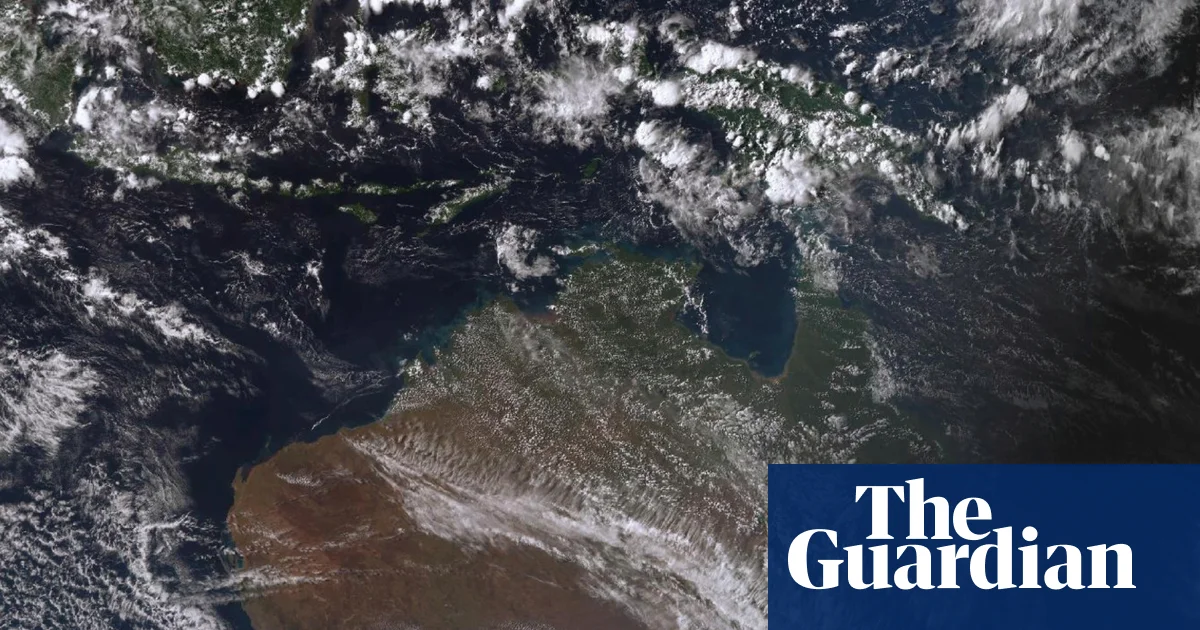
Recent meteorological developments in Australia serve as stark indicators of the broader implications of climate change, underscoring how natural phenomena are intensifying and becoming more unpredictable with potential geopolitical consequences. Historically stable climate patterns, once taken for granted, are now disrupted by record-breaking heat waves followed swiftly by severe meteorological swings. In many parts of Australia, daytime temperatures soared to 10-14°C above average, with some stations recording their warmest May days on record. Such anomalies are not isolated but part of a disturbing trend that global scientists and analysts warn could accelerate as greenhouse gases continue to rise unchecked.
Under the influence of a high-pressure system, Australia experienced unseasonably warm conditions fueled by warm northerly winds. However, this dramatic temperature spike was quickly counterbalanced by a cold front emerging from the Southern Ocean, compelling a significant shift toward cooler, wetter weather. Analysts from international climate organizations suggest that these rapid fluctuations might become more common, with potentially destabilizing effects on regional economies and societies. This shift signals not just a local weather change but also a possible precursor for more severe climate disruptions globally, stressing the urgency for coordinated international climate policies.
- Natural climate variability is increasingly intertwined with human-induced warming, say climatologists, amplifying the risk of extreme weather events like storms, droughts, and floods.
- For instance, Australia’s recent dry April, the driest since 2018, compounds concerns over water scarcity and agricultural sustainability—issues that ripple through regional economies and supply chains.
- Furthermore, rising sea levels and ‘abnormally high tides’ exacerbate coastal vulnerabilities, amplifying the geopolitical stakes over maritime boundaries and resource control.
International and regional powers are scrutinizing these climatic upheavals, recognizing their role as a catalyst for geopolitical shifts. Historically, nations with fragile infrastructure or strained resources are disproportionately affected, leading to heightened instability, migration pressures, and contested resource claims. With climate-induced disruptions becoming a global challenge, institutions like the United Nations are urging immediate action, although critics argue that political inertia hampers effective response. Meanwhile, rising temperatures and unpredictable weather patterns threaten to destabilize regional alliances, especially in areas where water and food security are already fragile. As China and India face their own climate crises, the potential for water and resource conflicts escalates. How nations respond now will determine whether climate change becomes an enhancer of geopolitical disorder or an impetus for cooperative resilience.
The unfolding crisis in climate and weather patterns underscores a fundamental truth: the decisions taken today will echo through the corridors of history. As forecasts for the coming weeks hint at thunderstorms, heavy rainfall, and severe storms across the southern hemisphere, the question remains—how will mankind respond? Will the world capitulate to the worsening climatic chaos, or will it seize this moment to forge new paths toward sustainable coexistence? History is watching, and the choices made in these volatile times will either forge a legacy of resilience or doom entire generations to the fallout of inaction. The unfolding narrative of climate upheaval is not merely about weather; it is about the fate of societies and the legacy handed down to a world teetering on the brink of transformation.”