Matox News

Truth Over Trends, always!

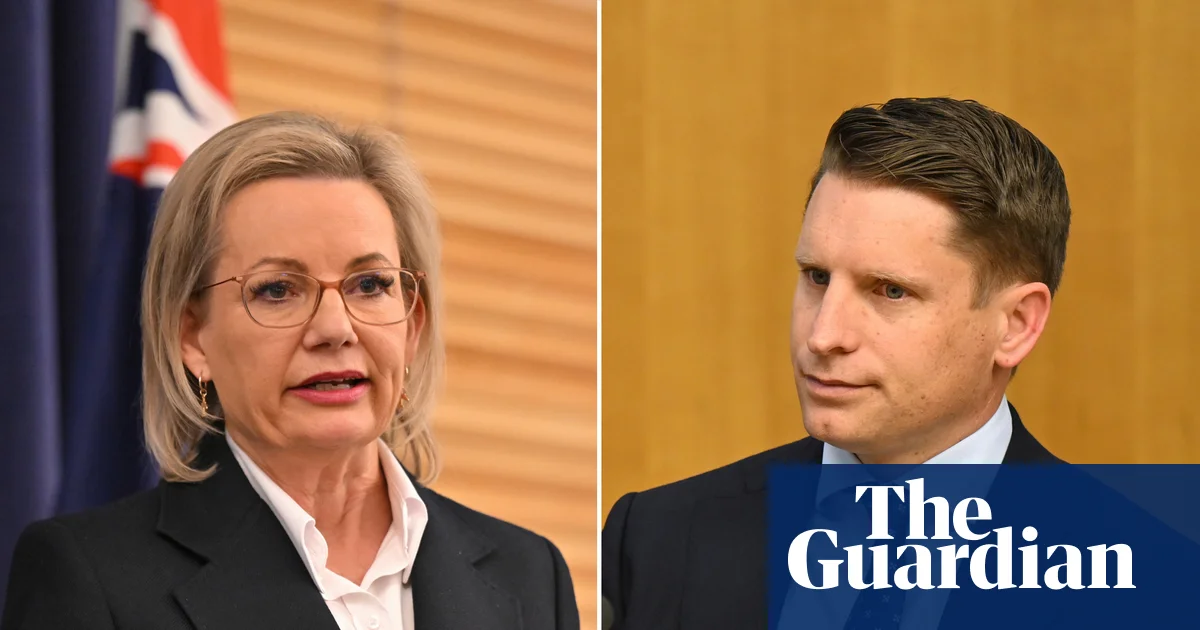
Ley dismisses Hastie’s immigration claims, says daily pressures aren’t caused by migrants | Liberal Party
Hastie: No challenge to Ley’s leadership after stepping down from frontbench

Australia‘s internal political dynamics have taken a sharp turn as figures like Andrew Hastie shift their roles within the Liberal party amidst ongoing ideological debates. Hastie, a former soldier and rising figure within the party, recently announced his resignation from the shadow cabinet, explicitly citing disagreements over foundational issues like immigration policy. While denying any immediate ambition to challenge Sussan Ley for party leadership, Hastie’s move signals a broader ideological reconfiguration that could influence Australia’s domestic and foreign policy orientations.

This internal reordering occurs during a period of significant political turbulence, with debate intensifying over issues such as immigration, energy, and national sovereignty. Hastie advocates for a more nationalist stance, emphasizing “Australia-first” policies that closely align with a growing global trend of national populism. As he professes to maintain his political agenda from the backbench, his actions extend beyond party politics, reflecting a persistent push against what some see as bureaucratic complacency and a response to the frustrations of traditional conservative voters. The ongoing ideological schism within the Australian Liberal party echoes the wider shifts witnessed in Western democracies, where traditional parties are grappling with populist insurgencies and redefining their national commitments.

International organizations and analysts have observed these developments with caution, highlighting the potential repercussions for regional stability. Experts worry that rising nationalist sentiments in Australia could influence its foreign policy calculus, especially in the Indo-Pacific region where competition among major powers such as China and the United States remains intense. The geopolitical impact is multifaceted: increased internal focus on sovereignty and immigration could result in a more independent Australian stance, perhaps limiting alignment with Western allies if domestic pressures favor a more insular approach. Historians of national populism note that such shifts often reshape a country’s external relations—either by hardening its resolve to prioritize sovereignty or by inviting diplomatic recalibrations under the influence of populist inclinations.

  • The internal schism within Australia’s Liberal party underscores a wider contest over national identity, with factions vying for influence amid a fractured political landscape.
  • Hastie’s advocacy for a more restrictive immigration policy aligns with similar trends across Western democracies, fueling debates over multiculturalism and sovereignty.
  • The decision by party leaders to shift responsibilities to the backbench signals a possible strategic realignment, which could embolden nationalist voices in Australian politics.

As the world watches, the Australian chapter of this ideological evolution takes on profound significance. The choices made in Canberra have ramifications well beyond national borders, shaping how emerging democracies respond to the pressures of globalization, migration, and regional power dynamics. The actions of recently reshuffled figures like Hastie serve as a stark reminder: the fabric of a nation’s future is often woven in moments of internal division, sowing seeds that can alter the course of history. With a federal election on the horizon and shifts in strategic allegiance underway, the global order stands on the cusp of a new era, as Australia charts its path through the storms of internal upheaval and international consequence — a true battleground of ideas where the outcome may define the geopolitical landscape for decades to come.


Australia News Live: Nicole Kidman & Keith Urban Divorce; Sussan Ley Takes a Stand for Frontbench Stability

Global Stability on Edge: Major Geopolitical Shifts Shape the Future of Nations

In an era marked by rapid international shifts, recent developments underscore the precarious balance of geopolitical power and the profound impact of policy decisions on nations and societies worldwide. From contentious domestic policies to explosive rumors of high-profile personal upheavals, these events are more than headlines—they are critical indicators of the trajectories shaping the geopolitical landscape.

At the forefront of recent disruptions, international organizations and analysts warn that the ongoing debates surrounding climate policies, military alliances, and economic strategies are merely symptoms of deeper conflicts. For example, the United Nations has issued a stark warning about escalating tensions in Eastern Europe and the South China Sea, emphasizing how decisions made in Western capitals could either escalate or de-escalate regional instability. The fallout from these choices extends far beyond borders—affecting trade routes, diplomatic alliances, and even the fabric of individual societies. As historian Dr. Emily Watson notes, “historic moments today will likely be scrutinized as either catalysts for peace or harbingers of conflict.”

Within this tense global climate, national leaders and political factions are reacting to pressures with policies that could redefine the international order. In Australia, Sussan Ley has responded to internal criticism by reaffirming her party’s policy priorities—particularly emphasizing the importance of stable governance and a unified front amid the growing regional uncertainties. Meanwhile, domestic labor unrest—highlighted by union leaders vocally opposing corporate attempts to shift blame for systemic failures—mirrors the broader global theme: how societies respond to governance crises. These internal disputes embody an underlying fear: that neglect or mismanagement could destabilize fragile democracies and ignite unpredictable international repercussions.

Meanwhile, signs of human vulnerability remain intertwined with these political struggles. The recent breakup of Hollywood icons Nicole Kidman and Keith Urban, filed for divorce in the United States, may seem like a personal matter, but experts argue it symbolizes shifting cultural values and the erosion of traditional social contracts. As international commentators cite, such high-profile personal upheavals reflect broader societal transformations—especially among youth, who increasingly question established norms and demand authenticity and change. These cultural shifts, coupled with political turbulence, will inevitably influence how nations evolve in the coming decades, shaping policies that either embrace modernity or cling to old paradigms.

The security landscape remains volatile, with international institutions frantically attempting to contain conflicts and prevent a new Cold War scenario. The decisions made today—be it in diplomacy, military postures, or economic sanctions—will echo for generations. As some analysts warn, this period might be remembered as a pivotal chapter: a time when the global community chose whether to build bridges toward cooperation or tear down those already in place. The power is in the hands of leaders and societies alike, and their choices will determine if history honors their judgment as wise or condemn their shortsightedness for unleashing chaos. The pages of history are turning swiftly—you, as the global citizen, must heed the signs that this current decade is molding the very future of humanity, written not in ink but in the enduring fabric of geopolitics itself.

Social Media Auto Publish Powered By : XYZScripts.com


