Matox News

Truth Over Trends, always!

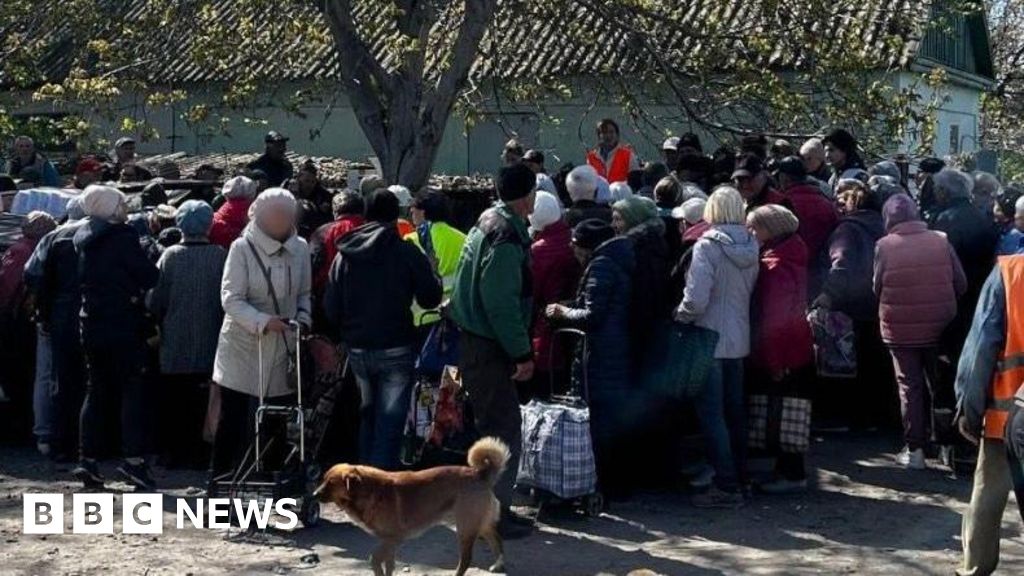
Oleshky: Frontline City Stuck Under Fire—Ukrainians Face the Heat

In the emerging landscape of global conflict, the Kakhovka Dam事件 stands out as a stark reminder of how warfare’s collateral damage intensifies geopolitical struggles. According to reports validated through photos, location data, and online records, the destruction of Ludmilla’s home in June 2023 marks a grim milestone in the ongoing crisis in Ukraine. The dam, situated on the strategic Dnipro River, was deliberately blown up under the umbrella of Russian occupation, unleashing catastrophic flooding across the region. This act is more than a localized tragedy; it exemplifies the brutal tactics employed in the broader proxy war between Russia and Ukraine, which has drawn international concern over escalating hostilities and respect for international law.

Historian and geopolitical analysts have long warned about the destabilizing ripple effects of such acts of sabotage. The destruction of the Kakhovka Dam not only displaced thousands but also risked environmental catastrophe, further complicating Ukraine’s efforts to recover and maintain sovereignty. Global institutions such as the United Nations have condemned such destructive actions, yet the depth of political and military strategic calculations remains under debate. For Russia, this move appears to be part of a broader strategy to weaken Ukrainian infrastructure, deepen societal suffering, and challenge Western support for Kyiv. Conversely, Ukraine and its allies perceive this as an escalation that underscores the urgent need for increased military aid and diplomatic efforts to restore stability and deter future acts of destruction.

The geopolitical impact of the dam’s destruction extends beyond Ukraine’s borders. It catalyzed a reassessment among Western nations and regional neighbors about the scope of Russia’s aggression. As analysts observe, the damage carried symbolic weight: it underscores a deliberate strategy to undermine Ukrainian resilience while provoking a response that could justify further international intervention. The incident at Kakhovka—whose aftermath reminds the world that warfare today often blurs the lines between conventional combat and strategic sabotage—poses a renewed challenge to global peace and stability. The decision to blow up a critical piece of infrastructure informs how future conflicts might unfold, possibly setting dangerous precedents for state-sponsored infrastructure attacks.

As history writes itself in this ongoing conflict, the destruction of Ludmilla’s home is a microcosm of a larger, more complex story. The challenge for the international community is clear: to safeguard sovereignty, uphold international law, and confront the dangerous tactics that threaten to spiral into broader regional destabilization. With each threat and response, the world edges closer to a pivotal crossroads—where the choices made today will shape the destiny of nations and the lives of those caught in the storm of history’s relentless march. The fight over the Kakhovka Dam stands as a stark reminder that in the arena of global geopolitics, the outcomes are never predetermined—but the consequences are always profound.
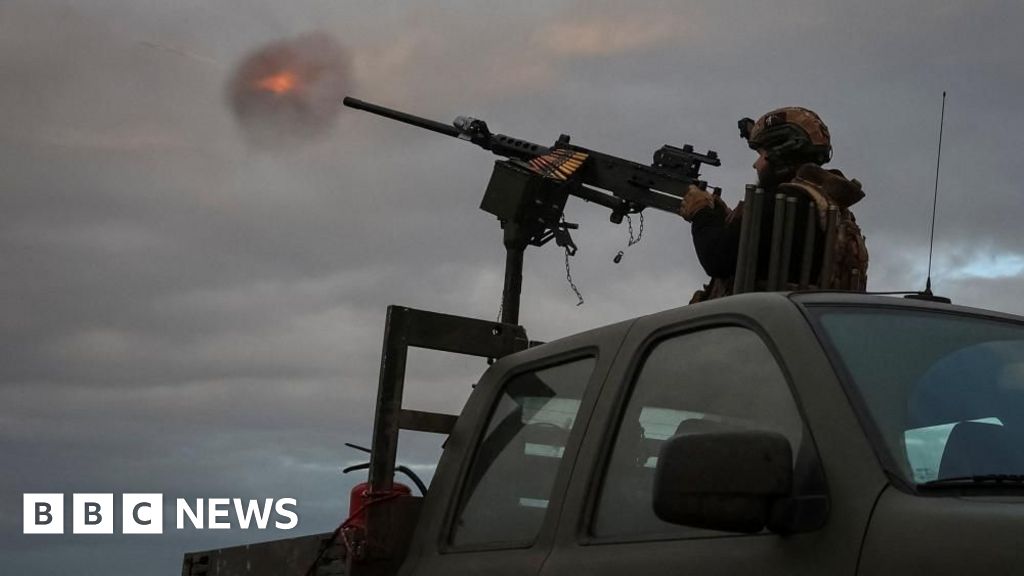

Europe Supports Trump’s Frontline Freeze, But Russia Says No

The ongoing conflict in Ukraine continues to redefine the landscape of international geopolitics, with European leaders uniformly advocating for a pragmatic approach: freezing the current front lines as the basis for negotiations. This stance, supported by UK Prime Minister Keir Starmer and 10 other European nations, reflects a strategic desire to prevent further escalation while pressuring Russia to demonstrate a sincere commitment to peace. Their insistence that any meaningful dialogue commence from the established demarcation line signals a pragmatic reaction to Moscow’s perceived intractability and underscores the geopolitical contestation over the conflict’s ultimate resolution. According to analysts like Dr. Maria Svensson of the European Geopolitical Institute, this position reveals a complex balancing act — seeking peace without conceding strategic vulnerabilities.

Meanwhile, Russia under Vladimir Putin remains firm in its stance, rejecting calls for a freeze at the current contact line. Russian Foreign Minister Sergei Lavrov emphasized Moscow’s aim for a *”long-term, sustainable peace”*, implying that any temporary ceasefire is merely a tactical pause rather than a genuine resolution. Moscow’s position is driven by a refusal to accept the legitimacy of Ukraine’s territorial integrity, demanding the *”full withdrawal of Ukrainian troops”* from the Donbas and asserting sovereignty over the contested regions. This maximalist approach, as international organizations like the UN have noted, risks prolonging the conflict and destabilizing the entire Eurasian corridor, thus amplifying the crisis beyond Ukraine’s borders. The European statement’s reference to “Russia’s stalling tactics” highlights Moscow’s strategic goal of leveraging protracted negotiations to solidify territorial gains and weaken Kyiv’s resolve.

In parallel, diplomatic efforts continue to unfold, notably involving US President Donald Trump, who recently signaled an unexpected shift by endorsing a de facto ceasefire at the *current battle lines*. During a recent telephone call with Putin, sources reveal that Trump urged Ukraine to cede territory in the eastern Donbas regions, notably Donetsk and Luhansk, as part of a broader deal. While Trump later denied insisting on territorial concessions, he publicly supported “cutting” the conflict at the battle line and halted what he described as “killings.” Such positioning underscores a growing divergence within Western leadership—some advocating for a pragmatic halt, others viewing Ukraine’s territorial integrity as non-negotiable. The potential for a broader summit, including a direct meeting between Putin and Trump in Budapest, hinges on complex logistical and legal considerations, given international warrants for Putin’s arrest over alleged war crimes. Russia’s insistence on addressing the *“root causes”* — a euphemism for maximalist demands over Ukrainian sovereignty — continues to complicate prospects for peace, suggesting that the conflict may persist well beyond current skirmishes.

The geopolitical impact of these developments is profound. As analysts warn, the decisions made today will reverberate through generations, shaping Europe’s security architecture for decades. The contest over Ukraine’s future isn’t solely a regional dispute; it is a crucible for global influence, testing the resolve of alliances, the limits of diplomacy, and the efficacy of international law. The Baltic states, Poland, and much of Eastern Europe watch with rising anxiety, understanding that the fallout from failed diplomacy might ignite broader conflicts. The dramatic diplomatic dance—shuttling between negotiations, sanctions, and military support—embodies a vital struggle of our era: whether the world will capitulate and accept a new sphere of Russian dominance or unite to uphold sovereignty and lasting peace. As history’s pages turn, the unresolved conflict in Ukraine leaves the world perched on a knife’s edge, witnessing the unfolding drama that will shape the contours of power and peace—*a stark reminder that in geopolitics, moments of crisis often forge the new order, with the true outcome still hanging in the balance, uncertain yet inevitable.*

Social Media Auto Publish Powered By : XYZScripts.com


