Matox News

Truth Over Trends, always!

Vibe Coding: Apps Are Fun, Until You Make Them Actually Useful

Next-Gen Smartphone Ecosystems: Nothing’s AI-Driven Widget System Sparks New Industry Disruption

In a bold move towards personalized, AI-native experiences, Nothing, the innovative tech startup helmed by industry disruptor Carl Pei, announced its latest development: a web-based Essential Apps Builder. This platform aims to transform how users interact with their smartphones by enabling effortless creation of AI-powered widgets directly on their devices, signaling a shift towards a more open, customizable mobile ecosystem. While this innovation might seem incremental, experts from MIT and industry analysts like Gartner recognize it as a potential pivot point for smartphone interface architecture, heralding a new era of user empowerment and developer-led ecosystem expansion.

Disrupting the App Landscape with Innovation

At the core of Nothing’s vision is an AI-native layer that overlays existing Android architectures, promising to make devices more adaptive and personal. Unlike traditional app stores, the Builder tool allows users to describe desired widgets in plain language, automating the creation process—aiming to democratize app development. This approach embodies a disruption of the conventional app ecosystem, reminiscent of Musk’s Tesla’s direct-to-consumer model—stripping away gatekeepers and empowering a creator economy.

Early implementations showcased in beta, such as simple widgets like a water tracker, appointment reminders, and mood indicators, exhibit promising features:

  • Intuitive, no-code widget creation through natural language commands.
  • Flexible updates with instant pushing to devices.
  • Organized project management within the system’s cloud infrastructure.

However, despite these advancements, functional gaps remain. More ambitious widgets, such as weather apps or photo galleries, faced limitations, including truncated texts and unreliable background tasks. Such setbacks highlight the accelerating challenge for hardware-agnostic AI layers to deliver seamless, robust user experiences. This underscores a critical lesson: becoming truly disruptive demands overcoming significant engineering hurdles.

Implications for Industry and Future Business Strategies

Looking ahead, Nothing plans to support a broader range of widget sizes, integrate with a wider array of device features—like Bluetooth and media libraries—and ultimately open the platform to a public creator ecosystem. Sector analysts warn that this move could reshape the competitive landscape in mobile OS development, challenging incumbents like Google and Apple to adopt more open, AI-driven customization options. Moreover, embracing community-powered app remixing and sharing could pioneer a shift in monetization strategies, favoring user-generated content over traditional app sales.

Financial implications for existing industry giants are profound. The disruption of a walled-garden model—where Apple and Google maintain control—could erode their market dominance, especially among younger, tech-savvy consumers demanding personalized, AI-enhanced interfaces. As Peter Thiel and other Silicon Valley thought leaders emphasize, the future belongs to those who can harness disruptive innovation at the software layer.

Future Outlook: An Urgent Race Toward Next-Level Disruption

While Nothing’s current beta shows the drip of potential, the real game-changer lies ahead. The planned expansion of widget support, integration capabilities, and *public app remixing* signals a tectonic shift—one that demands competitors accelerate their innovation cycles. Industry insiders recognize that in this dynamic landscape, delay equals obsolescence. Companies must prioritize open, AI-first ecosystems—fusing hardware, software, and creator contributions—to stay relevant in the battle for the future of mobile engagement.

In the rapidly evolving realm of smartphone technology, disruption is no longer an option but a necessity. The convergence of AI, user empowerment, and ecosystem openness spearheaded by Nothing could well herald the next wave of dominant tech paradigms—if industry giants act swiftly. The clock is ticking; the future belongs to those who innovate boldly, disrupt complacency, and relentlessly pursue refined, democratized user experiences.
Bring the Magic to Leicester Square: Wicked Fans Light Up the Night with Fancy Dress Fun

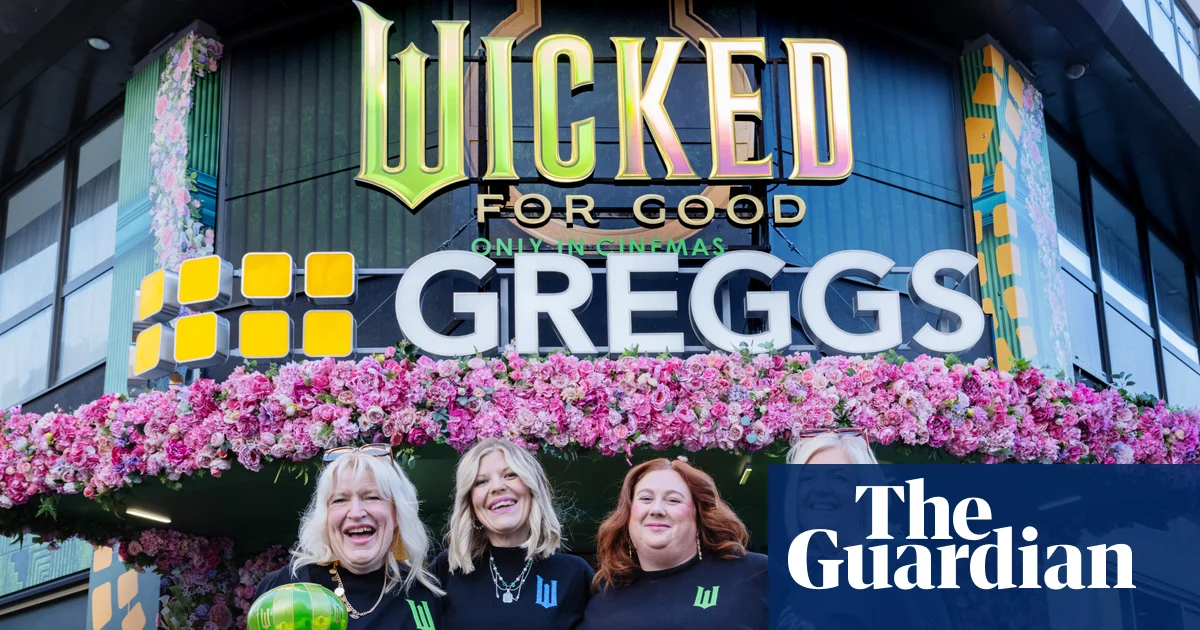
In recent weeks, a fascinating cultural shift has taken hold among young moviegoers and fans of musical theater alike. Outside theaters and cinemas, crowds are gathering not only to watch the latest blockbusters or beloved musicals but to embody them through *themed dressing*. This phenomenon is no longer just about costume parties or quick Instagram posts; it’s evolving into a vibrant expression of identity, community, and societal values. The fervor around “Wicked” in the UK, especially with its opening in cinemas, has sparked a wave of fans turning their enthusiasm into full-fledged fashion statements—coordinated sets, glitter, and character-inspired outfits—transforming movie premieres into living, breathing art festivals.

At the heart of this movement is the idea that ***dressing up*** provides a shortcut to community and connection. For Nicola Deane and her sister Chloe, traveling all the way from Ireland to dress as Elphaba and her sister exemplifies how costumes transcend simple fashion. “Elphaba’s a bit of a badass, and I think I am too,” Nicola shares, emphasizing how this practice helps fans feel empowered and aligned with characters who embody strength, magic, and defiance. Sociologists like Dr. Amelia Harris suggest that this trend is a *reaction to a post-pandemic desire for collective joy* — an effort to reforge social bonds through shared experiences in an era where digital interactions often replace physical presence. Dressing in themed attire becomes a ritual that fosters a sense of belonging, transforming passive entertainment into active participation.

The *social relevance* of these trends goes beyond fashion. Whether wearing matching T-shirts or elaborate costumes, fans signal their values and aspirations—celebrating themes of individuality, bravery, and community support. Influencers such as TikTok creators and YouTube vloggers are fueling the movement, showcasing cosplay, DIY costume tutorials, and group outings that project a message of unity and activism. Industry data corroborates this cultural shift; recent reports reveal a 375% spike in Wicked-related costume searches, alongside a surge in themed nail art and karaoke renditions of “Defying Gravity”. These seemingly playful activities are actually *cultural signposts*, illustrating how entertainment becomes a platform for expressing social identity and even political ideology.*

What makes this trend especially powerful is how it intertwines *personal identity* with *collective storytelling*. Fans like Holly Inch and Tamar Hopkins are not just dressing as characters; they’re portraying a sense of self that refuses to conform and instead stands out — “that’s what Wicked is about, not being afraid to stand out,” Holly explains. It’s a form of resistance, a rejection of societal stereotypes, and an affirmation of authenticity. As fashion historian Lisa Carter notes, this phenomenon indicates a *shift towards perceiving entertainment as a catalyst for social change*. And with post-pandemic society craving *shared experiences* that amplify joy and creativity, this movement has the potential to evolve into a broader cultural wave — one that redefines how communities connect through the arts.

Yet, amid this new era of interactive fandom and fashion activism, the next big question remains: how long will this *whimsy-driven* wave last before it becomes a mainstream expectation in social life? Will themed dressing remain a niche pursuit, or could it evolve into a new form of social ritual, akin to traditional festivals and celebrations? As youth culture continues to embrace these collective creative outlets, one thing is clear: the future of fandom might not be just about watching but *becoming* — transforming entertainment into a powerful, ongoing act of cultural expression. The true question now is whether society is ready for a future where every movie, musical, or show becomes a personal statement and a community ritual—are we on the cusp of a revolution in how we define social belonging?

Social Media Auto Publish Powered By : XYZScripts.com



