Matox News

Truth Over Trends, always!

HBO’s New Game of Thrones Spin-Off Drops This January—Don’t Miss It!

HBO Unveils ‘A Knight of Seven Kingdoms’: A Game-Changer in Fantasy Adaptations

In a significant move that underscores the evolving landscape of entertainment and technology, HBO announced today at this year’s New York Comic-Con that its upcoming six-episode series, A Knight of Seven Kingdoms, will premiere on January 18th, 2026. Adapted from George R.R. Martin’s Tales of Dunk and Egg novellas—an origin story set decades before the events of A Song of Ice and Fire—the series exemplifies how legacy franchises can be revitalized through new storytelling formats. This strategic move demonstrates the importance of disruption in traditional media, as streaming platforms invest heavily in immersive, serialized fantasy content that leverages cutting-edge tech for deeper viewer engagement.

What makes this announcement particularly noteworthy is the underlying implication for the broader business of entertainment technology. By tapping into exclusive storytelling rooted in a globally recognized franchise, HBO aims to disrupt conventional TV models, emphasizing serialized, narrative-rich content that demands innovation in both production and distribution. This approach aligns with industry insights from Gartner and MIT Media Lab, suggesting that future success hinges on combining technological innovation with compelling narratives to captivate younger audiences increasingly accustomed to interactive and immersive digital experiences.

Technological Innovation and Industry Impact

Beyond just storytelling, the series’ development highlights the integration of advanced visual effects and digital production techniques. This signals a shift toward more sophisticated and cost-effective content creation, driven by breakthroughs in AI-assisted CGI, virtual production sets, and remote collaboration tools. Technological disruption is allowing studios like HBO to produce higher-quality content faster and more affordably, thereby intensifying competition among streaming giants. Such advances are essential for maintaining market relevance in an industry that is fraught with rapid change and innovation.

Furthermore, with the global audience’s shift toward interactive engagement and personalized experiences, industry leaders are exploring how to leverage next-generation streaming technologies, including augmented reality (AR) and virtual reality (VR). These innovations promise to redefine viewer immersion and interactivity, creating entirely new business opportunities and revenue streams. Analysts from PWC emphasize that companies that proactively adopt these emerging tech trends will secure a competitive edge, setting standards rife with disruption and strategic advantage.

Future Outlook: A Race Toward the Next Tech Horizon

Looking ahead, the announcement of A Knight of Seven Kingdoms exemplifies a broader industry trend—legacy properties revitalized through technological innovation that appeal to a new generation of tech-savvy consumers. As Hollywood and Silicon Valley continue to converge, the race to dominate future entertainment markets hinges on disruptive innovation and the ability to craft next-level narratives that integrate seamlessly with emerging digital platforms. Already, voices like Elon Musk and Peter Thiel warn that the most successful companies will be those that invest in technologies transforming content delivery and engagement over the coming decade.

In conclusion, HBO’s strategic pivot toward adaptive storytelling and technological enhancement signals an urgent call for industry players to accelerate their innovation pipelines. The future belongs to the pioneers willing to challenge norms and leverage technology to forge new storytelling paradigms—disrupting not just how stories are told, but fundamentally transforming the entire entertainment ecosystem. As the streaming landscape becomes increasingly competitive, those who lead the charge today will shape the cultural and economic fabric of tomorrow’s digital age.

Why Online GP Booking Systems Are Changing the Game for Young Brits

Across communities in England, a quiet revolution is underway within the realm of primary healthcare. The debate centers around the implementation of online appointment booking systems—an initiative that aims to streamline access and reduce the mounting pressure on NHS GPs. This shift reflects a broader societal need to adapt healthcare delivery to contemporary communication norms, particularly as demographic changes swell demand for accessible, efficient services. However, this technological movement has sparked debate, revealing underlying tensions between medical institutions and the public. Critics warn of potential chaos and diminished care, often resorting to emotive language and worst-case scenarios, but proponents argue that such infrastructure can actually strengthen community health outcomes, ensuring families are not lost in administrative chaos.

The core issue remains: mismatch between demand and capacity. Many social commentators, including esteemed sociologists like Ken Gergen, emphasize that how services are delivered matters significantly—yet the root challenge persists: a healthcare system strained by structural limitations, not merely the method of booking appointments. Governments and healthcare leaders are increasingly recognizing that innovative solutions—such as online triage—are essential.

  • They can direct existing resources toward urgent care, reducing waiting times for families with pressing health needs.
  • They also promote efficient management of appointments, enabling families to access care without enduring endless phone queues.
  • This approach encourages a more responsive, patient-centered model that aligns with societal shifts towards digital engagement.

But as with any social change, backlash remains. Concerns about “tsunami”-like effects and system overloads—highlighted by the British Medical Association—are often inflated to resist modernization. Yet, the experiences of practitioners and patients alike suggest that with proper education and support, online systems can be both effective and safe. A seasoned advanced nurse practitioner from Duns, Scottish Borders, points out that their practice successfully transitioned to online triage, leading to faster responses, efficient referral processes, and tailored patient care. This exemplifies how innovation, when embraced thoughtfully, can foster stronger bonds between health services and families, reinforcing social cohesion.

Ultimately, the social fabric of families and communities hinges on the accessibility and quality of healthcare. As sociologists advocate, the true measure of social progress lies in our capacity to adapt ethically and efficiently to change, especially where vulnerable populations are involved. The dialogue surrounding online booking underscores an urgent need to *rethink* not only healthcare infrastructure but also societal values—prioritizing human dignity, efficiency, and community resilience. Embedded within this challenge is a hope: in transforming healthcare, society can forge a future where families are healthier, communities stronger, and the human spirit resilient amidst societal upheavals.

Sali Hughes on Beauty: Top Velcro Rollers for Bold Body and Bounce — Elevate Your Hair Game

The Resurgence of Velcro Rollers: A Beauty Trend Redefining Style

In an era dominated by high-tech hair gadgets and relentless beauty innovation, Velcro rollers are making an unexpected comeback, proving that sometimes, the simplest tools are the most revolutionary. Once relegated to the backstage of vintage salons, these rollers are now at the heart of a trendy hair revival among youth and beauty aficionados seeking a quick, damage-free way to craft voluminous, lively styles. Influenced by iconic stylists like Sam McKnight, whose background includes creating celebrity-worthy, bouncy dos, the trend underscores a broader cultural shift towards authenticity and simplicity in beauty routines.

What makes Velcro rollers more than just a nostalgic throwback is their resonance with the contemporary desire for effective, damage-conscious styling. Influencers and beauty experts like Sali Hughes emphasize how these rollers can effortlessly lift roots and add natural movement without exposing hair to extended periods of heat, which often causes significant damage — a concern echoed widely among the young generation wary of long-term hair health. The recent reintroduction of the “Big Set,” a kit comprising 18 various-sized Velcro rollers and a retro-futuristic thermal bonnet, highlights a deliberate counterculture movement: rejecting over-complicated devices in favor of straightforward, sustainable hair care methods.

Social platforms have played a pivotal role in amplifying this trend, with beauty influencers showcasing their own roller routines, emphasizing the social relevance of embracing traditional techniques in modern, fast-paced lifestyles. Top lists from trend analysts pinpoint that ‘less is more’ is becoming a guiding principle, as young consumers gravitate towards products that favor ease, portability, and versatility. For instance, a set of Self Grip Rollers, priced at just £12, provides an instant upgrade to flat or lifeless hair, hinting at a broader embrace of DIY culture alongside eco-conscious values. These tools fit seamlessly into busy schedules, allowing the wearer to craft polished looks in the time it takes to enjoy a morning coffee, further cementing Velcro rollers’ social relevance in youth culture.

The cultural impact runs deep, extending beyond mere aesthetics. As sociologists note, this trend encapsulates a desire for self-sufficiency and authenticity, echoing a collective urge to reconnect with more tangible, less digital styles. The narrative becomes even more compelling when considering influencers championing these methods, blurring the lines between vintage appreciation and contemporary cool. Hair expert Sam McKnight illustrates that effective styling doesn’t necessarily require high-tech contraptions, but rather the right attitude and tools — a powerful message in today’s era of social media-driven perfectionism. As the trend grows, the crucial question arises: could this revival be a sign of a future where digital saturation gives way to a preference for tactile, proven techniques? The next chapter in this story might define whether the true beauty revolution hinges on simplicity or technological innovation.

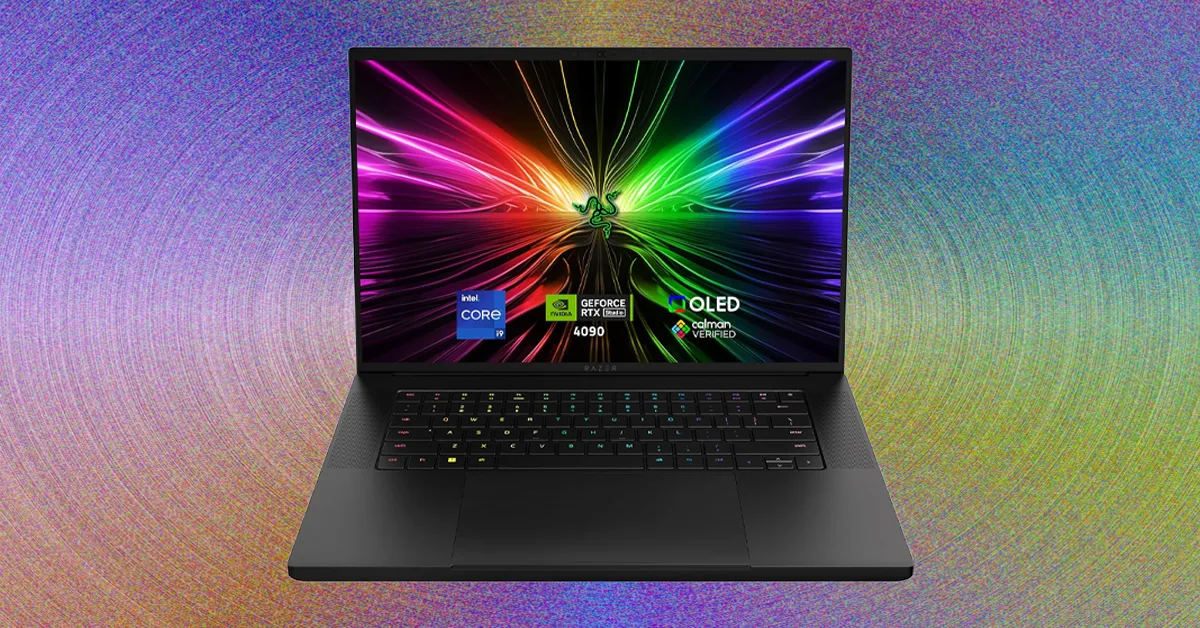
Crucial Tips for Picking Your 2025 Gaming Laptop—Stay Ahead in the Game

Next-Generation Gaming Laptops Signal a New Era of Innovation and Disruption

The gaming laptop industry is undergoing a seismic shift as hardware innovation accelerates, setting the stage for unprecedented performance levels and strategic market realignments. With the recent rollout of NVIDIA’s latest RTX 50-series GPUs, including the powerful RTX 5090 (24 GB VRAM), RTX 5080 (16 GB VRAM), and RTX 5070 Ti (12 GB VRAM), manufacturers are pushing the boundaries of graphics performance. These advancements are poised to redefine what’s possible for gamers and creators alike, challenging established industry standards and opening opportunities for disruption in premium hardware.

The implications for the business landscape are profound. Innovation in GPU architecture doesn’t just enhance gaming; it fundamentally shifts the competitive calculus in high-performance computing. As a result, companies that fail to adapt to this rapid evolution risk obsolescence. This momentum is echoed by industry analysts from Gartner and institutions like MIT, who emphasize that disruptive technology cycles are shortening, demanding aggressive R&D investment and strategic pivots. The uptick in VRAM from previous models also signifies a focus on future-proofing devices, allowing users to handle increasingly demanding applications with ease.

Meanwhile, the CPU landscape is equally compelling. The latest generation of chips from Intel and AMD introduces third-gen Ryzen AI processors, such as the Ryzen AI 9 365 and Ryzen AI 9 HX 375, and Intel’s new Core Ultra Series 2 H and HX chips. These CPUs, with power profiles reaching up to 55W, are designed to complement high-end GPUs, offering a balanced approach to performance, efficiency, and battery life. Notably, the adoption of the Ryzen 9 9955HX3D signals a move towards unprecedented gaming power—a trend that industry leaders are closely monitoring. This synergy of CPU and GPU innovation is unlocking new levels of gaming and creator productivity, serving as a catalyst for a new wave of ultra-powerful, portable machines.

As the market evolves, consumer choices are also shifting. The industry is rapidly discarding outdated standards, with most new laptops now equipped with a minimum of 16 GB RAM and increasingly moving towards 32 GB to meet the demands of modern, memory-intensive software. However, early adopters still face choices about affordability versus cutting-edge hardware. Experts caution against purchasing older GPU models—particularly those predating the RTX 40-series—citing risk of obsolescence, given the pace of technological progression.

The outlook for the gaming laptop segment is unequivocal: disruption is accelerating at an unprecedented rate. While current innovations focus on raw performance, the broader implications stretch into business strategies, market positioning, and future consumer expectations. Pioneers that invest in the integration of these emerging technologies, aligning with strategic insights from industry giants like Peter Thiel and Elon Musk, will unlock new opportunities for competitive advantage. The question now is not if but when the industry will fully embrace these changes, demanding a sense of urgency for stakeholders seeking to lead in this transformative era. As innovation continues its relentless march forward, one thing is clear: the future belongs to those willing to push the limits and disrupt the status quo.

Upcoming Showdown: Local High School Teams Prepare for Intense Rivalry Game This Friday!

Mariners’ AL West Title Impacting Seahawks Schedule

The Seattle Mariners have officially clinched their first American League West title in over two decades, a momentous achievement that is not only a cause for celebration among fans but also a potential scheduling dilemma for their fellow Seattle sports team, the Seattle Seahawks. With the MLB postseason looming, the Mariners’ success could alter the kickoff times for at least one, and possibly two, Seahawks home games this season.

As the Mariners prepare for October baseball, their triumphant run has caught the attention of NFL fans and analysts alike. The team’s head coach, Scott Servais, expressed confidence in the squad’s performance, stating, “We’ve worked relentlessly for this moment, and we are ready for what lies ahead.” However, this excitement also brings logistical challenges, particularly concerning the events surrounding the upcoming Seahawks games.

  • The Mariners secured their AL West title in a dramatic style, further igniting the city’s sports fervor.
  • Potential scheduling conflicts with the Seahawks’ home games could occur if both teams reach advanced stages in their respective competitions.
  • Officials are actively exploring solutions that would accommodate both fan bases without compromising the integrity of either event.

Analysts are already predicting that changes might be necessary for the Seahawks’ home games against first-round playoff competitors, possibly requiring adjustments to kickoff times. Commentators are optimistic that this will only enrich the local atmosphere, suggesting that the convergence of two major sporting events could lead to a unified series of celebrations in Seattle.

In the end, while scheduling conflicts can be frustrating, the burgeoning rivalry of the Mariners and Seahawks demonstrates how sport transcends individual competitions. This season, as fan excitement builds and the stakes rise, it is clear that the spirit of victory extends far beyond the scoreboard – uniting a city as they rally behind their teams. In a time where sports often seem to divide rather than unite, Seattle’s dual success becomes a rallying cry, reminding everyone that camaraderie and joy can emerge from the most unexpected places.

Source link

Social Media Auto Publish Powered By : XYZScripts.com