Matox News

Truth Over Trends, always!

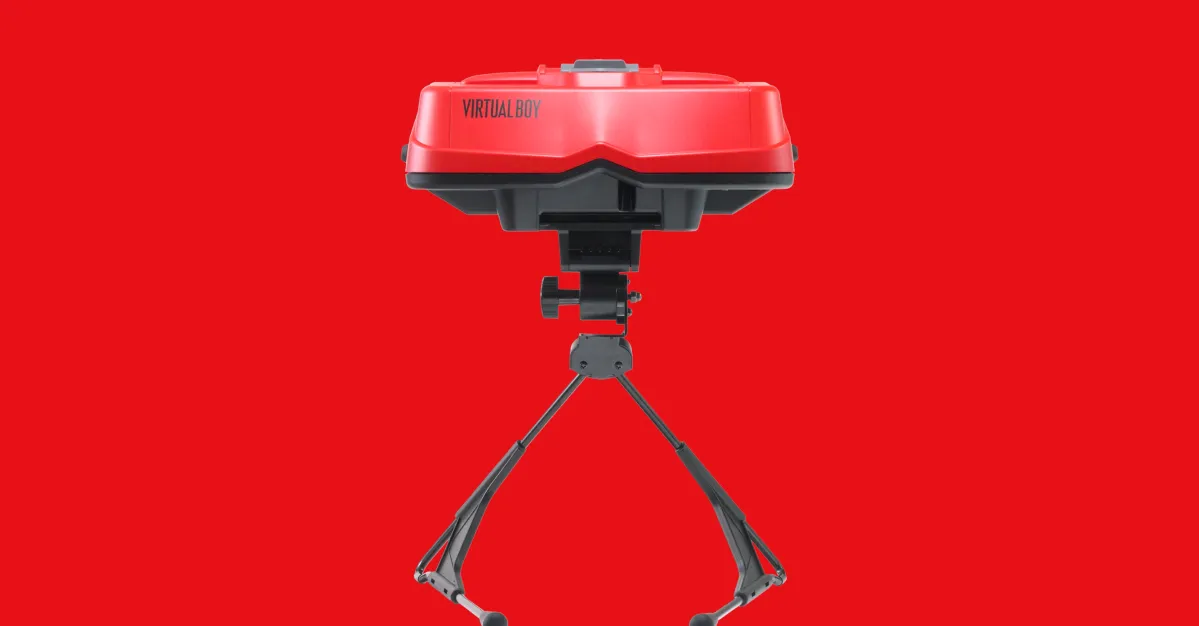
Nintendo’s new Virtual Boy — a visual thrill, but not quite a game-changer

Revolutionizing Retro: Nintendo’s Virtual Boy Revival Signals Industry Disruption

In an era dominated by cutting-edge AI, virtual reality, and cloud gaming, Nintendo is strategically leaning into retro nostalgia with its latest innovation: a reimagined Virtual Boy. Originally launched in the ’90s, this console was a commercial flop, primarily due to its limited library and monochromatic display, but Nintendo’s latest move signals a significant shift towards leveraging nostalgic assets to disrupt current gaming paradigms. By re-creating aspects of the classic console while smoothing over its past challenges, Nintendo aims to capitalize on the emerging market for vintage gaming experiences, now delivered with modern convenience through the Switch Online + Expansion Pack subscription service.

The company’s approach exemplifies a broader trend of integrating nostalgia-driven innovation into mainstream platforms, targeting the young, digitally-native demographic eager for unique experiences rooted in gaming history. Scheduled for release on February 17th, Nintendo will offer 14 Virtual Boy titles as part of its subscription lineup, accessible via a new peripheral priced at $100, alongside an affordable $25 cardboard VR alternative. This move isn’t just about nostalgia; it’s a calculated disruption that refocuses industry attention on hybrid hardware models capable of blending the old with the new, positioning Nintendo ahead in a fiercely competitive landscape. Such integrations may redefine subscription-based models as the dominant delivery method for diverse gaming content, fundamentally shifting how business models evolve in the digital age.

“This initiative exemplifies disruption through innovation, turning historical failures into strategic advantages,” says industry analyst Lee Patterson from Gartner. While critics could dismiss this as mere fan service, the underlying implications are profound: leveraging archival content in a way that garners both revenue and brand loyalty. Furthermore, it signals a potential shift for other legacy tech and entertainment companies, emphasizing the importance of blending heritage with futuristic design to spark new revenue streams. The Virtual Boy revival underscores how established corporations are redefining value propositions through post-modern product iterations, effectively forcing competitors to reevaluate their traditional development and monetization strategies.

Moreover, this move is aligned with broader industry movements championed by visionaries like Elon Musk and Peter Thiel, who advocate for relentless innovation and disruption as essential for maintaining market dominance. The fusion of nostalgia with technological advancement presents a compelling blueprint for disrupting entrenched, often stagnant, segments of the gaming industry.

  • Potential to revitalize dormant IPs and tap into underserved markets.
  • Shift towards highly personalized, immersive experiences combined with low-cost peripherals.
  • Enabling legacy content to generate ongoing revenue streams from an engaged gaming community.

As technology continues to advance at a rapid clip—from AI-enhanced gaming to immersive XR experiences—industry leaders and investors must recognize that post-modern innovation will be characterized by this convergence of the past and future. The Virtual Boy revival is more than a nostalgic nod; it’s a decisive move that underscores the importance of disruptive thinking and aggressive adaptation to stay relevant. With industry giants already eyeing similar models, the next wave of gaming innovation is imminent, and those who fail to adapt risk falling behind in this dynamic, competitive landscape. The future belongs to those bold enough to reimagine their legacy assets as catalysts for growth and transformation—marking a new era of industry disruption driven by innovation, nostalgia, and strategic foresight.
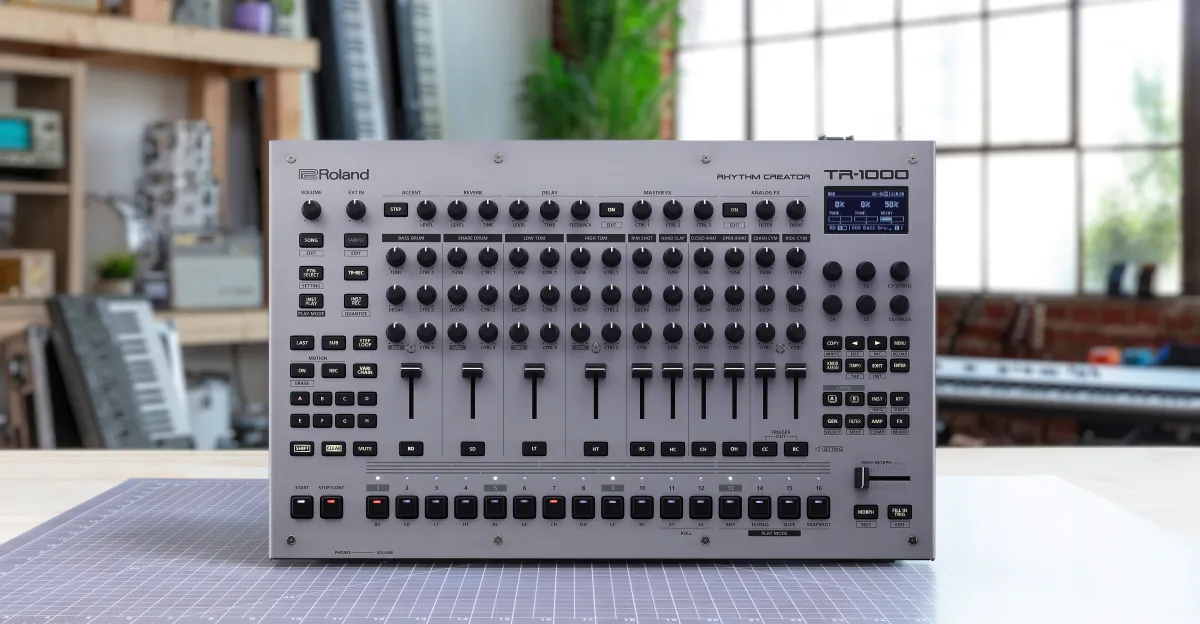

Roland’s TR-1000: First analog drum machine in four decades — a game-changer for young producers

The music production landscape is witnessing yet another transformative moment as Roland unveils the TR-1000, a hybrid synthesizer that seamlessly fuses analog grit with modern digital interface. Designed with a focus on user experience and tactile control, this device features an analog filter, drive section, and a multitude of knobs, buttons, and faders—purposely built to streamline workflow and reduce reliance on complex menus. This approach signifies a notable shift toward mainstreaming tactile, hardware-based production tools, catering to both seasoned producers and studios craving authentic sound textures. Such innovations indicate an industry that increasingly valuesimmediacy and visceral engagement, crucial in a fast-evolving musical climate where raw tone often outperforms sterile digital emulation.

The debut of the TR-1000 underscores the profound disruption within the traditional analog and digital synthesis markets. Priced at $2,699.99, it challenges the common perception that high-quality analog gear is prohibitively expensive. Compared to vintage icons like the TR-808 and TR-909, which command astronomical prices on the resale market, the TR-1000 positions itself as an accessible, cost-effective alternative. Its strategic pricing could dramatically shift consumer expectations, making professional-grade sound design more attainable for emerging producers and independent studios. This innovation demonstrates Roland’s response to growing demand for hybrid instruments that bridge classic warmth with modern versatility, paving the way for a new wave of competitive products in the synthesizer industry.

Business Impact and Industry Implications

The introduction of the TR-1000 exemplifies how traditional industry giants are leveraging disruptive innovation to redefine market dynamics. Gartner analysts highlight that firms investing in tactile, high-fidelity hardware are capitalizing on shifts in consumer preference away from purely software-based solutions. This trend suggests a departure from the era of digital dominance toward a renaissance of physical interfaces that inspire creativity through sensory engagement. Consequently, smaller startups and legacy brands must innovate rapidly or risk obsolescence. The TR-1000’s appeal to a broad demographic—ranging from veteran producers to young enthusiasts—also offers a glimpse into the future of a market that prizes personalized, immediate interaction with sound.

  • Enhanced workflow with minimal menu navigation
  • Integration of vintage sound characteristics with modern controls
  • Competitive pricing disrupting high-end analog market valuations
  • Potential to democratize professional-grade music production tools

Looking Ahead: The Future of Innovation in Musical Devices

As industry leaders like Elon Musk and Peter Thiel have noted, technological innovation that disrupts established paradigms often comes from bridging seemingly incompatible worlds—digital and analog, hardware and software. The TR-1000 signals a pivotal shift that could catalyze broader industry trends towards hybrid instruments with tactile and sonic authenticity. Market analysts warn that those who fail to embrace this disruption risk becoming irrelevant as consumers increasingly demand versatile, immersive, and intuitive musical tools. If Roland’s strategy proves successful, the music tech industry may soon see a surge of affordable, high-fidelity hardware that revolutionizes how future generations create and experience sound. The clock is ticking, and the race for innovation in this space is only intensifying—marking an exciting, high-stakes epoch for producers worldwide.

Social Media Auto Publish Powered By : XYZScripts.com


