
Matox News

Truth Over Trends, always!

Fallout 4 Gets a Fresh Edition to Gear Up for the New TV Show

Gaming Milestone Meets Technological Disruption: Bethesda Celebrates Fallout 4’s Decade with Anniversary Edition

In a move that underscores the enduring impact of classic titles amid rapid technological shifts, Bethesda has announced the release of the Fallout 4 Anniversary Edition, coinciding with the game’s 10th anniversary. Scheduled for launch on November 10th across PC, PS4, PS5, Xbox One, and Xbox Series X/S, this edition exemplifies innovation in content delivery and reinforces the game’s relevance in an era dominated by continuous platform evolution and digital engagement. Offering the base game alongside six official expansions, over 150 creations from the Creation Club, and a dedicated hub for mods, Bethesda is reinforcing the game’s position as a business case study in longevity and community-driven content.

This strategic refresh arrives precisely one month before the debut of the second season of Prime Video’s Fallout series, creating an integrated entertainment ecosystem that blurs the lines between traditional gaming and streaming media. Such an approach exemplifies how legacy franchises can leverage technological disruption—through cross-media synergy—to amplify user engagement and extend brand dominance. The timing also hints at a broader industry trend: immersive content experiences are becoming pivotal to capturing consumer attention in a competitive multimedia landscape. Industry analysts point to this as a clear example of how existing properties can leverage technological advancements—such as enhanced mod ecosystems and multi-platform availability—to reinvigorate aging franchises and unlock new revenue streams.

In a notable move reflecting accelerated hardware innovation, Bethesda has announced that the Fallout 4 Anniversary Edition will arrive on the upcoming Nintendo Switch 2 next year. This aligns with a broader industry shift, where companies like Nintendo and Sony are pushing boundaries with next-generation consoles that promise more integrated, high-performance gaming. Industry insiders suggest that this generation will fundamentally disrupt how games are developed and consumed—with enhanced processing power facilitating richer graphics, more complex worlds, and innovative mod support.

  • Next-gen consoles will facilitate larger, more dynamic multiplayer experiences.
  • Game developers will have access to unprecedented hardware capabilities for innovation in game design.
  • Distribution models will increasingly emphasize digital content, making physical limitations less relevant.

Furthermore, the impending Switch 2’s third-party releases marks an industry-wide shift toward platform agnostic gaming, where high-quality titles are expected to run seamlessly across device ecosystems. Such disruptions hold profound implications for game publishers, hardware manufacturers, and content creators, requiring them to adopt more agile strategies to stay competitive.

Looking ahead, the intersection of legacy IP revitalization, technological innovation, and hardware advancements signals a transformative era for interactive entertainment. Disruption is no longer optional but essential, prompting industry leaders and startups alike to accelerate innovation pipelines. The opportunity for entrepreneurs and investors is clear: those willing to embrace emerging tech—such as cloud gaming, AR/VR, and AI-driven content creation—will shape the future landscape of entertainment. As Bethesda’s anniversary celebration exemplifies, combining nostalgia with cutting-edge technology isn’t just a marketing tactic; it’s a blueprint for future business model evolution—a call for the industry to respond swiftly and boldly to the relentless pace of change. The future belongs to those who innovate now, ensuring that gaming remains not just relevant but revolutionary.
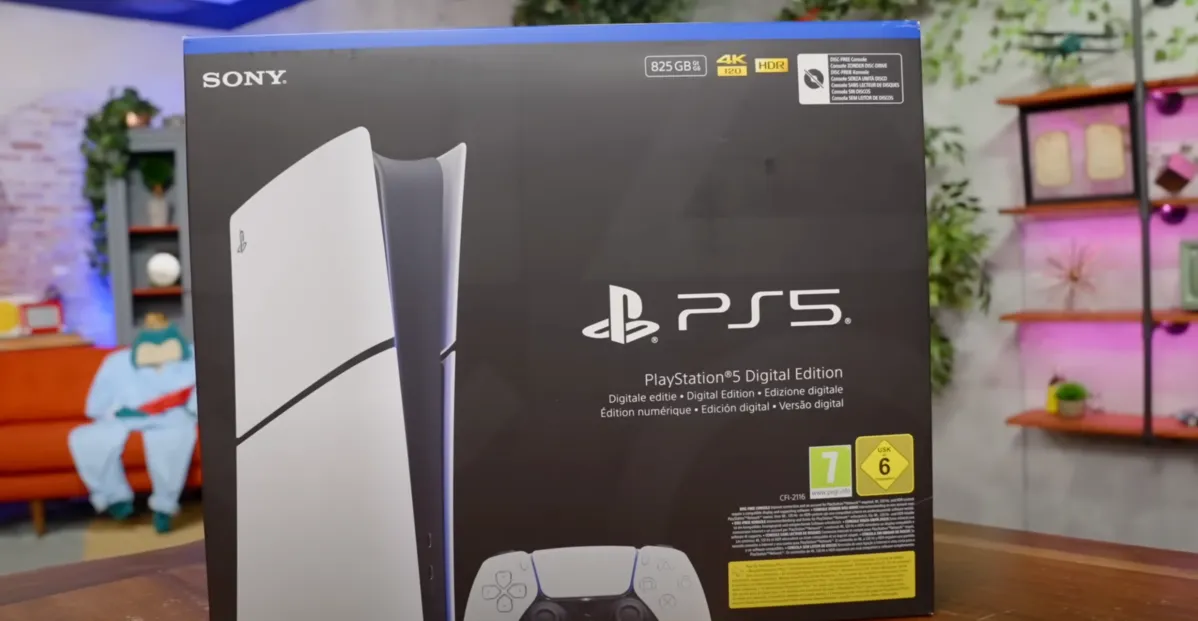
Sony cuts PS5 Slim storage in the US—tech with a bite for the next gen

Breaking New Ground: Sony’s Revised PS5 Slim Signals a Shift in Gaming Hardware

In a bold move that underscores the relentless pace of technological innovation and market disruption, Sony has launched a revised version of its popular digital PS5 Slim model in the United States. This updated iteration features a notable reduction in storage capacity, now offering only 825GB of SSD space compared to the previous 1TB standard—a change that has sparked significant discussions across the tech industry. The updated model, associated with the CFI-2100 model group, is available for purchase via the official PlayStation Direct platform, maintaining its $499.99 price point despite the reduced features. This strategic move by Sony highlights a growing emphasis on cost efficiencies and product differentiation in a highly competitive gaming market.

The new PS5 Slim’s design tweaks—such as matte finishes on the center panel and top side panels, alongside internal modifications observed by tech YouTuber Austin Evans—are indicative of a broader industry trend toward streamlining manufacturing and reducing costs. Evans’s teardown revealed subtle but significant internal changes, likely aimed at optimizing production and lowering component costs, even as Sony preserves its premium branding. Such changes reflect a calculated response to market pressures, especially as the company already announced a $50 price hike earlier this year, citing a challenging economic environment. It demonstrates a dual strategy: maintaining profit margins while adjusting product specifications to meet shifting consumer expectations.

This move underscores a critical inflection point in the gaming industry, driven by disruption in hardware innovation. As dominant players refine their product lines, industry analysts from Gartner and MIT cite the increasing importance of flexibility in hardware design—where companies must balance advancements in performance with cost considerations. The reduction in storage, for instance, might signal an industry-wide shift where cloud gaming and digital distribution become primary drivers, lessening the reliance on large internal storage capacities. Furthermore, this aligns with the broader trend of consolidation and efficiency in consumer electronics, as manufacturers seek to tighten supply chains and introduce incremental upgrades rather than revolutionary changes.

Looking forward, industry experts warn that such strategic product adjustments are a prelude to even more intense competition and rapid innovation cycles. Experts like Elon Musk and Peter Thiel emphasize the importance of disruptive innovation in hardware and software ecosystems to stay ahead in a tech landscape increasingly defined by rapid obsolescence and consumer demand for cutting-edge features. As gaming hardware evolves, the pressure mounts on competitors like Microsoft and emerging players to push the boundaries of performance, affordability, and user experience. The implications for developers and consumers are profound: a highly dynamic market that demands agility, foresight, and relentless innovation.

In conclusion, Sony’s latest revision of the PS5 Slim exemplifies the fierce evolutionary pressures within the tech industry. As companies optimize, innovate, and redefine standards, the race to dominate the next wave of digital entertainment accelerates. With market shifts emphasizing cloud integration and cost-conscious design, stakeholders must stay attuned to these seismic changes—because the future belongs to those who can adapt fastest. The next decade promises to be a period of unprecedented upheaval and opportunity, demanding strategic foresight from those eager to lead in the age of digital disruption.

Crucial Tips for Picking Your 2025 Gaming Laptop—Stay Ahead in the Game

Next-Generation Gaming Laptops Signal a New Era of Innovation and Disruption

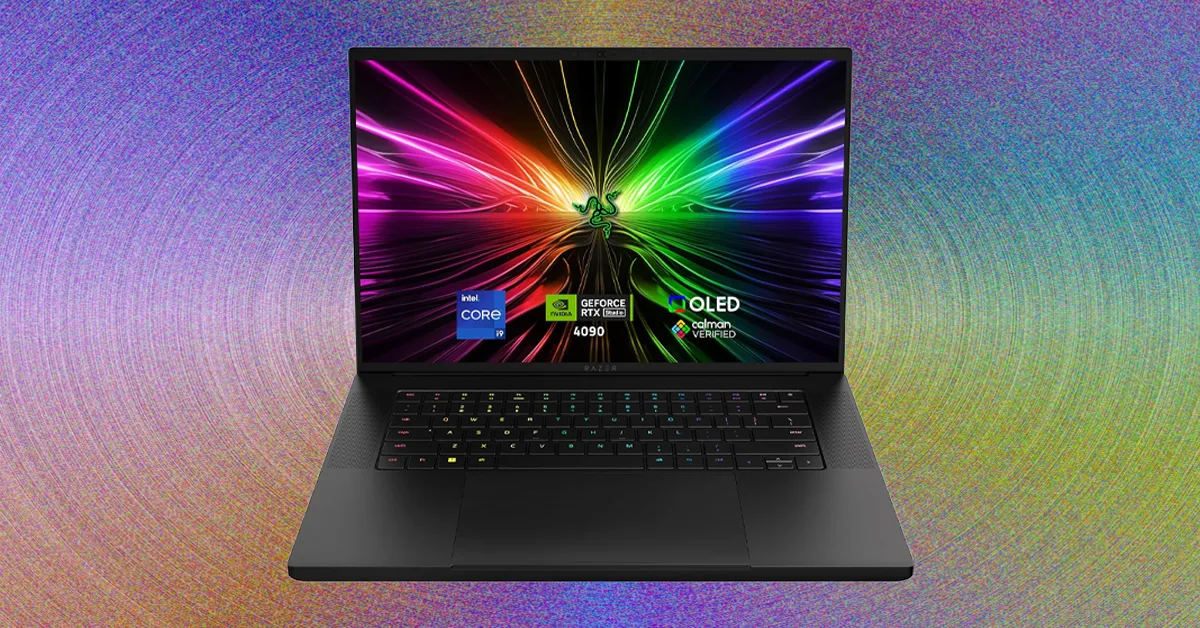
The gaming laptop industry is undergoing a seismic shift as hardware innovation accelerates, setting the stage for unprecedented performance levels and strategic market realignments. With the recent rollout of NVIDIA’s latest RTX 50-series GPUs, including the powerful RTX 5090 (24 GB VRAM), RTX 5080 (16 GB VRAM), and RTX 5070 Ti (12 GB VRAM), manufacturers are pushing the boundaries of graphics performance. These advancements are poised to redefine what’s possible for gamers and creators alike, challenging established industry standards and opening opportunities for disruption in premium hardware.

The implications for the business landscape are profound. Innovation in GPU architecture doesn’t just enhance gaming; it fundamentally shifts the competitive calculus in high-performance computing. As a result, companies that fail to adapt to this rapid evolution risk obsolescence. This momentum is echoed by industry analysts from Gartner and institutions like MIT, who emphasize that disruptive technology cycles are shortening, demanding aggressive R&D investment and strategic pivots. The uptick in VRAM from previous models also signifies a focus on future-proofing devices, allowing users to handle increasingly demanding applications with ease.

Meanwhile, the CPU landscape is equally compelling. The latest generation of chips from Intel and AMD introduces third-gen Ryzen AI processors, such as the Ryzen AI 9 365 and Ryzen AI 9 HX 375, and Intel’s new Core Ultra Series 2 H and HX chips. These CPUs, with power profiles reaching up to 55W, are designed to complement high-end GPUs, offering a balanced approach to performance, efficiency, and battery life. Notably, the adoption of the Ryzen 9 9955HX3D signals a move towards unprecedented gaming power—a trend that industry leaders are closely monitoring. This synergy of CPU and GPU innovation is unlocking new levels of gaming and creator productivity, serving as a catalyst for a new wave of ultra-powerful, portable machines.

As the market evolves, consumer choices are also shifting. The industry is rapidly discarding outdated standards, with most new laptops now equipped with a minimum of 16 GB RAM and increasingly moving towards 32 GB to meet the demands of modern, memory-intensive software. However, early adopters still face choices about affordability versus cutting-edge hardware. Experts caution against purchasing older GPU models—particularly those predating the RTX 40-series—citing risk of obsolescence, given the pace of technological progression.

The outlook for the gaming laptop segment is unequivocal: disruption is accelerating at an unprecedented rate. While current innovations focus on raw performance, the broader implications stretch into business strategies, market positioning, and future consumer expectations. Pioneers that invest in the integration of these emerging technologies, aligning with strategic insights from industry giants like Peter Thiel and Elon Musk, will unlock new opportunities for competitive advantage. The question now is not if but when the industry will fully embrace these changes, demanding a sense of urgency for stakeholders seeking to lead in this transformative era. As innovation continues its relentless march forward, one thing is clear: the future belongs to those willing to push the limits and disrupt the status quo.

Social Media Auto Publish Powered By : XYZScripts.com



