Matox News

Truth Over Trends, always!

Discord’s Family Center update empowers parents to keep tabs on weekly spending—gear up for safer, smarter gaming!

Discord Unveils Next-Generation Parental Monitoring Tools, Signaling Industry Disruption

In a move that underscores the increasing importance of youth safety in digital spaces, Discord has rolled out a suite of substantial updates to its Family Center platform. These enhancements, aimed primarily at empowering guardians with deeper insights into their teens’ activity, embody the broader trend of tech giants intensifying parental oversight. At a time when social platforms face mounting scrutiny over youth privacy, Discord’s latest features position it as a disruptive force, potentially reshaping parental engagement across social media.

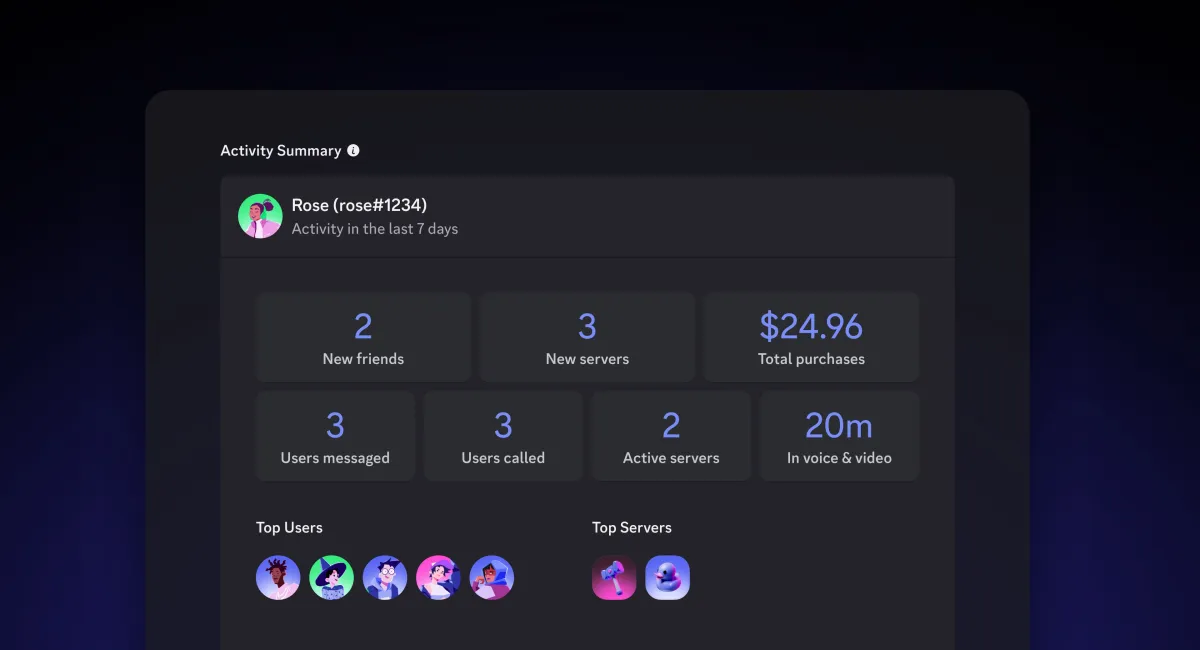
Among the most notable innovations is the expansion of guardians’ visibility into their teens’ digital behavior, including detailed reports on purchases, interaction patterns, and communication activity. Guardians can now track weekly expenditure within Discord’s Shop and Nitro subscriptions, gaining awareness of how teens allocate both time and money. Additionally, along with showing top interacted users and servers, Discord’s platform provides comprehensive insights into time spent on voice and video calls, reflecting an industry-wide response to the ‘teen safety’ wave fostered by competitors like Meta and Snapchat. The implications for business disruption are significant, as platforms move from passive monitoring to active engagement, potentially increasing user retention through safer environments, while simultaneously appealing to parental authority as a core feature.

Adding to this paradigm shift are enhanced parental controls, which now include restrictions on direct messaging, content filtering, and data privacy management. Guardians can dictate how their teens interact within Discord, a regime that echoes the industry’s strategic emphasis on responsible data practices and privacy. Experts from MIT and industry analysts from Gartner recognize that such features could usher in a new era of product differentiation—a crucial factor for platforms seeking to sustain relevance among younger demographics aware of privacy concerns. Meanwhile, Discord’s flexible reporting options—allowing teens to notify guardians of content reports—highlight an evolving model where transparency and communication become central to platform trustworthiness.

However, the deployment of these tools raises critical questions about industry standards and regulatory impacts. While fostering safer environments, increased oversight may prompt competitors to accelerate innovation, leading to a disruption in the social media landscape. With the backdrop of a sharply competitive market, where Elon Musk’s \href{https://parents.snapchat.com/safeguards-for-teens}{Snapchat} and Meta’s \href{https://techcrunch.com/2024/01/25/meta-teen-controls/}{tighter restrictions} are already reshaping youth interaction, Discord’s strategic move could accelerate the trend toward privacy-first, guardian-centric social spaces.

Future Outlook: Navigating the Next Wave of Social Tech

Looking ahead, the technology sector must brace for a rapid evolution in how digital platforms balance disruption and responsibility. As industry leaders like Gartner forecast an inevitable convergence of youth-centric design and privacy safeguards, Discord’s initiatives serve as a blueprint for the future of social media. In this high-stakes environment, the race is on to develop platforms that not only captivate younger audiences but also foster trust and security—critical ingredients for long-term business sustainability. With regulatory pressures mounting and consumer expectations shifting, developers and investors must act swiftly to secure a competitive edge, or risk being left behind in the digital revolution.

Razer Blade 14: Still the Top Compact Gaming Machine for the Next Generation

Razer Sets the Stage for Gaming Laptop Disruption with Next-Gen Hardware

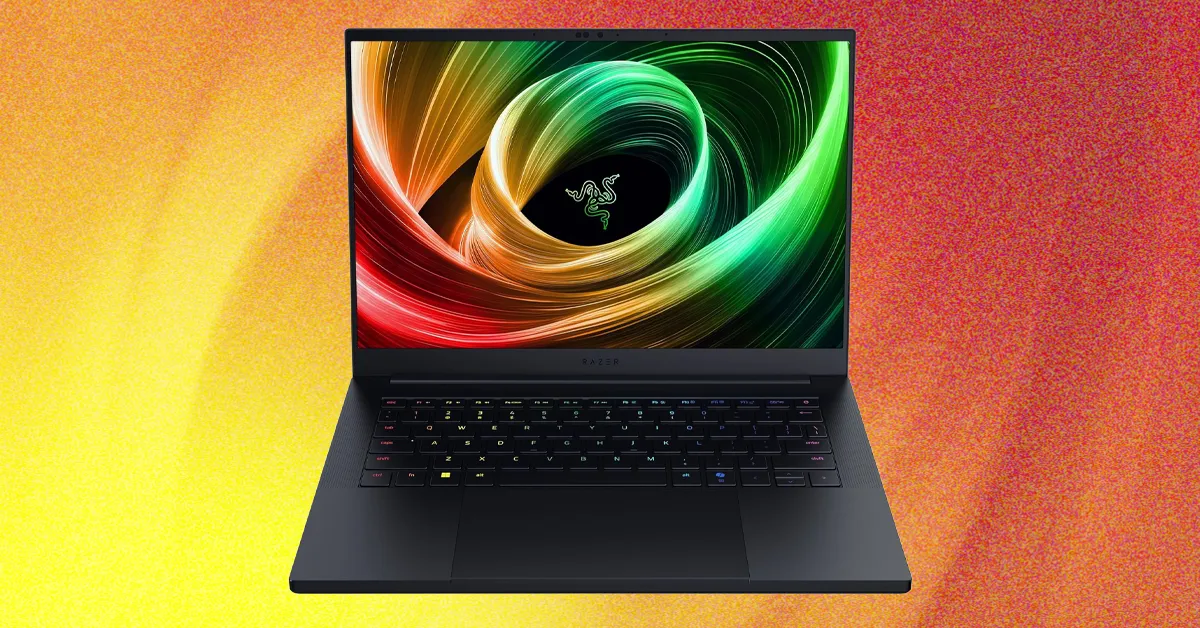
In a move that underscores the relentless push for innovation in gaming hardware, Razer has unveiled its latest gaming laptop configuration, harnessing the raw power of the AMD Ryzen AI 9 365 processor paired with the cutting-edge Nvidia RTX 50-series graphics cards. Starting with a foundational 1 TB of storage, users can choose between the RTX 5060 and 5070, two GPUs emblematic of Nvidia’s ongoing disruption in graphics processing technology. The new models reflect a strategic focus on performance optimization and user configurability, with Razer enforcing storage and memory upgrades based on their GPU selection—marking a shift that emphasizes tailored computing experiences in the gaming industry.

Performance Benchmarks Illuminate Industry Shifts

Initial reviews suggest that the Razer Blade 14 offers performance aligned with current expectations for high-end gaming laptops. Testing at a native resolution 2560 x 1600 strikes a balance between visual sharpness and smooth gameplay, though many gamers will prefer 1920 x 1200 for superior frame rates. Notably, the RTX 5070 performs approximately 14% faster than the previous RTX 5060 in comparable models, such as Lenovo’s Legion 7i Gen 10, signaling a step forward in GPU efficiency and power density.

Critically, the performance benchmarks were conducted without leveraging Nvidia’s advanced upscaling—such as frame generation or ray tracing—which means these numbers underrepresent the full potential of the hardware. By employing Nvidia’s DLSS technology, gamers can sustain higher frame rates without compromising visual quality, underscoring the industry’s shift toward AI-driven rendering advancements that challenge existing paradigms.

Business Implications and Industry Disruption

This latest release highlights how companies like Razer continue to disrupt traditional gaming laptop markets by integrating performance-centric innovations with modular, configurable platforms. The industry is witnessing a shift towards more user-customizable hardware, driven by consumer demand for mobility, power, and flexibility—all while maintaining competitive edge against competitors like ASUS, MSI, and Alienware.

Strategic differentiation lies in the advanced GPU offerings and their integration with AI-based features. As noted by industry analysts from Gartner and MIT, AI acceleration in graphics and workload processing will soon become standard, forcing incumbents to innovate swiftly. For instance, the RTX 5070 and upcoming RTX 5070 Ti models with increased VRAM will further challenge existing high-performance segments, especially as the demand for portable yet powerful machines grows exponentially.

Future Outlook: Innovation as a Business Mandate

The gaming hardware industry is on the precipice of significant transformation. Traditional perceived limitations—such as power consumption and thermal management—are being addressed through disruptive innovations in cooling systems, AI-optimized rendering, and component miniaturization. With giants like Elon Musk and investors like Peter Thiel emphasizing disruption and breakthrough tech, the race to dominate the next wave of AI-infused, ultra-portable gaming platforms intensifies.

In this environment, businesses that prioritize innovation, agility, and user-centric customization will lead the future of gaming hardware. As Razer’s latest models demonstrate, this is not merely about incremental upgrades but about redefining performance benchmarks and industry standards. The next few years promise to be a battlefield where disruption is the new norm, and those who fail to adapt risk being left behind in a rapidly evolving technological landscape.

Hackers Break Free the Kinect: A Win for Gamers and Innovation

Revolution in Tech: How Open Source and Innovation Disrupt Legacy Systems

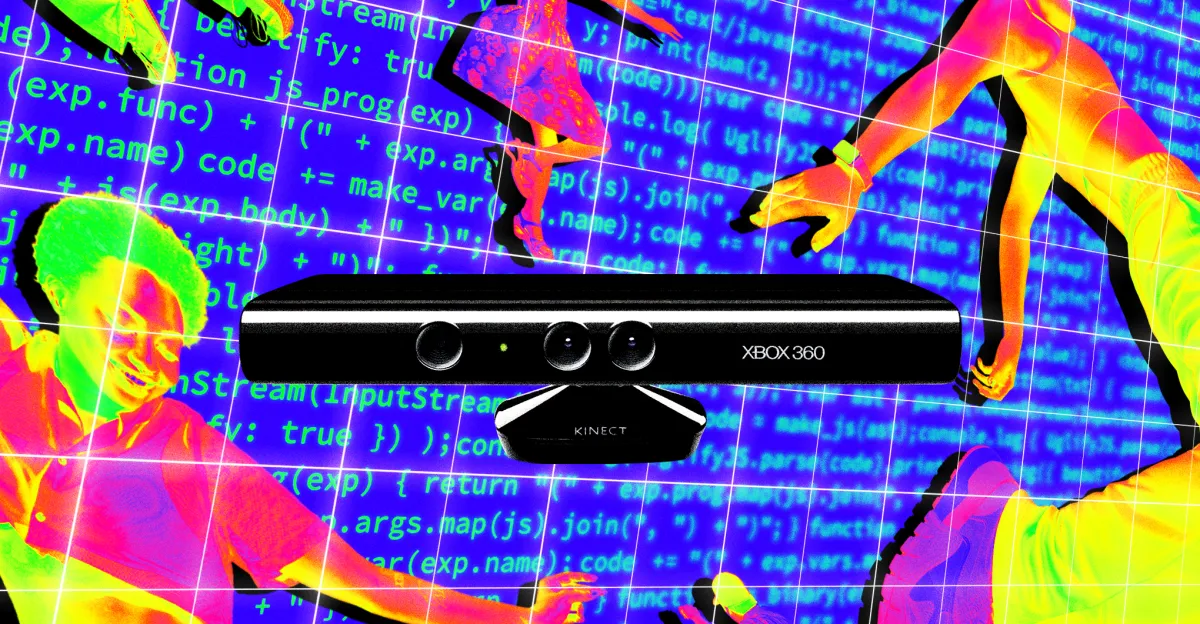
Over the past decade, the trajectory of innovative technologies has demonstrated a recurring pattern: initial failure often leads to profound disruption. The Microsoft Kinect, launched in 2010 as a flagship motion-sensing gaming device, exemplifies this trend. While its consumer application—evoking immersive gameplay—failed to meet expectations, its underlying technological foundation became a blueprint for a broad spectrum of disruptive innovations that transcended entertainment.

Today, the Kinect’s infrared depth sensing and gesture recognition capabilities are being leveraged in robotics, medical imaging, and AI-driven applications. The open-source community—notably spearheaded by hackers and developers like Kyle Machulis and Memo Akten—reclaimed this technology from corporate lock-in, transforming it into a versatile tool for democratized experimentation. Their clandestine work with open source drivers revealed that cost-effective access to sophisticated hardware could catalyze accelerated R&D and democratize innovation on a global scale.

Open Source: The Catalyst for Disruption and Business Transformation

The community-driven effort to reverse engineer Kinect was driven less by profit and more by a desire to break barriers. In 2010, the OpenKinect project emerged, igniting a wave of experimentation that showcased how accessible hardware could revolutionize various sectors. Beyond gaming, Kinect-inspired devices now facilitate real-time obstacle detection for autonomous robots, enable contactless surgical scans in healthcare, and serve as powerful tools for educational and artistic endeavors.

  • Lowered barriers for entry into advanced tech spaces
  • Enabled rapid prototyping and open innovation ecosystems
  • Birthed new markets for perception and interaction hardware

Furthermore, the business implications of this disruption are profound. Tech giants like Apple incorporated Kinect’s core sensors into their consumer devices, especially for facial recognition and 3D mapping, solidifying their place in next-generation device ecosystems. Meanwhile, consumer-level access to open-source hardware continues to foster a new breed of startups that challenge traditional R&D models, hinting at a future where corporate innovation will increasingly depend on community-driven advancements.

Future Horizons: Artificial Intelligence Paving the Way for New Disruptions

As the open-source community continues to democratize access to hardware like Kinect, the next frontier appears to be in artificial intelligence. Experts such as Peter Thiel and institutions like MIT predict that AI will serve as the principal driver behind the next wave of disruptive breakthroughs. What began as a punk-rock, hacker-driven movement for open hardware is now evolving into a full-blown AI renaissance: models are becoming more accessible, open data is proliferating, and entrepreneurial ventures are capitalizing on this trend.

However, this new era poses significant challenges and warnings. A growing concentration of AI development within corporate giants could threaten the open innovation spirit that fueled Kinect’s revolution. The risk isn’t just technological stagnation; it’s the potential for a monopolization of future technological breakthroughs, stifling the entrepreneurial spirit that historically pushed the boundaries of what’s possible. Enthusiasts like Elon Musk and Peter Thiel advocate for safeguarding open ecosystems—reminding us that the future of technology depends on the community’s ability to innovate ahead of the curve.

Ultimately, the parallels between the Kinect revolution and the burgeoning AI ecosystem underscore a key reality: innovation is best nurtured outside the corridors of corporate control. As open communities push forward, rapidly iterating and sharing knowledge, they threaten to reset the paradigm of technological progress—making it more accessible, more disruptive, and more aligned with the values of youthful explorers eager to shape the future. The clock is ticking; those who embrace this spirit now will define the next era of technological supremacy.

Top Family Board Games of 2025: Catan, Ticket to Ride, Codenames & More

Emerging Trends in Digital Gaming Signal Disturbance in Traditional Markets

In a landscape marked by relentless innovation, the digital gaming explosion exemplifies pioneering disruption capable of transforming entire industries. This wave is driven by advancements in augmented reality, artificial intelligence, and new interactive platforms that have begun to redefine how businesses conceptualize entertainment, engagement, and revenue models. A prime example is the emergence of warehouse-like, multiplayer, and cooperative game formats that lean heavily on digital interconnectivity, challenging traditional paradigms of family entertainment and social interaction.

Leading firms like Exploding Kittens and Wired are capitalizing on these innovations by shifting from conventional board games to digital-integrated experiences. Notably, these companies leverage AI-assisted game design, real-time analytics, and crowdsourced content to craft immersive, fast-paced, and highly social experiences that appeal to the tech-savvy youth demographic. Furthermore, the industry is witnessing a notable pivot towards virtualized, multiplayer setups that transcend geographical limitations, heralding a new era where physical game assets evolve into digitally enriched entertainment ecosystems. This shift is also reinforced by data from Gartner, which predicts that by 2025, the majority of family and social gaming will be rooted in interactive, digitally networked platforms, foreshadowing a steep decline in traditional physical game sales and a rise in hyper-disrupted content delivery channels.

One of the most disruptive elements lies in the business model innovation facilitated by these technologies. Subscription-based access, microtransactions for in-game assets, and on-demand gaming experiences are fundamentally altering the revenue stream, much like the monetization strategies seen in AI-powered cloud services and streaming giants. Companies such as Ultra PRO and others are now offering digital packages that integrate seamlessly with social media, further accelerating the shift towards a gig economy of gaming content, where user-generated content feeds into monetization pipelines. This transition into a **digital economy** is a wake-up call for legacy board game manufacturers and retail giants, many of whom are ill-prepared for the scale of disruption.

With industry heavyweights like MIT and analysts such as Peter Thiel warning about the stagnation of non-digital entertainment sectors, it becomes clear that the race for technological dominance is intensifying across gaming, social interaction, and consumer engagement. Those who fail to adapt risk being left behind in an era where innovation in AI and augmented reality revolutionizes consumer expectations overnight. As the landscape evolves with new formats—from visually stimulating tile-building games to fast-paced guessing competitions—the urgency for incumbent businesses to innovate is more critical than ever. Leaders in tech and entertainment must collaborate, harness data-driven insights, and accelerate the deployment of next-generation gaming infrastructures—failing which their market share is destined to erode significantly. Recognizing this seismic shift, stakeholders need to deploy aggressive R&D strategies and prioritize open platforms that foster community-driven content and cross-platform integration.

Future Outlook

Looking forward, the persistent acceleration of digital disruption demands proactive adaptation from market players. The advent of AI-integrated game design, virtual reality, and advanced analytics promises to unlock unprecedented levels of engagement and profitability. Companies that view this as an opportunity—rather than a threat—will dominate the new digital gaming frontier. The window to capitalize on these innovations is closing rapidly; industry leaders must act decisively to secure a competitive edge, or risk becoming obsolete in the blink of an eye. The future belongs to those who can orchestrate disruptive technologies at scale, merging innovation with business agility. The question is no longer if but when and how the next wave of digital entertainment will redefine the marketplace—those who recognize the urgency now will shape its future trajectory.

Windows Woes: The Real Hurdle for Handhelds

Microsoft’s Infamous Xbox Ally: A Reflection of Industry Disruption & the Rise of Linux-Based Innovation

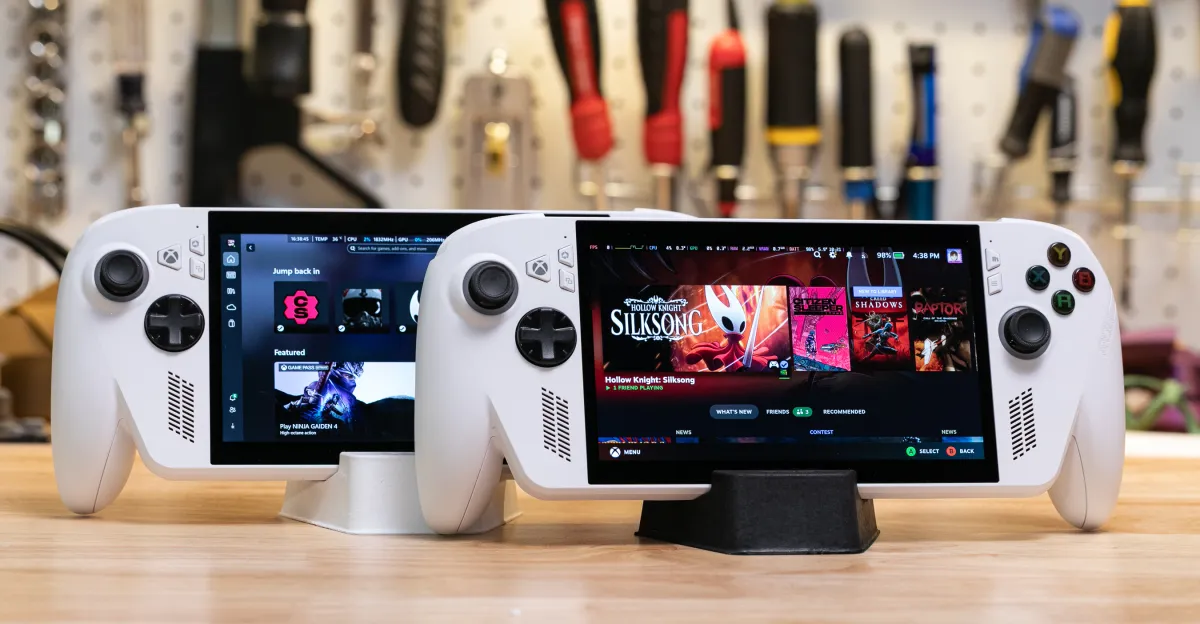
In an era defined by technological innovation and rapid disruption, the recent release ofMicrosoft’s Xbox Ally handheld console underscores a pivotal moment in gaming hardware evolution. Priced at a hefty $600, this device was engineered with high expectations—aiming to bridge the gap between traditional Windows gaming and portable entertainment. However, as reports emerge of fundamental flaws—such as unreliable sleep modes and battery drainage, the console highlights a disturbing reality: even the largest tech companies face critical challenges in optimizing hardware for portable, user-centric gaming experiences.

This misstep, seemingly a failure of Microsoft’s longstanding Windows ecosystem, starkly contrasts with Bazzite — a Linux-based firmware that is steadily disrupting the industry by delivering faster, more reliable performance. Notably, Bazzite significantly outperforms Windows in running Windows games, often by as much as 30%, and offers a smoother launch and wake experience, marking a notable shift in business implications. This Linux-driven innovation illustrates a broader trend where open-source communities, empowered by giants like Valve and MIT, are challenging established Operating Systems and forcing incumbents to rethink their strategies.

The Linux community’s rapid development of Bazzite showcases a disruptive capacity that rivals, and in some cases surpasses, major OS platforms in specific niches such as handheld gaming. The community’s ability to swiftly address hardware issues—like fixing sleep mode failures within days of obtaining the device—exemplifies a new paradigm of collaborative innovation. Industry analysts from Gartner warn of potential obsolescence for traditional OS paradigms if legacy players like Microsoft fail to adapt swiftly to this wave of open-source disruption. With Linux-based firmware offering more *customization, speed, and stability*, gamers and developers alike are reconsidering the value proposition of proprietary software monopolies.

Looking into the future, the industry’s battlefield is shifting. Companies that embrace adaptability, foster disruption-driven innovation, and forge successful partnerships with open-source communities will dominate the next frontier. The displacement of Windows in portable gaming, as illustrated by the success of Linux firmware like Bazzite, signals that the era of monopoly-based OS control may be waning. Industry leaders, including Elon Musk and Peter Thiel, have long championed disruptive entrepreneurship; now, it is evident that disruption is not only a trend but a necessity for survival. The race is on: those who fail to innovate risk being left behind as a new wave of hardware disruptors—powered by open source—reshape the landscape of gaming and beyond.

Fallout 4 Gets a Fresh Edition to Gear Up for the New TV Show

Gaming Milestone Meets Technological Disruption: Bethesda Celebrates Fallout 4’s Decade with Anniversary Edition

In a move that underscores the enduring impact of classic titles amid rapid technological shifts, Bethesda has announced the release of the Fallout 4 Anniversary Edition, coinciding with the game’s 10th anniversary. Scheduled for launch on November 10th across PC, PS4, PS5, Xbox One, and Xbox Series X/S, this edition exemplifies innovation in content delivery and reinforces the game’s relevance in an era dominated by continuous platform evolution and digital engagement. Offering the base game alongside six official expansions, over 150 creations from the Creation Club, and a dedicated hub for mods, Bethesda is reinforcing the game’s position as a business case study in longevity and community-driven content.

This strategic refresh arrives precisely one month before the debut of the second season of Prime Video’s Fallout series, creating an integrated entertainment ecosystem that blurs the lines between traditional gaming and streaming media. Such an approach exemplifies how legacy franchises can leverage technological disruption—through cross-media synergy—to amplify user engagement and extend brand dominance. The timing also hints at a broader industry trend: immersive content experiences are becoming pivotal to capturing consumer attention in a competitive multimedia landscape. Industry analysts point to this as a clear example of how existing properties can leverage technological advancements—such as enhanced mod ecosystems and multi-platform availability—to reinvigorate aging franchises and unlock new revenue streams.

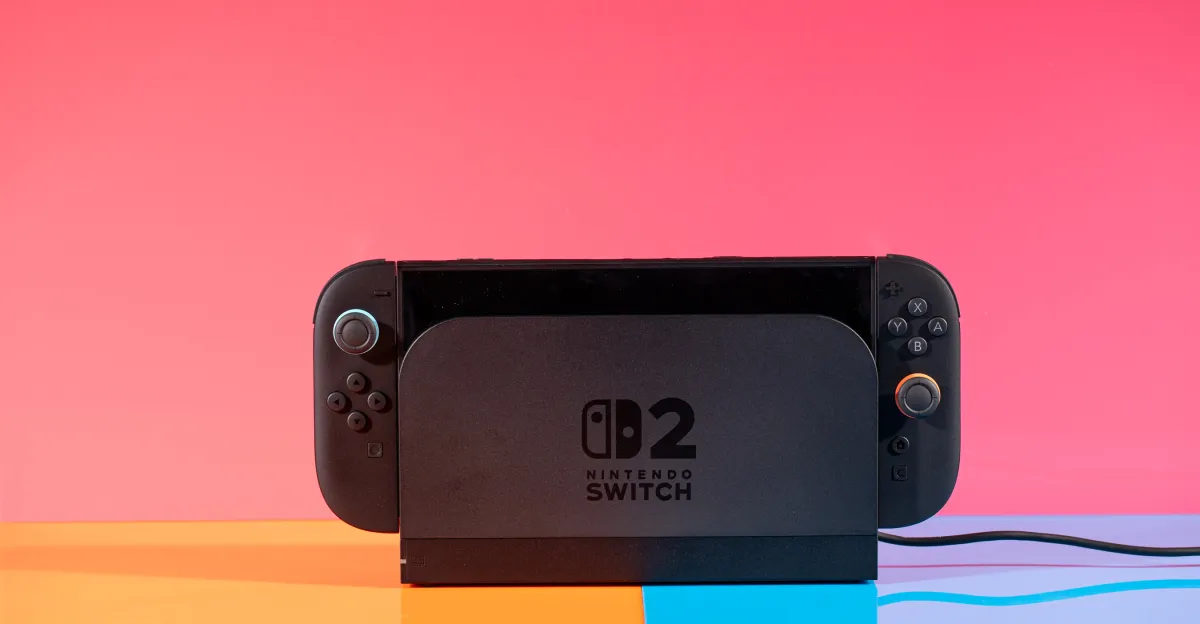
In a notable move reflecting accelerated hardware innovation, Bethesda has announced that the Fallout 4 Anniversary Edition will arrive on the upcoming Nintendo Switch 2 next year. This aligns with a broader industry shift, where companies like Nintendo and Sony are pushing boundaries with next-generation consoles that promise more integrated, high-performance gaming. Industry insiders suggest that this generation will fundamentally disrupt how games are developed and consumed—with enhanced processing power facilitating richer graphics, more complex worlds, and innovative mod support.

  • Next-gen consoles will facilitate larger, more dynamic multiplayer experiences.
  • Game developers will have access to unprecedented hardware capabilities for innovation in game design.
  • Distribution models will increasingly emphasize digital content, making physical limitations less relevant.

Furthermore, the impending Switch 2’s third-party releases marks an industry-wide shift toward platform agnostic gaming, where high-quality titles are expected to run seamlessly across device ecosystems. Such disruptions hold profound implications for game publishers, hardware manufacturers, and content creators, requiring them to adopt more agile strategies to stay competitive.

Looking ahead, the intersection of legacy IP revitalization, technological innovation, and hardware advancements signals a transformative era for interactive entertainment. Disruption is no longer optional but essential, prompting industry leaders and startups alike to accelerate innovation pipelines. The opportunity for entrepreneurs and investors is clear: those willing to embrace emerging tech—such as cloud gaming, AR/VR, and AI-driven content creation—will shape the future landscape of entertainment. As Bethesda’s anniversary celebration exemplifies, combining nostalgia with cutting-edge technology isn’t just a marketing tactic; it’s a blueprint for future business model evolution—a call for the industry to respond swiftly and boldly to the relentless pace of change. The future belongs to those who innovate now, ensuring that gaming remains not just relevant but revolutionary.

Sony cuts PS5 Slim storage in the US—tech with a bite for the next gen

Breaking New Ground: Sony’s Revised PS5 Slim Signals a Shift in Gaming Hardware

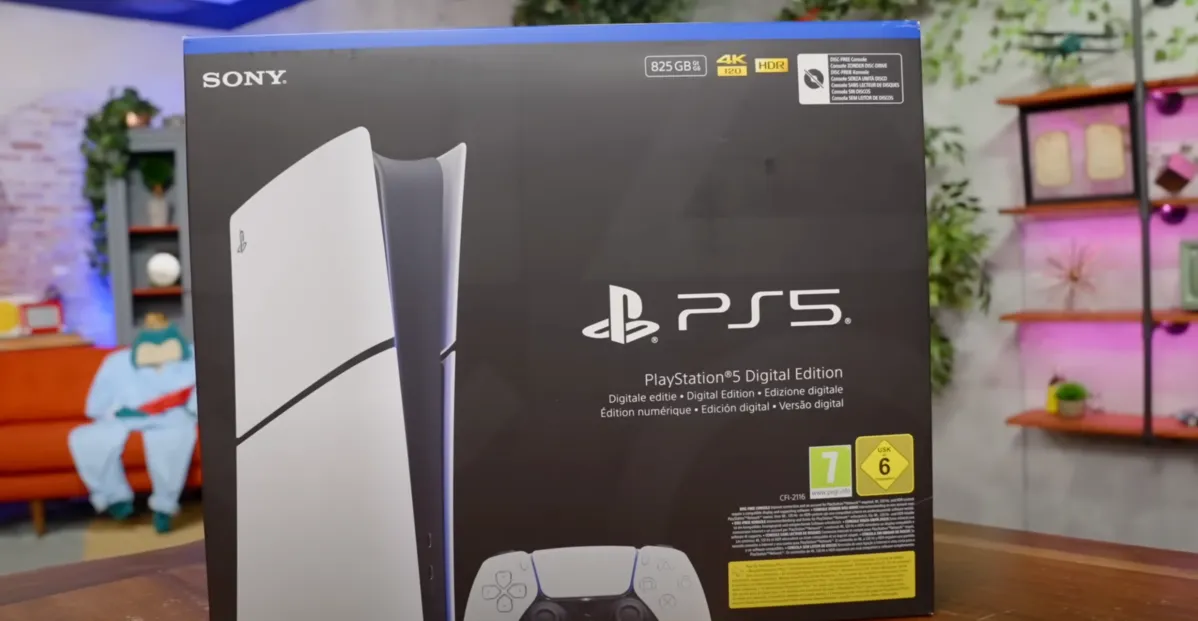
In a bold move that underscores the relentless pace of technological innovation and market disruption, Sony has launched a revised version of its popular digital PS5 Slim model in the United States. This updated iteration features a notable reduction in storage capacity, now offering only 825GB of SSD space compared to the previous 1TB standard—a change that has sparked significant discussions across the tech industry. The updated model, associated with the CFI-2100 model group, is available for purchase via the official PlayStation Direct platform, maintaining its $499.99 price point despite the reduced features. This strategic move by Sony highlights a growing emphasis on cost efficiencies and product differentiation in a highly competitive gaming market.

The new PS5 Slim’s design tweaks—such as matte finishes on the center panel and top side panels, alongside internal modifications observed by tech YouTuber Austin Evans—are indicative of a broader industry trend toward streamlining manufacturing and reducing costs. Evans’s teardown revealed subtle but significant internal changes, likely aimed at optimizing production and lowering component costs, even as Sony preserves its premium branding. Such changes reflect a calculated response to market pressures, especially as the company already announced a $50 price hike earlier this year, citing a challenging economic environment. It demonstrates a dual strategy: maintaining profit margins while adjusting product specifications to meet shifting consumer expectations.

This move underscores a critical inflection point in the gaming industry, driven by disruption in hardware innovation. As dominant players refine their product lines, industry analysts from Gartner and MIT cite the increasing importance of flexibility in hardware design—where companies must balance advancements in performance with cost considerations. The reduction in storage, for instance, might signal an industry-wide shift where cloud gaming and digital distribution become primary drivers, lessening the reliance on large internal storage capacities. Furthermore, this aligns with the broader trend of consolidation and efficiency in consumer electronics, as manufacturers seek to tighten supply chains and introduce incremental upgrades rather than revolutionary changes.

Looking forward, industry experts warn that such strategic product adjustments are a prelude to even more intense competition and rapid innovation cycles. Experts like Elon Musk and Peter Thiel emphasize the importance of disruptive innovation in hardware and software ecosystems to stay ahead in a tech landscape increasingly defined by rapid obsolescence and consumer demand for cutting-edge features. As gaming hardware evolves, the pressure mounts on competitors like Microsoft and emerging players to push the boundaries of performance, affordability, and user experience. The implications for developers and consumers are profound: a highly dynamic market that demands agility, foresight, and relentless innovation.

In conclusion, Sony’s latest revision of the PS5 Slim exemplifies the fierce evolutionary pressures within the tech industry. As companies optimize, innovate, and redefine standards, the race to dominate the next wave of digital entertainment accelerates. With market shifts emphasizing cloud integration and cost-conscious design, stakeholders must stay attuned to these seismic changes—because the future belongs to those who can adapt fastest. The next decade promises to be a period of unprecedented upheaval and opportunity, demanding strategic foresight from those eager to lead in the age of digital disruption.

Crucial Tips for Picking Your 2025 Gaming Laptop—Stay Ahead in the Game

Next-Generation Gaming Laptops Signal a New Era of Innovation and Disruption

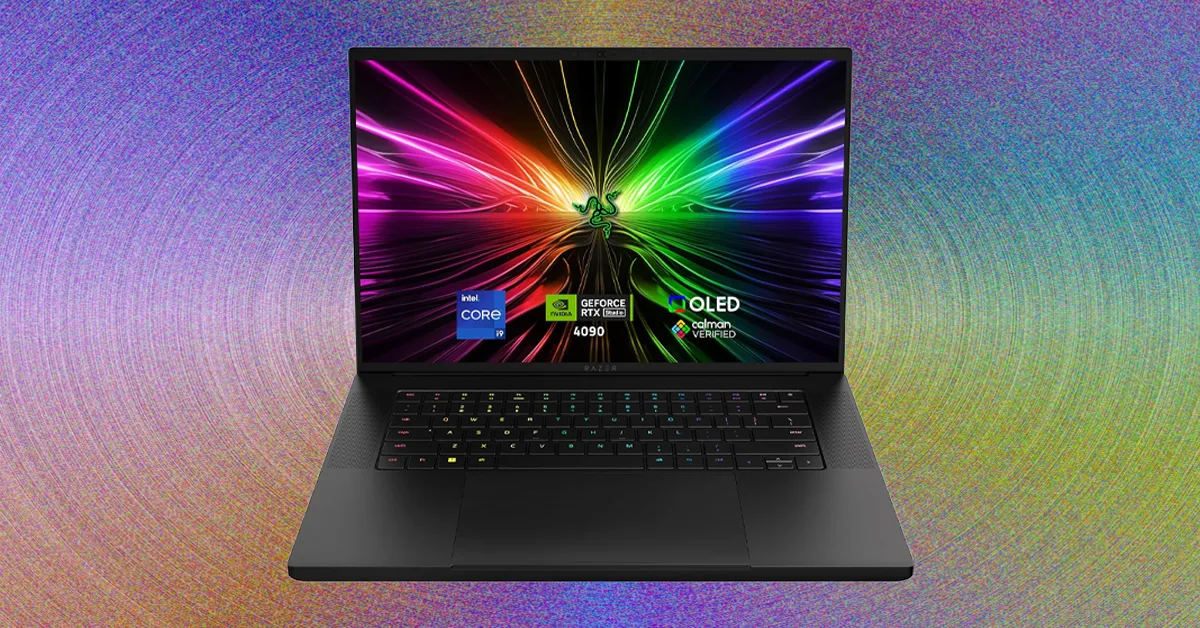
The gaming laptop industry is undergoing a seismic shift as hardware innovation accelerates, setting the stage for unprecedented performance levels and strategic market realignments. With the recent rollout of NVIDIA’s latest RTX 50-series GPUs, including the powerful RTX 5090 (24 GB VRAM), RTX 5080 (16 GB VRAM), and RTX 5070 Ti (12 GB VRAM), manufacturers are pushing the boundaries of graphics performance. These advancements are poised to redefine what’s possible for gamers and creators alike, challenging established industry standards and opening opportunities for disruption in premium hardware.

The implications for the business landscape are profound. Innovation in GPU architecture doesn’t just enhance gaming; it fundamentally shifts the competitive calculus in high-performance computing. As a result, companies that fail to adapt to this rapid evolution risk obsolescence. This momentum is echoed by industry analysts from Gartner and institutions like MIT, who emphasize that disruptive technology cycles are shortening, demanding aggressive R&D investment and strategic pivots. The uptick in VRAM from previous models also signifies a focus on future-proofing devices, allowing users to handle increasingly demanding applications with ease.

Meanwhile, the CPU landscape is equally compelling. The latest generation of chips from Intel and AMD introduces third-gen Ryzen AI processors, such as the Ryzen AI 9 365 and Ryzen AI 9 HX 375, and Intel’s new Core Ultra Series 2 H and HX chips. These CPUs, with power profiles reaching up to 55W, are designed to complement high-end GPUs, offering a balanced approach to performance, efficiency, and battery life. Notably, the adoption of the Ryzen 9 9955HX3D signals a move towards unprecedented gaming power—a trend that industry leaders are closely monitoring. This synergy of CPU and GPU innovation is unlocking new levels of gaming and creator productivity, serving as a catalyst for a new wave of ultra-powerful, portable machines.

As the market evolves, consumer choices are also shifting. The industry is rapidly discarding outdated standards, with most new laptops now equipped with a minimum of 16 GB RAM and increasingly moving towards 32 GB to meet the demands of modern, memory-intensive software. However, early adopters still face choices about affordability versus cutting-edge hardware. Experts caution against purchasing older GPU models—particularly those predating the RTX 40-series—citing risk of obsolescence, given the pace of technological progression.

The outlook for the gaming laptop segment is unequivocal: disruption is accelerating at an unprecedented rate. While current innovations focus on raw performance, the broader implications stretch into business strategies, market positioning, and future consumer expectations. Pioneers that invest in the integration of these emerging technologies, aligning with strategic insights from industry giants like Peter Thiel and Elon Musk, will unlock new opportunities for competitive advantage. The question now is not if but when the industry will fully embrace these changes, demanding a sense of urgency for stakeholders seeking to lead in this transformative era. As innovation continues its relentless march forward, one thing is clear: the future belongs to those willing to push the limits and disrupt the status quo.

Social Media Auto Publish Powered By : XYZScripts.com