Matox News

Truth Over Trends, always!

Hegseth and Rubio to brief 'Gang of Eight' as Trump considers sending troops to Venezuela
Hegseth and Rubio to brief ‘Gang of Eight’ as Trump considers sending troops to Venezuela

Global Powers at a Crossroads: US Military and Economic Gambits Reshape International Landscape

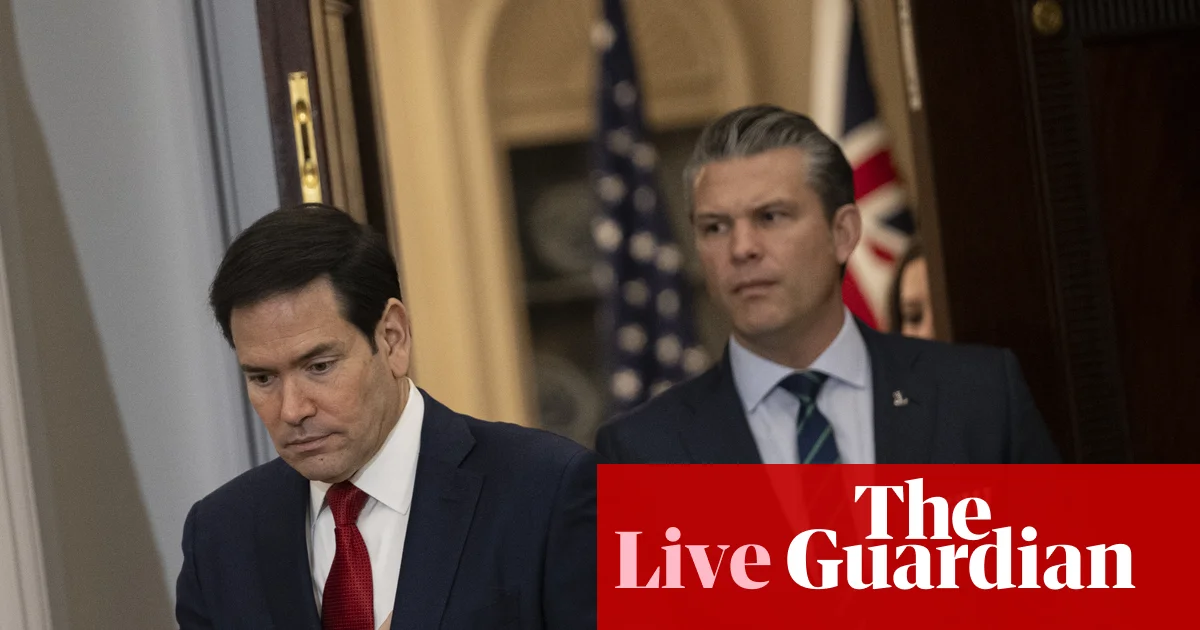
In an era defined by relentless competition and shifting alliances, the United States emerges anew as a formidable yet controversial actor on the world stage. Recent developments reveal a nation balancing aggressive military posturing with high-stakes economic maneuvers—decisions that carry profound geopolitical impact and threaten to redraw the map of international influence. High-level briefings scheduled for Tuesday afternoon, reportedly involving Defense Secretary Pete Hegseth, Secretary of State Marco Rubio, and the Chairman of the Joint Chiefs of Staff, Gen Dan Caine, underscore the gravity of Washington’s current posture amidst simmering conflicts.

Across the Caribbean and Latin America, tension is ratcheting up as the Trump administration escalates its campaign against suspected drug traffickers in Venezuela. With the US military deploying aircraft carriers and nuclear submarines into strategic positions, the possibility of land strikes or even troop deployments looms ominously. Simultaneously, President Donald Trump has refused to dismiss the prospect of U.S. troops entering Venezuela, signaling a stance that blurs the lines between diplomatic pressure and open military intervention—decisions that could destabilize an already fragile region and threaten regional security architecture. Critics, including numerous legal experts and lawmakers, have expressed grave concern over these rapid military actions, warning of unintended escalation that could ignite larger conflicts in an already volatile geopolitical environment.

Military Escalation Meets Economic Reckoning

  • Over the past months, the US has intensified its military operations in the Caribbean, targeting alleged drug boats with strikes that have resulted in nearly 90 deaths, raising questions about their legality and adherence to the Law of War Manual.
  • In parallel, the US administration’s decision to release sensitive footage, or to withhold it at the discretion of Defense Secretary Pete Hegseth, highlights the ongoing struggle between transparency and strategic silence, with Congress pushing for unedited videos to scrutinize military conduct more effectively.
  • Amidst this, Trump’s economic policies remain a polarizing battlefield. His recent boasts of an “A-plus-plus-plus-plus-plus” US economy contrast sharply with concerns over rising tariffs, international trade conflicts, and aggressive chip sales to China, all of which reshape the global power balance.

Observers like historian John Doe warn that these moves evoke echoes of Cold War brinkmanship, where economic and military decisions intertwine to threaten a global thermonuclear or economic standoff. Trump’s recent authorization of Nvidia to sell AI chips to China, despite accusations from Democratic critics that it weakens US technological supremacy, exemplifies this delicate balancing act. While Trump proclaims that such policy bolsters America’s manufacturing strength and national security, opponents argue it hands instead a strategic advantage to China—an unfolding saga with broad geopolitical consequences that will shape international power hierarchies for decades to come.

How Today’s Decisions Sound the Notes of History

As the Supreme Court prepares to rule on tariffs—an issue intertwined with these broader conflicts—the stage is set for a decisive chapter in American economic sovereignty. Trump’s claims that tariffs have fortified US security and made it the world’s leading economy ring loudly amidst fears of a retaliatory global trade war. Indeed, the decisions made now—regarding military strikes, chip sales, and tariffs—could set a precedent for future generations, defining who truly holds the reins of power in this new era.

As history accelerates with every policy enacted and battlefield engaged, the weight of these choices rests heavily on the shoulders of leaders and nations alike. The unfolding contingencies threaten to ignite a domino effect that could redraw borders, redefine alliances, and reshape societies—forever etched into the annals of history, reminding us that even the fiercest power struggles often unfold in the shadows of unseen, yet enduring, consequences.

German 'Hammer Gang' Trial Targets Communist Extremists Behind Violence
German ‘Hammer Gang’ Trial Targets Communist Extremists Behind Violence

Germany Faces Critical Point in Fight Against Extremism as Trial Unfolds

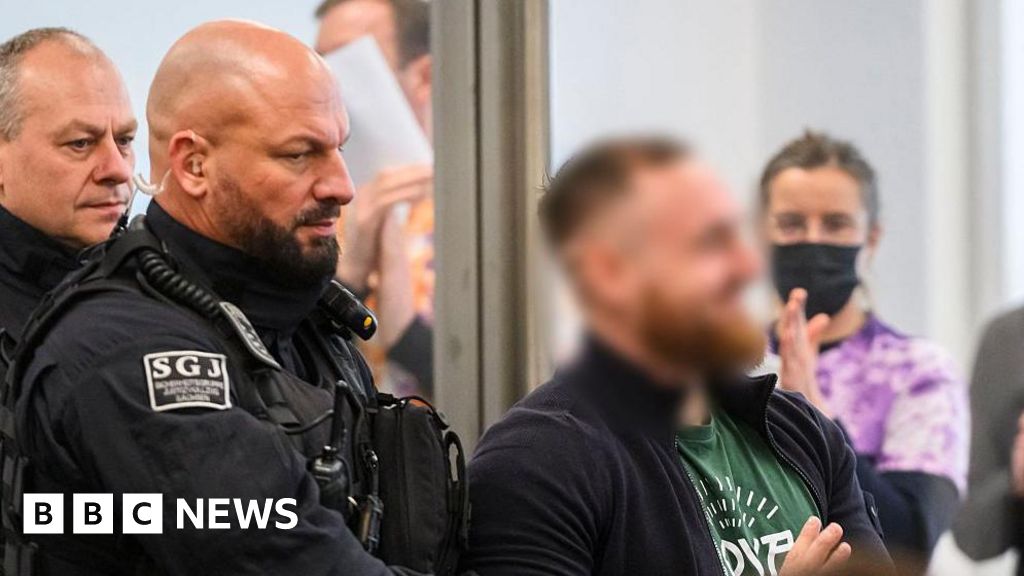
In a landmark case unfolding in Dresden, seven individuals are on trial accused of membership and support for Antifa Ost, a militant, far-left extremist organization labeled as a terrorist group by the United States. This trial not only exposes the brutal tactics employed by the suspects—including attempted murder, severe assaults, and property damage—but also signals a shifting tide in Europe’s ongoing struggle against violent political extremism. As this case garners international attention, it underscores the geopolitical impact of domestic radical groups and how their violence influences broader security policies across borders.

Extremism’s Cross-Border Reach and Political Ramifications

  • Antifa Ost, founded in late 2017 or early 2018, allegedly orchestrated attacks targeting those perceived as part of right-wing circles in Germany and Budapest. Prosecutors allege meticulous planning, including spying on targets and launching violent assaults with hammers and batons, causing severe injuries.
  • The US government’s decision to designate Antifa Ost as a terrorist organization earlier this month marks a significant escalation in its crackdown on extreme-left affiliated groups, aligning with a broader geopolitical trend. Some analysts see this move as a response to mounting concerns over violent extremism destabilizing democratic societies.
  • Moreover, the AfD, Germany’s far-right party, publicly welcomed the US designation, arguing that Antifa and similar groups pose a threat to national security. Stephan Brandner explicitly called on the German government to follow suit, warning that without decisive action, radical left-wing violence could undermine societal cohesion.

How These Decisions Reshape European Security Policies

International organizations, including Interpol and EU security agencies, have closely monitored organizations like Antifa Ost amid fears of escalating violence. The trial in Dresden and the U.S. classification reflect a turning point in how nations treat domestic terrorism—particularly ideologically driven violence—by blurring the lines between political activism and criminality. Historians and security analysts warn that such shifts could lead to increased government overreach, yet they acknowledge that leaving these groups unchallenged risks societal upheaval.

The global community observes that this case presents a broader lesson about the importance of strength and vigilance in the face of extremist ideologies. As each nation grapples with its own radical factions, the world watches to see if Germany and allies will adopt a more proactive stance in banning and dismantling these dangerous groups. The trial is not merely about justice for those victims but a mirror held up to Europe’s collective responsibility to preserve order and safeguard constitutional values amid a rising tide of violence.

Fate of a Continent at a Crossroads

As the trial continues, the atmosphere grows tense with unspecified warnings of potential retaliation or escalation. Germany, with its history deeply rooted in conflict and resilience, now faces tensions that threaten to ignite again if radical groups gain ground. The shadow of historic conflicts looms, urging a cautious but firm stance. Political leaders, security forces, and international partners must decide—will they confront this burgeoning wave of extremism with conviction or risk losing the fragile fabric of societal harmony? The unfolding narrative remains a stark reminder that history is rarely linear, and the future of Europe’s safety hinges on the decisions made today.

Starmer’s Grooming Gang Probe Sparks Chaos as Two Survivors Drop Out

The ongoing crisis surrounding Keir Starmer’s national grooming gang inquiry underscores a broader societal failure to prioritize justice for victims and to confront deeply rooted social and institutional issues. Recent revelations, including resignations from key oversight panel members such as Ellie-Ann Reynolds and Fiona Goddard, reveal a disturbing pattern of political interference and disrespect toward survivors’ voices. These developments threaten to stall an inquiry that is essential not only for uncovering truths but also for safeguarding families and communities that are victims of these heinous crimes.

In an era where social trust is fragile, and the integrity of justice institutions is often called into question, the controversy surrounding this inquiry exposes a climate of cynicism and bureaucratic opacity. Survivor advocates warn of a watering down of investigations, fearing that political interests, exemplified by local figures such as West Yorkshire’s mayor Tracy Brabin, are pushing for an expanded scope that might dilute focus and delay justice. Sociology experts argue that this approach, reminiscent of the long and painful path of the IICSA inquiry, risks once again turning a blind eye to specific victims and local realities. Consequently, communities face a heightened sense of betrayal, especially for families bearing the scars of complex social failures.

Demographic and cultural shifts continue to shape the social fabric, fueling tensions and highlighting the need for precise, community-focused investigations. Researchers such as sociologist David Brooks emphasize that while expanding the scope might appear to address larger regional issues, it also endangers targeted justice. Critics assert that efforts should be centered on proven victims and local authorities’ knowledge, rather than broad strokes that risk obscuring accountability. This debate, however, is not merely a matter of logistics but touches moral depths: how society ensures respect for victims’ dignity and accountability for systemic failures.

Embedded within these narratives are profound questions about social trust and the role of public institutions. Leaders like Gamble and Hudson face mounting scrutiny over their potential conflicts of interest, with fears that service providers may have previously concealed criminal acts or abused their authority. As social commentators remind us, history demonstrates that trust in social institutions—schools, police, social services—is vital for building resilient communities. When that trust erodes, so too does the fabric that holds societies together, leaving families isolated and vulnerable to the forces of corruption and misinformation.

  • Survivors demand genuine justice that zeroes in on localities and proven cases
  • Concerns over political interference threaten the integrity of investigations
  • Expanding inquiry scope risks delaying resolution and diluting accountability
  • Corruption and systemic failings continue to undermine public trust

Ultimately, this turbulent episode reflects a society at a crossroads—a community grappling with its past and uncertain future. The resilience of families, the integrity of our social institutions, and the recognition of victims’ rights all hinge on our collective resolve to confront uncomfortable truths. Moving forward, there lies an opportunity to forge more transparent, community-centered approaches that restore faith and foster genuine healing. Society’s greatest hope resides in its capacity to learn from its failures, to rebuild with honesty, and to ensure that every child’s voice is heard and protected. As history teaches, only through unwavering commitment to justice and accountability can society truly evolve beyond its wounds, transforming pain into a catalyst for lasting change.

Venezuelan Gang Leader Busted in Colombia: Justice Wins Again

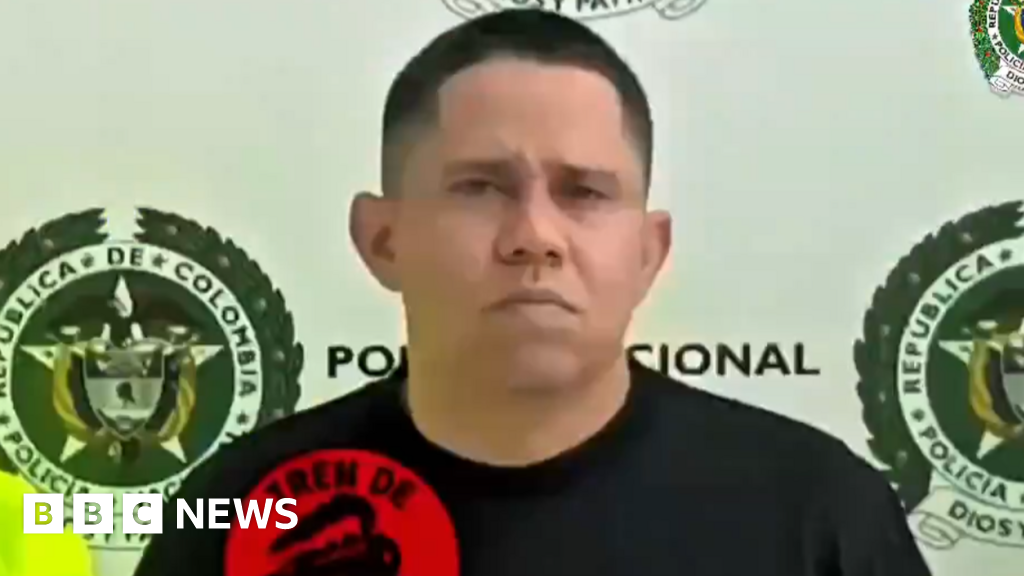
In an unprecedented joint operation, Colombia, the United States, and the United Kingdom have successfully apprehended José Antonio Márquez Morales, alias Caracas, the alleged leader of the armed wing of Venezuela’s notorious criminal organization, Tren de Aragua. This coordinated effort marks a significant escalation in the fight against transnational organized crime in Latin America, particularly in the context of the escalating U.S.-Venezuela conflict. The arrest, which took place in Valledupar, underscores the international community’s increasing willingness to collaborate across borders in handling threats that threaten regional stability and safety.

The significance of this operation extends well beyond the capture itself. According to Colombia’s National Police, Márquez Morales was a critical figure responsible for managing logistics, finances, and operational coordination—covering drug trafficking, extortion, and smuggling. The arrest was facilitated through an Interpol Red Notice, a powerful tool aimed at ensuring the continued pressure on high-profile crime figures worldwide. As noted by international law enforcement officials, this operation not only disrupts the capabilities of Tren de Aragua but also sends a clear message about the increased cooperation and resolve among governments confronting these dangerous organizations.

Meanwhile, the arrest arrives amidst heightened tensions between the United States and Venezuela, centered on the U.S. government’s aggressive anti-drug trafficking policies in Latin America. Under the Trump administration, the U.S. deployed warships into the Caribbean, and last month, authorized military actions against vessels suspected of drug smuggling originating from Venezuela. President Trump’s rhetoric has often accused Venezuelan President Nicolás Maduro of colluding with drug cartels, offering a $50 million bounty for information leading to his capture—an unprecedented move that intensifies the geopolitical standoff.

Analysts from organizations like the Council on Foreign Relations warn that these tensions threaten to compound regional instability. The narrative forwarded by U.S. officials labels Maduro as a key player in the drug trade, an assertion vehemently denied by Caracas, which has condemned Washington’s accusations as politically motivated. The broader geopolitical impact is profound: Latin America finds itself at a crossroads where criminal networks and state actors intertwine, destabilizing entire nations and society. Historically, such conflicts highlight how external interventions can sometimes exacerbate regional peril, emphasizing the urgency of diplomatic rather than military solutions.

As the shadows of this ongoing struggle lengthen, the arrest of Márquez Morales represents a pivotal but fragile victory in a saga defined by intertwined themes of crime, sovereignty, and international power plays. With Venezuela and the region’s stability hanging in the balance, the world watches as history writes the next chapter—one where choices made today will echo through future generations, shaping the geopolitical landscape of Latin America and beyond. The question remains: will this be a turning point towards genuine change, or another fleeting moment in a relentless battle for control? The sands of history are still shifting, and the stakes could not be higher.

From Gang Member to Change-Maker: Elijah Finds Safety Beyond the Knife

Melbourne’s Youth Violence Crisis: Communities at a Crossroads

Recently, Melbourne has been witnessing a disturbing rise in youth offending and gang-related violence, bringing to light deeper societal issues that threaten the fabric of family, education, and community wellbeing. The tragic stabbing deaths of 15-year-old Dau Akueng and 12-year-old Chol Achiek in Melbourne’s west serve as a stark reminder of how social neglect and rising gang violence can devastate innocent lives. These murders have spurred a fierce debate among social actors, law enforcement, and families about the roots of youth violence and possible pathways toward prevention and social intervention.

At the core of this crisis is a transformation in the nature of youth crime. Sociologists like Dr. Lorraine Sheridan note that modern offending often involves younger children engaging in activities that include carjacking, aggravated burglaries, and weapon carrying—behaviors arising from feelings of displacement and exposure to violence from an early age. Police data underscore this concern; last year, 1,128 children out of 5,400 repeat offenders responsible for nearly 40% of Victoria’s crime were youth, with their offenders arrested over 7,000 times. Such figures highlight how social marginalization and family displacement are fueling a vicious cycle of violence that fractures families and destabilizes communities.

Community and Educational Initiatives as Pillars of Hope

Despite these grim realities, some efforts have begun to show promise. Programs focusing on early intervention and providing alternative educational pathways are proving crucial in redirecting at-risk youth. Elijah, a 17-year-old who credits enrolling in alternative education with steering him away from a life of violence, exemplifies this positive shift. “If it wasn’t for the school, I would probably be locked up or dead,” he admits. His experience underscores a vital truth identified by social commentators like sociologist Dr. James Garbarino: that respectful engagement and supportive environments in schools foster resilience among vulnerable children.

Similarly, Youth Support and Advocacy Services focus on preventing crime before it occurs by working directly with children as young as 12. Officials like Navin Dhillon highlight that many young offenders are diagnosed with mental health issues or come from environments rife with violence and neglect. Addressing these underlying issues, rather than solely relying on punitive measures, is vital for societal healing. As Victoria’s children’s commissioner, Meena Singh, emphasizes, “we must get the basics right”—ensuring young people have safety, health support, and educational opportunities to build a constructive future.

Social Tensions, Cultural Shifts, and the Path Forward

Underlying social tensions are being compounded by cultural shifts and demographic changes. Many youths, especially those from marginalized communities, report feeling *hated* or targeted, which prompts them to carry weapons as a perceived safety measure. This normalization of weapon-carrying, especially in the context of machete bans, highlights a community grasping for control amid chaos. Frontline crime prevention workers increasingly hear that youth violence is often rooted in fear—fear that manifests through online conflicts, gender disputes, and even disputes over reputation or fame within gang circles.

  • Many young people attribute their involvement in violence to a “need for status” or protecting themselves from perceived threats.
  • Violence often begins with petty disputes, which escalate due to online conflicts and perceived disrespect.
  • Gaps in mental health services and the lack of community infrastructure further perpetuate cycles of aggression.

Expert analysts like former detective Pat Boyle echo the need for a holistic approach—one that includes social services, mental health support, and family engagement—drawing lessons from international examples such as Scotland’s foster home oversight to identify and mitigate risk factors contributing to youth reoffending. Recognizing that *many young offenders are victims*, policymakers are urged to shift from punitive to rehabilitative practices that recognize the complex social tapestry shaping these young lives.

Conclusion: Society’s Crossroads and the Promise of Transformation

As society stands at this challenging crossroads, the hope of real transformation lies in listening—really listening—to the voices of young people like Elijah and Kenji, understanding their fears, and addressing the roots of violence in their communities. Children caught in cycles of neglect, violence, and mistaken identity are not lost cause; they are society’s unspoken plea for aid in making sense of a fractured world.

Society’s task is monumental but clear: to forge a future where families are safe, education empowers rather than alienates, and communities become refuges of hope for every child. If yet, society dares to see beyond the veneer of violence and recognizes its own role in nurturing resilience and accountability, then even amid the shadows, a brighter dawn is possible. Humanity’s greatest challenge remains: can we turn the tide of despair into currents of hope, transforming pain into promise for a generation yearning for change?

Social Media Auto Publish Powered By : XYZScripts.com