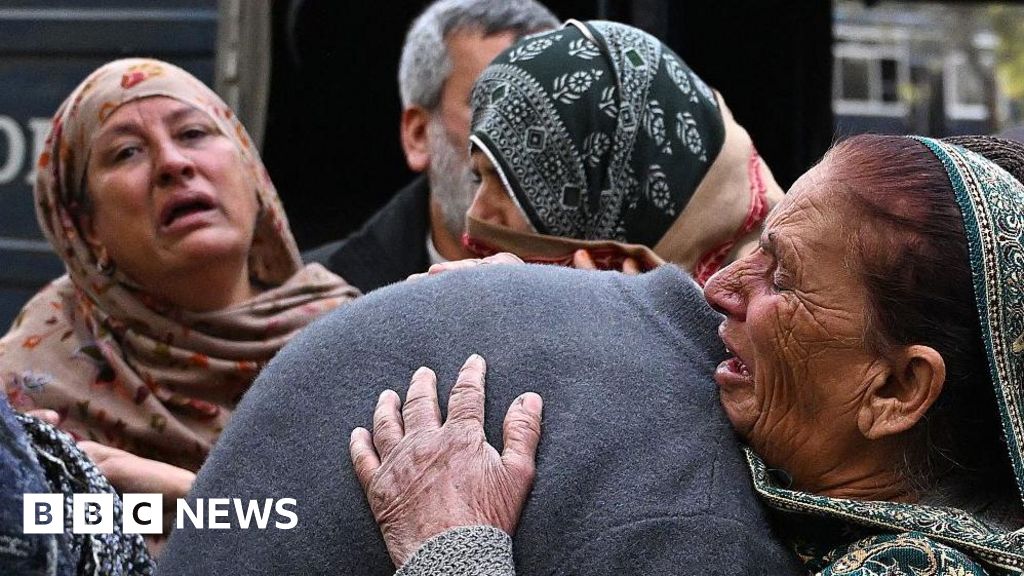

In a tragic and shocking event that has sent shockwaves through the international community, nearly 170 individuals were injured in an explosion that occurred during Friday prayers in Islamabad. The attack, which struck the core of Pakistan’s capital, has ignited fears of increasing instability in the region, with wide-reaching implications for regional security and global diplomacy. As investigators scramble to determine the origins and motives behind this deadly assault, global leaders and institutions are weighing their responses amidst a backdrop of mounting tensions.
Analysts suggest that this act of violence is not merely a tragic incident but a stark manifestation of the deep-seated conflicts and geopolitical struggles in South Asia. Many experts, including officials from the United Nations and regional security think tanks, view this attack as potentially linked to ongoing insurgencies, extremist factions, or even covert international interventions. The repercussions are profound: a destabilized Pakistan risks further fraying the fragile balance of power in a region already fraught with nuclear-armed neighbors and rivalries. This event underscores the fragility of peace in a geopolitically pivotal country caught between the interests of larger powers like China and India.
- Pakistan, amid internal political turmoil and economic struggles, faces heightened security challenges that threaten its sovereignty and stability.
- The attack occurs at a time of rising regional tensions over border disputes, trade alliances, and influence pacts, which could be further exacerbated by this violence.
- International bodies, including Carnegie Endowment for International Peace and Security Council, have called for restraint and increased intelligence cooperation, emphasizing the need to address underlying grievances.
Historical perspectives from leading scholars such as Professor Ayesha Siddiqa and Dr. Peter R. Neumann warn that such attacks could be precursors to broader escalation unless urgent de-escalation and dialogue are prioritized. This event may serve as the latest chapter in a series of incidents that threaten to ignite wider conflicts in the region if not contained. For Pakistan, the consequences are dire: increased *internal security measures*, public fear, and strained diplomatic ties with neighboring states. The attack also raises grave questions about the efficacy of existing counterterrorism efforts and intelligence-sharing frameworks, which many analysts argue are insufficient to prevent such tragedies from recurring.
As the world watches with tense anticipation, the question remains: will this tragedy galvanize international efforts for peace or escalate into a broader conflict? The weight of history presses heavily on leaders’ shoulders. The unfolding aftermath of the Islamabad explosion will determine whether this is a fleeting horror or the harbinger of a new, more dangerous chapter in regional geopolitics. With each failed attempt at peace, the danger grows—an uncertain future still shaped by decisions made in the corridors of power, where the echoes of yesterday’s violence may either forge pathways to reconciliation or plunge the world deeper into chaos.