Matox News

Truth Over Trends, always!

Bill Gates’ nuclear firm scores green light for breakthrough next-gen reactor

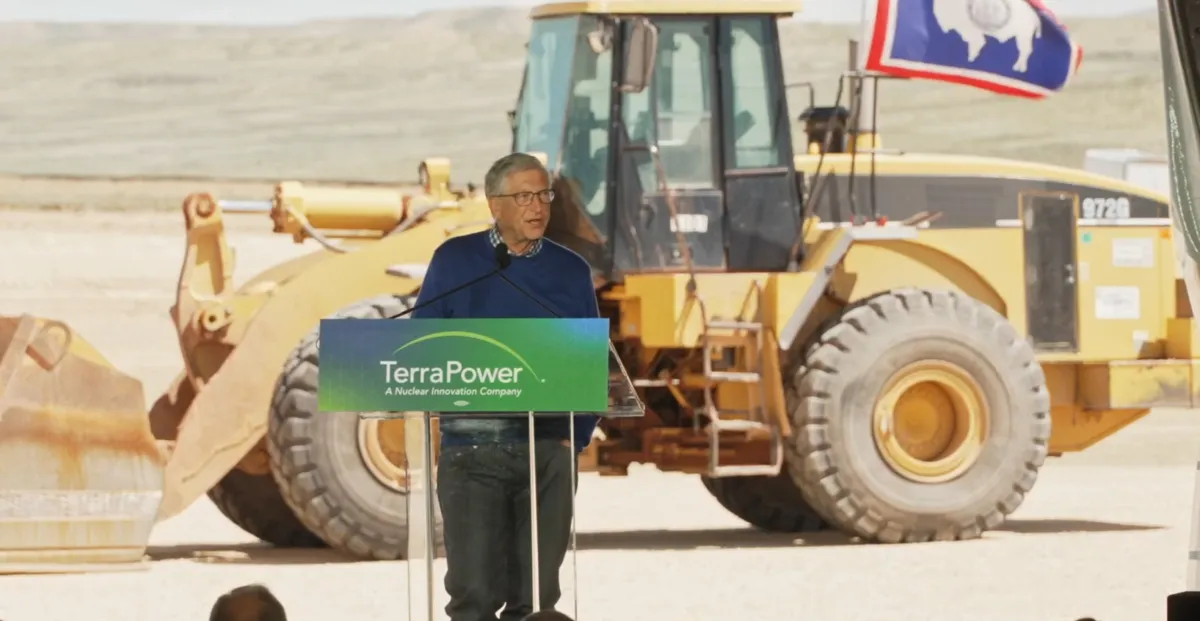
In a landmark development that underscores the ongoing shift towards clean, reliable, and innovative energy solutions, TerraPower, the nuclear energy startup founded by tech titan Bill Gates, has received federal approval from the Nuclear Regulatory Commission (NRC) to construct a groundbreaking next-generation reactor in Wyoming. This milestone marks the first time in U.S. history that a commercial-scale, advanced nuclear power plant has secured such a permit, signaling a significant disruption in the national energy landscape. The project is slated for completion by 2030 and redefines the trajectory of nuclear technology, emphasizing safety, efficiency, and sustainability.

The Wyoming plant is positioned at the forefront of disruptive innovation in nuclear engineering. Unlike traditional reactors, TerraPower’s design emphasizes a smaller, more modular approach that aligns with the evolving demands of modern electrical grids under the pressure of burgeoning AI data centers and digital infrastructure. According to industry analysts at Gartner and MIT’s Nuclear Innovation Initiative, this development could catalyze a new wave of nuclear deployment, significantly reducing reliance on fossil fuels and untangling the energy crisis intensified by climate change. With construction expected to conclude within five years, this plant symbolizes a pivotal shift where safe, sustainable nuclear power becomes a core component of national energy strategies.

  • Advanced reactor designs that prioritize safety and waste management efficiency
  • Smaller, faster-to-deploy modules suitable for diverse grid demands
  • Potential to revolutionize clean energy deployment amidst climate and geopolitical pressures

Bill Gates recently articulated the broader implications of this innovation in a 2024 interview with The Verge, emphasizing how nuclear energy’s evolving designs can play a crucial role in combating climate change. “We’re exploring reactors that not only minimize safety concerns but also optimize fuel use and waste handling,” Gates explained, highlighting the importance of disruptive technology in crafting resilient energy systems. This strategic push aligns with market trends that see nuclear power as an indispensable part of the transition away from carbon-heavy sources and toward a more sustainable future. Industry leaders and policymakers globally are watching closely, recognizing that the success of TerraPower’s Wyoming project could establish a new blueprint for business innovation in nuclear energy, opening doors for investors and entrepreneurs eager to capitalize on the clean energy revolution.

Looking ahead, the implications of this development extend far beyond Wyoming’s borders. As governments and private sector players enhance investment in nuclear innovation, the global energy market stands on the brink of a paradigm shift. The race is on to develop smaller, safer, and more adaptable reactors that can integrate seamlessly into complex energy ecosystems, responding swiftly to the demands of AI-driven economies and decentralized grids. The coming decade will undoubtedly be transformative, with the potential to disrupt traditional energy giants and establish new industry titans dedicated to sustainable and disruptive nuclear breakthroughs. The urgency to innovate has never been greater, and TerraPower’s Wyoming project exemplifies the aggressive pursuit of technological advancement essential for shaping a resilient, clean energy future.
Wellingborough teacher loses license after reckless drinking and driving incident at school gates

Community Trust and the Fragility of Education Governance

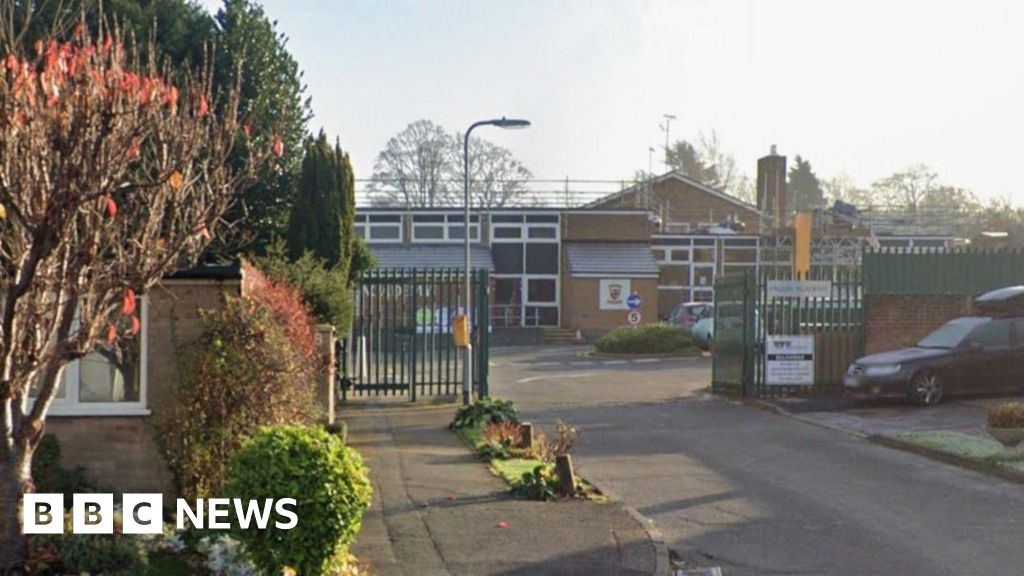
Recent incidents at schools across communities reveal unsettling breaches of trust that threaten the integrity of our education system. Particularly, the case of Michelle Stant, a former teacher at Friars Academy, underscores how social issues such as substance abuse and misconduct can have devastating repercussions, not only for the individual involved but also for the families and students who rely on a safe, disciplined learning environment. The misconduct panel’s decision to impose an indefinite ban on Ms. Stant’s teaching license highlights the grave consequences that failure of moral judgment can inflict upon the fabric of our schools.

The ripple effects on families and the broader society

Recognized social theorists like Charles Murray have long emphasized the importance of stable social institutions—particularly families and schools—in shaping responsible citizens. When educators, entrusted with nurturing future generations, fall into misconduct, the societal fabric frays. The case of Ms. Stant, who acknowledged drinking on the job and even drove her vehicle into school property, illuminates how individual moral lapses can undermine the trust necessary for effective community functioning. Families are directly affected as their children’s safety becomes compromised, and the ripple effect can lead to increased societal disillusionment and a decline in communal cohesion.

Challenges and pathways toward accountability and renewal

  • Strengthening teacher support systems to detect burnout and mental health issues before misconduct occurs.
  • Implementing robust oversight procedures, including random alcohol testing and reflective assessments.
  • Fostering a culture of accountability within school institutions, supported by community engagement.
  • Encouraging moral and ethical training that emphasizes values-based education as a core element of professional development.

Academic voices like Dr. Christopher Lasch warn that societal decline often begins with the erosion of moral standards within key institutions. As the education sector faces these crises, the question remains: How can schools rebuild trust when trust has been eroded? The answer lies in comprehensive reforms that prioritize ethical integrity, community involvement, and transparent accountability. While social tensions persist, history teaches that such crises also offer opportunities for renewal and societal growth. Educators and communities must stay vigilant, embracing the challenge of restoring dignity to our schools, so that the next generation can learn not only from textbooks but also from the moral courage of their teachers.

A society’s hope lies beyond the horizon

As society navigates this complex landscape of moral lapses and social tensions, it is imperative to remember that the societal fabric is woven from the threads of individual virtue and collective responsibility. Addressing the challenges revealed by incidents such as Ms. Stant’s requires more than punitive measures; it demands a renewed grasp of shared values, moral renewal, and societal commitment to building resilient communities. Only then can we hope that our institutions—especially those tasked with shaping the minds and morals of future generations—will once again serve as bastions of integrity and hope.

Social Media Auto Publish Powered By : XYZScripts.com



