Matox News

Truth Over Trends, always!

G20 allies to gather as Zelenskyy warns of ‘impossible choice’ over Trump’s peace plan

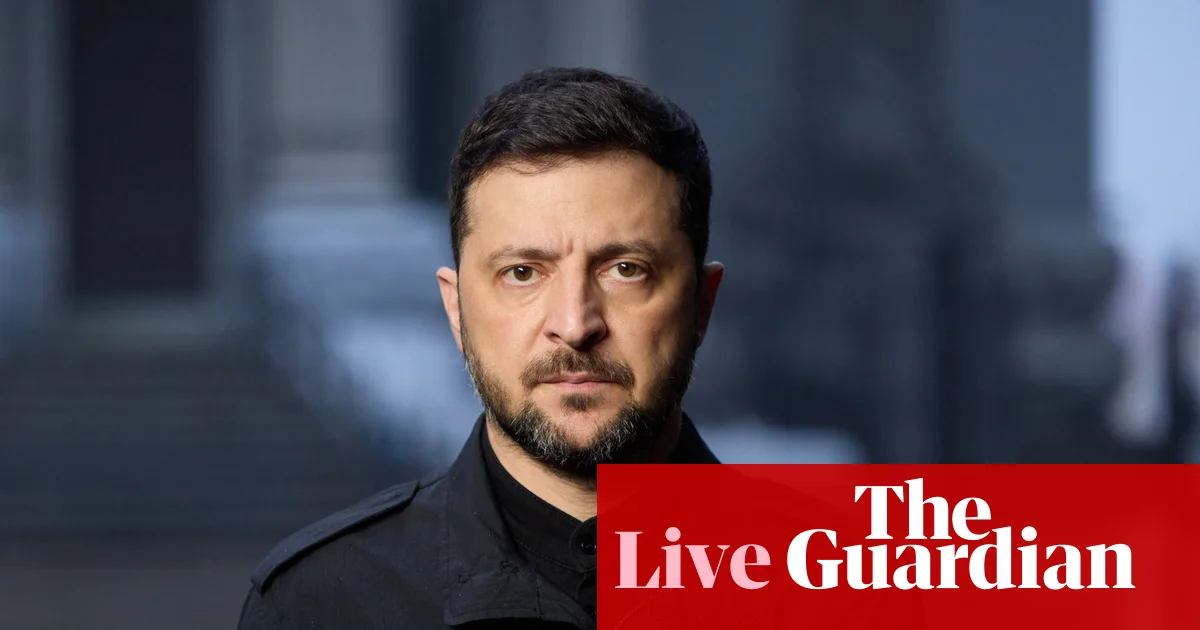
As Ukraine teeters on the brink of yet another pivotal moment in its ongoing conflict, the international community faces a convergence of strategic interests and increasing internal tensions. The upcoming G20 summit in Johannesburg has become a focal point for Western leaders, notably UK Prime Minister Keir Starmer, who is set to rally Ukraine’s allies to bolster a US-drafted peace plan aimed at ending the war with Russia. This diplomatic effort underscores the intense pressure Western powers are exerting to find a resolution — a resolution that many critics argue could betray Ukraine’s sovereignty and red lines.

What makes this situation even more dramatic is the conflicting narratives coming from Kyiv and Moscow. Volodymyr Zelenskyy has explicitly warned that accepting the US-Russian proposal could strip Ukraine of its territorial integrity and national dignity. Zelenskyy described the moment as one of the most difficult in Ukraine’s history, expressing fears that an imposed peace could leave the nation “without freedom, dignity, and justice.” Meanwhile, Vladimir Putin dismisses Ukrainian resistance as unrealistic, publicly declaring that Kyiv and its European allies cling to illusions, dreaming of inflicting a strategic defeat on Russia — a stance that echoes the Kremlin’s broader narrative of standing firm against what it frames as Western aggression. Putin‘s rhetoric not only reinforces Russia’s stance but also aims to sway international opinion to view the proposed deal as a capitulation, casting doubt on its feasibility.

The geopolitical impact of these developments is profound. The West’s unwavering support for Ukraine and the push for a “genuine and fair” peace, as reiterated by France’s President Emmanuel Macron and Germany’s Chancellor Friedrich Merz, brings into focus the broader contest for influence and the future stability of Europe. Analysts suggest that how this conflict advances or concludes will shape the geopolitical landscape for decades to come. Tensions are mounting as discussions pivot toward whether international diplomacy will succeed in staving off a larger, more destructive conflict or instead enable a further erosion of Ukrainian sovereignty under the guise of peace.

Adding to this tension are emerging reports of provocative actions, such as a Ukrainian drone attack on Russian energy facilities in the Samara region, which has resulted in casualties and a heightened state of alert in Moscow. This act of defiance indicates that, despite diplomatic efforts, the conflict remains volatile. Meanwhile, US officials are increasingly concerned about clandestine meetings in Miami, where members of the Trump administration reportedly met with Kirill Dmitriev, a Russian envoy under US sanctions. Such revelations threaten to complicate diplomatic processes — raising the worry that hidden agendas and back-channel negotiations might undermine official efforts toward peace, or worse, escalate hostilities.

As the world watches the shifting sands of diplomacy and conflict, one thing remains undeniable: history is writing itself in real time, and nations now face a dilemma of unprecedented magnitude. Will they forge a peace rooted in respect and fairness, or succumb to the temptations of strategic capitulation that could redefine sovereignty and alter the course of history? The unfolding drama at the G20 summit promises to be remembered as the moment when global courage, or cowardice, decided Ukraine’s fate — but in the shadows, the true hand of geopolitics continues to shape the coming storms, leaving the future suspended in a volatile balance of power and principle.

Kenyan Airport Closes as Youths Gather in Massive Welcome for Ex-PM's Body
Kenyan Airport Closes as Youths Gather in Massive Welcome for Ex-PM’s Body

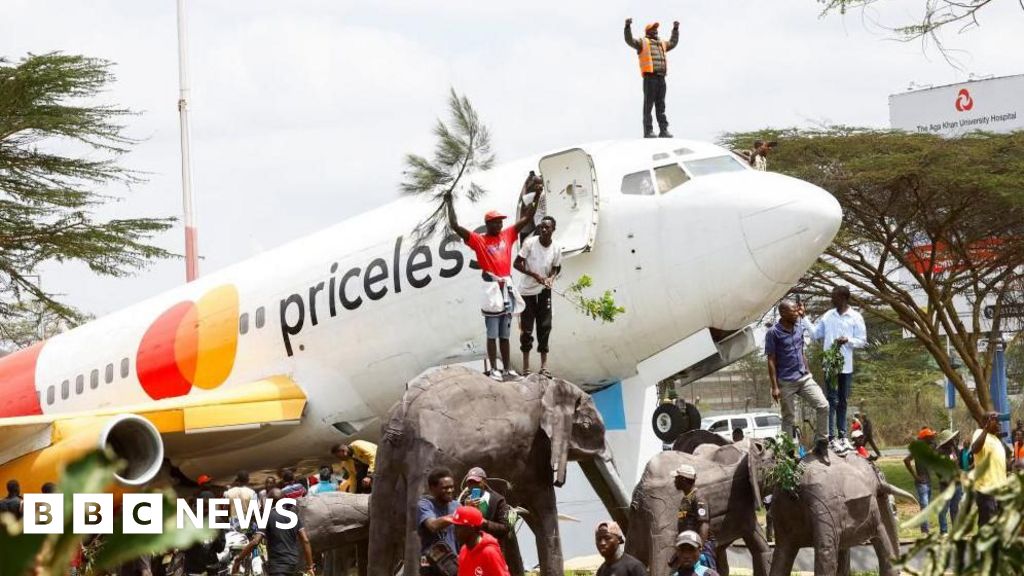
In a dramatic turn that has gripped Kenya and reverberated across the African continent, the nation is currently grappling with the loss of Raila Odinga, a towering figure in Kenyan politics. His death in India at age 80, following a cardiac arrest, marks not just the end of a political era but signals an imminent shift in the nation’s political landscape. Thousands of Kenyans gathered in mourning, breaching security at Jomo Kenyatta International Airport to receive his body—a clear indication of the deep emotional and political connection Odinga commanded. Authorities had to suspend operations at the airport amidst the chaos, illustrating how his influence transcended politics, resonating with the very fabric of Kenyan society.

This unprecedented turnout underscores Odinga’s role as a unifying yet contentious figure whose politics mirror the nation’s complex identity struggles. Recognized internationally, Kenyan officials and world leaders have poured out condolences, with Indian Prime Minister Narendra Modi hailing Odinga as a “towering statesman” and “a cherished friend of India.” Such sentiments highlight his diplomatic significance and the enduring bonds between Kenya and many nations, especially in a global environment increasingly marked by geopolitical competition and shifting alliances. Back in Kenya, President William Ruto—who now inherits Odinga’s political mantle—praised him as a “beacon of courage” and the “father of our democracy.” A seven-day mourning period and a state funeral with full military honors further cement Odinga’s legacy, setting the stage for his influence to continue shaping national policies and societal outlooks.

The circumstances surrounding Odinga’s death expose the delicate internal dynamic within Kenya. Despite his repeated presidential campaigns—losing five times—his persistent opposition work made him an icon of resilience, inspiring millions and challenging entrenched political structures. The decision to move his public viewing from Parliament to Nairobi’s Moi International Sports Centre responds to the extraordinary national outpouring, indicating his widespread impact. International analysts suggest that such a response reflects Kenya’s own internal tensions—balancing tradition with the revolutionary fervor of its youthful population—while demonstrating the power of a leader who, despite setbacks, remained a symbol of hope and resistance.

As global institutions monitor this moment, the geopolitics of Africa faces a major crossroads. Odinga’s death comes at a time when Russia and China are increasingly vying for influence across the continent, while the United States seeks to sustain its strategic partnerships. His political journey embodied the struggle of balancing domestic democratic aspirations with external geopolitical pressures, a challenge faced by many emerging nations in the 21st century. What Kenyan society chooses next could serve as a bellwether for regional stability and the future of democratic governance across Africa. As history’s pages turn, the weight of Odinga’s legacy presses heavily upon the nation. His life—marked by resilience, opposition, and unyielding dedication—becomes a chapter in the unfolding narrative of a continent on the cusp of transformation. The question now is whether Kenya will forge a new path inspired by his ideals or succumb to the turbulence that has long defined its political landscape, leaving the world to wonder: who will shape the next chapter of this historic story?

Social Media Auto Publish Powered By : XYZScripts.com


