
In a development that grips the world’s attention in an era rife with conflict and shifting alliances, Israel and Hamas have entered a fragile ceasefire agreement that marks a significant yet uncertain pause in the ongoing tumult in Gaza. The agreement, which came into effect on Friday morning, signals a potential turning point in one of the most protracted and devastating conflicts in recent Middle Eastern history. According to statements from the IDF, Israeli forces have begun a *partial withdrawal* from parts of Gaza, retreating to a predefined “yellow line”—a stark recognition of both the military realities on the ground and the diplomatic pressures shaping this ceasefire. While some troops have moved back, a substantial presence remains, underscoring the tentative nature of this respite as both parties signal their readiness to shift towards negotiations amid ongoing violence.
At the heart of this diplomatic gamble lies a complex, multifaceted agreement negotiated under the auspices of U.S. President Donald Trump and international mediators. Under the terms, Hamas has a deadline of 12:00 local time on Monday to release all Israeli hostages—registering the critical human stakes involved. Reports indicate that at least 20 of these hostages are confirmed to be alive, with up to 28 remains held. Conversely, Israel has committed to releasing approximately 250 Palestinian prisoners, including those serving life sentences, with some slated for transfer to the West Bank and East Jerusalem. In another significant move, over 1,700 Palestinian detainees are expected to be liberated, signaling a major humanitarian gesture amid the chaos that has engulfed the territory. Aid agencies are meanwhile hopeful, with around 600 aid lorries scheduled to deliver necessities to Gaza daily; however, the actual impact on the ground remains murky as aid distribution continues to be hampered by ongoing hostilities and logistical hurdles, emphasizing the underlying hardship facing Gaza’s desperate population.
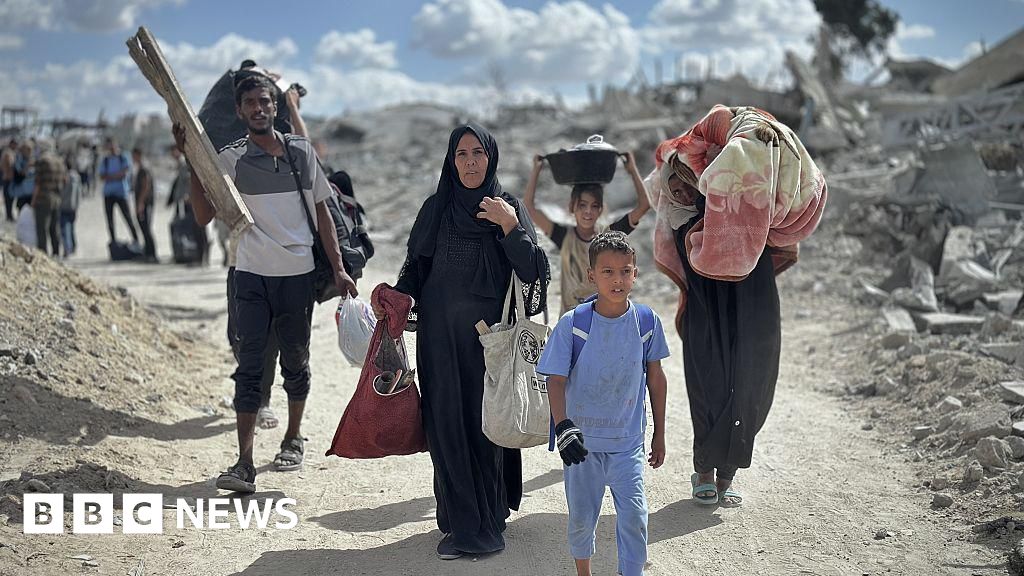
This flurry of diplomatic and military maneuvering comes at a devastating human cost, with reports from the UN-backed experts declaring a famine in parts of Gaza—the first such declaration in recent history. Over 500,000 residents face “catastrophic” conditions characterized by starvation and destitution, despite repeated denials from Israel about any deliberate starvation policies. The destruction left by months of relentless Israeli airstrikes is evident on the ground, where entire neighborhoods, including Sheikh Radwan and Sabra, lie flattened under layers of rubble. Thousands of Palestinians, many malnourished and exhausted, are walking long distances toward the north, seeking safety or reclaiming their homes amid the ruins. The scenes reveal a community on the brink—its societal fabric torn, its future uncertain—a stark reminder that beneath the veneer of diplomatic progress, the suffering persists, echoing the urgent warnings of international analysts and historians about the potential for this ceasefire to be just a brief pause rather than a resolution.
From the global arena, the geopolitics of Gaza’s evolving situation continues to evolve with profound implications. The presence of up to 200 US troops moving into Israel to monitor the ceasefire underscores the increasing military footprint of major powers in the region, balancing fragile diplomacy with strategic interests. Meanwhile, Israel’s Prime Minister Benjamin Netanyahu claims he is “fulfilling” a promise to recover all hostages, framing this agreement as a step toward disarmament and demilitarization of Hamas—ambitions that Hamas itself has rejected, insisting that Gaza’s governance remains an internal Palestinian matter. Critics and international observers alike warn that the current negotiations may merely serve as a veneer for deeper geopolitical struggles, where the shadow of the U.S. and regional powers looms large over the future of Palestinian sovereignty. The war, ignited in October 2023 after Hamas-led attacks that resulted in devastating casualties, has already claimed over 67,000 Palestinian lives—including more than 18,000 children—fueling accusations of genocide leveled against Israel by some UN officials and leading to fierce denunciations and outright denials from Jerusalem.
As history continues to unfold in this volatile landscape, the world watches with bated breath. Stories of despair are intertwined with fragile hopes for peace, but beneath it all lies an enduring truth: the long road to lasting stability is strewn with sacrifice, lost lives, and unanswered questions. With each setback and tentative breakthrough, the weight of history presses down, reminding all that in Gaza, as in much of the Middle East, the struggle for sovereignty, survival, and dignity remains an ongoing battle—one where the outcome remains uncertain and the stakes could not be higher.