Matox News

Truth Over Trends, always!

Gaza’s Rafah Border Reopens for Select Travel Amid Tensions — What You Need to Know

Amid mounting international scrutiny, European Union officials and former diplomats are raising alarms over the ongoing humanitarian and legal crises in Gaza and the broader West Bank. A coalition of more than 400 former European top diplomats has called for intensified pressure on Israel, condemning what they describe as “excesses and unremitting violations of international law.” This unprecedented appeal underscores the deepening global concern about the conflict, as the bloc considers suspending or revisiting its strategic relations with Israel, including the engagement under the EU-Israel association agreement. The signatories, many of whom previously held senior diplomatic positions, are urging the EU to adopt a firm stance by initiating a “time-limited dialogue” with Israeli authorities, potentially including the suspension of agreements if Israel fails to respond constructively.

This diplomatic push comes at a time when the United Nations and human rights organizations warn of a dire reality on the ground. More than 500 Palestinians, including approximately 100 children, have been killed during Israeli military operations since last year’s ceasefire, according to Gaza’s health ministry. Heavy restrictions on humanitarian aid and ongoing Israeli settlement projects, particularly in East Jerusalem and the West Bank, threaten the viability of a two-state solution. Notably, Israel’s moves towards annexation and settlement expansion have drawn international condemnation, further complicating the prospects of peace and stability in the region. Critics argue that such policies not only violate international law but also bolster radical factions, which perpetuate cycles of violence and instability across the Middle East, with the global geopolitical landscape sharply affected as a result.

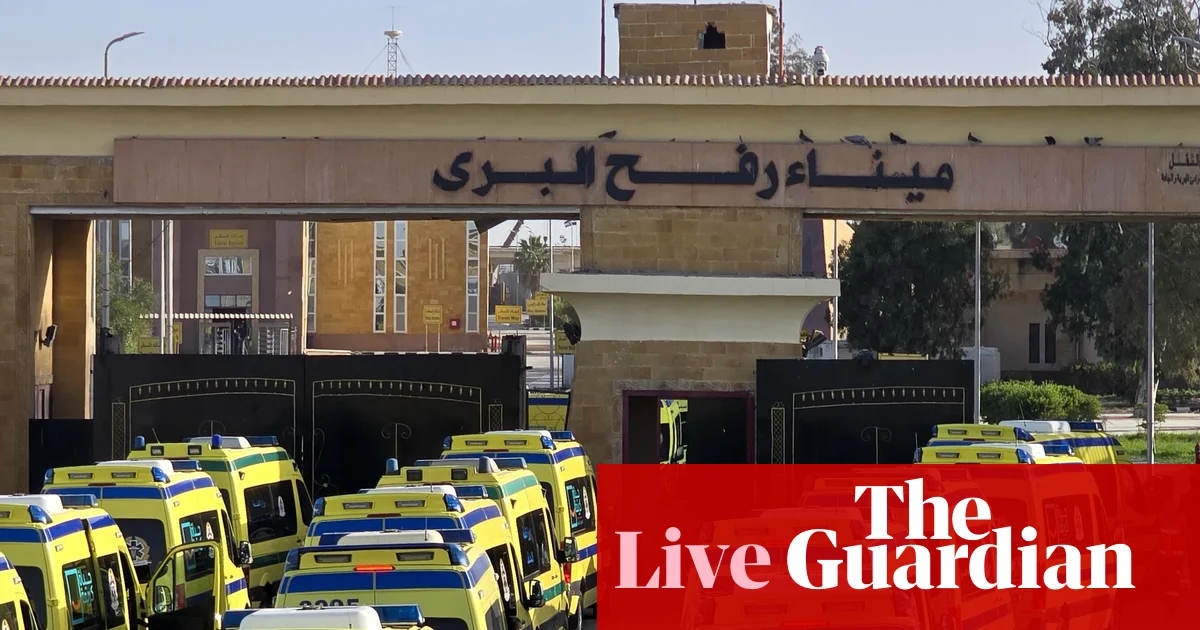
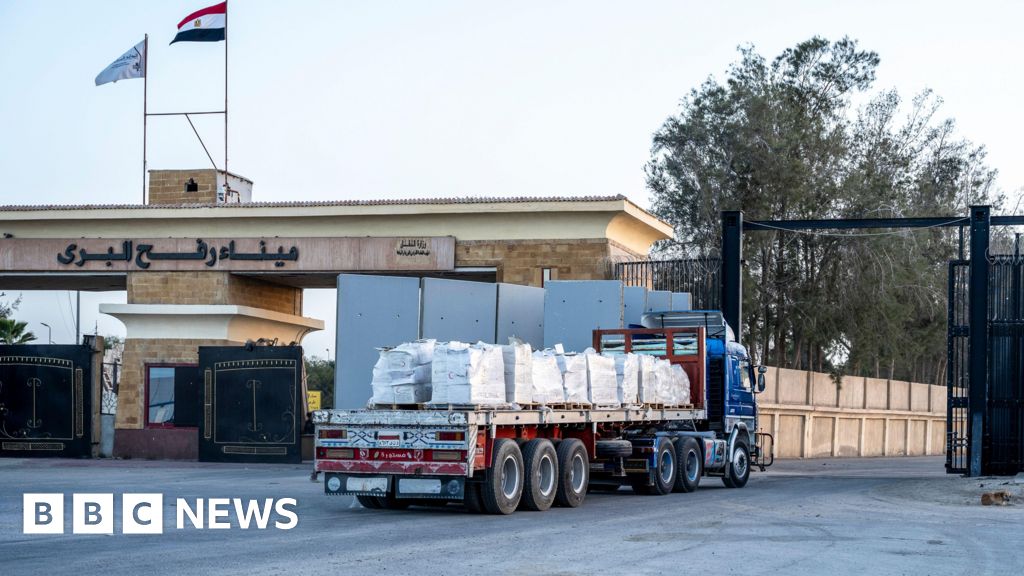
The recent reopening of the Rafah border crossing between Gaza and Egypt, after months of closure, symbolically marks a new but fragile chapter in the ongoing crisis. The limited movement of Palestinian civilians—just fifty people daily—mainly those in need of medical treatment, reflects the complex security calculus driven by Israeli and Egyptian authorities. Israeli officials stipulate that ongoing security checks will regulate crossing, and the process involves multi-layered screening. The Gaza health ministry reports approximately 20,000 patients, many of them wounded or ill, waiting to evacuate, emphasizing the persistent humanitarian catastrophe. This partial reopening, aligned with the US-led ceasefire efforts, comes amidst the deadliest Israeli airstrikes in months, which have resulted in the deaths of at least 30 Palestinians, including civilians sheltering in tent cities, highlighting the precariousness of peace prospects and the ongoing toll of conflict.

International organizations and analysts highlight how these strategic decisions and geopolitical maneuvers ripple through societies and influence global stability. The World Health Organization warns of worsening health conditions in Gaza, with rising cases of respiratory infections and hypothermia, exacerbated by the blockade and infrastructure destruction. Meanwhile, the International Criminal Court continues to investigate potential war crimes, including Israel’s conduct amidst accusations of a “genocide,” as a prominent UN human rights lawyer openly condemns Israeli policies — a stance that has led to sanctions and diplomatic fallout, especially from the US. The confluence of military action, diplomatic isolation, and international moral debates reveals a landscape of profound instability, where each decision echoes beyond borders. As the world watches, history’s ink continues to be written with every strike, treaty, and diplomatic reprimand—reminding all that peace in Gaza is not merely a local issue but a chapter in a larger story of justice, sovereignty, and international law that remains unfinished.
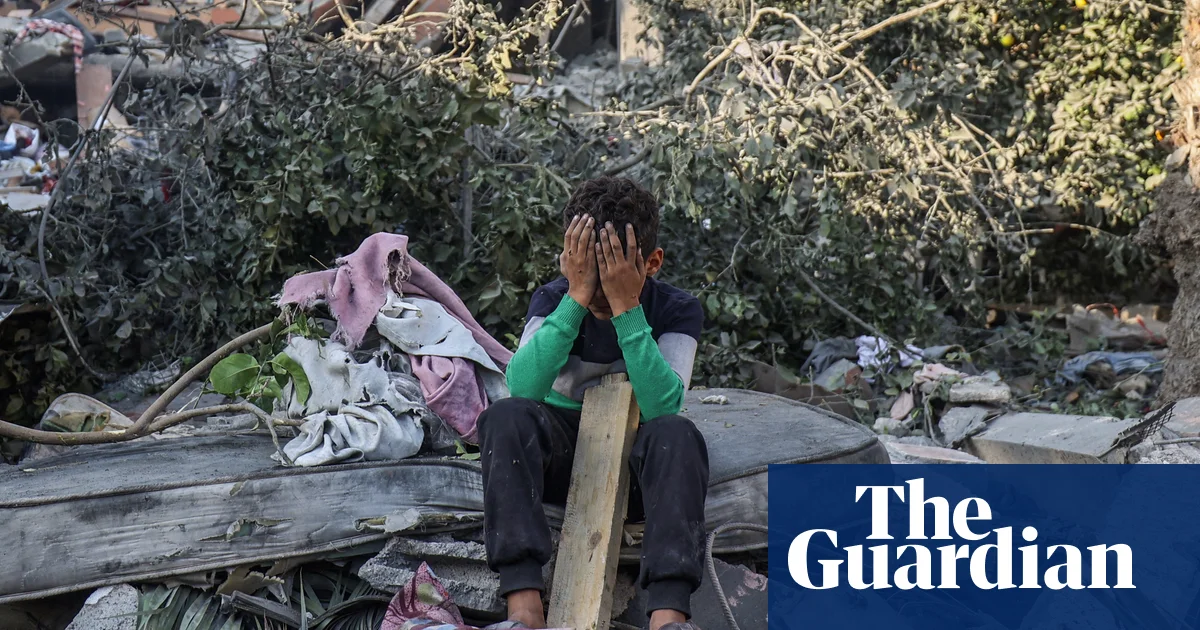
Gaza’s Rafah Crossing with Egypt Opens Again, Boosting Hope and Access

Recent developments in the Israeli-Palestinian conflict have once again underscored the fragile state of peace and stability in one of the world’s most volatile regions. Reports indicate that Palestinians will now be restricted to only a few dozen individuals and a negligible volume of goods crossing borders in both directions daily. Such stringent limitations reflect ongoing efforts by Israel and regional authorities to tighten control over Palestinian territories, particularly in the Gaza Strip and the West Bank.

This measure, which comes amid heightened tensions and sporadic clashes, represents a significant shift in border policies, impacting not only daily life but also the broader geopolitical landscape. Analysts from institutions like the International Crisis Group warn that such restrictions could exacerbate economic hardship and deepen humanitarian crises, especially as the Palestinian population faces shortages of essential supplies. The move draws criticism from Palestinian leaders and international observers, framing it as a form of collective punishment that might derail fragile peace efforts. Yet, from an Israeli strategic perspective, these restrictions are justified as necessary measures to prevent militant activity and ensure security.

Historically, border controls have been pivotal in shaping the conflict’s trajectory. Observers note that decisions to tighten or relax border crossingssuch ashave often been catalysts for escalation or de-escalation. According to noted historians specializing in Middle Eastern affairs, the recurring pattern suggests that such measures tend to deepen mistrust and foster resentment among Palestinian communities, which often view these policies as systemic oppression. The United Nations and European Union have expressed concern over these latest restrictions, warning that they could hinder efforts towards a two-state solution. Despite international calls for de-escalation, both sides appear entrenched in policies that maintain the status quo but risk further destabilization.

The geopolitical impact of this development extends well beyond the immediate region. As the world’s eyes remain fixed on the Middle East, nations across Europe, Asia, and the Americas watch how these policies influence regional stability and global security. Critics argue that such restrictions might serve as a catalyst for broader Sunni-Shia tensions, or even trigger a new wave of militant resurgence, thereby complicating the broader fight against terrorism. Moreover, these border policies have implications for international commerce, diplomatic relations, and the global balance of power—especially amid ongoing conflicts and spontaneous flare-ups elsewhere.

As the conflict persists and decisions take shape that affect millions of lives, the shadow of history looms large. Historians remind us that border policies and security measures are often the first dominoes to fall in the chain of events that can lead to prolonged conflict or peace. In this moment, with the weight of past failures and future uncertainties hanging heavy, the world watches as the decision of who crosses, and how, could well determine not only the fate of Palestinians and Israelis but also the future of international diplomacy itself. The pages of history remain unwritten, yet every decision echoes, reverberating through corridors of power and shaping the destiny of generations unborn.

Gaza’s Chaos Continues: Promises of Peace Broken as Violence Rages On

Global Impact of Gaza Conflict and Ceasefire Realities

The recent conflict in Gaza has once again exposed the fragile veneer of diplomacy and the stark realities faced by civilians caught in the crossfire. Despite declarations of a ceasefire in October, the situation on the ground remains as volatile as ever. Reports from humanitarian agencies and international analysts reveal a disconcerting paradox: while official rhetoric suggests a lull in violence, the death tolls tell a darker story. On average, Israeli forces continue to kill seven Palestinians per day in Gaza, a rate that many would consider active warfare rather than an end to hostilities. The imagery of families like Hala Abu Assi’s, mourning the loss of her young boys Jumaa and Fadi, symbolizes the grim toll wrought by what is purportedly a pause in fighting. These tragedies underscore how decision-makers’ claims of peace often mask enduring violence and suffering.

The geopolitical landscape surrounding Gaza has reset into a tense and uncertain partition. Israel’s government, backed by its strongest allies, is solidifying a de facto division along the so-called “yellow line”, with recent construction of concrete outposts and the bulldozing of Palestinian neighborhoods on the Israeli-controlled side. While the Trump-planned peace process envisions a phased withdrawal, an international stabilisation force, and a technocratic Palestinian governance structure, these plans remain entrenched in ambiguity. Major questions persist: Who will control Gaza’s critical land and resources? Will the Palestinian residents have a meaningful say, or are they destined for further displacement? The emerging landscape resembles a modern apartheid in the making, with Palestinian communities being herded into scattered enclaves under international supervision. Historians and policy analysts warn this strategy could entrench the separation, embedding a new reality where ethnic and territorial divisions threaten to outlast the current violence.

The international community’s role remains deeply conflicted. European and Arab nations aligned with the Trump initiative argue they support the peace efforts to prevent a broader regional escalation and to foster stability. However, critics highlight that these political calculations often serve as a cover for maintaining strategic interests rather than genuine resolution. The UN’s recent resolutions, which drew support from some nations, plan for the disarmament of Hamas and the return of hostages—yet substantial obstacles remain. Hamas has returned most missing bodies and expressed willingness to discuss surrender of offensive weapons—but only outside of Israeli or Israeli-backed entities. Moreover, absent substantial troop contributions from countries like Indonesia or Pakistan, the envisioned @disarmament under international supervision remains a distant dream. Without a genuine Palestinian authority, efforts to rebuild or establish security are hamstrung, compounding the sense of inevitability regarding Gaza’s continued fragmentation.

The Humanitarian Toll and the Weight of Injustice

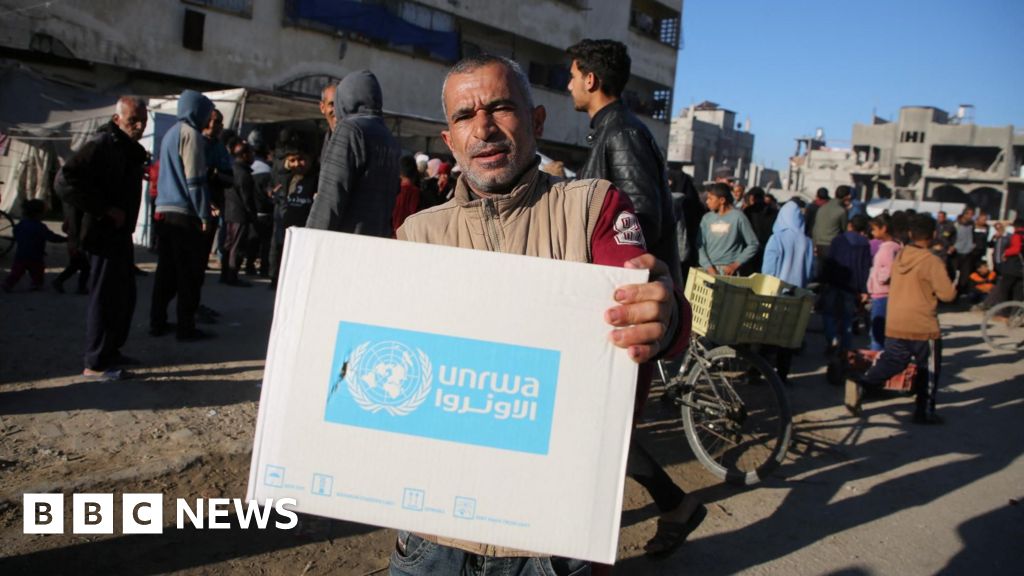
Marking a tragic chapter, Gaza’s population of over 2 million Palestinians now inhabits less than half of their original territory—confined to the barren “red zone” amid ruins and chaos. The recent floods, coupled with ongoing bombings, have devastated what little infrastructure remains, leaving families in tents with no adequate shelter before winter’s cold. Aid supplies, though increased, have yet to meet the need; the UN reports that fewer trucks are entering Gaza than prewar levels, and many Palestinians live on the brink of starvation. The international aid effort, hamstrung by diplomatic disputes and Israeli bans on organizations like UNRWA, struggles to address the scale of destruction. The plight of Gaza’s children, families, and the elderly reflects a humanitarian crisis that-growing figures warn could morph into a chronic catastrophe if international pressure wanes. Such conditions vividly illustrate a world that prudently calls itself “concerned,” but fails to act decisively. The ongoing destruction and suffering challenge global leaders and institutions to confront the moral cost of their policies—adventures in diplomacy that risk leaving Gaza as a symbol of unresolved injustice for generations to come.

As the quiet of the ceasefire festers into a new era of enduring division, the silence of true peace grows heavier. The stories of families like Faiq Sakhani’s, living just metres from the “yellow line” and daily fearing death, are the somber echoes of a story still unresolved. The specter of history—of nations divided and peoples oppressed—looms large over a volatile region in which every decision could ignite yet another cycle of war or forge a fragile hope for lasting peace. The world watches, but only time will reveal whether this chapter will be remembered as a step toward liberation or a prelude to darker days. The pages of history remain unwritten, yet one thing is certain: Gaza’s suffering is a stark reminder that peace, if not rooted in justice, is merely a brief interlude in an ongoing tragedy.

ICJ Demands Israel Let UN Deliver Essential Aid to Gaza’s Youth

International Judgment and Humanitarian Crises in Gaza

The International Court of Justice (ICJ) has delivered a significant advisory opinion regarding the ongoing crisis in the Gaza Strip, underscoring the legal responsibilities of Israel amidst escalating tensions in the region. The court’s ruling mandates that Israel facilitate the delivery of humanitarian aid by the United Nations and affiliated agencies, thereby emphasizing the international community’s stance on the dire need to meet basic human rights in the conflict zone. This opinion, while non-binding, carries immense diplomatic weight and accentuates the moral imperative for Israel to loosen its blockade that has effectively strangled Gaza’s civilian population for over two years.

The ICJ explicitly stated that Israel failed to substantiate claims that UNRWA — the UN agency responsible for Palestinian refugees — lacked neutrality or was infiltrated by armed factions like Hamas. The agency has repeatedly dismissed allegations of bias or clandestine affiliations, portraying itself as a neutral actor committed to humanitarian aid. Israel’s ambassador to the UN responded with unequivocal criticism, branding the ICJ’s opinion as “shameful,” illustrating the persistent divide over accountability for the humanitarian impasse. Historians and international legal analysts observe that the ICJ’s stance underscores a broader shift in international opinion toward prioritizing humanitarian obligations over political narratives.

Geopolitical Ramifications and International Reactions

  • The UN General Assembly had previously petitioned the ICJ in December to clarify Israel’s legal duties concerning operations in the West Bank and Gaza. This request followed a series of legislative measures by the Israeli parliament, which banned contact with UNRWA on Israeli soil and restricted aid activities—an act perceived by many as an escalation in the ongoing standoff.
  • Since the onset of hostilities with Hamas roughly two years ago, Israel has intensified its blockade, curbing access to essential supplies and implementing policies that have severely compromised the health, food security, and safety of Gaza’s 2.1 million residents. UN-backed experts warned of a “man-made famine,” with more than 640,000 people facing catastrophic shortages of food. Despite Israel’s insistence that aid flows are sufficient, independent assessments portray a starkly different reality.

The geopolitical impact of this crisis resonates well beyond the Mediterranean. Western nations, particularly those aligned with America and Europe, face mounting scrutiny over their diplomatic stance and relief efforts. Critics argue that uncontrolled aid restrictions serve as coercive tools, exacerbating suffering while political aims take precedence. International institutions, including the United Nations, are caught in a moral and strategic tug-of-war, with some analysts warning that failure to address these humanitarian concerns could fuel further instability and radicalization across the region.

Shifting Power Dynamics and the Weight of History

This moment in history beckons as a pivotal juncture where legal obligations, international diplomacy, and regional stability collide. The ICJ advisory adds fuel to the debate over accountability and sovereignty, spotlighting how their interpretations shape future interventions in conflict zones. As leaders and historians scrutinize these developments, the true test lies ahead: whether the international community’s moral authority can compel meaningful change or whether geopolitical interests will continue to weigh heavily in the shadows of diplomacy.

In the span of history, such decisions are destined to be remembered as either catalysts for humane reconciliation or as preludes to enduring cycles of violence. The unfolding story of Gaza’s suffering, and the global responses it provokes, serve as a stark reminder that the weight of history is still being written — with every act, every judgment, and every hope for peace shaping the world’s future.

Israel shuts down Gaza’s last southern route as military offensive intensifies on Gaza City — live updates

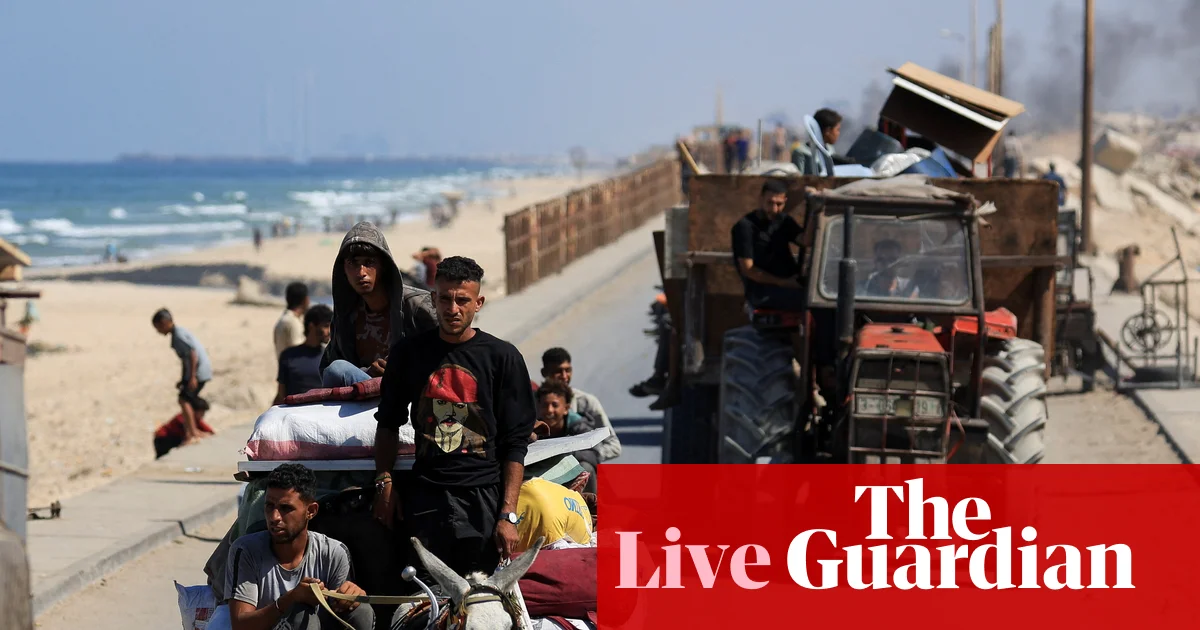
The ongoing Israeli military offensive in Gaza marks a significant escalation in the Middle East crisis, with profound geopolitical impact that threatens regional stability and influences the world’s power dynamics. As Israel moves to cut off access routes from Gaza’s south to north, the humanitarian toll continues to mount, with the UN reporting over a quarter of a million displaced residents in just the past month. The latest military decisions, including the closure of critical transit routes and increased aerial and ground operations, underscore a strategic shift that may shape future Israeli-Palestinian relations for generations.

Simultaneously, Hamas is reviewing a recent plan presented by Donald Trump in Washington, which many view as a pivotal turning point. Israeli and Arab leaders have broadly supported the 20-point proposal, which aims to de-escalate the violence, yet Hamas’s response remains uncertain. Trump has presented an ultimatum, declaring that Hamas has “three or four days” to accept or face severe repercussions. This high-stakes diplomatic maneuvering directly affects not only the immediate conflict but also regional alliances, with many analysts warning that the failure or acceptance of the plan may determine whether the region slides further into chaos or begins a fragile path toward peace.

Globally, reactions to the crisis reveal divisions and strategic calculations. The Australian government, accused of enabling Israel’s military actions through tepid critiques, faces mounting international pressure, with critics asserting that such policies embolden atrocities and undermine international law. On the ground, the human cost is staggering: the Palestinian health ministry reports over 66,000 deaths and hundreds of thousands injured since October 2023, emphasizing the severity of the humanitarian catastrophe. Meanwhile, the recent attack by Yemen’s Houthi rebels on a Dutch-flagged cargo ship, which caused substantial damage and injuries, demonstrates that regional conflicts are intertwining, further destabilizing an already volatile situation.

In the broader global context, the Middle East remains a hotspot of tension, with Iran facing renewed sanctions over its nuclear program, and Yemen becoming a theater of proxy conflict as the Houthis threaten Western interests with their assault on shipping lanes. The Global Sumud Flotilla attempting to break the naval blockade of Gaza reports being threatened and impeded by unidentified vessels, illustrating the high risks and escalating confrontations at sea. This layered and interconnected instability leaves history at a crossroads, with the choices made today echoing into the future of international order, justice, and peace, as the world watches with bated breath—the weight of history still unfolding.

Social Media Auto Publish Powered By : XYZScripts.com