Matox News

Truth Over Trends, always!

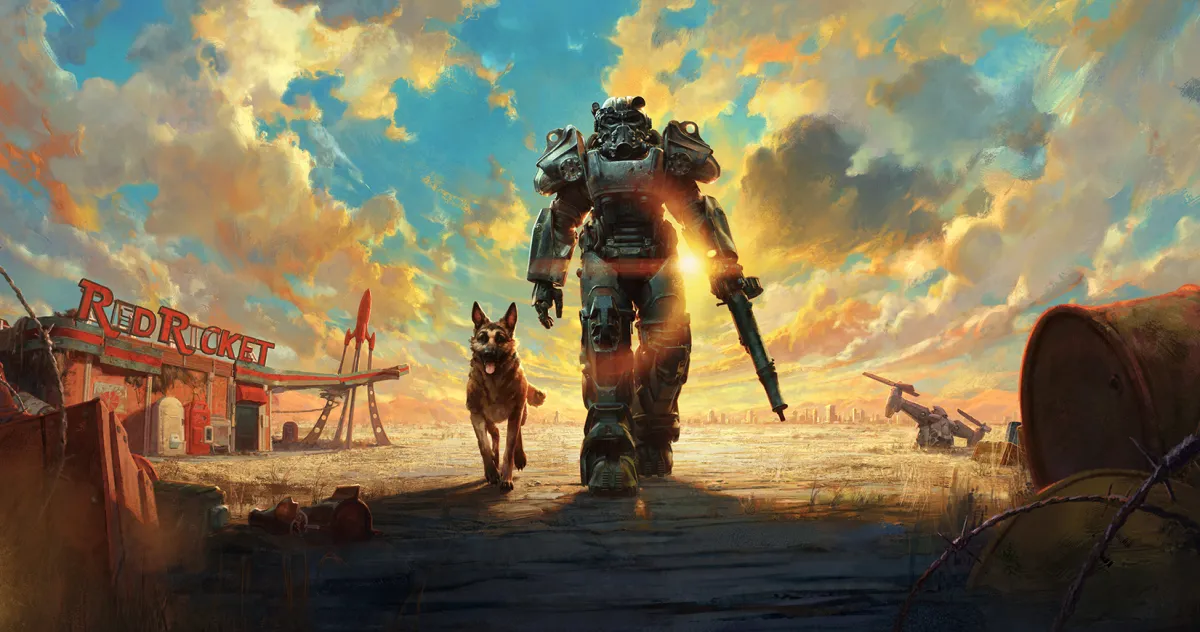
Fallout 4 Gets a Fresh Edition to Gear Up for the New TV Show

Gaming Milestone Meets Technological Disruption: Bethesda Celebrates Fallout 4’s Decade with Anniversary Edition

In a move that underscores the enduring impact of classic titles amid rapid technological shifts, Bethesda has announced the release of the Fallout 4 Anniversary Edition, coinciding with the game’s 10th anniversary. Scheduled for launch on November 10th across PC, PS4, PS5, Xbox One, and Xbox Series X/S, this edition exemplifies innovation in content delivery and reinforces the game’s relevance in an era dominated by continuous platform evolution and digital engagement. Offering the base game alongside six official expansions, over 150 creations from the Creation Club, and a dedicated hub for mods, Bethesda is reinforcing the game’s position as a business case study in longevity and community-driven content.

This strategic refresh arrives precisely one month before the debut of the second season of Prime Video’s Fallout series, creating an integrated entertainment ecosystem that blurs the lines between traditional gaming and streaming media. Such an approach exemplifies how legacy franchises can leverage technological disruption—through cross-media synergy—to amplify user engagement and extend brand dominance. The timing also hints at a broader industry trend: immersive content experiences are becoming pivotal to capturing consumer attention in a competitive multimedia landscape. Industry analysts point to this as a clear example of how existing properties can leverage technological advancements—such as enhanced mod ecosystems and multi-platform availability—to reinvigorate aging franchises and unlock new revenue streams.

In a notable move reflecting accelerated hardware innovation, Bethesda has announced that the Fallout 4 Anniversary Edition will arrive on the upcoming Nintendo Switch 2 next year. This aligns with a broader industry shift, where companies like Nintendo and Sony are pushing boundaries with next-generation consoles that promise more integrated, high-performance gaming. Industry insiders suggest that this generation will fundamentally disrupt how games are developed and consumed—with enhanced processing power facilitating richer graphics, more complex worlds, and innovative mod support.

  • Next-gen consoles will facilitate larger, more dynamic multiplayer experiences.
  • Game developers will have access to unprecedented hardware capabilities for innovation in game design.
  • Distribution models will increasingly emphasize digital content, making physical limitations less relevant.

Furthermore, the impending Switch 2’s third-party releases marks an industry-wide shift toward platform agnostic gaming, where high-quality titles are expected to run seamlessly across device ecosystems. Such disruptions hold profound implications for game publishers, hardware manufacturers, and content creators, requiring them to adopt more agile strategies to stay competitive.

Looking ahead, the intersection of legacy IP revitalization, technological innovation, and hardware advancements signals a transformative era for interactive entertainment. Disruption is no longer optional but essential, prompting industry leaders and startups alike to accelerate innovation pipelines. The opportunity for entrepreneurs and investors is clear: those willing to embrace emerging tech—such as cloud gaming, AR/VR, and AI-driven content creation—will shape the future landscape of entertainment. As Bethesda’s anniversary celebration exemplifies, combining nostalgia with cutting-edge technology isn’t just a marketing tactic; it’s a blueprint for future business model evolution—a call for the industry to respond swiftly and boldly to the relentless pace of change. The future belongs to those who innovate now, ensuring that gaming remains not just relevant but revolutionary.

Ministers gear up for China visits amid spying trial backlash, Labour critics warn

The United Kingdom is charting a precarious course in its renewed engagement with China amidst the turbulence of global power shifts and internal controversy. Despite simmering tensions sparked by the recent abandonment of espionage charges against two individuals accused of spying for Beijing, UK ministers have signaled a strategic intention to resume high-level talks before the year’s end. This includes plans for Jonathan Powell, the national security adviser, to visit Beijing in November—an effort aimed at fostering a “long-term and strategic” relationship, as emphasized by government officials. Such moves are not merely diplomatic gestures but carry profound geopolitical impact, signaling the UK’s attempt to balance economic interests with national security concerns amid China’s global rise.

This renewed diplomatic pursuit comes at a critical juncture. While official statements insist that engagement is rooted in “UK interests,” critics argue that this signals a recalibration—possibly a capitulation—to Beijing’s influence. Notably, the recent controversy involving the dismantling of charges against individuals linked to espionage suggests a possible diplomatic *trade-off*. Leaders like Keir Starmer are navigating a complex landscape, balancing the desire to reopen channels with fears of China’s expansionist reach and surveillance overtures. Many analysts, including security experts and historians, warn that this strategy risks emboldening Beijing at a time when U.S.-China tensions are intensifying. Global institutions such as the IMF and diplomatic commentators have voiced concerns that the UK’s embrace could undermine the collective effort to contain China’s geopolitical ambitions, thereby threatening regional stability.

Furthermore, these diplomatic overtures extend beyond government talks. Key figures like Rachel Reeves and Oliver Robbins have undertaken visits to China, promoting economic investment and revitalizing bilateral ties. Reeves’s recent involvement in unveiling £600 million of Chinese-backed investments underscores Britain’s attempt to capitalize on economic opportunities—yet such moves are fraught with risks. Chinese officials have openly communicated their displeasure over UK restrictions targeting their security apparatus, warning of potential retaliation that could destabilize diplomatic efforts. As international organizations track this evolving saga, they emphasize that decisions made today will shape the future of global power dynamics, with the UK caught squarely in the crossfire of a new Cold War landscape.

The unfolding developments evoke reflections from foreign policy analysts and historians who see this as a defining moment in 21st-century geopolitics. The last British Prime Minister to visit ChinaTheresa May in 2018—once spoke optimistically about a “golden era,” yet recent events reveal how swiftly that narrative has unraveled. The proximity of Kemi Badenoch and other senior officials to the Chinese government indicates a profound shift, perhaps towards a pragmatic yet perilous engagement policy. As Starmer’s alleged plans for a bilateral visit in February and Trump’s own sudden interest in China demonstrate, the global chessboard is realigning rapidly, with the UK positioning itself delicately amidst the rising tide of Chinese influence.

In the shadow of these high-stakes negotiations, history warns that such pivotal moments are often fraught with unforeseen consequences. The decisions taken in Parliament’s chambers and diplomatic suites will resonate through decades, shaping the balance of power in the Indo-Pacific and beyond. As the world watches, the UK’s future hinges on whether these diplomatic gambits will uphold sovereignty and security or succumb to the seductive allure of economic gains at a perilous geopolitical cost. The pages of history are turning once more, and the weight of global destiny hangs in the balance—an intricate dance of strategy, influence, and power, with the world on the edge of a new epoch.”

Amazfit T-Rex 3 Pro: Tough Outdoor Gear That Just Doesn’t Coast

Tech Disruption Continues: Amazfit TRex 3 Pro Fails to Meet Expectations in Market-Defining Wearable Segment

In the rapidly evolving world of wearable technology, innovation is often touted as the main driver of competitiveness. However, recent reviews of the Amazfit TRex 3 Pro reveal that despite its promising feature set, the device struggles with implementation, casting a shadow over the company’s perceived market leadership in outdoor and sports watches. While touted for offline routing and outdoor activity metrics, user experiences highlight significant shortcomings that threaten its disruptive potential in this segment. Analysts note that this underscores a broader industry trend — rapid feature proliferation without ensuring core functionality, leading to consumer skepticism and operational risks, especially as competitors like Garmin and Apple refine their offerings.

The device’s offline routing capability epitomizes the gaming industry’s push towards seamless, high-precision navigation tools for adventure-seekers and fitness enthusiasts alike. However, the reality falls short of expectations. Reviewers detail persistent failures in route creation—often limited to short distances—and bizarre recommendations such as running on one of the country’s busiest highways, Interstate 405. This exposes a critical gap in disruption-driven innovation—the promise of smart features that integrate smoothly with user needs remains unfulfilled. For industries betting on the next wave of wearable tech, such gaps may deter early adopters, risking market share erosion when competitors deliver truly reliable solutions.

Beyond navigation, the device faces industry-wide challenges related to software completeness and interface polish. Despite the hype around fitness and activity tracking, features such as strength training recognition remain unreliable, as surfacing issues highlight a disconnect between R&D ambitions and product execution.

  • Incomplete translation and interface bugs
  • Limited activity recognition
  • Questionable usability in real-world scenarios

These shortcomings come at a crucial time when market leaders like Samsung and Fitbit continue to push comprehensive, integrated platforms that combine hardware prowess with enhanced AI-driven insights. The lesson for emerging players: innovation alone cannot substitute for meticulous testing and user-centered design. Disruption only occurs if new entrants can deliver on their promises without compromise.

Nevertheless, not all is lost for the Amazfit brand in this segment. Notable features such as an LED flashlight, basic notification display, and quick-response messaging for Android users highlight that the company is attuned to evolving consumer needs. Experts from MIT and industry analysts like Peter Thiel suggest that a strategic focus on niche, high-impact innovations—such as durable ruggedness and advanced battery life—may yet carve a competitive edge. The key takeaway for the youth market and innovators is the emphasis on “finish the job”: iteration, testing, and aligning features with genuine user needs — crucial for disrupting entrenched giants.

Looking ahead, this case exemplifies a broader market imperative: the race to redefine what wearables can do is far from over. As Elon Musk frequently warns, “speed isn’t enough; reliability is everything.” The future belongs to those who can marry cutting-edge features with rock-solid dependability, all while disrupting traditional paradigms. For the tech-savvy youth and fast-moving startups alike, the message is clear—disruption demands more than buzzwords and early prototypes. It requires relentless execution, user trust, and a keen eye on practical utility. As industry giants continue to innovate, those who master the fine balance between innovation and execution will ultimately dictate the future landscape of wearable technology. Time is of the essence; the next leap forward is just around the corner.

Acer’s New 2-in-1 Chromebook Packs Touchscreen and AI Power for the Ultimate Student and Young Professional Gear (TrendHunter.com)

In a world where digital lifestyles are rapidly evolving, technology brands like Acer are setting the tone for next-gen productivity and entertainment with innovations like the Acer Chromebook Plus Spin 514. This 14-inch convertible device is more than just a laptop; it embodies a larger shift in how young users approach connectivity—blurring lines between work, play, and social interaction. Powered by versatile configurations featuring MediaTek Kompanio Ultra 910 or Intel Core processors, the device caters directly to the ever-growing demand for mobility, efficiency, and style, making it a staple in the modern digital wardrobe.

What makes this trend particularly compelling is its cultural significance. As influencers and social media personalities continue to champion sleek, adaptable tech tools, convertible Chromebooks are emerging as social symbols of a new lifestyle—one that values flexibility and minimalism. According to analysts like Sociologist Dr. Emily Carter, the adoption of such tech reflects a broader societal move towards personalized digital ecosystems. Young consumers no longer see devices as static objects but as extensions of themselves—tools that adapt to their routines, passions, and social identities. The fashion-forward design and multi-functional capabilities of devices like the Acer Chromebook Spin 514 serve as a visual and practical statement: they embody a mindset where adaptability and efficiency reign supreme.

From an influence standpoint, this trend is driven by a cadre of trendsetting content creators and tech enthusiasts who demonstrate how convertibles foster a new level of productivity and communal engagement. Platforms like TikTok and Instagram are rife with showcases of how these devices facilitate everything from collaborative projects to streamed gaming, further cementing their social relevance. As youth culture continues to evolve around the ideas of personal authenticity and multi-dimensionality, the cultural impact of such devices signifies a larger shift toward embracing a hybrid digital lifestyle. It’s not just about owning the latest hardware, but about living in a state of dynamic versatility, where the boundaries between work and leisure are increasingly fluid.

Looking ahead, the question remains: How will this trend shape the future of our digital interaction? Will these convertible devices transcend the mere realm of functional gadgets and become a symbol of youthful independence and adaptability? Or will their growing popularity set the stage for a new standard—one where technology is less about devices and more about personal identity and societal values? As experts continue to analyze these shifts, it’s clear that the next big thing isn’t just the device itself but what it represents: a societal move toward flexibility, minimalism, and self-expression. The real question is whether this evolution will foster a generation more resilient and resourceful—ready to face the future with something as simple yet profound as a convertible laptop in hand.

High School Basketball Teams Gear Up for Thrilling Championship Weekend!

Saudi Pro League Eyes Bruno Fernandes as January Transfer Window Approaches

In a fascinating twist to the January transfer window narrative, the Saudi Pro League is reportedly preparing to make a significant move for Manchester United‘s standout midfielder, Bruno Fernandes. The attention on Fernandes intensifies as clubs across Europe assess their rosters and strategic goals, leading to speculation that the talented playmaker could be on the move. With the Pro League’s growing reputation for attracting top-tier talent, this potential transfer could shake the footballing landscape.

According to sources close to the negotiation tables, the Saudi clubs are keen on enhancing their squad depth with players who possess both skill and experience. Club officials have been monitoring Fernandes closely, recognizing his pivotal role in Manchester United‘s recent campaigns. As one commentator noted, “Bruno has been a crucial asset for United, and losing him would be detrimental to their ambitions.” His influence on the pitch is underscored by the following highlights:

  • 10 goals and 15 assists in the Premier League last season.
  • Averaging 3.5 key passes per game, making him a playmaker worth investing in.
  • Leads the team in critical moments, often stepping up during high-pressure situations.

The discussions around Fernandes also highlight a broader trend of talent migration to the Saudi Pro League. With the lucrative financial backing of the league, they are not shying away from making bold signings. Rudi Garcia, head coach of Al Nassr, recently emphasized the league’s ambition to compete at an international level. “We want to bring the best talents to elevate our game and show that we can be a force globally,” Garcia stated, reinforcing the notion that this isn’t merely about finances but rather about building a competitive legacy.

As the clock ticks down to January, football fans are left wondering what this could mean for the landscape of both the Premier League and the Saudi Pro League. Will Bruno Fernandes choose to stay and help Manchester United chase silverware, or will the siren call of the Saudi league prove irresistible? What remains undeniable is that sports serve as a bridge, uniting fans across borders in their unwavering support for their teams. Each match not only shapes the future for clubs and players but also reinforces the bonds of community and passion that make sports such a powerful global unifying force.

Source link

Local High School Teams Gear Up for Championship Showdown!

UFC 320: A Night of Unforgettable Action in Las Vegas

UFC 320 descended upon Las Vegas this past weekend, delivering an action-packed evening filled with thrilling matchups and memorable moments. Expert analysts Brett Okamoto, Andreas Hale, and Jeff Wagenheim provided insightful breakdowns of each bout, emphasizing how the stakes were high in every fight. Fans were treated to an electrifying atmosphere, showcasing the essence of mixed martial arts.

The night starred several standout performances that left a lasting impression. One of the highlights was Jon Jones‘s resurgence, as he demonstrated his prowess in the octagon with an emphatic victory over Alexander Gustafsson. This bout not only solidified Jones’s place as a dominant force in the light heavyweight division but also set the stage for potential future matchups that fans are eagerly anticipating. Commentator Brett Okamoto remarked, “This is a man who has returned to reclaim his throne.”

  • Jon Jones defeated Alexander Gustafsson via unanimous decision.
  • Adesanya maintained his championship reign against Whittaker in a five-round thriller.
  • Rose Namajunas continued to showcase her skill with an impressive submission victory.

Additional bouts featured fighters who showed incredible determination, with Israel Adesanya reaffirming his status as champion against Robert Whittaker in yet another gripping encounter. According to analyst Jeff Wagenheim, “Adesanya’s ability to adapt and control the pace was awe-inspiring.” Each fight not only highlighted individual talent but also demonstrated the collective spirit of the sport, showcasing athletes who push their limits for the fans and each other.

As the event concluded, it was clear that UFC 320 was not just about victories or defeats. It was a vivid reminder of the unity that sports can foster. In a world often filled with division, the octagon serves as a battleground where athletes from diverse backgrounds come together to display their craft and passion. As we reflect on this electrifying night, it is the stories of perseverance, sportsmanship, and the pursuit of greatness that resonate the most. This is what makes the world of sports not just a competition but a profound expression of the human spirit, one knockout and submission at a time.

Source link

High School Football Teams Gear Up for Exciting Playoff Showdowns This Weekend!

Don Kelly Receives Contract Extension as Pirates’ Interim Manager

In a significant turn of events for the Pittsburgh Pirates, interim manager Don Kelly has been awarded a contract extension after a challenging and tumultuous season. After taking the helm in early May, following the dismissal of Derek Shelton, Kelly led the team to a record of 59-65. His appointment comes at a pivotal time for the franchise, showcasing the front office’s confidence in his leadership abilities amidst a season marked by ups and downs.

Kelly’s time managing the Pirates has not been without its challenges, but his ability to rally the players and make critical decisions has left a lasting impression. Under his leadership, the team displayed resilience and determination, reflecting his coaching philosophy. Commentators have noted that Kelly’s tactical adjustments and player management have been crucial as the team navigated the complexities of Major League Baseball.

  • Team Record: 59-65 since taking over
  • Key Wins: Several victories against division rivals
  • Player Development: Significant improvements in player performance

In a recent statement, Kelly emphasized the importance of unity and perseverance, saying, “Every game teaches us something new. It’s about coming together and pushing for one another, on and off the field.” His commitment to fostering a supportive atmosphere has resonated with both players and fans, earning him a favorable reputation in the organization. This extension signals the Pirates’ intent to build a cohesive team environment, moving forward with a clear vision.

As the Pittsburgh Pirates look to evolve and improve in the coming seasons, the extension of Don Kelly as interim manager marks a pivotal moment for the organization. While the scoreboard often dictates perceptions, the journeys undertaken by teams unite communities and inspire fandom. In a world rife with challenges, sports stand as a testament to resilience and camaraderie, bridging divides and fostering hope for a brighter future. With Kelly at the forefront, fans can anticipate not only a competitive team but also a community built on the values of teamwork, respect, and dedication.

Source link

Moldovans Gear Up for Crucial Election Amid Russia Interference Concerns

The recent parliamentary elections in MOLDOVA have become a focal point in the ongoing geopolitical contest between Western alliances and Russian influence. With a nation caught between its desire for EU integration and the lurking shadow of Russian interference, Moldova’s future is more precarious than ever. Voters, expressing their democratic will despite the smoke of disinformation and external meddling, are making a decisive choice that could redefine the nation’s trajectory—either towards the West or back into Moscow’s sphere of influence. As analysts and historians warn, these elections are not just about local politics; they are a pivotal chapter in the broader geopolitical struggle for influence in Eastern Europe.

The electoral landscape was heavily influenced by claims of massive Russian interference, with Moldova’s security forces alleging that Moscow-backed actors actively sought to sway the outcome. The authorities reported an unprecedented effort to spread disinformation and mobilize perceived pro-Russian sympathizers, including coordinated efforts to buy votes and spread fake news, as uncovered by an investigation from the BBC. The narrative was stark: Russia aims to maintain its grip on Moldova, especially in the shadowed enclaves like Transnistria, where Russian troops remain a tangible presence and pro-Moscow sentiments run deep. The anxiety surrounding these claims was amplified by reports of bomb scares, signaling the tense atmosphere during the voting process. Such actions underscore how security and sovereignty in Moldova have become a proxy battleground in a larger international conflict.

At the heart of the political tug-of-war are two major forces vying for control: President Maia Sandu’s Party of Action and Solidarity (PAS), committed to a European path, and the pro-Russian Patriotic Electoral Bloc, led by Igor Dodon, which pushes for closer ties with Moscow. The partial results suggested a neck-and-neck race, with proponents for EU integration and neutrality battling fiercely against Moscow-aligned factions. Notably, over 270,000 Moldovans participated in the diaspora voting, predominantly in Western countries, highlighting the country’s split identity. Meanwhile, Transnistria, with its Russian military presence and pro-Moscow population, remains a contested zone, where voters face logistical hurdles to participate—yet their votes carry significant symbolic weight in this unfolding geopolitical drama.

This election has also revealed the deep societal divisions within Moldova, worsened by spiraling prices and endemic corruption. President Sandu, resilient and warned by many analysts as a pragmatic reformer, reinforced her commitment to EU integration, reminding voters that their democracy is fragile and must be defended. The stakes are high: if her party loses its parliamentary majority, Moldova may face further instability, potentially swinging back into Russia’s orbit. Conversely, a win for pro-Western parties could accelerate Moldova’s integration into European structures, but at the cost of escalating tensions with Moscow, which perceives such moves as threats to its strategic interests. The international community watches closely, aware that Moldova’s choice could influence the balance of power in Eastern Europe amid the ongoing turmoil in Ukraine.

As the results slowly unfold, one thing remains clear: Moldova’s democratic experiment is a critical piece of a larger puzzle—one where history is still being written at the ballot box. With a nation divided but determined to forge its own path, the outcome is more than just a local election; it is a decisive step in the relentless contest for supremacy in Europe’s eastern frontier. As voters cast their ballots amidst whispers of disinformation and foreign influence, the world must wonder: which way will Moldova tilt—toward stability and sovereignty or into the shadows of empire? The answer will shape the geopolitical landscape for years to come, etching the next chapter in an unfolding saga that could determine the future of regional security and international order.

Social Media Auto Publish Powered By : XYZScripts.com