Matox News

Truth Over Trends, always!

Top Vacuum Picks of 2026: Cordless, Robots & Dyson’s Best for the Next Gen Home

The landscape of household cleaning technology might seem mundane at first glance, yet beneath the surface, the latest innovations signal a broader wave of disruption sweeping through the consumer appliance industry. Brands like Dyson, BISSELL, and Tineco are pushing forward with advanced cordless and robotic models that exemplify how technology-driven innovation is replacing traditional upright vacuums. These developments are not just about convenience—they are redefining the very fabric of how businesses approach product design, security, and future scalability in a fragmented yet fiercely competitive market.

Recent market shifts pointed out by industry analysts from Gartner highlight that cordless stick vacuums now dominate revenue streams, challenging the legacy supremacy of upright models. They combine portability, multifunctionality, and AI-powered features, allowing consumers to perform targeted, efficient cleaning without being tethered to outlets. This segment’s growth underscores a fundamental trend: disruption fueled by mobility and smart technology. Furthermore, the incorporation of self-emptying dock stations like Tineco’s, and power-packed handheld models from Dyson, signals that consumer preference is rapidly evolving toward integrated, maintenance-free solutions.

  • High-capacity, self-emptying docks: boosts convenience and maintains suction power longer.
  • AI-enabled sensors in vacuums: optimize cleaning routes and improve efficiency.
  • Specialized designs for pet owners: Dyson’s HEPA-filtered models leverage disruptive HEPA technology for allergen control, addressing a vital niche.

However, these innovations carry significant business implications. Traditional vacuum manufacturers, often rooted in decades-old designs, face existential challenges if they fail to innovate rapidly. Startups and tech giants outside the hardware space—like Elon Musk’s Tesla or Peter Thiel-backed ventures—are already showing interest in applying AI, IoT, and machine learning to consumer appliances, creating a potential nexus for *disruption on a massive scale*. The market is already witnessing a shift where AI-powered maintenance, predictive diagnostics, and subscription-based services could become standard, fundamentally altering revenue models. These trends echo the MIT research on ‘Industry 4.0’, emphasizing that smart, interconnected products will become the norm rather than the exception.

The disruption extends beyond product innovation into the business model space. Companies that successfully leverage IoT data and integrate AI to enhance after-sales support will have a competitive advantage. As Gartner notes, the era of ‘product-as-a-service’ is upon us, urging firms to rethink how they generate recurring revenues. Meanwhile, consumer demands for smarter cleaning devices—integrating voice commands, automation, and health monitoring—drive this technological evolution rapidly. This scenario defies complacency: companies not embracing these shifts risk falling behind in an industry where innovation cycles are getting shorter and where the future belongs to pioneers capable of integrating AI, hardware, and service platforms.

Looking ahead, the industry’s trajectory suggests a convergence where disruption fuels innovation across every facet of household tech. The influx of AI, robotics, and IoT into everyday appliances will likely extend into broader sectors—smart kitchens, connected security, even personal health. To stay competitive, firms must prioritize agility, investment in R&D, and strategic partnerships with AI and hardware developers. Those who do will not only reshape the market but could gain unparalleled market dominance in the next decade. The clock is ticking for legacy players and newcomers alike: the future is being written now, and only the most innovative will thrive in the face of relentless technological advancement.

Gen Z's Fight: Upstart Youths Challenge Autocrat, but Old Guard Eyes Bangladesh Win
Gen Z’s Fight: Upstart Youths Challenge Autocrat, but Old Guard Eyes Bangladesh Win

Bangladesh Election: Youth Uprising Meets Political Status Quo

The recent electoral contest in Bangladesh has emerged as a defining moment in the country’s political landscape, illustrating the tension between youthful aspirations and entrenched party politics. On one side, a wave of student-led protests and grassroots activism promised a new dawn of reform and democratic renewal. These young voices, energized by hopes for greater transparency, economic opportunity, and democratic accountability, symbolized a generational desire for change. Yet, despite the palpable yearning for a fresh start from the youth and civil society, the electoral outcome suggests a different reality: the old political guard still commands the corridors of power.

In the months leading up to the election, student protests and civic movements highlighted widespread discontent with corruption, governance failures, and the perceived authoritarianism of the current leadership. International observers, including analysts from the International Crisis Group and regional think tanks, noted that the surge in youth activism was reflective of broader societal anxieties about economic stagnation, unemployment, and perceived repression. However, the traditional parties—most notably the ruling Awami League and opposition alliances—maintained a firm grip on political machinery and electoral processes, ensuring their victory despite vigorous protests from the younger generation.

The election results, widely seen as a reaffirmation of the status quo, have raised profound questions about the geopolitical impact of Bangladesh’s internal decisions. As India and China continue to vie for influence in South Asia, Dhaka’s political orientation will have significant implications for regional stability and strategic alignments. The dominance of established parties raises fears among analysts that the country remains vulnerable to external pressures, especially considering its strategic position bordering India and its ongoing economic ties with China. Some experts warn that this electoral outcome may deepen a pattern of autocratic resilience, potentially hampering genuine democratic reforms and further entrenching military and political institutionalism.

International institutions have voiced cautious concern. The United Nations and regional bodies called for transparent processes, yet their influence remains limited amid Bangladesh’s strong internal political narratives. Historians tracking the country’s political evolution note that the pattern of youthful unrest contrasted sharply with the reassertion of traditional elites, a dynamic not unfamiliar in South Asian democracies. Strategic analysts reflect that, while the youth’s voice is vital for the future, entrenched interests and historical power structures continue to define electoral outcomes, often at odds with revolutionary aspirations. This persistent clash underscores that the true contest is not only about votes but also about the soul of a society yearning to move forward.

As the dust settles, Bangladesh’s future hangs in a delicate balance. The young protesters, who once envisioned a new dawn, now face a reality where ambition must contend with history. Governments and societies worldwide watch closely—aware that today’s electoral verdict might only be a chapter in an ongoing struggle between tradition and reform. With the weight of history pressing down, the question remains: will this be a moment of genuine transformation, or merely another cycle of the old guard securing their place in a nation still searching for its true voice? Ultimately, the unfolding stories of these during democratic battles reveal that, in the turbulent currents of history, the true revolution may lie just beyond the horizon, waiting for its moment to redefine the future of Bangladesh.”

Next Gen Stars Shine: Rising Talents Transforming the Sports Landscape

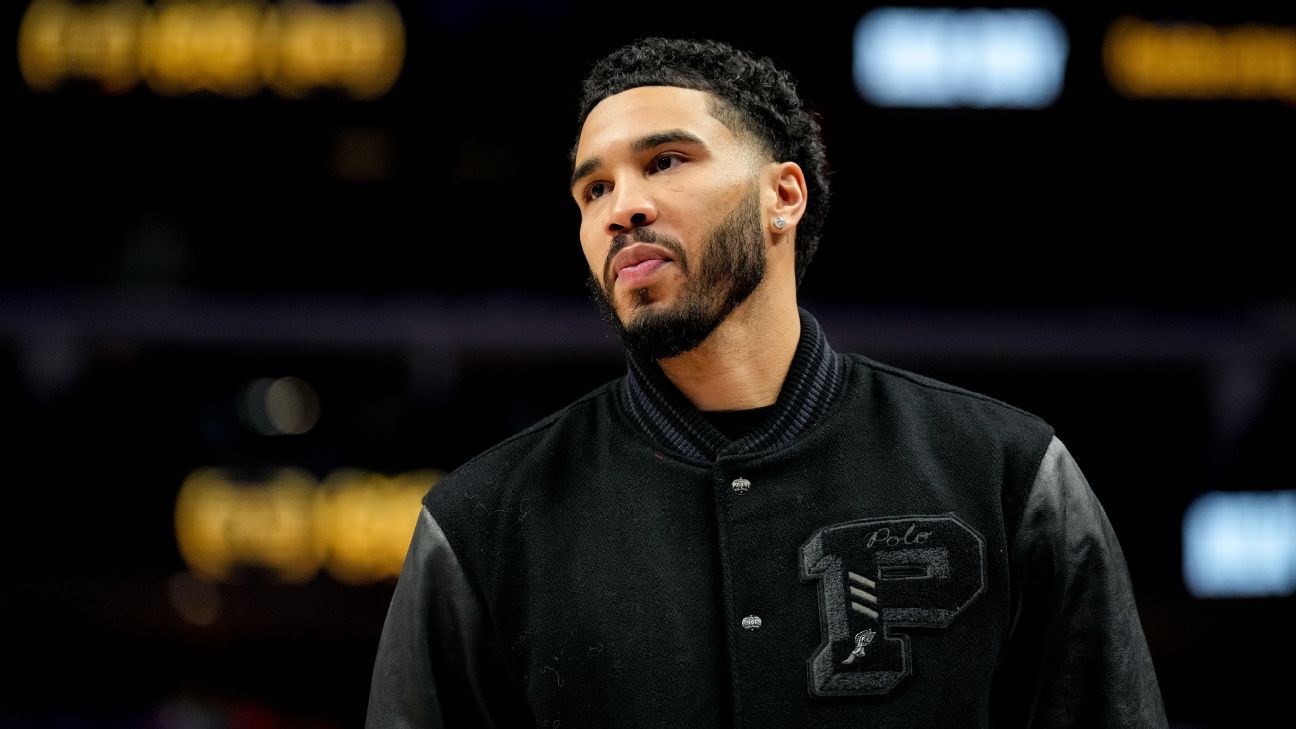
Celtics’ Jayson Tatum Takes Cautious Approach to Recovery

The heart of the Boston Celtics, All-Star forward Jayson Tatum, is currently facing a critical juncture in his career as he recovers from a torn Achilles tendon. In an exclusive interview with ESPN, Tatum revealed that he has not yet made a decision regarding his return this season. He emphasized the importance of getting the rehabilitation process right, stating, “I want to get it right the first time.” This approach highlights both his determination and the realism inherent in a professional athlete’s recovery.

Tatum‘s injury has raised concerns within the Celtics organization, especially considering his pivotal role in leading the team. Coach Ime Udoka acknowledged the importance of Tatum’s health, indicating that a rushed return could jeopardize not only Tatum’s career but the team’s potential playoff push. The Celtics are amidst a tightly contested season, and Tatum’s contributions could make a significant difference in their standings.

  • Player Stats: Tatum averaged 26.9 points and 7.1 rebounds per game last season.
  • Team Impact: The Celtics have a winning percentage of .678 without their star player in the lineup.
  • Coach Commentary: Udoka stated, “We’ve got to be patient, and we trust Tatum’s judgment.”

The journey back to peak performance is fraught with challenges, as every athlete knows. During his recovery, Tatum must also contend with the ever-intensifying pressure from fans and analysts alike who are eager to see him return to the court. While some may feel the urgency for a hasty comeback, Tatum’s focus on health could prove to be a wise choice in ensuring long-term success. After all, the right decision today may lead to championships tomorrow.

As the Celtics continue their season without one of their key players, the spotlight is set to shine on both the team and their dedicated fans. Whether Tatum returns this season or not, his commitment to recovery reflects a profound truth in sports: it’s not just about the scoreboard, but about the stories, resilience, and communality that bind players and fans alike. In the grand arena of sport, unity emerges as the ultimate goal, with every challenge, injury, or triumph drawing us together in a shared experience of hope and determination.

Source link

Minneapolis Youth Protest ICE, Gen. Walz Urges Trump to Pull Back

Global Ripple Effects as U.S. Immigration Crisis Unfolds in Minneapolis

The ongoing turmoil in Minneapolis has transcended local concerns to become a flashpoint with far-reaching geopolitical implications. Following the tragic shooting of Alex Pretti, a legal gun owner and community nurse, the unrest symbolizes broader divisions within America’s approach to immigration, law enforcement, and civil liberties. As protests swell across cities nationwide, international attention has shifted to how Washington manages internal conflicts, with critics asserting that federal tactics threaten the fabric of American society.

At the core of the controversy are federal immigration agencies such as ICE, whose aggressive operations have ignited fierce resistance from local authorities. Minnesota Governor Tim Walz and Minneapolis Mayor Jacob Frey find themselves embroiled in a constitutional and political stand-off against the Trump administration. The President publicly demanded local officials to “cooperate fully” with federal agents, calling for the deportation of criminal illegal aliens, and echoed his broader stance that sanctuary cities serve as safe havens for lawbreakers. Such rhetoric not only exacerbates divisions domestically but also prompts international observers to question America’s commitment to due process and human rights.

Global Impact of Internal U.S. Policies and the Shift in Diplomatic Dynamics

Analyzing these developments through a geopolitical lens, experts warn that the U.S. internal crisis could weaken its global standing. Institutions like the United Nations and European Union routinely scrutinize American human rights practices; the scenes of federal agents engaging protesters, with reports of tear gas and stun grenades, are stirring concern abroad about democratic accountability. Many international officials and analysts have expressed alarm that America’s leadership may be eroding its moral authority on issues of justice and personal freedoms, especially at a time when global adversaries seek to exploit perceived internal vulnerabilities.

Furthermore, historical perspectives demonstrate that such internal conflicts have historically served as catalysts for international shifts in alliances and diplomacy. The unfolding crisis in Minneapolis, amplified by high-profile figures like Donald Trump and Homeland Security officials, reveals a nation at a crossroads—torn between its foundational ideals and mounting internal pressures. As some European nations ruminate on whether similar crackdowns threaten long-term stability, the international community watches with concern that the U.S. may be heading toward further polarization, undermining coalitions built on shared values of ordre and justice.

Uncertainty Looms as the World Awaits Its Next Move

As the story remains in flux, with key figures entangled in accusations, subpoenas, and mounting protests, the weight of history presses heavily on the shoulders of future generations. The narrative of Minneapolis—a city emblematic of America’s racial, political, and social divides—may well shape the trajectory of the nation for decades to come. The international community’s cautious gaze underscores a sobering truth: every decision made today bears the potential to redefine the global order. The unfolding saga of internal unrest, government overreach, and the fight for justice is not merely American history in the making; it is a chapter in the enduring story of nations grappling with the universal challenges of sovereignty, social cohesion, and the quest for liberty amid chaos.

Robot Takes the Mic: Melbourne Innovator Turns AI into Comedy Gold for the Next Gen

In an era where **technology** continues to reshape every facet of **lifestyle** and **entertainment**, a groundbreaking initiative from the University of Melbourne is probing the very limits of **artificial intelligence** (AI) in the realm of **comedy**. Led by Dr. Robert Walton, a dean’s research fellow in the **Faculty of Fine Arts and Music**, this project seeks to determine whether **robots** can go beyond mere **physical mishaps** and develop a genuine sense of **humor**. Unlike the stereotypical clumsiness that often elicits laughter at robots’ expense—think of those viral clips of Boston Dynamics’ malfunctioning machines—Walton’s goal is to explore the potential for **AI** to *intentionally* make us laugh, tapping into the core skills of **timing**, **reading the room**, and **visual humor**. Thanks to a substantial Australian Research Council grant of roughly $500,000, Walton will train a team of ground-based **robots**, ranging from 40 centimeters to two meters tall, to hone their *visual* comedic skills alongside human collaborators.

This initiative marks a conscious departure from memetic AI humor derived from language models like **ChatGPT**, which often mirror *underwhelming* jokes, reminiscent of those found in **Christmas crackers**. Instead, Walton emphasizes that humor rooted in **non-verbal communication**—such as **physical comedy** and **timing**—may be the key to unlocking believable **machine humor**. By observing how **robots** sense movement, establish **connection**, and respond to gestures like **head tilts** or **laughter**, Walton aims to understand how machines might eventually *adapt* to mimic human **behavioral cues**. The project’s ultimate aim isn’t merely to entertain but to garner insights on how **human-robot interactions** can evolve, with all their **risks and benefits**.

Indeed, this investigation touches on profound questions about **authenticity**, **creativity**, and the very essence of **humanity**. Notable **cultural figures** like comedian and musician **Tim Minchin** have pointed out that what makes **comedy** truly compelling is the **flaws**—the imperfections and **agency** of **the artist** behind the act. Human **comedians** bring their **personal experiences**, **struggles**, and **mistakes** into their routines, crafting a moment of **authentic connection** that technology has yet to replicate convincingly. The **Melbourne comedy festival** director, Susan Provan, echoes this sentiment, emphasizing that **originality** arises from **lived experiences** and **spontaneous interactions**—elements that many believe define the **soul** of **comedy**. Walton’s project recognizes these facets, exploring whether **robots** can simulate this **authenticity** or if they will simply be **clumsy imitators**, providing humor through their **failures** rather than their **intentions**.

  • Reflect on the blend of **technology** and **lifestyle** as an avenue for **self-improvement** and **well-being**;
  • Consider how **training** in **humor** could be applied in fields like **caregiving** or **public interaction** to foster **empathy** and **connection**;
  • Embrace the idea that **innovation** must be paired with **ethical caution**—exploring both empowering potential and **threats** associated with **AI** transforming **entertainment** and **personal interaction**.

As Walton’s work unfolds, it invites us to reflect not just on what **technology** can do but what it **should** do. The journey from **robots fall** to the potential of a **believable** comedian embodies a broader societal quest: fostering a **lifestyle** that balances **innovative progress** with **authentic human essence**. This pursuit underscores an enduring truth—**the human spirit** thrives in spontaneity, mistakes, and the genuine **connection** with others. While AI may someday learn the **timing** and **gestures**, it remains to be seen whether it can truly emulate those **imperfections** that make us *laugh*, *cry*, and *feel alive*. Perhaps, in the end, the most profound comedy—like life’s richness—resides in embracing our **flaws** and the **journey** of perpetual discovery.

New streaming channel puts city hall in the spotlight for Gen Z viewers

Emerging Tech Innovator Hamlet Catalyzes Transparency in Local Government

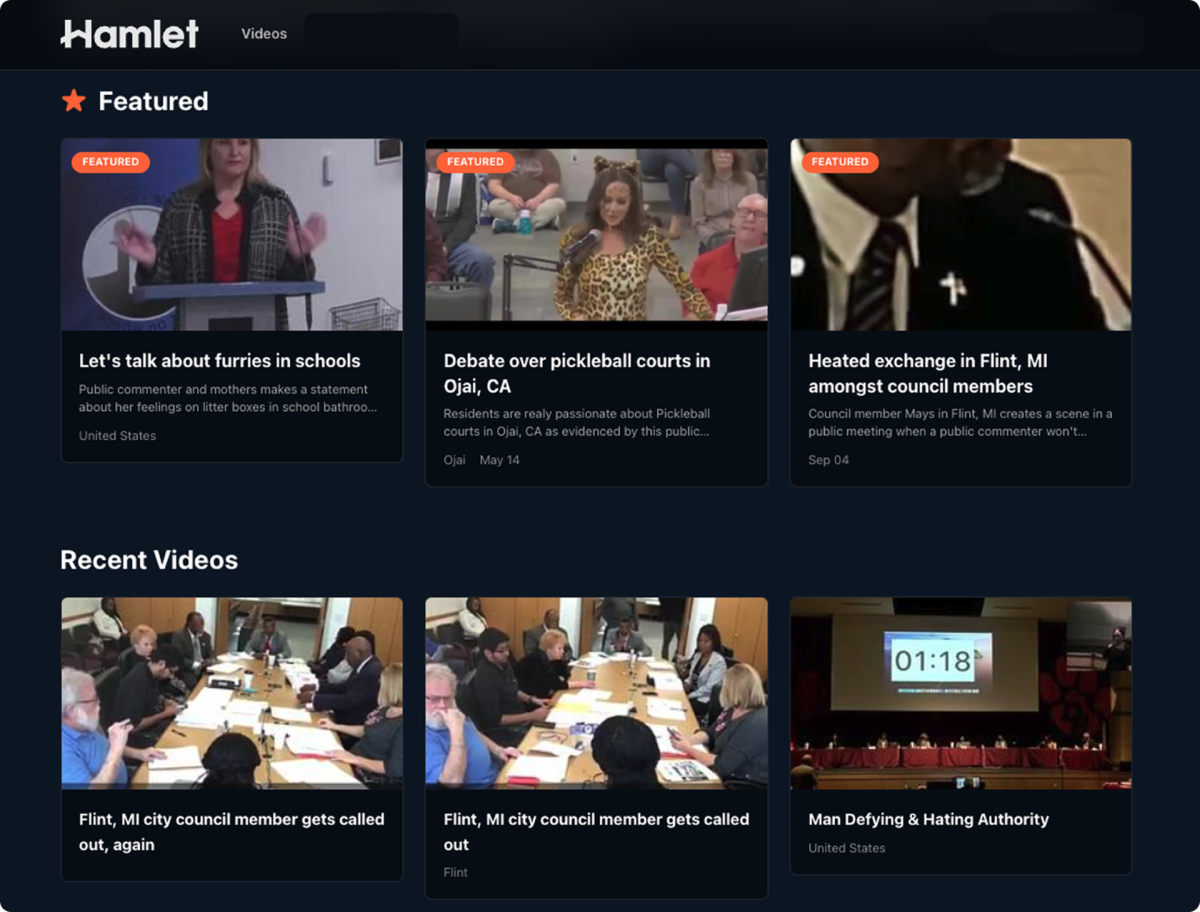
In a groundbreaking move that exemplifies the fusion of technology, civic engagement, and business disruption, Sunil Rajaraman has launched Hamlet TV, a streaming platform designed to democratize access to local government proceedings. Building upon the initial idea rooted in his personal experience of running for city council in a small California town, Rajaraman recognized a critical gap—the opacity and inaccessibility of municipal meetings. His company leverages advanced artificial intelligence (AI) to transform hours of city council videos into actionable intelligence, disrupting traditional legislative transparency and setting a new standard for civic accountability.

This innovative approach is not merely about convenience; it challenges entrenched industry norms. By processing and curating hours of recordings, Hamlet offers stakeholders—including local journalists, political actors, and private enterprise—the ability to search, analyze, and even receive alerts on relevant decisions or mentions. The platform’s features exemplify the potential for AI-driven data synthesis to revolutionize local governance transparency:

  • Real-time agenda tracking for target cities
  • Post-meeting summaries for efficient review
  • Searchable video archives to locate specific mentions or discussions

Industry analysts see Hamlet’s platform as a catalyst for market disruption—challenging the conventional meeting minute documents and increasing civic accountability through technology. Experts like Gartner emphasize that such innovations are pivotal in redefining how citizens and businesses interact with local governments, ultimately creating a more informed and engaged electorate.

Amplifying Civic Engagement Through Content and Community Building

Expanding beyond enterprise applications, Rajaraman’s strategy involves deploying Hamlet TV across various social media platforms, including TikTok, YouTube, Instagram, and AppleTV. This move underscores a broader trend of engaging younger audiences—those who are often disillusioned or disengaged from traditional civic processes. By showcasing highlight reels, humorous moments, and compelling stories from local meetings, Hamlet TV aims to make governance more accessible and relatable, a tactic that could redefine civic education and awareness.

Rajaraman stated that his team has processed thousands of hours of government meetings, curating moments that resonate with viewers—such as a city council meeting where a person dressed as a cockroach addressed pest issues. These instances reflect the platform’s potential to make civic proceedings compelling, an essential step in tackling what MIT researchers refer to as the ‘democracy deficit’. The focus on humor and human stories could significantly sway public perception, encouraging greater participation and oversight, vital as the social fabric of democracy faces mounting challenges.

Business Implications and Future Outlook

While Rajaraman admits that Hamlet may not become a dominant revenue generator, the broader business implications are unmistakable. By offering tools to local journalists and advocacy groups for free, his emphasis remains on creating a civic tech ecosystem that fosters transparency and accountability—traits critical in an era of increasing misinformation and political apathy. Moreover, plans to collaborate with entities in government affairs, advocacy organizations, and renewable energy sectors reflect an understanding that technology-driven transparency can translate into tangible policy and economic impacts.

Looking ahead, industry leaders like Elon Musk and Peter Thiel have long advocated for disruptive technologies that reimagine societal structures. Hamlet’s innovative approach aligns with this vision—disrupting the status quo and empowering citizens at the ground level. As AI and data analytics continue to evolve, the potential for such platforms to influence market behavior, regulatory policies, and democratic participation is immense. The key will be scaling these innovations quickly enough to keep pace with the fast-changing political landscape, making timely information the new currency of effective governance. The urgency to embrace such technological disruption has never been greater, setting the stage for a future where transparency and civic engagement are propelled by the relentless march of innovation.

Next Gen Stars Shine: Young Athletes Take Center Stage in Thrilling Championship Showdown!

Lions Leave Cowboys Reeling in High-Stakes Showdown

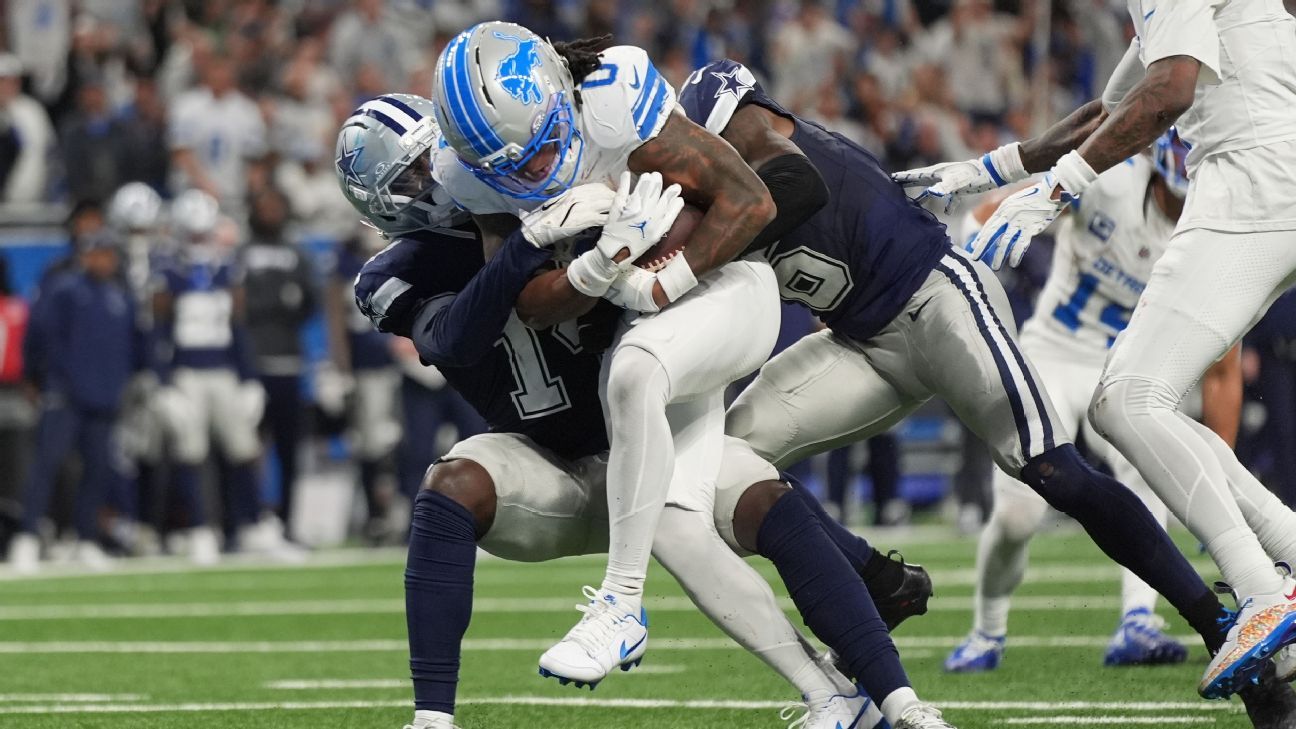
In a pivotal match that could shape the future of both teams, the Detroit Lions decisively defeated the Dallas Cowboys this past weekend. This victory not only enhanced the Lions’ playoff chances but also dealt a significant blow to the Cowboys’ postseason aspirations. With each passing week, every game becomes crucial, and this recent clash was no exception.

From the outset, the game showcased the intense competitive spirit that characterizes both franchises. The Lions established their dominance early, with key plays that set the tone. Undefeated at home this season, the Lions exhibited a ferocious defense that stifled the Cowboys’ offensive attempts. Coach Dan Campbell expressed his pride, commenting, “This was a statement game for us. We proved we are not just contenders; we are here to compete for the title.” Indeed, the Lions’ performance was marked by lightning-quick offensive drives and an impenetrable defense.

The Cowboys, under pressure to perform, struggled to find their rhythm. According to statistics, they managed only a scant two touchdowns throughout the game, illustrating a failure to capitalize on scoring opportunities. Coach Mike McCarthy acknowledged the team’s challenges, stating post-game that, “We need to regroup and refocus. The playoffs are still in reach, but we have to take this one game at a time.” The defeat leaves the Cowboys with a daunting path ahead as they fight to regain their footing in the playoff race.

  • Lions’ defense allowed only 14 points, showing one of the best performances of the season.
  • Cowboys’ quarterback threw for under 200 yards, showcasing their offensive struggles.
  • Player Highlights: The Lions’ star running back rushed for over 100 yards, contributing significantly to the victory.

As fans reflect on this compelling matchup, one fact remains clear—sports transcend the scoreboard. Football, in its essence, represents far more than just wins and losses; it is a unifying force that brings together communities, families, and friends. In the heat of competition, players and coaches alike embody resilience, demonstrating that every setback builds character, and every triumph ignites hope. Whether cheering for the Lions or the Cowboys, the spirit of the game continues to inspire and connect us all.

Source link

Next Gen Stars Shine Bright: Rising Talents Set to Redefine the Game

Chauncey Billups Pleads Not Guilty in Poker Game Controversy

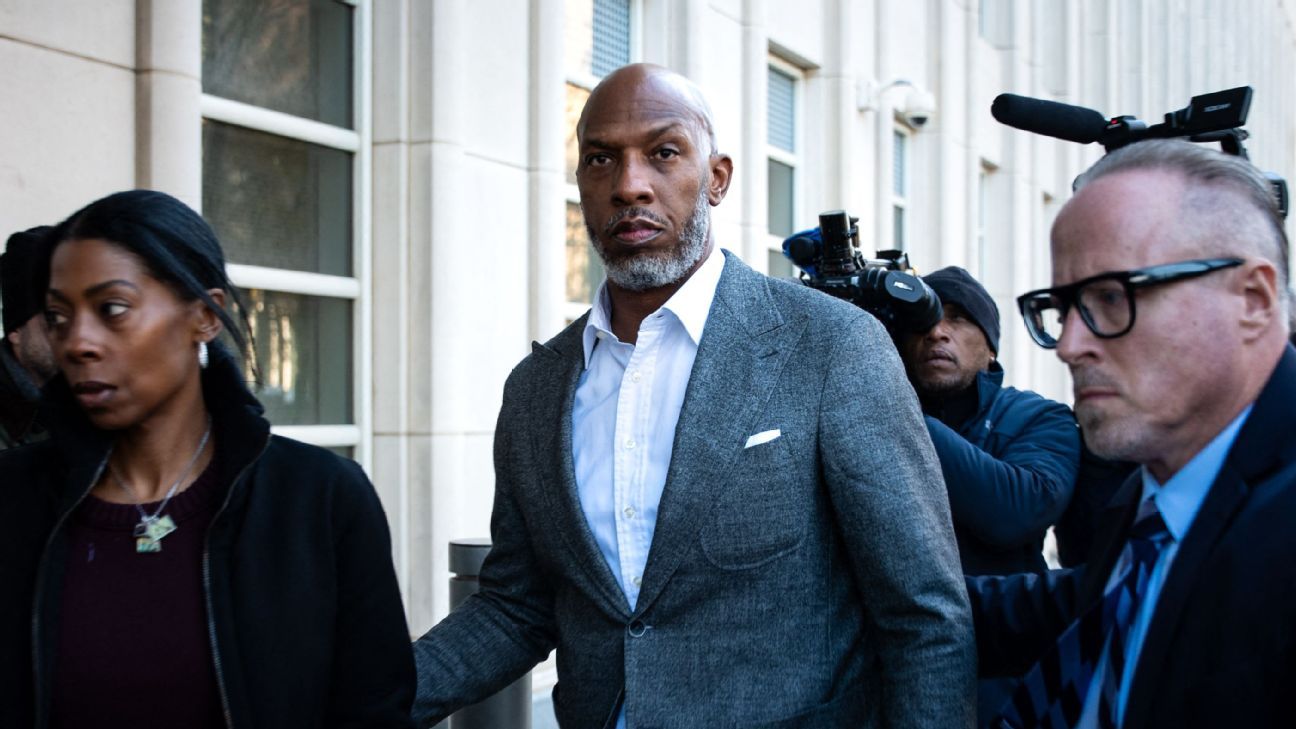
In a stunning turn of events that has captured the attention of the sports community, Trail Blazers head coach and Hall of Famer Chauncey Billups has pleaded not guilty to charges related to his alleged involvement in rigged poker games with Mafia figures. The incident raises serious questions not only about the integrity of the former player’s off-the-court actions but also about the broader implications for the sport.

On Monday, Billups was released on a $5 million bond following his arraignment. His legal team has asserted that he is innocent, framing the allegations as a misunderstanding that misrepresents his character. “This is just a mischaracterization of the events,” stated Billups’ attorney, emphasizing the coach’s strong reputation in the basketball community. As a player, Billups has been celebrated for his sportsmanship and integrity, making this situation all the more shocking.

As the details continue to unfold, many sports analysts and commentators are weighing in on the ramifications this could have on Billups’ career. Notable NBA analyst Stephen A. Smith remarked, “The impact on the Trail Blazers may not just be off the court; this could influence how players and fans view the franchise.” The concern is palpable—will this shadow his coaching legacy and the team’s prospects going forward?

  • Chauncey Billups‘ playing credentials include being a 5-time All-Star and the 2004 NBA Finals MVP.
  • The allegations surrounding the poker games involve connections to known organized crime figures.
  • Billups’ coaching tenure with the Trail Blazers has shown promise, but this scandal poses an immediate threat to his leadership.

While the outcome of this case remains to be seen, Billups’ situation serves as a stark reminder of the complexity of sports figures and their off-court lives. Basketball, much like any sport, is an arena where the line between public persona and personal actions can blur. As fans rally behind their teams, it is essential to recognize that sports often serve as a unifying force, transcending the scoreboard and creating a sense of community even in turbulent times.

Source link

Walmart Black Friday 2025: Prime Deals, Opening Hours & Must-See Highlights for Millennials and Gen Z

Black Friday Trends: Walmart’s Power Play and the Future of Consumer Culture

In an era where consumer behavior is continually evolving, the age-old ritual of Black Friday shopping remains at the forefront of American lifestyle trends. This year, a notable shift is unfolding, driven by a combination of digital innovation and strategic retail campaigns. Walmart, for instance, has positioned itself as a dominant force during this retail frenzy, offering early access and significant discounts that reinforce its social relevance. As shoppers gear up for the biggest retail event of the year, it’s clear that the cultural impact of these shopping extravaganzas extends beyond mere transactions—they serve as a reflection of societal values, technological adaptation, and even generational identity.

While Amazon has long been the reigning online retail giant, in-person shopping at Walmart remains a deeply ingrained tradition for many Americans. The retailer’s strategic timing, with stores opening as early as 6 am on Black Friday, caters to the youthful desire for immediate gratification and hands-on engagement. Walmart’s online deals, coupled with their in-store availability, create a hybrid shopping experience that appeals across generations, especially among younger consumers who view physical stores as social hubs as much as transactional spaces. Influencers and sociologists such as Dr. Emily Lyons note that this blending of online and offline shopping reflects a broader societal shift in behavior, where convenience, community, and immediate access are central to the modern lifestyle.

Leading into the event, Walmart’s recent sneak peek from November 14-16 showcased their intent to attract attention with massive discounts—some slashing prices by up to 50% on flagship products like electronics, fitness trackers, and household gadgets. The attention-grabbing promotions, such as discounts on Walmart+ memberships, not only incentivize consumer loyalty but also reinforce the trend of subscription-based, premium shopping experiences. This strategic move underscores a larger societal shift toward valuing exclusivity and perceived technological prowess. Importantly, these campaigns are more than just sales—they are social signals, allowing young consumers to demonstrate their savvy shopping skills and their ability to capitalize on emerging trends, establishing an online identity rooted in consumer savvy.

The social relevance of Black Friday branding extends into viral marketing, with influencers sharing their haul videos and shopping tips across social platforms, embedding these retail moments into the fabric of youth culture. The top picks—such as the massive discounts on high-end TVs, Apple products, and gaming gear—are becoming more than just products; they serve as symbols of status and tech-savviness. Market analysts forecast that this trend of blending digital deals with in-store exclusives will continue to grow, further solidifying retail’s role as a cultural cornerstone for the younger generation. Yet, as we celebrate massive savings, a question looms: how long can this dance of consumerism last before societal values begin to shift away from materialism and toward more sustainable or community-centered priorities?

The Next Big Question

As the lines between online and offline shopping blur and retailers like Walmart adapt to the shifting landscape, one must ask: is this synchronized push for consumption a sign of cultural resilience or a bubble waiting to burst? With emerging technological trends such as AI-driven personalized shopping and the rise of sustainable consumerism, the future of Black Friday—and American consumer culture—may be heading toward a fascinating crossroads. Will future generations redefine shopping from a mere transactional activity into a more meaningful, less material-driven social experience? Only time will tell, but the next big question readers should be pondering is whether the next wave of retail evolution will foster genuine community or reinforce superficial social signals rooted in material wealth.

Next Gen Stars Shine in Latest Youth Sports Showcase: Future of Athletics Unveiled!

Week 12: A Throwback Week in the NFL

As Week 12 of the NFL season unfolds, it has become evident that nostalgia is leading the charge in the league. Fans are treated to a series of exciting matchups reminiscent of classic games, and key players are stepping up to showcase their talent. The spotlight is on traditional powerhouses and underdogs alike, creating a captivating atmosphere filled with enthusiasm.

Highlighting this Week 12 resurgence is the impressive performance of the Green Bay Packers against the Chicago Bears. The historical rivalry reignited as the Packers secured a last-minute victory with a stunning touchdown that sent the Lambeau Field crowd into a frenzy. Quarterback Aaron Rodgers showed that experience and skill still reign supreme, throwing for over 300 yards and two touchdowns. As commentator and former player Tony Romo remarked, “This is what football is all about—intensity, skill, and a deep-rooted tradition.”

Other memorable moments from this week include the ongoing emergence of rookie sensations. The New England Patriots managed a narrow win against the Miami Dolphins, largely due to the electrifying performance of rookie running back James Cook, who rushed for over 150 yards. An analyst from ESPN noted, “Young players like Cook are reshaping the future of the NFL, bringing excitement and freshness to the game.”

When analyzing the match highlights, three key takeaways stand out:

  • Pittsburgh Steelers defense proved formidable against the Cleveland Browns, recording several crucial interceptions.
  • The Kansas City Chiefs displayed their offensive prowess by outscoring the Los Angeles Chargers in a thrilling shootout.
  • Rivalries intensified, as every game showcased the depth of competition and the relentless spirit of teams vying for playoff spots.

As this season reaches its climax, one thing is abundantly clear—sports transcend mere competition. Week 12 serves as a reminder that these battles unite fans and players, intertwining community and passion. The roar of the crowd, the strategic coaching decisions, and the sheer willpower of athletes inspire hope and camaraderie. In a world often divided, football continues to be a universal language that brings people together—not just for the love of the game, but for the stories, dreams, and unyielding desire to succeed that sports represent.

Source link

Social Media Auto Publish Powered By : XYZScripts.com