Matox News

Truth Over Trends, always!

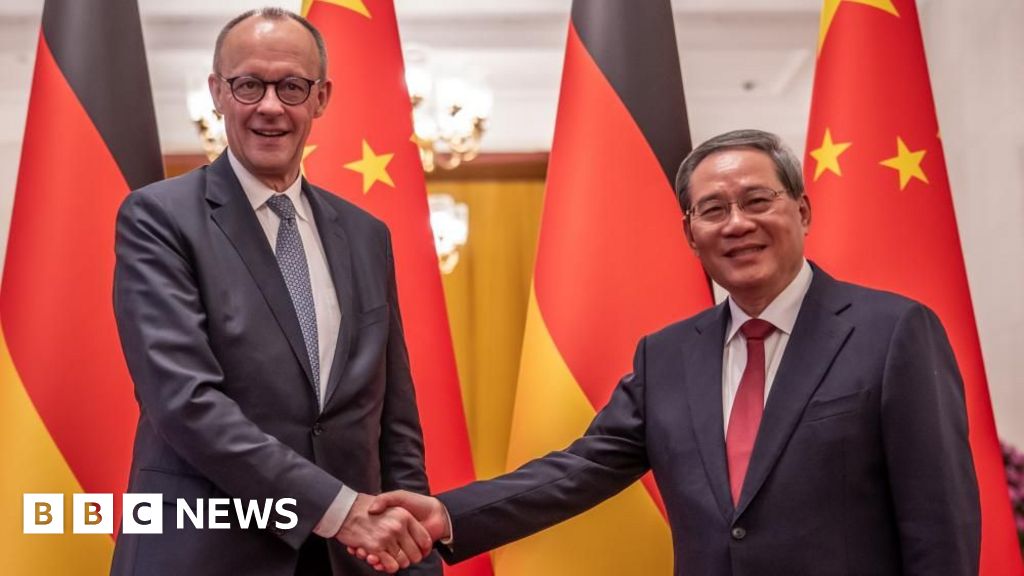
German Chancellor warns of growing trade gap with China on first Beijing visit

In a significant development amid shifting international trade dynamics, German business groups have issued a pointed appeal to Friedrich Merz, demanding a clear and decisive stance towards China’s economic practices. This move underscores growing concerns within Europe about the strategic risks posed by China’s expanding influence in global markets and the need for coherent policies to safeguard national interests. As tensions over trade competition, export controls, and technological sovereignty escalate, the call from industry leaders signals a potential turning point in Europe’s approach to balancing economic relations with China.

Under Germany’s increasingly complex geopolitical landscape, business sectors are warning that ambiguous or lenient policies could underminet the competitive edge of European firms, particularly in key sectors such as technology, manufacturing, and telecommunications. Analysts suggest that the European Union’s future approach may be pivotal in shaping global power dynamics. The pressure on Merz, the leader of the opposition, reflects broader debates within Germany—Europe’s economic powerhouse—about how to maintain a strategic and independent stance amidst rising U.S.-China tensions. Moreover, this call aligns with European efforts to reinforce export controls, safeguard technology, and counteract economic coercion, which many see as essential in preventing China’s market dominance from eroding Europe’s technological sovereignty.

Historically, decisions on trade and diplomacy have an enduring impact on national security, societal stability, and international rankings. The stance taken by Germany’s politische and business elites will likely influence the broader European Union’s foreign policy direction. Recent reports from international organizations, including the World Trade Organization, suggest that such moves could provoke retaliatory measures from Beijing, adding risk to European export-dependent economies. Meanwhile, U.S. policymakers, keen on coalition-building with European allies, are watching these developments with a mix of interest and apprehension, recognizing that the collective stance will shape how the Western bloc resists China’s strategic ambitions.

As critics warn of the potential for economic decoupling and diplomatic rupture, the words of historians and analysts carry increasing weight. Many caution that reckoning with China’s rise involves more than tariffs and export controls; it requires a deliberate, principled strategy that considers the societal and geopolitical repercussions for generations to come. The decisions made today could determine whether Europe remains a unified, resilient power or whether it succumbs to fragmentation and dependency. With Merkel’s legacy fading and a new chapter in global diplomacy emerging, the weight of history presses upon leaders to act decisively. In this unfolding saga of power, influence, and sovereignty, the future hangs in the balance—a testament to the enduring importance of strategic foresight in a rapidly changing world.

German Farm Dumps Millions of Potatoes After Record-Breaking Harvest—Chips Anyone?

Global Effort Marks a Pivotal Moment in Food Security: The “Great Potato Rescue”

In an era defined by geopolitical tensions and food security concerns, the international community has launched an unprecedented initiative dubbed the “Great Potato Rescue”. This operation aims to prevent a burgeoning surplus of potatoes from going to waste, emphasizing the rising importance of agricultural resilience and resource management in an uncertain global landscape. Developed in response to recent supply chain disruptions and climate volatility, the effort underscores a broader shift in how nations prioritize their food sovereignty and economic stability.

While the immediate goal centers around preserving a key staple crop, the broader implications extend into the fabric of international relations and economic stability. The initiative involves a coordinated effort among European nations, North American allies, and Asian partners, each contributing resources and expertise to safeguard a crucial food source. According to analysts from the World Food Programme, this operation is more than just a food rescue; it is a strategic move that reflects the geopolitical significance of controlling agricultural yields in a world where supply lines are increasingly fragile. Failures or successes in such efforts will influence global food prices, stability, and diplomatic relations, with ripple effects extending well beyond the farm fields.

The Context: From Climate Challenges to Geopolitical Tensions

The “Great Potato Rescue” arrives amidst a backdrop of intensifying climate challenges, which have already strained cultivation zones across Europe and North America. Unseasonal weather, droughts, and flooding have compromised harvests, prompting policymakers and farmers to seek innovative solutions. However, critics warn that such measures must be coupled with long-term climate policies rather than solely short-term fixes. Meanwhile, global political conflicts—ranging from trade disputes to territorial tensions—further complicate the food security landscape. Some experts, including renowned historian Dr. Michael Hastings, caution that global efforts to secure essential resources like potatoes could inadvertently escalate geopolitical competitions, especially if access becomes a bargaining chip in diplomatic negotiations.

The Strategic Significance of Potatoes

The potato, often regarded as a humble staple, now sits at the center of a high-stakes international security game. As food analysts highlight, such staple crops are critical in maintaining societal stability, particularly in regions vulnerable to famine and social unrest. Countries with dominant agricultural sectors, such as Russia and the United States, are actively engaged in safeguarding their food supplies, recognizing that control over staple crops translates directly into geopolitical influence. This rescue effort underscores a fundamental truth in contemporary geopolitics: access to reliable food sources is as vital as control of strategic military assets.

Global Implications and Future Outlook

  • In the short term, the “Great Potato Rescue” offers a blueprint for how nations can collaboratively address surplus issues while strengthening food security policies.
  • In the long term, it signals a shift toward more proactive resource management and international cooperation—elements essential to navigating a rapidly changing geopolitical landscape.
  • Failure to manage such crises effectively could strengthen nationalist rhetoric and disrupt global supply chains further, risking a return to resource competition reminiscent of past conflicts.

As history unfolds, the world watches what might seem a simple agricultural effort—a symbol of resilience in challenging times. Yet beneath the surface, it epitomizes the delicate dance of international power, resource control, and societal stability. With each spud saved from the bin, a new chapter in global history is written—an enduring reminder that in the ever-shifting landscape of geopolitics, even the humble potato can become a weapon, a symbol, or a savior.

Five suspects detained over plan to target German Christmas market

In a significant display of resilience and vigilant security measures, Germany thwarted an Islamist plot aimed at unleashing violence during one of its most cherished traditions — the Christmas market. Five men, comprising three Moroccans, an Egyptian, and a Syrian, were detained last Friday in the southern Bavarian state, suspected of conspiring or actively participating in a plan to ram a vehicle into festive crowds. Authorities underlined the Islamist motive behind this plot, reaffirming ongoing concerns about the resurgence of extremist threats amid a complex geopolitical landscape.

Prosecutors disclosed that the Egyptian suspect, a 56-year-old imam linked to a local mosque, allegedly called for a vehicle attack with the explicit goal of causing maximum casualties. Meanwhile, the Moroccan suspects, aged 22, 28, and 30, purportedly agreed to execute the attack, with the 37-year-old Syrian being accused of encouraging the others in their sinister intent. The detail that the Egyptian imam might have played a role in radicalization underscores a broader debate within Europe about religious extremism and the integration failures that facilitate such plots. While authorities did not specify the exact timing or the precise location of the planned assault, intelligence linked it to an area northeast of Munich—Dingolfing-Landau—heightening fears of a coordinated attack during an already sensitive season.

Germany’s robust security response highlights the heightened alertness following a history of Islamist violence against Christmas markets, including the deadly attack in Berlin in 2016, which claimed twelve lives. The swift cooperation between security agencies, as noted by Bavaria’s Interior Minister Joachim Herrmann, showcases a proactive stance against these threats. Yet, this incident also starkly reveals how international jihadi networks continue to pose a destabilizing influence across Europe, requiring persistent vigilance and intelligence-sharing. Analysts warn that temporary security gains must be reinforced with more effective counter-radicalization efforts, especially within integrated communities where extremist rhetoric sometimes still finds fertile ground.

The geopolitical impact of this thwarted attack extends beyond Germany’s borders, serving as a stark reminder of how international and regional conflicts—such as the destabilization in parts of the Middle East—fuel global terrorism. The incident underscores the persistent threat that radicalized fighters and ideologues from North Africa and Near East pose to Western societies and their values. International organizations, including the United Nations, have consistently called for coordinated efforts to combat extremism, but critics argue that such measures often fall short of addressing the root causes.

As nations grapple with their internal security challenges, the unfolding story of this attempted attack serves as a vivid reminder that the frontlines of radical Islam are as much ideological as they are geographical. History’s historians and security experts caution that today’s efforts to prevent such plots may only buy a temporary reprieve. The weight of this warning hangs heavy as Europe stands at a crossroads: will it succumb to fear and overreach, or will it forge a new path towards understanding and resilience? As the world watches and the shadows of history lengthen, one truth remains undeniable—the battle for society’s soul, and the integrity of its physical boundaries, is far from over.

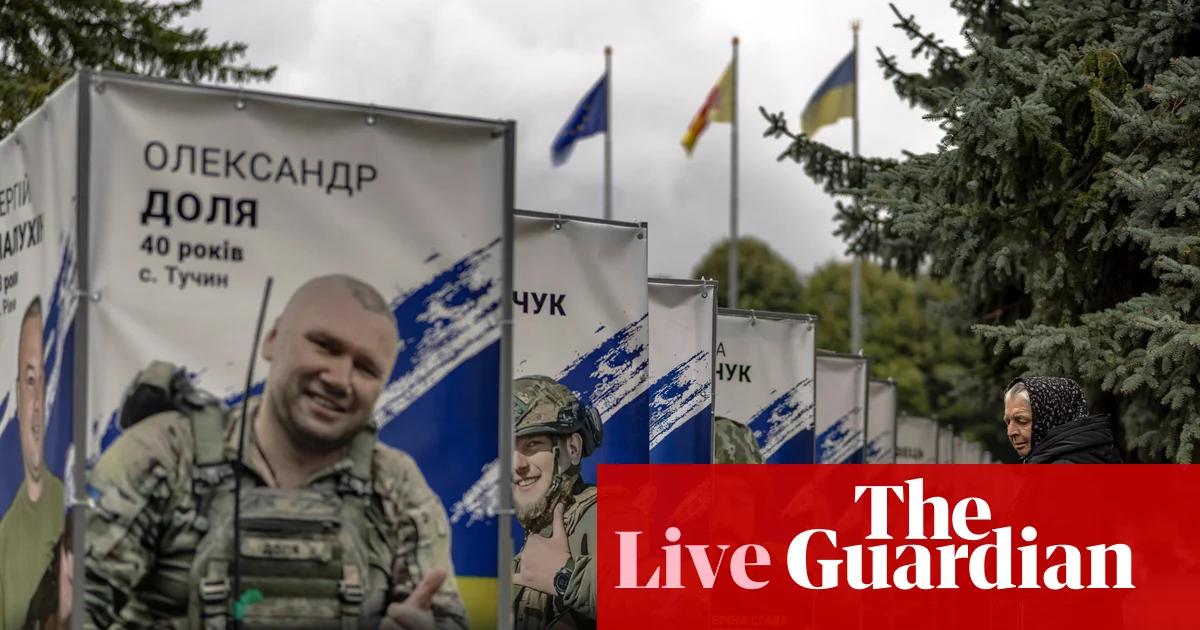
German Chancellor warns leaders: Ukraine decisions now will shape Europe's future — live updates
German Chancellor warns leaders: Ukraine decisions now will shape Europe’s future — live updates

In an era marked by escalating tensions and shifting alliances, Europe’s security landscape has been dramatically reshaped by recent developments between NATO members and Russia. The strategic move by Norway to bolster its defenses through a groundbreaking deal with the UK exemplifies the renewed focus on undersea warfare and infrastructural resilience. Norwegian Prime Minister Jonas Gahr Støre recently visited London to formalize a pact aimed at “hunting Russian submarines” and safeguarding vital undersea cables—lifelines of modern communication and energy—highlighting the mounting threat Russia poses beneath the waves. This new accord, symbolically named “Lunna House,” pays homage to covert WWII operations, but today signifies a modern response to Russia’s assertiveness in the Arctic and North Atlantic domains.

The geopolitical impact of this alliance extends beyond bilateral cooperation. It underscores a broader NATO strategy to counter Moscow’s influence, especially as Vladimir Putin describes ongoing Ukraine peace negotiations as “necessary,” yet riddled with “unacceptable” proposals. The Russian leader’s cautious endorsement of these talks reflects Moscow’s recognition of the economic and military pressures intensifying from Western allies. Meanwhile, key NATO players, particularly Germany and France, are urging unity in the face of an aggressive Russia, with German Chancellor Friedrich Merz warning that the decisions made today “will decide Europe’s future” amid fears of imperialist ambitions from the Kremlin.

Adding layers to this geopolitical chessboard, France’s Emmanuel Macron recently engaged in high-stakes diplomacy with Xi Jinping of China. During his visit to Beijing, Macron emphasized the importance of cooperation to “end the war in Ukraine” and foster economic and environmental stability. This move is part of a broader French effort to shore up its influence and secure commercial advantages in a global arena increasingly polarized by U.S.-China rivalry. Meanwhile, China, positioning itself as a “reliable partner,” seeks to navigate trade frictions with the EU while presenting an alternative global market, even amidst tensions over its subsidized electric vehicle industry. The international stage is thus set for a complex web of diplomacy, with European leaders caught in the crossfire of Russia’s eastern ambitions and China’s rising global influence, both vying for strategic dominance.

The American perspective remains sharply divided, as former President Donald Trump suggests that Moscow’s recent peace negotiations are “reasonably good,” indicating that Putin may prefer a deal under current circumstances. Yet, the uncertainty over what comes next underscores a fragile international order, with US and European policymakers unsure whether diplomacy can contain an increasingly aggressive Russia. And with the European Union embroiled in debates over the fate of frozen Russian assets—some nations, like Belgium, resisting the EU’s proposals—an internal fracture threatens to undermine collective resolve. The EU leaders are working desperately to reach consensus in the upcoming summit, aware that their decisions could have long-lasting consequences for the continent’s geopolitical future.

As the world watches these unfolding events, the shadow of history looms large. Each alliance forged, each negotiation held, echoes past conflicts and silent struggles for dominance. The relentless march of history has brought us to a precipice, where today’s choices could define generations. With Europe’s destiny hanging in the balance and the great powers maneuvering beneath the surface, one thing remains clear: the voyage through this turbulent era is far from over, and the tides of geopolitics continue to forge a new chapter—one that history will either laud or condemn.

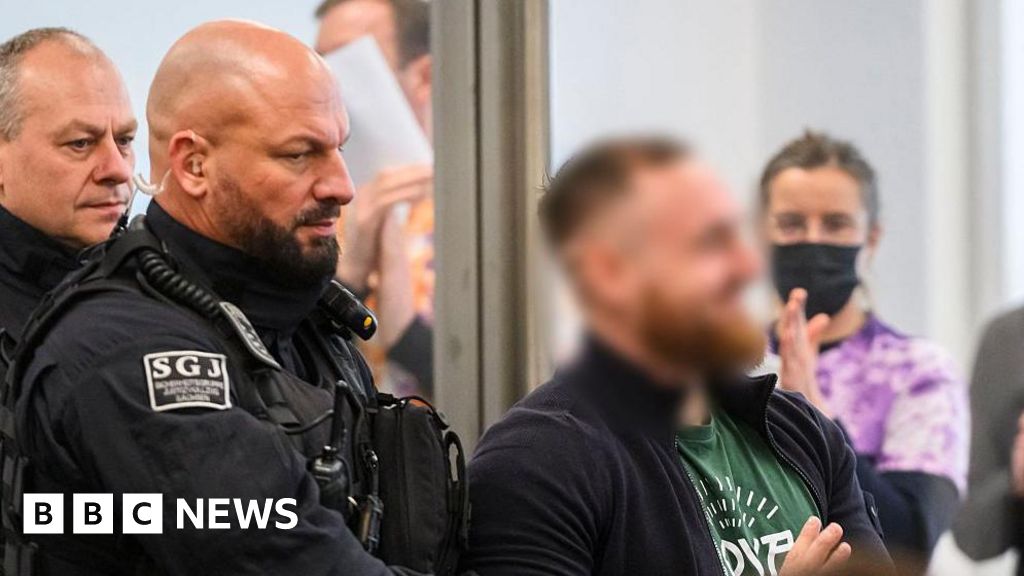
German 'Hammer Gang' Trial Targets Communist Extremists Behind Violence
German ‘Hammer Gang’ Trial Targets Communist Extremists Behind Violence

Germany Faces Critical Point in Fight Against Extremism as Trial Unfolds

In a landmark case unfolding in Dresden, seven individuals are on trial accused of membership and support for Antifa Ost, a militant, far-left extremist organization labeled as a terrorist group by the United States. This trial not only exposes the brutal tactics employed by the suspects—including attempted murder, severe assaults, and property damage—but also signals a shifting tide in Europe’s ongoing struggle against violent political extremism. As this case garners international attention, it underscores the geopolitical impact of domestic radical groups and how their violence influences broader security policies across borders.

Extremism’s Cross-Border Reach and Political Ramifications

  • Antifa Ost, founded in late 2017 or early 2018, allegedly orchestrated attacks targeting those perceived as part of right-wing circles in Germany and Budapest. Prosecutors allege meticulous planning, including spying on targets and launching violent assaults with hammers and batons, causing severe injuries.
  • The US government’s decision to designate Antifa Ost as a terrorist organization earlier this month marks a significant escalation in its crackdown on extreme-left affiliated groups, aligning with a broader geopolitical trend. Some analysts see this move as a response to mounting concerns over violent extremism destabilizing democratic societies.
  • Moreover, the AfD, Germany’s far-right party, publicly welcomed the US designation, arguing that Antifa and similar groups pose a threat to national security. Stephan Brandner explicitly called on the German government to follow suit, warning that without decisive action, radical left-wing violence could undermine societal cohesion.

How These Decisions Reshape European Security Policies

International organizations, including Interpol and EU security agencies, have closely monitored organizations like Antifa Ost amid fears of escalating violence. The trial in Dresden and the U.S. classification reflect a turning point in how nations treat domestic terrorism—particularly ideologically driven violence—by blurring the lines between political activism and criminality. Historians and security analysts warn that such shifts could lead to increased government overreach, yet they acknowledge that leaving these groups unchallenged risks societal upheaval.

The global community observes that this case presents a broader lesson about the importance of strength and vigilance in the face of extremist ideologies. As each nation grapples with its own radical factions, the world watches to see if Germany and allies will adopt a more proactive stance in banning and dismantling these dangerous groups. The trial is not merely about justice for those victims but a mirror held up to Europe’s collective responsibility to preserve order and safeguard constitutional values amid a rising tide of violence.

Fate of a Continent at a Crossroads

As the trial continues, the atmosphere grows tense with unspecified warnings of potential retaliation or escalation. Germany, with its history deeply rooted in conflict and resilience, now faces tensions that threaten to ignite again if radical groups gain ground. The shadow of historic conflicts looms, urging a cautious but firm stance. Political leaders, security forces, and international partners must decide—will they confront this burgeoning wave of extremism with conviction or risk losing the fragile fabric of societal harmony? The unfolding narrative remains a stark reminder that history is rarely linear, and the future of Europe’s safety hinges on the decisions made today.

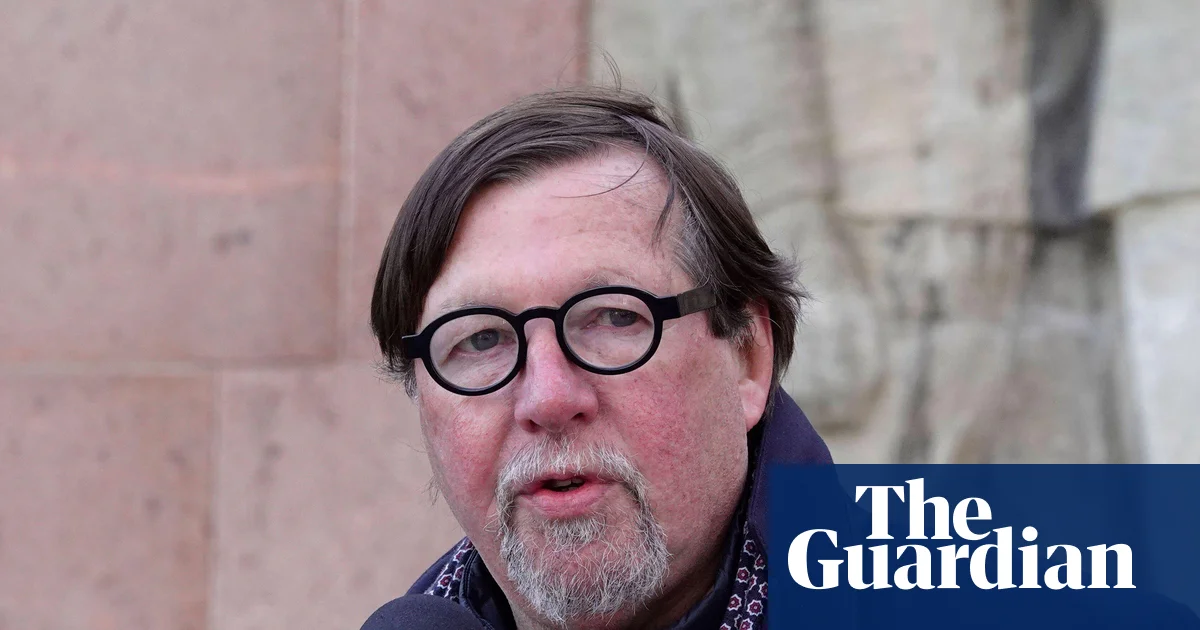
German acting legend Udo Kier, iconic star from indie to blockbuster, passes at 81

As the world stands at a pivotal juncture, it is vital to recognize how history’s chessboard continues to shift beneath our feet. Recent events serve as stark reminders that international decisions—ranging from military interventions to economic treaties—carry consequences that ripple through societies and shape the geopolitical landscape. The actions of major powers today echo the lessons of the past, emphasizing that the true cost of inaction or miscalculation can be measured not just in diplomatic terms, but in the loss of human lives and enduring societal upheaval. Organizations like the United Nations have long proclaimed the importance of diplomacy, yet their efficacy remains questioned amidst ongoing global destabilization, revealing a stark disconnect between rhetoric and reality.

The struggle over influence and sovereignty continues unabated, with recent conflicts exposing how fragile peace truly is. From the resurgence of regional conflicts to the contentious negotiations over trade and security agreements, the dynamic underscores that every alliance, every ceasefire, and every policy shift is a double-edged sword. Historians and analysts warn that such decisions often serve as turning points—defining nations’ futures. For instance, some argue that the breakdown of longstanding treaties accelerates the descent into chaos, echoing the diplomatic failures leading to the Second World War. In today’s interconnected world, any misstep has immediate consequences—affecting global markets, fueling refugee crises, and threatening democratic stability. Governments must internalize the lessons of history, understanding that the decisions made in the corridors of power today are often the catalysts for tomorrow’s widespread unrest.

Within this complex matrix, international institutions are called to task for their role—or lack thereof. Many see organizations like the European Union and NATO as crucial stabilizing forces; however, their effectiveness is often undermined by internal disagreements and external pressures. Meanwhile, emerging powers are recalibrating their strategies, challenging the existing international order. How nations navigate these choppy waters will determine whether the future is marked by cooperation or conflict. Experts caution that the mounting geopolitical tensions could result in a new global era characterized by power struggles reminiscent of Cold War rivalries. Yet, beyond the strategic calculations are the societal devastations—homes destroyed, communities shattered, and lives unalterably changed. The weight of history insists that these choices are not made in a vacuum but are woven into the fabric of human destiny, compelling nations to face the enduring truth that peace remains the most fragile of illusions.

As the pages of history continue to turn, the world watches with bated breath. The delicate balance of power teeters on the brink, and the looming shadow of unresolved conflicts reminds humanity of its ongoing voyage through tumult and hope. The decisions taken today will echo through generations, etching new chapters in the annals of history. Will future scholars look back and see a world that learned from its past, or one doomed to repeat its worst mistakes? The answer lies in the choices made now—choices that will determine whether the dawn of a new era will be heralded by renewed cooperation or overshadowed by an inescapable descent into chaos. The unfolding story of geopolitics is far from over; it remains an indelible imprint on the canvas of human history, awaiting the final strokes of those in power who shape our destiny.

German Auction Halted Over Holocaust Artifact Sale Amid Backlash

In a development that has reverberated across international borders and reignited debates on morality and respect in the midst of ongoing geopolitical tensions, Poland and Germany have seemingly aligned in a rare display of diplomatic unity to halt an auction perceived as deeply offensive. The auction, scheduled to take place in Germany, involved the sale of hundreds of Holocaust artefacts—ranging from prisoner letters to Gestapo index cards—titled the “System of Terror.” Such items, which are invaluable historical records, are painfully intertwined with the suffering and loss experienced during one of the darkest chapters of European history. The decision to cancel this sale not only signifies a crucial stance against unethical commodification but also underscores the global responsibility to preserve Holocaust memory with dignity.

The coordinated effort was spearheaded after widespread public outcry, most notably from Holocaust survivors and human rights organizations. Historians and analysts have long warned about the dangerous normalization and trivialization of such artefacts when treated as commodities. The International Auschwitz Committee issued a piercing statement condemning the auction, emphasizing that these documents “belong to the families of victims” and should be preserved within museum and memorial contexts, rather than ending up in private collections for profit. The incident illustrates the tension between mercantile interests and the moral obligation to honor the victims of Nazi persecution,” threatening to diminish the significance of Holocaust remembrance in a Europe where nationalist rhetoric and revisionist narratives are resurging. It also showcases how international cooperation remains essential in confronting emerging threats to historical integrity.

The geopolitical impact of this incident reaches beyond mere auction cancellations. Poland, which has consistently underscored the importance of Holocaust education and remembrance, demonstrated diplomatic agility in working with Germany—a country still grappling with its Nazi past and tasked with confronting its history. This collaboration sends a message to the world that, even amidst rising populism and ideological discord, the collective memory of atrocities cannot be allowed to become a commodity. It also serves as a warning to international auction houses and private collectors: the moral price of profiting from history may be higher than expected. The incident has been closely analyzed by global institutions, with many linking it to broader concerns over the commercialization of historical trauma and the erosion of moral boundaries that safeguard human dignity.

As the dust settles on this controversy, it becomes clear that decisions made in the coming years will shape how societies stand in defense of their shared history. The cancellation of this auction is more than a single event; it is emblematic of a vital and ongoing debate about the role of nations and individuals in preserving the memory of suffering. With tensions simmering from Eastern Europe to Western capitals, the very fabric of history remains under threat—an unfolding chapter in the ongoing struggle to reconcile commerce with conscience. As historians warn of potential shifts in the moral landscape, the weight of history presses us all—reminding us that the future is forged by the choices of today, and that the echoes of the past are never truly silenced, but waiting for those brave enough to honor them with respect and integrity.

Inquest Confirms German Backpacker Simone Strobel Murder, Identity of Attacker Still Unknown

Unresolved Mysteries: The Continuing Saga of Simone Strobel’s Death

The recent ruling by New South Wales coroner Teresa O’Sullivan marks a significant, if still incomplete, chapter in the pursuit of justice for German backpacker Simone Strobel. Her death in 2005, long shrouded in uncertainty, has remained one of Australia’s most perplexing unresolved cases. The coroner’s findings, delivered after a comprehensive inquest that spanned nearly two decades, confirm that Strobel was murdered, yet crucial questions about who committed the act still hang in the balance. This development underscores how internationally significant criminal investigations often grapple with legal and procedural impediments that hinder resolution, especially when new evidence eludes authorities through mismatched DNA samples.

The investigation initially faced hurdles rooted in legislative changes. Notably, legislative reforms introduced in 2009 restrict coroners from issuing formal findings that directly implicate suspects in an offense, a change that the current coroner acknowledged restricts the scope of her conclusions. Despite an earlier inquest in 2007 hinting at a “very strong suspicion” of involvement by Strobel’s traveling companions, the latest inquiry dismissed these suspicions as unsupported by current evidence. Instead, the coroner accepted that her manner of death was as a homicide, but without identifying the perpetrator, highlighting the complex legal landscape that often complicates international cases where witnesses and evidence are elusive or ambiguous.

The tragic circumstances surrounding Strobel’s death illustrate the profound impact that international travel and youthful exploration can have—yet they also reveal how such freedom can sometimes turn tragic in the face of unresolved crimes. Her body was discovered concealed beneath palm fronds near a sports ground less than 100 meters from where she was last seen. Despite multiple investigations, police failed to identify her killer, a failure compounded by limited forensic matches—only now prompting the NSW police’s unsolved homicide team to revisit DNA evidence in hopes of breakthroughs. The case’s persistence underscores how vital international cooperation and forensic advancements are in solving cross-border crimes, and it raises questions about how many other cases languish due to jurisdictional gaps and resource constraints.

International organizations and experts have weighed in on the ongoing challenge. Dr. Erik Jensen, a renowned geopolitical analyst, emphasizes that cases like Strobel’s are emblematic of a larger pattern—where local justice systems intersect with global mobility. Many nations, he notes, are now contending with the “transnational ripple effects” of such unresolved crimes, which can threaten regional stability and societal trust. The question remains: how many unaccounted murders go unresolved because of legal limitations or insufficient evidence? As the world witnesses the emergence of new forensic techniques and combined international efforts, it becomes clear that justice in such cases is not merely about individual resolution but about affirming the rule of law in a fluid, interconnected world.

In a striking conclusion, the trail of Simone Strobel’s mysterious death continues to cast a long shadow over international justice efforts, revealing the enduring human and geopolitical cost of unresolved crimes. As authorities prepare to revisit DNA evidence and explore emerging investigative avenues, history holds its breath. Will this latest chapter mark a turning point in delivering justice—*or* will Simone’s story remain a haunting reminder of how some truths are delayed, and some stories remain unfinished, in the relentless march of history?

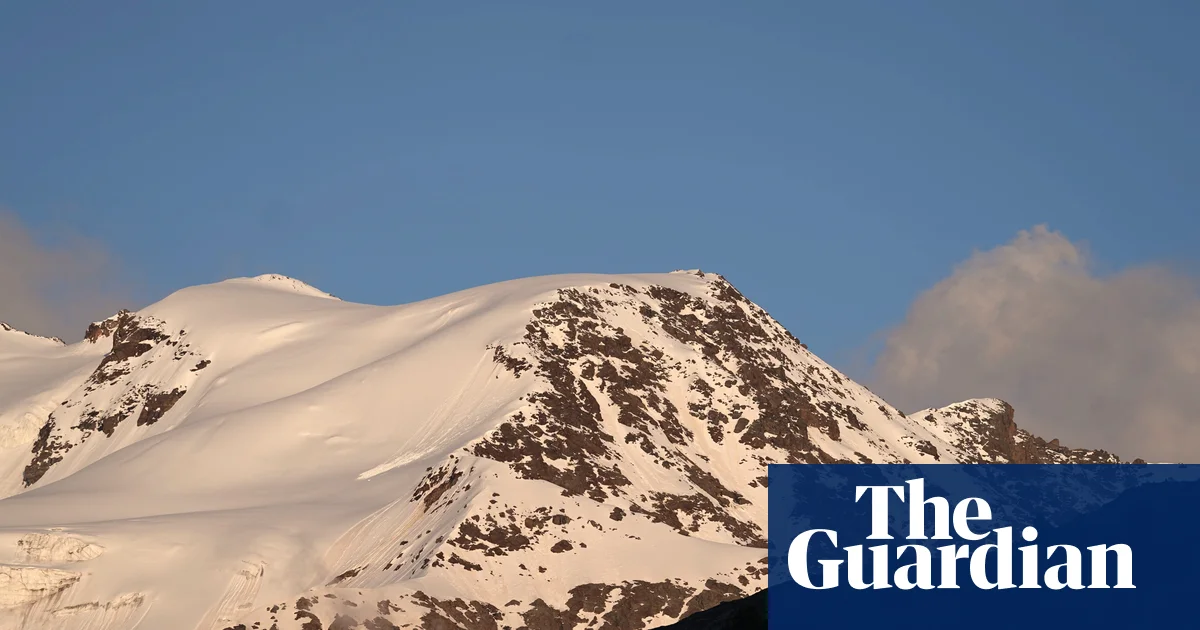
Five German climbers tragically killed in avalanche in northern Italy

The Italian Alps, long a playground for European thrill-seekers, have recently claimed another tragic chapter in their storied history of mountaineering accidents. Five German mountaineers lost their lives after being caught in a deadly avalanche near the summit of Cima Vertana in the Ortles mountain range. The harsh realities of the high-altitude environment and the increase in dangerous backcountry activities highlight a broader issue that resonates far beyond Italy’s borders.

Rescue authorities reported that the avalanche struck around 4 pm on a Saturday, an hour when many climbers are seeking to reach or descend from the peaks. The victims belonged to three separate groups, each pursuing their own ascent independently—an indication of the expanding appeal and accessibility of alpine mountaineering among amateurs from Germany and neighboring nations. The bodies of three hikers—two men and a woman—had been recovered by Saturday evening, while two others— a man and his 17-year-old daughter—were tragically found the following morning. The incident illustrates how a single event can cascade into a national tragedy, emphasizing how choices to pursue dangerous pursuits without regard for conditions can have fatal consequences.

This tragic event is not isolated but instead underscores a persistent risk that endures across the European mountain regions. Avalanche accidents remain a significant concern in the Italian Alps, where fatalities average higher than in other major ski nations over the past decade. According to international hazard assessments, these tragedies are often compounded by factors such as unpredictable weather, increased snowpack, and rising numbers of adventure tourism enthusiasts heading into remote, less-charted terrains. European mountaineering experts warn that the increase in accidents correlates with more adventurous tourists eager to exploit fresh snow—an unfortunate risk that highlights the ongoing struggle between human ambition and nature’s unforgiving power.

The geopolitical impact of such incidents extends beyond individual tragedies, stirring debates over safety regulations, tourism policies, and regional cooperation in mountain rescue operations. As the Alpine regions attract record numbers of visitors from across the continent—to boost local economies and foster international camaraderie—the responsibility to ensure safety becomes a shared issue among nations. European organizations, including the European Avalanche Warning Services and Mountaineering Federations, are increasingly calling for standardized safety protocols and better risk education, yet gaps persist in enforcement and resource allocation. Meanwhile, the Italian government and local authorities are under pressure to balance economic interests—such as tourism—with the imperative to protect lives in increasingly perilous environments.

International analysts point to a broader climate shift and changing weather patterns that threaten to escalate the frequency and severity of natural disasters in mountainous regions, making the call for international cooperation even more urgent. In the words of historians, such as John Lewis Gaddis, history often teaches that human hubris and underestimation of nature’s power can have profound consequences. The recent avalanche serves as a stark reminder that in regions where nature’s beauty masks its ruthlessness, decisions by a few can alter the course of history—not just for those directly involved, but for entire societies watching from afar. As rescue teams brace for more adverse weather conditions, the stories of these five mountaineers become part of a larger narrative—one of ambition, vulnerability, and the relentless call of the mountain, echoing across borders and generations, whispering that the unfolding story of our highlands remains unwritten, and the weight of history presses ever closer.”

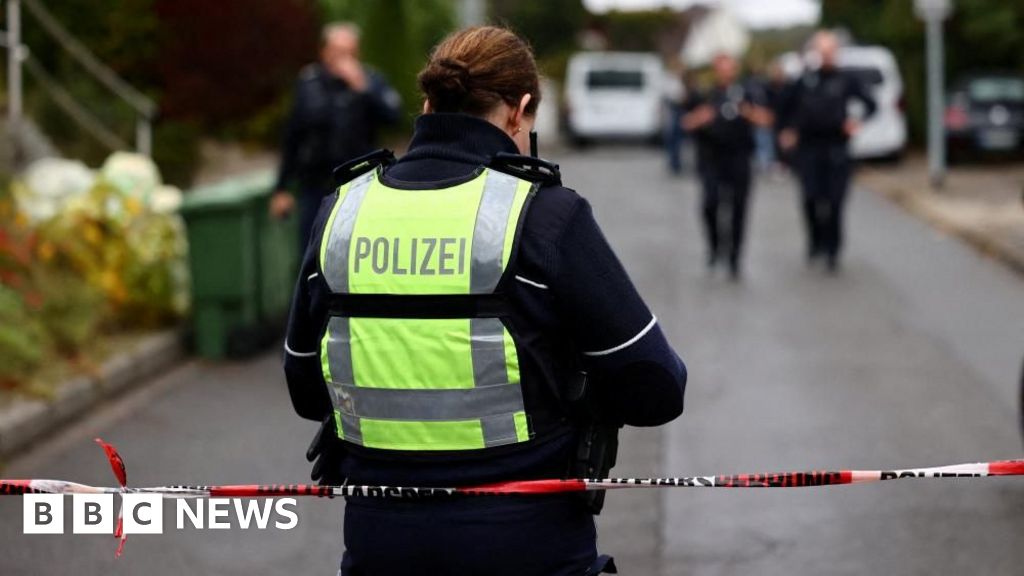
German mayor stabbed in attack, badly injured—police report sharp violence hitting the town

The recent assault on Iris Stalzer, the newly elected mayor of Herdecke in North-Rhine Westphalia, has sent shockwaves through the international community. The incident, which left the 57-year-old politician critically injured just near her home, underscores the fragile state of local political stability in parts of Germany. As police launch a sweeping investigation, the ramifications of this violent act resonate beyond the immediate community, raising alarms about the security faced by public officials in Europe amid rising polarization.

German Chancellor Friedrich Merz condemned what he called a “heinous act”, emphasizing the threat violence poses to democratic processes. His statement reflects a broader concern among international leaders and analysts, who warn that escalating domestic unrest could threaten the stability of democratic institutions. The attack has been linked to familial issues, with police considering a potential family connection in the crime, given the presence of Stalzer’s two adopted children at the scene and reports of domestic violence earlier this summer. Such revelations remind observers of the complex and often tragic intertwining of personal and political lives in today’s shaken social fabric.

The Social Democratic party (SPD), to which Stalzer belongs, expressed profound shock, emphasizing the dangers faced by political representatives who often find themselves vulnerable beyond the political arena. Officials disclosed that her children—a 17-year-old daughter and a 15-year-old son—made an emergency call, prompting a forensic investigation and police questioning. This incident spotlights the rising concerns about domestic issues within political families, which can sometimes become unpredictable flashpoints with national implications. As historians and cold-eyed analysts warn, such violent episodes threaten to undermine citizens’ faith in their leaders and the security of local governance, particularly in a Europe grappling with economic and social upheavals.

The international geopolitical impact of rising violence against politicians echoes far beyond Germany. With many nations confronting similar threats—whether driven by internal discord, ideological extremism, or other destabilizing forces—the attack on Mayor Stalzer might serve as a warning of a broader trend: the potential decline of civil discourse and an increase in political violence. These developments challenge the core principles of democracy and bring into focus how decisions made within political and security frameworks have profound effects on societal stability. The global community watches cautiously, aware that today’s local event could foreshadow larger crises with the power to reshape international order itself.

As the investigation unfolds and the world debates the implications, history offers a sobering perspective: acts of violence against political figures often mark turning points. They serve as stark reminders that while progress and stability may be built through cooperation and law, they are fragile and require constant defense. The shadows of history loom large, warning us that the ongoing struggle to preserve democratic ideals amid chaos remains a defining challenge of our era. With each chapter written in this unfolding saga, it becomes clear: the weight of history is not merely in the past, but in every decision that determines whether a society moves toward unity or descends into chaos.

Social Media Auto Publish Powered By : XYZScripts.com