Matox News

Truth Over Trends, always!

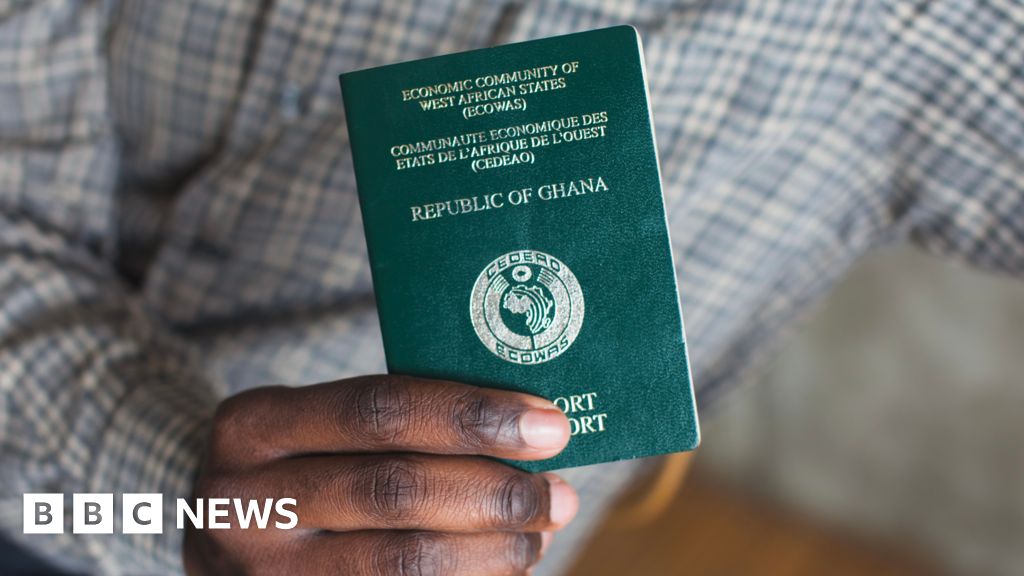
Ghana pauses citizenship process for Africans, raising concerns among youth activists

The recent difficulties faced by prospective migrants seeking to relocate to Ghana, as highlighted by Dr. Erieka Bennet, ambassador for the Diaspora African Forum, underscore a broader challenge at the intersection of migration, sovereignty, and international governance. The Forum’s role in facilitating the return of the African diaspora has been celebrated as a pivotal step towards fostering continental unity and economic revival. However, the bureaucratic hurdles—particularly the rigid DNA verification process—have cast a shadow over Ghana’s ambitious vision for a united African identity. Many applicants have expressed concerns that the deadline imposed within just a week is virtually impossible, stirring debates not only about logistical feasibility but also about the reliability and ethical considerations surrounding DNA testing in a geopolitical context.

Ghana’s recent policies are a reflection of a larger geopolitical shift, driven by the government’s desire to verify claims of descent and prevent fraudulent claims that could hamper resource allocation and investment initiatives. International analysts note that this move coincides with Ghana’s efforts to assert greater sovereignty amidst a transformative period marked by economic rebuilding and regional diplomacy. Yet, critics—including human rights advocates and diaspora community leaders—warn that such policies might exacerbate digital divides and social inequalities. The reliability of DNA testing, often contested, raises questions about the how international institutions and health authorities collaborate on standardizing such sensitive procedures. The debate echoes back to controversies seen in other migration initiatives, where race, ethnicity, and genetic data intersect with political ambitions.

The geopolitical impact of these policies extends beyond mere bureaucracy. As international organizations like the United Nations and regional African blocs observe Ghana’s approach, they grapple with defining the balance between national sovereignty and international oversight. Prominent analysts warn that mishandling this delicate balance could undermine regional stability and sow distrust among African nations striving for economic integration and collaborative development. Historically, migration has been both a catalyst of growth and conflict; thus, the manner in which Ghana implements these directives will serve as a test case for other nations contemplating similar measures. The risk lies in fostering exclusion or misjudging the social fabric, potentially fueling grievances that threaten regional cohesion.

As history continues to unfold, the question lingers: will Ghana’s effort to solidify its national identity and manage diaspora contributions bolster regional unity, or will it ignite divisions rooted in mistrust and incompatible policies? The decisions made today carry the weight of history, as they shape not only the fate of individual migrants but also the geopolitical landscape of Africa. With international stakeholders watching closely, the outcome of Ghana’s reform efforts may well serve as a blueprint—either a blueprint for sovereign assertion or a cautionary tale of bureaucratic overreach—etched into the chronicles of a continent riding the delicate edge of change. The future remains uncertain, its course written by choices made in the corridors of power amid the loud echoes of history’s relentless march.

Young man who took parents to court must remain in Ghana, court rules

The Rising Tide of Family Disputes and Its Effects on Society

In recent months, a high-profile case in the United Kingdom has spotlighted the profound ways family conflicts and social tensions influence not just individual lives but the fabric of communities at large. A 14-year-old boy, whose identity remains protected, found himself embroiled in a legal battle against his own parents after they relocated him to Ghana, ostensibly to address concerns regarding his behavior in London. The court’s decision to keep him in Ghana until at least the conclusion of his GCSEs underscores the complex intersection of family rights, social stability, and youth welfare.

Historically, sociologists such as Friedrich Engels and contemporary social commentators have explored how family disruptions ripple outward, affecting communities and societal cohesion. This case exemplifies the delicate nature of familial bonds when moral judgments, cultural shifts, and legal frameworks collide. The boy’s parents, concerned about behaviors such as truancy and carrying a weapon, sought to relocate him to Ghana—an action that raises questions about demographic shifts and the societal pressures leading to such drastic measures. The court’s decision reflects a recognition of the child’s need for stability and individual development, while also honoring the importance of family unity and cultural roots.

The Impact of Social Issues on Education and Community Development

  • Educational Disruptions: The boy’s ongoing studies in Ghana for his GCSEs highlight the critical role formal education plays as a pillar of young people’s stability. Interruptions, especially amid familial conflicts, threaten the foundation of future opportunity and societal mobility.
  • Community Tensions: The case sheds light on broader social tensions surrounding parenting styles, cultural integration, and youth behavior. As communities attempt to navigate these multilayered issues, questions about how society supports family reconciliation become ever more urgent.
  • Legal and Social Frameworks: The court’s emphasis on a road map for eventual return underscores the importance of structured intervention programs. Funded family therapy, for instance, is a vital tool for addressing underlying problems—yet its availability and effectiveness remain inconsistent, highlighting challenges facing social services nationwide.

In an era where social cohesion is increasingly strained, the case underscores how families are at the frontline of societal health. As the history of social change invariably shows, upheavals within the family unit inevitably manifest in community destabilization. Sociologist James Coleman argued that cohesive family environments serve as the backbone of healthy societies, emphasizing the urgency of supporting families through social reforms and community engagement.

Looking Toward a Society of Hope and Resilience

While the immediate legal ruling offers a temporary resolution, it opens a broader conversation about how society can better support families facing crises. Addressing youth behavioral issues, fostering open communication, and providing accessible mental health resources are essential steps in strengthening societal resilience. This case, though challenging, presents an opportunity for communities, schools, and policymakers to reflect on their role in nurturing tomorrow’s leaders—ensuring they grow up in environments that promote stability, understanding, and respect for individual dignity.

In the end, society’s greatest hope lies in its capacity for transformation and compassion. As families learn to navigate the complexities of a rapidly changing world, the collective effort to rebuild trust and provide meaningful support may forge a future where every child can achieve their potential. And in that hope, society finds its true strength, standing resilient in the face of adversity and committed to fostering communities rooted in values of unity, moral clarity, and unfinished promise.

US-Africa Deportations: From Ghana Back to the Streets — What It Means for the New Generation

Migration & Sovereignty: Lessons from West Africa’s Complex Tapestry

In an era where unstoppable global currents of movement define our collective destiny, West Africa exemplifies a continent navigating the turbulent waters of migration, sovereignty, and regional cooperation. Recent events surrounding the deportation of West African nationals—particularly from the US, Ghana, and Nigeria—highlight a shifting lifestyle paradigm rooted in resilience, adaptation, and a sense of shared identity. As young Africans strive for a better future, these stories serve as poignant reminders of how individual journeys are intertwined with larger political and cultural narratives, fueling a desire to reclaim agency over personal health, leisure, and national pride.

Recently, a Nigerian man deported from the US found himself unexpectedly stranded in Togo after being covertly transferred across borders—an incident that exposes the complex realities faced by migrants navigating emerging policies. The deportees, mainly from Nigeria, Liberia, and The Gambia, were flown out under contentious third-country deportation agreements, stirring debate around regional solidarity versus sovereignty. The man’s account reveals troubling details: they were allegedly moved through back routes, after bribing police and without Togolese authorities’ consent, demonstrating how unregulated migration flows challenge the very fabric of regional stability. Despite Ghana’s official stance emphasizing “pan-African empathy”, critics argue that such policies risk undermining sovereignty and individual rights, especially for youth seeking to build lives amidst uncertainty.

This ongoing tension underscores a keystone of youth resilience: the capacity to transform adversity into motivation for activism and cultural identity. Many young West Africans see borders not just as lines on a map but as opportunities for self-empowerment—whether through economic initiative, activism, or regional integration. The Nigerian deportee’s involvement with the Yoruba Self-Determination Movement exemplifies how personal struggles often fuel a broader aspiration for cultural preservation and sovereignty. Despite the risks, young activists draw strength from their collective history, advocating for autonomy while embracing the continent’s interconnected spirit—seeking to redefine lifestyle shifts rooted in community, resilience, and a shared cultural heritage.

  • Highlight regional cooperation: Engage with local and continental initiatives that promote safe migration and job creation.
  • Leverage cultural roots: Foster indigenous languages, arts, and histories to strengthen identity-based wellness among youth.
  • Advocate for transparent policies: Support legislation that prioritizes human rights and individual dignity amidst migration.

As stories like these unfold, the power of lifestyle as a form of resistance becomes evident—youth driven not only by immediate needs but also by an unyielding desire to construct a future rooted in self-determination. With a landscape marked by complex geopolitical shifts, West African youth are increasingly embracing their cultural capitals as engines of change, cultivating wellness and community resilience outside traditional constraints. These narratives illuminate a journey of reinvention: from navigating borderland complexities to forging a collective identity grounded in strength, hope, and the unbreakable bond of shared heritage.

In embracing this mosaic of challenges and opportunities, young Africans are charting a path toward a future where sovereignty meets innovation. Their stories remind us that personal impact—be it through advocacy, cultural expression, or resilience—serves as a vital thread in the larger tapestry of African renewal. As we reflect on this ongoing voyage, it becomes clear: lifestyle here is less about possessions and more about a conscious pursuit of dignity, hope, and autonomy. Embodying the spirit of self-empowerment, this generation is crafting a narrative where resilience is the new revolution, inspiring others to embrace their own journeys and rewrite the story of African greatness.

Social Media Auto Publish Powered By : XYZScripts.com