Matox News

Truth Over Trends, always!

Starmer: Tech Giants Face 48-Hour Deadline to Act Against Revenge Porn or Risk Bans

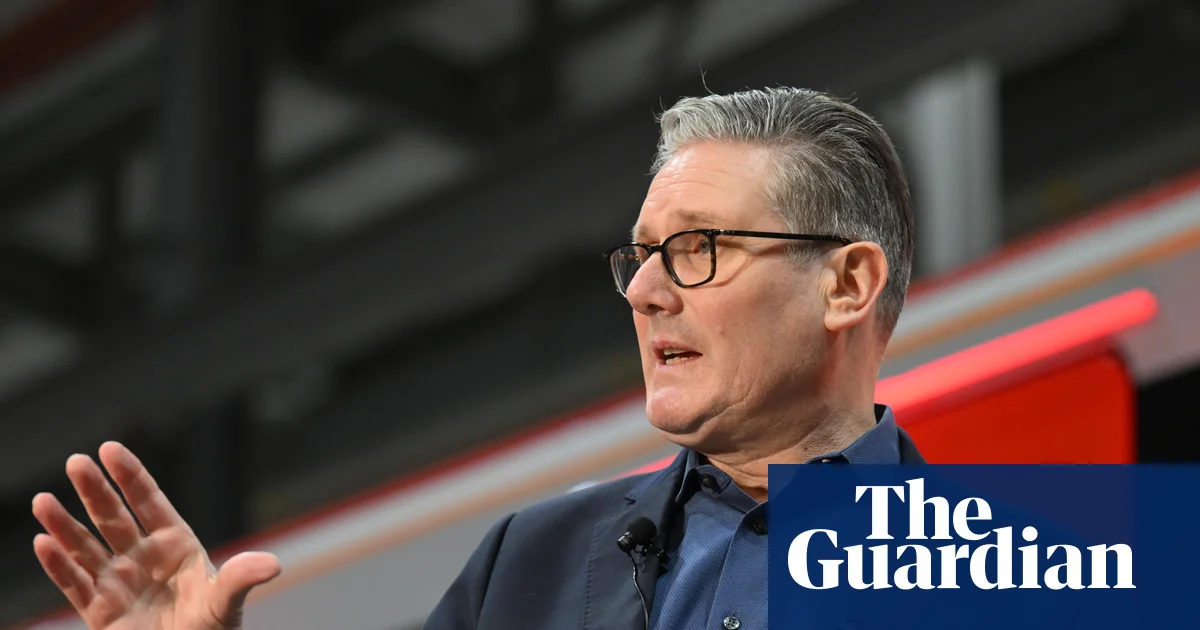
The United Kingdom is taking a bold stand to combat the rising tide of nonconsensual digital content and AI-facilitated abuse. Prime Minister Keir Starmer recently declared a “national emergency” against the proliferation of deepfake nudes and revenge porn, emphasizing the urgent need for decisive government intervention. This new policy aims to enforce a stringent 48-hour window for the removal of illicit images once flagged, with the goal of significantly curbing the spread of this harmful content across social media platforms, pornography sites, and beyond. Such measures highlight a conscious shift towards holding technology firms accountable, especially under the scrutiny of the Ofcom regulator, which is expected to be empowered by the summer to enforce these rules.

This crackdown is not merely about privacy or decency; the layout of international, societal, and geopolitical dynamics is at play. Britain’s push for stricter online safety laws echoes a broader global trend where governments increasingly seek to regulate AI tools and digital content that threaten societal norms and threaten individual safety. The recent controversy surrounding Elon Musk’s Grok AI tool—which generated nonconsensual sexual images—serves as a stark reminder of how innovative technology can be weaponized in ways that magnify harm. Critics argue that the lack of effective regulation allows deepfake technology to flourish unchecked, fostering a digital environment where victims of abuse and extortion find little refuge. By enforcing rapid removal timelines and legislating against AI-generated offensive material, the UK aims to set a precedent that can resonate outside its borders, challenging other nations to follow suit in protecting societal moral standards.

Analysts and international organizations observe that the UK’s legal reforms are a significant step in how regulatory decisions impact global tech companies. The threat of fines—up to 10% of worldwide revenue—and potential service bans are a clear indication that Big Tech will face serious consequences if they fail to act swiftly.

  • The implementation of digital watermarks for illicit “revenge porn” images aims to enable automatic detection and removal, reducing the burden on victims who often have to repeatedly report the same content.
  • Attempts to regulate AI-generated explicit images balance between safeguarding victims and upholding free speech, a delicate dance that underscores the ongoing struggle for responsible innovation.
  • The broad scope of the law, which extends to “rogue websites,” signals a firm stance on disrupting black markets for illicit content, even beyond the UK’s borders.

This move underscores a broader challenge: how to effectively hold powerful institutions accountable and address deep-rooted cultural issues. Prime Minister Starmer’s focus on cultural reforms—particularly his efforts to challenge misogyny within government and politics—illustrates a recognition that technological regulation alone cannot solve societal misogyny or gender-based violence. As he critiques the “institutional misogyny” woven into UK society, his emphasis on elevating women in government reflects an understanding that real change demands both policy and cultural overhaul. Meanwhile, political scandals such as the controversy over Peter Mandelson’s connections to Jeffrey Epstein serve as a stark reminder of the persistent failures endemic to the ruling elite. This is a pivotal moment—one where the decisions made will echo through a fractured political landscape and test the resilience of democratic institutions.

As digital freedoms meet the relentless march of regulation, history continues to forge its course in the uneasy balance of liberty and control. The UK’s efforts, rooted in the acknowledgment of the profound geopolitical and societal consequences, demonstrate that the fight against misuse of technology is far more than a matter of mere policy. It defines the very fabric of moral authority in this new era, where every decision carved into the stones of law could either fortify the foundations of justice or erode them beneath waves of unchecked power. The unfolding saga promises a future fraught with challenge and upheaval—yet it is precisely within this crucible of conflict that the forces shaping tomorrow’s society are being forged in the fires of necessity and resolve.


Social media giants face lawsuits over mental health harm—are their platforms driving addiction among today’s youth?

Global Impact of the Social Media Addiction Trials and Their Geopolitical Significance

In what many analysts describe as a pivotal moment in the ongoing battle over the influence of tech giants on society, legal proceedings against Meta, YouTube, Snap Inc, and TikTok are taking center stage. Dubbed the “social media addiction trials”, these lawsuits are rooted in allegations that these platforms have caused significant harm to minors’ mental health, including depression, eating disorders, and catastrophic cases of self-harm and suicide. While the scientific community remains divided on whether social media can truly be classified as “addictive,” the legal actions highlight a broader concern: how these platforms leverage neurobiological techniques akin to those used by gambling and tobacco industries to captivate vulnerable users.

This legal confrontation extends beyond individual cases, touching on deep issues of international influence and corporate responsibility. The plaintiffs argue that these platforms borrow heavily from the behavioral techniques exploited by slot machines and cigarettes to extend engagement—techniques that manipulation experts warn could be steering billions into digital dependency. Major global institutions and watchdogs, such as the World Health Organization and American Psychological Association, are scrutinizing the role social media plays in the emerging youth mental health crisis. The lawsuits, therefore, serve as a flashpoint revealing how social media giants might be undermining societal health for profit, drawing parallels with past industry influences that shaped public health policy.

Economic and Geopolitical Ramifications of Platform Regulations

The firms have forcefully rejected the allegations, defending their role in providing “safer, healthier experiences” for young users, but the controversy cuts deeper than corporate PR. The European Commission’s recent move to examine TikTok’s “addictive design” reflects a continent-wide shift toward regulating digital platforms under the premise of protecting societal well-being. This European stance bears not just moral weight, but significant geopolitical implications: as the European Union begins to regulate and potentially restrict certain features, the fight over digital sovereignty heats up, with Western and Eastern blocs vying for control over the future digital landscape.

Historically, major international institutions have shown a tendency to regulate industries once the harmful impacts become undeniable—initially facing resistance from corporate interests eager to preserve profits. Similar patterns emerged during the tobacco wars and the regulation of chemical substances, with industry-funded studies attempting to obscure health risks. Today, the tech giants’ vehement denials echo those historical tactics, as they aim to sideline regulations while continuing to defend their vast markets and influence over youth populations across the globe. This contest over mental health, digital control, and cultural influence signifies a shift with profound geopolitical resonance: amid rising tensions between Western democratic values and authoritarian state models, who controls the digital space becomes a strategic battleground.

Shaping Societies: The Future of Technology, Responsibility, and Liberty

As the debate intensifies among scientists and policymakers, the broader question remains: how will nations respond to the challenge of regulating social media without infringing on individual liberties?

Many experts warn that unchecked corporate influence can lead to societal fragility, especially among the youth, whose brains are still in formative stages. The revelations about platforms’ neurobiological techniques and the potential for dependency draw stark parallels to previous industries that prioritized profits over public health. Turel, a neuroscientist, compares social media’s addictive features to the “intermittent reinforcement” mechanisms exploited in gambling, emphasizing the need to understand addiction as a multifaceted issue that influences both reward systems and self-control in the brain. The stakes now extend beyond health— the battle for digital sovereignty and cultural integrity is intertwined with questions of national security.

In the unfolding narrative of this new digital age, history may yet record these legal battles as the moment when society drew the line against corporate manipulation—on the brink of a new era of accountability or unrestrained tech dominance. The choices made today, regarding regulation and societal resilience, will either safeguard future generations or consign them to a landscape where addiction, misinformation, and social fragmentation define the human condition. As history watches silently, the story of digital society is still being written, its ending yet unwritten but inevitably decisive in shaping the course of human civilization.

Alexa’s Flop Pushes Me Back to Siri—Time to Reconsider the Tech Giant’s Voice Power

Amazon’s Alexa Reimagined: Innovation Meets Consumer Frustration

In a bold move to elevate its voice-enabled ecosystem, Amazon has recently intensified its integration of generative AI technologies into the Alexa platform. With the debut and subsequent expansion of Alexa Plus, the company aims to transform Alexa from a basic voice assistant into a generalist AI companion capable of more complex interactions, drawing parallels to industry leaders like ChatGPT and Google’s Gemini. The recent shift is part of Amazon’s strategic pivot to disrupt the smart assistant market, leveraging AI to embed itself deeper into users’ daily routines and the broader smart home sector.

This aggressive push is not without growing pains. As shown by early feedback and internal updates, the user experience has faced significant turbulence. The new app interface and Alexa Plus functionalities prioritize a conversational AI experience, but consumer response has been mixed — with many pointing out the increased clutter, intrusive advertisements, and convoluted workflows. As analysis from Gartner highlights, disruption of traditional UX paradigms— especially through AI-driven redesigns— can lead to *initial alienation*. Nonetheless, Amazon appears committed to reshaping the ecosystem, with Alexa’s front page now prominently featuring an AI chatbot that pervades every interaction, blurring lines between utility and personalization.

  • Redesigned app layout places Alexa chat front and center, aiming for a seamless conversational interface.
  • Introduction of targeted prompts and personalized suggestions enhances AI contextual understanding.
  • Shift to ad-sponsored content and cluttered shopping list interface erodes user satisfaction according to some early adopters.
  • Features like Favorites & cross-platform accessibility signal a strategic move to become a ubiquitous AI assistant.

From a business perspective, Amazon’s drive towards disruption signifies a serious attempt to corner the broad AI-powered smart assistant market, challenging entrenched players and reshaping consumer expectations. The company’s announcement that Alexa Plus has moved out of Early Access and is freely accessible in the US demonstrates its goal to rapidly scale AI adoption. The new interface, which emphasizes seamless chat and contextual responsiveness, aligns with trends forecasted by MIT’s Media Lab that suggest AI will increasingly serve as an all-encompassing digital concierge— albeit with the risk of alienating users if usability is compromised.

Industry analysts like Peter Thiel caution that over-automation and invasive UI changes can backfire if not perfectly aligned with consumer needs. Yet, Amazon’s strategic gamble indicates that innovation and disruption in AI are inevitable, underlining the importance of balancing technological advances with user-centric design. As the AI landscape evolve, rapid iteration and consumer trust will be paramount. Amazon’s willingness to overhaul its app, despite setbacks and criticisms, underscores the emerging reality: in the race for AI dominance, those who innovate fastest will shape the future, and the clock is ticking.

Looking ahead, the attention now shifts toward the next chapters in this technological saga. Will Amazon refine its approach, mitigate user frustrations, and fully harness AI’s potential? Or will it face the peril of consumer pushback, ceding ground to rivals? The disruption unleashed by Amazon’s latest initiatives signals a pivotal moment—where innovation, disruption, and business agility will determine the leaders of tomorrow’s AI-powered digital world. The future of intelligent assistants hinges on a delicate balance: relentless innovation tempered by intuitive design, and in this high-stakes game, every second counts.

Netflix Nears Deal with Warner Bros., Big Win for Streaming Giants

Netflix Eyes Major Acquisition in the Battle for Global Entertainment Dominance

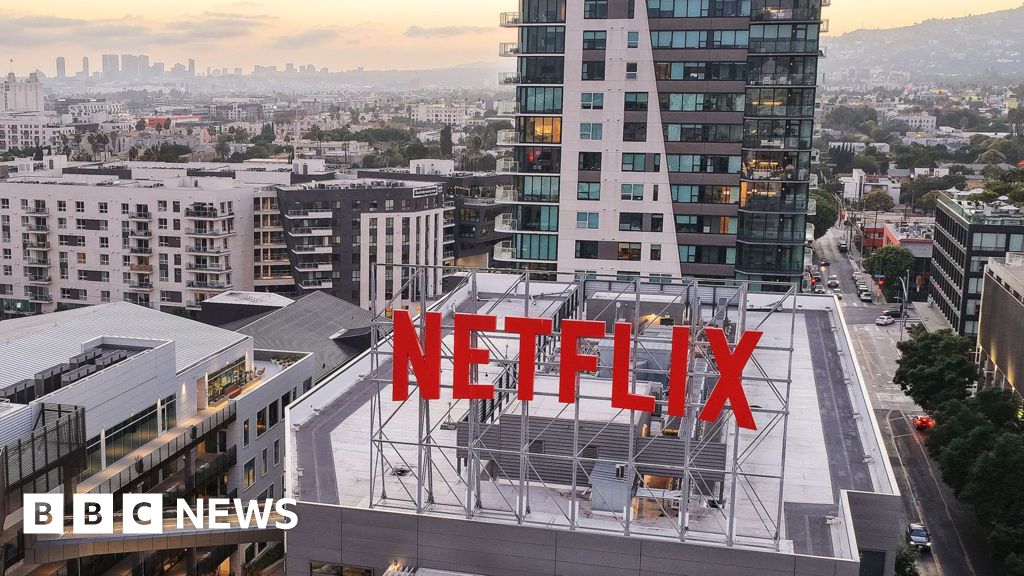
In a move that could reshape the geopolitical landscape of international media, Netflix is reportedly nearing a deal to acquire the film and streaming assets of Warner Bros Discovery. This potential acquisition, which includes iconic franchises such as Harry Potter and Game of Thrones, as well as the streaming service HBO Max, signals a strategic shift in the global entertainment market. As competition intensifies among streaming giants, analysts warn that this industry consolidation may have profound consequences for media sovereignty and cultural influence worldwide. The deal’s outcome will undoubtedly influence how entertainment is produced, consumed, and regulated on a scale that extends beyond individual markets, affecting societies and national policies alike.

The dynamics of this proposed acquisition have sparked a fierce debate among industry stakeholders and international regulators. Paramount’s legal representatives have publicly questioned the fairness of Warner Bros’ sale process, hinting at potential bias that favors certain bidders. A letter reviewed by CNBC accused Warner Bros of conducting a “myopic process with a predetermined outcome,” raising concerns that the sale might be manipulated for the benefit of a single corporate player. Such allegations reflect broader fears about monopolistic behaviors—fears that are resonant far beyond Hollywood, echoing anxieties about media concentration’s impact on diversity of content and global information flow. The United States Federal Trade Commission and other international authorities are likely to scrutinize this deal closely, weighing the potential for a media monopoly to stifle competition and limit consumer choice on a global scale.

How Industry Power Plays Redefine Global Cultural Politics

Industry experts like Emma Wall, chief investment strategist at Hargreaves Lansdown, argue that the bidding war is about more than just profit margins—it’s about wielding cultural influence. She noted that Paramount’s bid included parts of Warner Bros with ongoing profitability challenges, whereas Netflix’s proposal focused solely on its strongest assets. “You’re sort of tainting your offer if you go into a spat,” she remarked, implying that strategic acquisitions are being driven by complex, behind-the-scenes negotiations that involve international regulators and geopolitical considerations.

The potential creation of a *“global media mega-power”* has alarmed critics who warn of regulatory challenges. According to CNBC, legal representatives from Paramount suggest that Warner Bros’ sale process may be skewed in favor of a single bidder, leading to broader implications for international media regulation. If such a conglomerate emerges, it could result in an entrenchment of cultural hegemony, with a handful of corporations controlling the narrative and access to entertainment across continents. Historians and analysts warn that such concentration mirrors other periods of monopolistic dominance, where unchecked corporate power can distort political and social development.

Implications for Hollywood and the Global Audience

The ramifications extend beyond the realm of media business models; they threaten the very fabric of cinema and cultural expression. As Tom Harrington of Enders Analysis warns, should Netflix’s acquisition succeed, the Hollywood industry would face a *“reorientation,”* with the creative jewelHBO—becoming deeply intertwined with a platform historically at odds with traditional cinema. This potential fracture in the relationship between streaming services and traditional filmmaking could accelerate the decline of cinema as a cultural pillar, reshaping artistic narratives and societal storytelling paradigms.

Operational and regulatory challenges loom large, with international watchdogs poised to examine whether such a merger would violate principles of fair competition. As global audiences become increasingly polarized in media preferences, the consolidation of power in the hands of few conglomerates could lead to a homogenization of culture, eroding the diversity that once fueled creative innovation. Historians argue that this moment might be remembered as a defining juncture in the transformation of global media, where the clash between corporate ambition and cultural integrity reached its zenith. The stakes are high, and the course of history continues to be written with every negotiation, every deal, and every decision made behind closed doors—reminding us that in this new era, entertainment is no longer just a product but a weapon in the relentless pursuit of geopolitical dominance.

Netflix secures victory in Warner Bros. bidding war—tech giants shake up the entertainment game

Netflix’s Strategic Push into Hollywood: A Paradigm Shift in Content and Business Models

In a move that could redefine the entertainment landscape, Netflix is reportedly considering acquiring Warner Bros. and its associated assets, including HBO Max. While the deal faces imminent regulatory hurdles, notably opposition from the Department of Justice, industry insiders suggest that if approved, this acquisition could trigger a seismic shift in how streaming giants operate within traditional Hollywood frameworks. Such an integration would place Netflix at the helm of one of the oldest and most influential film studios, fundamentally altering existing distribution, production, and theatrical paradigms.

From an innovation perspective, this move signals a disruption of the conventional content supply chain. Historically, Netflix has prioritized digital-first distribution, avoiding involvement in theatrical releases and traditional studio operations. The potential transition into studio management would allow Netflix to leverage its data-driven approach to content creation while integrating theatrical releases into its ecosystem. This strategic positioning could enable the company to compete directly with legacy studios by controlling more of the content lifecycle—from production to consumer. Such vertical integration aligns with industry trend forecasts from Gartner and MIT, which emphasize the importance of disruptive consolidation as a way to leverage big data and cutting-edge AI for content optimization and personalized marketing.

The implications for the broader industry are profound. A successful acquisition not only disrupts the traditional Hollywood power balance but could accelerate the consolidation of media assets across emerging digital platforms, forcing competitors to adapt or face obsolescence. Analysts like Peter Thiel have long argued that such disruptive business models fuel innovation by creating new avenues for revenue and consumer engagement. If Netflix can integrate large-scale theatrical content, it may gather a significant competitive advantage—offering consumers a seamless experience that combines the best of traditional cinema and digital streaming, accelerating the metamorphosis of the entertainment industry.

Business Implications and Future Outlook

The potential acquisition underscores how disruption in the tech and entertainment sectors is accelerating, with major players seeking to reinvent their roles within the evolving ecosystem. While regulator concerns and antitrust scrutiny are significant hurdles, industry insiders suggest that the strategic value of owning a legacy studio—combining creative control with data-driven insights—could outweigh regulatory obstacles in the long term. This move may also set a precedent for vertical integration, inspiring other tech giants, such as Apple and Amazon, to pursue acquisitions that further blur the lines between content creation and distribution.

Looking ahead, the industry faces an imperative to innovate rapidly in response to consumer demand for high-quality, multi-platform content. Executives, investors, and creators must recognize that disruption is now a strategic necessity. As Netflix potentially steps into a new role as a Hollywood studio powerhouse, the entire media landscape remains on the cusp of profound transformation—one that demands agility, strategic foresight, and an unwavering commitment to pushing the boundaries of entertainment technology. The future belongs to those who can harness the power of innovation amidst regulatory challenges, seizing opportunities to reshape cultural consumption in ways previously thought impossible.

Trump’s Sanctions Hit Fast — Will Europe Stop Buying Russian Oil and Gas? | Energy Giants

In a bold move that could redefine the geopolitical landscape, Donald Trump recently imposed sweeping sanctions targeting Russia’s two largest oil companies, Rosneft and Lukoil. This strategic effort seeks to choke off Moscow’s primary revenue stream fueling its ongoing conflict in Ukraine. Analysts highlight that Trump’s decisive action marks a stark contrast to the often cautious or diplomatic approach of the European Union over the past six months. According to Tom Keatinge, the influential director at the Centre for Finance and Security (CFS), Trump’s willingness to wield the “sanctions hammer” has demonstrated a level of resolve that could have profound consequences for Moscow and global energy markets. By targeting the financial backbone of Russia’s fossil fuel exports, Washington aims to weaken Moscow’s capacity to sustain its war effort, while simultaneously asserting American influence in the international arena.

The immediate repercussions have been notable. The global oil price surged by approximately 6%, signaling a volatile reaction in energy markets. Simultaneously, Russia’s crude oil deliveries to key Asian markets—namely India and China—faced abrupt halts. Experts from the Centre for Research on Energy and Clean Air (Crea) warn that these disruptions could be financially devastating for Moscow. With over 86% of Russia’s crude exports heading to China and India since the onset of the Ukraine conflict, the potential loss of access to these markets threatens to slash Russian monthly revenues by billions of dollars—roughly $7.4 billion—impacting Kremlin’s war chest and reducing its capacity to fund its military operations. While these measures have caused a significant dip in Russian fossil fuel export revenues—down by 50% compared to September 2022—the emergency shifting of shipments through shadow tankers underscores a resilience that complicates Western efforts to fully isolate Russia economically.

This economic coercion opens a new chapter in the ongoing struggle over energy resources. While President Trump’s sanctions are targeted, their ripple effects are impacting not only Russia but also global power balances. The European Union, once heavily dependent on Russian gas and oil, now faces a paradox: a formal pledge to phase out all Russian fossil fuel imports by 2027, yet continued reliance on existing supplies. Major EU nations like Hungary and Slovakia persist in importing Russian gas, with France, Belgium, and the Netherlands maintaining residual ties. This persistent dependence has drawn sharp criticism from analysts and historians alike, who argue that Europe’s reluctance to fully sever ties with Moscow constitutes a “disgraceful stain” on its geopolitical integrity. The EU’s ongoing reliance on Russian LNG—comprising approximately half of Russia’s LNG exports—ensures that, despite political rhetoric, Moscow continues profiting from Europe’s energy needs, thus prolonging the conflict’s human toll and undermining efforts for a sustainable peace.

Most revealing is the long-term strategic gamble Trump’s approach epitomizes: leveraging economic measures to foster peace and realign global energy flows. While critics warn that much depends on strict enforcement and response from other energy-dependent nations, some analysts, like Keatinge, remain cautiously optimistic. “Never bet against Trump,” he states, hinting at the unpredictable yet potentially transformative power of decisive leadership. As the world watches, the unfolding confrontation over fossil fuels echoes an enduring truth: the decisions made today forge the legacy of future generations. Whether the sanctions will finally curtail Moscow’s war machine or simply accelerate a shadowy fight in the shadows of the global oil trade, one thing remains clear—history is being written in the oil fields and on the geopolitical stage, and the outcome will shape the fate of nations for decades to come.

Tech giants’ climate bets face Trump crackdown as funding gets scrutinized

Tech Giants and Policy Shifts Signal Disruption in Carbon Removal and AI Development

The recent rollback of federal funding for direct air capture (DAC) initiatives marks a pivotal juncture for the American tech and energy sectors. Under the Biden administration, extensive investments, including a $3.5 billion initiative to establish regional DAC hubs, aimed to solidify U.S. leadership in innovative climate tech. However, with the emergence of a new administration openly skeptical of climate action—underlining a concerted effort to undermine these initiatives—the landscape is shifting dramatically. President Trump’s FY2026 budget proposal, which targets ending funding for DAC, hydrogen hubs, and other clean energy projects, effectively stokes uncertainty in a sector that has already been disrupted by ideological battles.

This policy retreat reflects a broader trend of disruption in clean energy innovation. Major corporations such as Microsoft and Amazon have committed billions toward carbon removal, betting on DAC as a pathway to a carbon-negative future. Yet, the recent funding cuts threaten to derail these forward-looking investments. Notably, startups like California-based CarbonCapture have announced plans to relocate projects internationally, citing the lack of U.S. governmental support. The decline underscores a shrinking window for American leadership in disruptive climate technologies.

Meanwhile, disruption extends into AI development. As tech giants expand their AI infrastructure—building energy-intensive data centers and hardware—their carbon footprints have paradoxically grown, despite commitments to sustainability. Analysts warn that reliance on DAC to offset escalating emissions could be a pseudo-solution, diverting attention from essential emissions reductions. Industry leaders like Peter Thiel and MIT researchers emphasize that innovation in breakthrough clean energy tech—such as advanced nuclear or fusion—must remain a priority, or risk ceding global dominance to nations like China, aggressively investing in next-generation clean tech.

Business Implications and Future Outlook

The implications of these developments are profound. With governmental support waning, American corporations face a strategic inflection point: to prioritize internal innovation or to significantly reduce reliance on uncertain policy outcomes. The Biden-era push for regional DAC hubs and public-private partnerships set the stage for U.S. dominance in climate tech; now, partisan polarization threatens that edge. The disruption could accelerate the shift of clean energy investments abroad, particularly to Canada and Europe, which remain committed to climate innovation, potentially leaving American firms at a competitive disadvantage. The window for reclaiming global leadership narrows, compelling industry leaders and policymakers to act decisively and creatively.

Going forward, urgent action is required to mitigate the impact of policy fluctuations. Innovation hubs, private capital, and strategic partnerships will determine whether the U.S. can maintain its technological edge. As Elon Musk and others advocate for a focus on disruptive technologies—such as quantum computing, breakthrough energy, and AI—only a bold, unified approach can counterbalance the current trend of retreat and fragment. The coming years will be crucial in defining the direction of American tech and energy sectors — the race for future dominance is on, and the time to lead is now.

Tech Giants Step Back from Fighting Misinformation in Australia, Raising Concerns

Global Implications of Australia’s Misinformation Regulation Shake-up

Australia’s Digital Dilemma: Misinformation Policy Under Threat

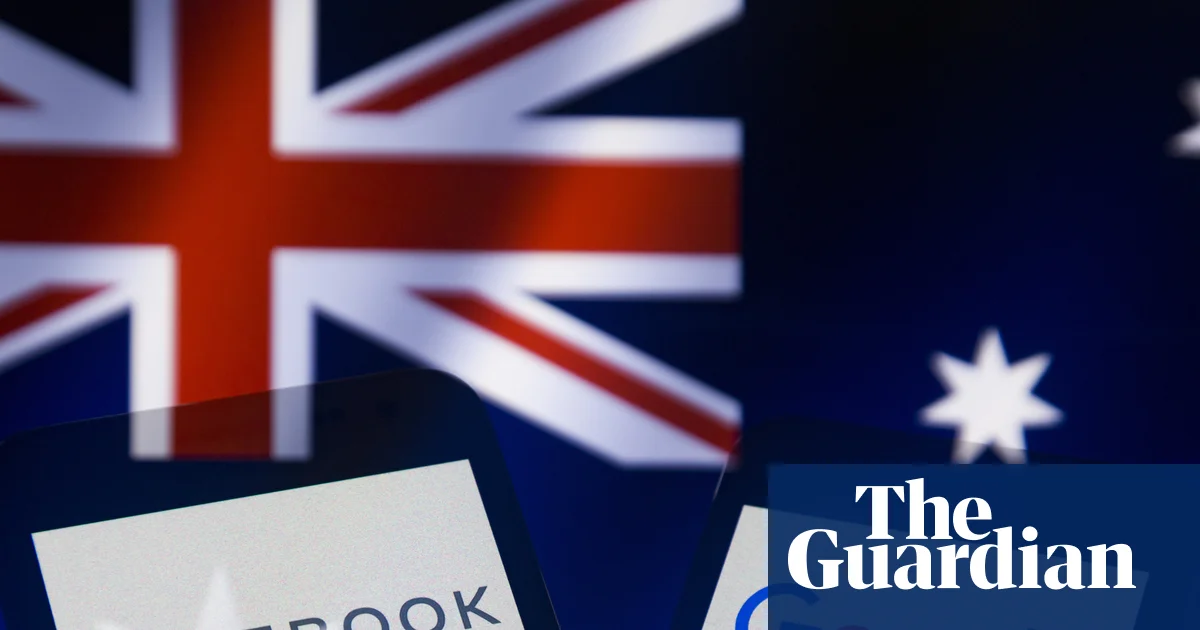
In a move that signals a broader shift in the global landscape of digital regulation, Australia faces a pivotal moment as major tech giants consider abandoning their commitments to combat online misinformation. The voluntary code introduced in 2021, which saw signatories including Meta, Google, Microsoft, and X (formerly Twitter), was designed to promote transparency and accountability in tackling false and deceptive content online. However, recent developments reveal a concerted pushback from digital platforms, citing the issue as “politically charged” and too “contentious” to regulate effectively. This attitude underscores a wider trend of tech companies increasingly resisting government-mandated oversight, signaling potential chaos ahead for the fight against misinformation.

Many international analysts warn of far-reaching geopolitical repercussions should social media giants pull back from their digital responsibility. The digital landscape has become a battleground in the ongoing contest between free expression and the need for truth—an issue that has deeply divided the Australian public along partisan lines. The Australian Communications and Media Authority highlights that the concept of “misinformation” remains highly subjective, linked closely to personal beliefs and societal values. These factors make the institution of effective regulation a daunting challenge. Historian and geopolitical analyst Dr. Elizabeth Carrington notes that such reluctance by corporate giants can embolden authoritarian regimes worldwide, where misinformation is weaponized to manipulate public opinion and suppress dissent. This geopolitical calculus risks sparking a domino effect, where other nations may follow Australia’s lead, either embracing digital laissez-faire or capitulating to unchecked misinformation.

Meanwhile, the international community observes with concern as internal debates within Australia reflect the larger global struggle over truth in the digital age. The European Union, for example, has taken a more aggressive stance on regulating tech companies, yet even here, the challenges of defining and policing misinformation persist. Critics like Timothy Graham, an expert at Queensland University of Technology, argue that the politicization of “misinformation” complicates efforts, turning the simple task of content verification into a minefield of ideological bias. Meanwhile, public trust in social platforms continues to erode; recent reports show fewer content violations are being effectively enforced even as 74% of Australian adults remain concerned about false information online, according to ACMA’s latest survey. As countries worldwide grapple with these complexities, the core question remains: How do nations balance free speech with the imperative to prevent harm?—a question that, ultimately, defines the era of digital governance.

The potential retreat of tech platforms from their self-imposed obligations foreshadows a crucial crossroads in the evolution of global digital society. With Australia’s decision to reconsider or dismantle its misinformation safeguards, the stage is set for a possible upheaval—where misinformation fuels societal divisions, deepens political rifts, and weakens the very fabric of democratic accountability. As policy-makers face mounting pressure from both the digital giants and their citizenry, the world watches with bated breath, knowing

Social Media Auto Publish Powered By : XYZScripts.com