Matox News

Truth Over Trends, always!

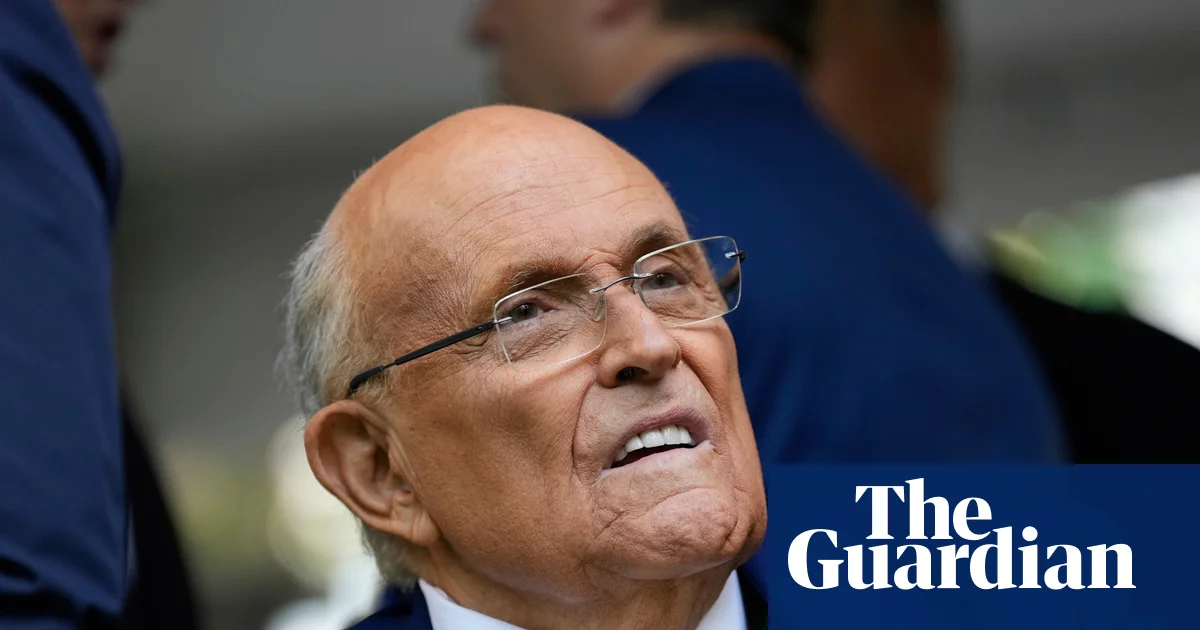
Rudy Giuliani in ‘critical but stable’ condition after hospital stay

The recent hospitalization of Rudy Giuliani, once hailed as America’s mayor for his resolute leadership during the September 11, 2001 attacks, hassent ripples across both political discourse and international perceptions. At 81, Giuliani remains a symbol of resilience for many conservatives, his health status—described as “critical but stable”—raising questions about the reverberating impact his absence might have on US domestic affairs and global diplomacy alike. His career, marked by unwavering support for former President Donald Trump and his controversial efforts to contest the 2020 election results, underscores the intertwined nature of American internal politics and the wider geopolitical chessboard.

Giuliani’s role as a fiery legal advocate for Trump’s claims, particularly his attempts to overturn electoral results, has ignited fierce debates over §the integrity of democratic processes. These efforts, which culminated in criminal charges against him in two US states and a defamation suit, illustrate the intense ideological divide gripping the nation—a divide that echoes across the world. Analysts from the Council on Foreign Relations caution that such internal strife could weaken America’s standing on the international stage, especially as global powers navigate their own conflicts and strategic interests. Furthermore, Giuliani’s rise from the chaos of 9/11 to the tumult of modern politics exemplifies how individual narratives can influence—and are often overshadowed by—the broader currents of geopolitical shifts.

The health crisis surrounding Giuliani also occurs amid a greater international context: a world increasingly divided under shifting alliances, territorial disputes, and competing visions of sovereignty. The U.S. faces mounting challenges from China and Russia, whose actions in Eastern Europe and the Indo-Pacific threaten to redraw the global power map. Critics argue that internal discord, exemplified by high-profile figures like Giuliani, serves as a cautionary tale for nations unable to unite amidst external and internal pressures. Historians such as Niall Ferguson warn that the internal fractures within democracies could ultimately diminish their capacity to project power, especially when faced with authoritarian regimes that capitalize on chaos and division.

In a world where history is often shaped by pivotal moments, Giuliani’s current plight is more than an individual health scare—it symbolizes the fragility of a nation grappling with its identity. As political analysts dissect the implications of his health crisis, the global community watches with cautious anticipation. Decisions taken today, both in the corridors of power and on the geopolitical stage, will determine the future of free societies and the safety of democracies worldwide. The tide of history continues to surge forward, unstoppable and relentless, leaving nations to confront the lingering shadows of choices made in the crucible of crisis. Only time will reveal whether this moment heralds a new chapter of resilience or marks the beginning of a darker epoch for the free world.
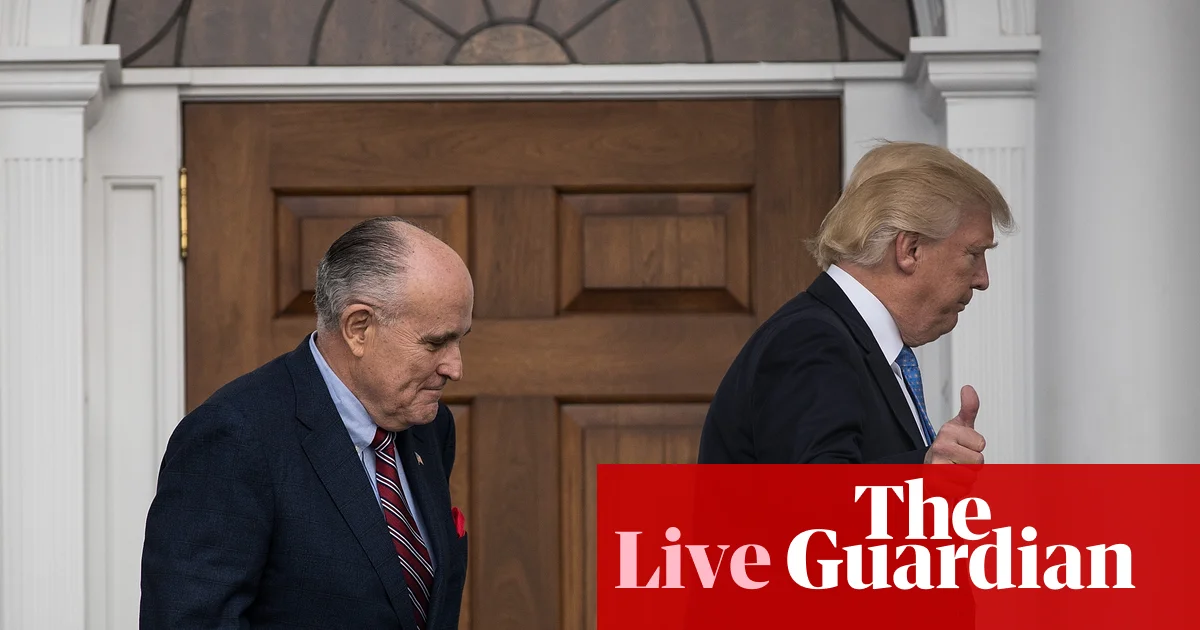

Trump clears Giuliani and allies charged with election interference — latest updates

In recent days, the international stage has witnessed a series of seismic events that underscore the shifting landscape of global power and domestic stability, particularly within the United States. The dramatic pardoning by Donald Trump of his allies linked to efforts to overturn the 2020 election has sent ripples across both U.S. politics and the broader geopolitical arena. The pardons, including high-profile figures such as Rudy Giuliani and Mark Meadows, are viewed by many analysts as a calculated move to reassert influence and weaken institutional accountability, challenging the notions of rule of law and sovereignty. While none of those pardoned faced federal charges, critics argue this controversial decision could usher in a precedent where future administrations find immunity from prosecution, thereby eroding the integrity of the American legal system and emboldening authoritarian tendencies.

Simultaneously, the domestic crisis has been compounded by ongoing government shutdowns— the longest in U.S. history—affecting hundreds of thousands of workers, with flights canceled en masse and essential services disrupted. According to top officials, the shutdown continues due to political gridlock between the Democratic and Republican senators, despite efforts to pass a stopgap measure that would fund the government only until January. This short-term funding, essentially a Band-Aid solution, underscores the deep divisions that threaten the fabric of American governance, with the specter of a prolonged stalemate looming large. Historians warn that such political discord contributes to a climate where societal trust diminishes and chaos undermines the national stability vital to global order.

On the international front, President Trump made headlines with a historic visit to the White House by Syrian President Ahmed al-Sharaa, marking the first such diplomatic engagement since Syria’s independence in 1946. This summit, cloaked in secrecy, signals a potential realignment of American foreign policy amid a broader reshuffling of alliances in the Middle East and beyond. While specifics of discussions remain under wraps, the unspoken message is clear: the U.S. aims to recalibrate its stance on Syria, employing a strategy that includes sanctions and high-stakes diplomatic negotiations. Such diplomatic shifts are likely to recalibrate regional power balances, influencing allies and adversaries alike, especially in an era when assertive national interests are reshaping traditional diplomacy.

Brazilian and Latin American geopolitics are also in flux, with U.S. military operations expanding their reach — striking alleged drug trafficking vessels and known narco-terrorist groups in international waters, according to Pentagon statements. Such actions demonstrate an increasingly assertive U.S. military posture aimed at combating illicit networks that threaten stability beyond American borders, directly impacting regional sovereignty and security frameworks. The use of extrajudicial measures, including lethal strikes, raises concerns among international legal experts about sovereignty and the potential for escalation that could destabilize entire transit routes linking South America and the broader Western Hemisphere. These actions highlight the United States’ willingness to operate unilaterally in the name of national security, often outside traditional legal boundaries—a move with profound geopolitical implications that ripple through international institutions and diplomatic norms.

The entire sequence of events unfolding in Washington and around the globe reveals a pivotal epoch in history—a period where decisions by a single nation threaten to reshape the international order, challenge the rule of law, and redefine the future of liberty and governance. As history continues to be written in the crucible of reckless diplomacy and domestic chaos, the world watches with bated breath, recognizing that these are not mere isolated incidents but the echoes of a larger clash for influence, sovereignty, and the soul of democracy itself.

Social Media Auto Publish Powered By : XYZScripts.com


