Matox News

Truth Over Trends, always!

US Opens the Door to Easing Russian Oil Sanctions Amid Rising Global Prices Over Iran Tensions

The geopolitical landscape is once again trembling under the weight of empire and ambition, as the United States signals potential shifts in its approach to Russian energy sanctions. Secretary of the US Treasury, Scott Bessent, publicly indicated on Friday that Washington is weighing the possibility of lifting sanctions on more Russian crude oil. This strategic move comes shortly after the US authorized India to purchase Moscow’s oil, a policy adjustment that has coincided with an almost unprecedented surge in global oil prices, which rose over 8.5% in a single day and nearly 30% over the week.

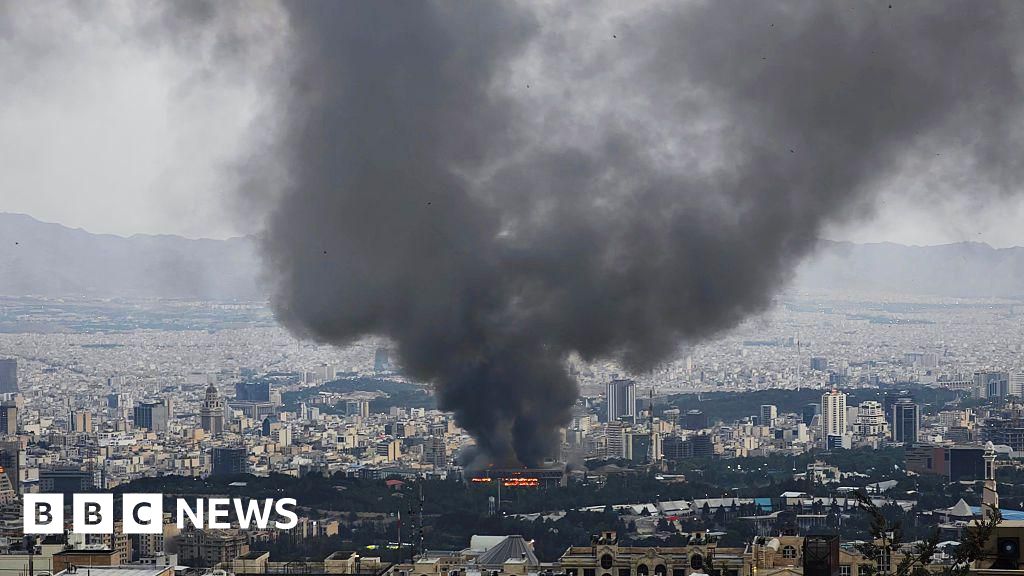
Underlying this volatility is the ongoing conflict in the Middle East, ignited by the resurgent hostilities between the US, Israel, and Iran. The escalation has crippled vital transport routes, most notably the Strait of Hormuz, the world’s most critical energy chokepoint, effectively shutting down a significant fraction of global oil flow. As heavy armored ships of Iran and allied forces threaten international shipping lanes, the price of crude continues its relentless climb, with analysts warning that such instability could push crude above the $100 per barrel threshold, igniting fears of inflationary spirals across economies.

The price surge has not gone unnoticed by international observers. Leading historians and supply-chain analysts warn that this latest escalation could redefine global power structures. The International Energy Agency and other international bodies have expressed concern over the potential for sustained market disruption, with some experts suggesting that the US’s loosening of sanctions could herald a new phase of geopolitical risk. President Donald Trump’s inflammatory remark—claiming that only the “unconditional surrender” of Iran would resolve Middle Eastern hostilities—further fuels instability, making clear that diplomatic solutions remain elusive.

  • Amid this chaos, Washington’s strategic calculus unfolds—balancing between exerting pressure on Moscow through sanctions and maintaining global energy stability.
  • The US Treasury’s recent negotiations aim to prolong relief for global markets by allowing the sale of Russian oil stranded at sea, mostly destined for India, with sanctions eased temporarily until April 2026.
  • Meanwhile, Moscow perceives these maneuvers as Western efforts to undermine its economy, with Kremlin economic adviser Kirill Dmitriev criticizing the sanctions’ impact on the world economy and stating that these measures are detrimental and ultimately counterproductive.

Geopolitical Impact and Societal Consequences

The decisions taken by Washington and its allies carry profound geopolitical implications. By hinting at easing sanctions, the US seeks to introduce a semblance of stability amidst the chaos, but critics argue that such moves could embolden Russia and Iran, further complicating the international order. The intersection of rising oil prices, regional conflicts, and strategic sanctions highlights a new chapter where global powers are willing to recalibrate alliances and economic controls—a clear challenge to a unipolar world dominated by Western interests.

International organizations warn of the societal repercussions, recasting economic pressure as a tool that could lead to increased inflation, energy shortages, and social unrest in vulnerable nations. As the Organization of Petroleum Exporting Countries and other stakeholders grapple with this upheaval, the world watches with wary eyes, contemplating whether this turbulent phase signals a new multipolar era or the beginning of a prolonged conflict that could reshape the global order for decades to come.

As history continues to unfold in this complex geopolitical theater, the decisions made today could reverberate through generations. With each shift in policy, the foundation of international stability is tested—reminding us that in the theater of global power, the outcome remains anything but certain. The weight of history presses down, signaling that the unfolding drama may yet lead to an epoch defining brink—where the true battle for global influence and security is only just beginning.
Global Response Sparks Debate Over US and Israel’s Iran Actions

US Launches Strategic Strikes Against Iran: A Turning Point in Middle Eastern Geopolitics

In a decisive move that has reverberated across the international arena, the United States conducted targeted military strikes aimed at curbing Iran’s regional influence and technological advancements. During an emergency United Nations Security Council session convened on Saturday in New York, US Ambassador Mike Waltz articulated the objectives behind these actions, describing them as “**specific and strategic**” efforts to dismantle Iran’s missile capabilities, destabilize naval assets, and disrupt the machinery supporting proxy militias. The ultimate goal, as he emphasized, is to “ensure the Iranian regime never ever can threaten the world with a nuclear weapon.” This rhetoric underscores a determined stance by Washington to prevent a potential nuclear proliferation crisis—an issue that has long haunted global diplomacy.

What makes this development particularly significant is the context in which it occurs. Since the landmark 2015 Joint Comprehensive Plan of Action (JCPOA)—commonly known as the Iran nuclear deal—international diplomacy has sought to contain Iran’s nuclear ambitions peacefully. However, the subsequent U.S. withdrawal in 2018 under President Trump, coupled with Tehran’s increases in uranium enrichment levels, has escalated tensions significantly. The recent strikes mark a clear departure from diplomatic negotiations and signal a shift toward hard military intervention, a move that many analysts say could backfire, fueling regional instability.

Geopolitical Ramifications and International Response

The geopolitical impact of these strikes cannot be overstated. Iran’s strategic missile and naval capabilities are central to its regional influence, particularly in countries such as Syria, Iraq, and Lebanon, where proxy militias like Hezbollah serve as extensions of its power. Removing or degrading these assets could weaken Iran’s capacity for regional destabilization, but it also risks prompting retaliatory actions that could drag nearby nations into open conflict. Historically, military interventions based solely on strategic targeting, as some critics argue, tend to escalate rather than resolve underlying tensions, undermining recent attempts at diplomacy.

International reactions to the strikes vary widely. While the United States and its allies view this as a necessary step to counter Iran’s nuclear threat, some global voices, including members of China and Russia, have condemned what they describe as a violation of international norms. Moreover, the European Union has expressed concern over the potential for escalation, urging all parties to return to the negotiating table. Citation from analysts like Professor Helen Johnson of Harvard Kennedy School suggest that these actions could undermine the fragile diplomacy built over years, risking a wider regional conflict that could destabilize the Middle East for decades.

Historical Context and the Road Ahead

To understand the implications fully, one must consider historical patterns of escalation in the Middle East. Decades of conflict have demonstrated that military strikes aimed solely at military targets often have unintended consequences, leading to a cycle of retaliation and revenge. As international organizations monitor the developments, the human toll remains a stark reminder of the stakes involved. The decisions made in these moments will shape not only the fate of Iran but also the security and stability of the entire global order for generations.

As the dust settles over this critical juncture, historical narratives will surely scrutinize the weight of these decisions. Will they serve as a catalyst for enduring peace, or will they merely deepen a cycle of conflict that threatens the very fabric of international stability? The weight of history remains on the brink—once again, the world stands at a crossroads, where the choices made today will echo in the annals of history and determine whether peace remains an illusion or becomes a distant hope.

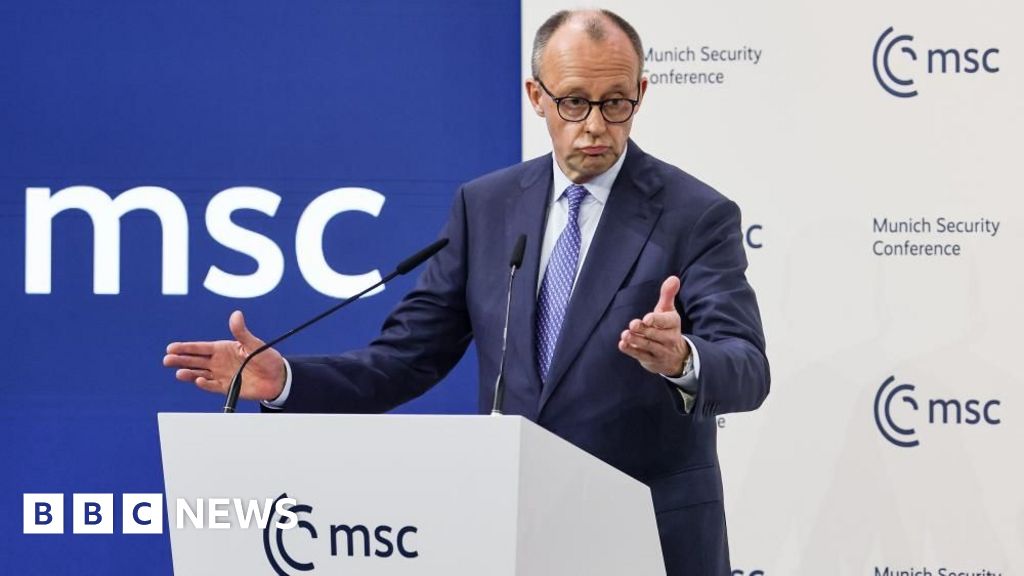
Germany’s Merz warns: Global rules-based system falling apart

In an era marked by shifting alliances and emerging superpower rivalries, the words of German Chancellor Olaf Scholz at the Munich Security Conference resonated with a sobering gravity. Addressing a gathering of global leaders and defense officials, he asserted, “Our freedom is not guaranteed”, underscoring the fragile balance that underpins international stability in the 21st century. This declaration underscores a wider recognition among seasoned analysts and policymakers that conventional notions of security, sovereignty, and diplomatic immunity are being challenged by an evolving landscape dominated by great power competition.

The geopolitical impact of Scholz’s statement hinges on the stark realities of recent events. The resurgence of Russia in its aggressions towards Ukraine, combined with the unpredictable ambitions of China in the Indo-Pacific, have reshaped the global order. International organizations like the United Nations and NATO find themselves navigating a new terrain where traditional alliances are strained, and the risk of escalation grows daily. For many Western nations, the assurances of peace that followed the Cold War are increasingly seen as ephemeral, and the necessity of military readiness and strategic deterrence has returned to the forefront of national security agendas.

Experts such as geopolitical analysts at the International Crisis Group warn that these developments could catalyze a new era of instability, where the battle for influence and resources could ignite conflicts with devastating consequences. Historians of peace and war caution that history often repeats itself when leaders underestimate the fragility of diplomacy, and the current global climate bears chilling similarities to pre-World War times. The decisions made today by governments, from troop deployments to diplomatic negotiations, bear the weight of history. For nations like the United States, the European Union, and Asian regional powers, the challenge lies in maintaining a balance—resisting the urge to retreat into isolationism and instead reinforcing frameworks that can sustain a fragile peace.

As the conference closed with renewed pledges of defense cooperation, the underlying message was clear: freedom is a hard-won commodity in an era where powerful actors seek to reshape the rules in their favor. The path ahead is fraught with peril, yet also brimming with the potential for decisive action that could either preserve the stability of our societies or propel them into chaos. History’s pages continue to turn, and as the world watches, each decision echoes through the corridors of history, reminding us that the struggle for liberty and sovereignty is an ongoing battle, one fought not only with weapons but with resolve and vigilance.”

Global Korean Trend Driving Up Seaweed Prices: What's Behind the Rise
Global Korean Trend Driving Up Seaweed Prices: What’s Behind the Rise

In recent years, a seemingly simple commodity—dried seaweed—has surged in popularity worldwide, bridging culinary trends, health consciousness, and economic opportunities. Traditionally associated with East Asian cuisines, dried seaweed’s increasing demand is now echoing across global markets, prompting notable shifts in food supply chains and international trade dynamics. While superficially a humble natural product, its rising economic value and geopolitical significance underscore broader patterns of resource utilization and strategic influence in the 21st century.

This growth is driven by a confluence of factors: the health-conscious movement favoring nutrient-rich superfoods, the expansion of plant-based diets, and the global appetite for sustainable, renewable resources. As prices climb, countries with abundant coastal ecosystems like South Korea, Japan, and China are capitalizing on the burgeoning demand. However, the implications extend beyond regional markets. International organizations and trade analysts warn that a renewed scramble for maritime resources could deepen geopolitical tensions, especially as nations seek to secure supply chains amid escalating competition for natural commodities. Experts in geopolitical strategy highlight that control over seaweed production and related aquaculture represents a strategic advantage in a shifting global landscape.”

The geopolitical impact is multifaceted. The United Nations Food and Agriculture Organization (FAO) has underscored how resource scarcity often fuels regional conflicts, and the case of seaweed is no exception. Countries engaged in maritime disputes or seeking to assert sovereignty over fishing zones are increasingly viewing coastal marine resources as leverages of power.

  • For example, the South China Sea—an arena of longstanding territorial disagreements—has the potential to become a focal point for strategic resource competition as nations look to extend their influence over resource-rich waters.
  • Meanwhile, North Korea and smaller island nations are exploring seaweed cultivation as a means of economic survival, leading to shifts in regional alliances and rivalries.

Additionally, the environmental angle complicates the geopolitical picture. Sustainable harvesting and aquaculture practices are vital; irresponsible exploitation risks ecological damage and can undermine local communities’ livelihoods. As noted by international marine conservation groups, how nations manage this renewable resource will influence future maritime diplomacy. Historically, resource-driven conflicts tend to escalate when legal, environmental, and economic interests converge — a pattern confirmed by leading historians and analysts examining past maritime disputes. This emerging “seaweed geopolitics” may serve as a precursor to broader resource conflicts in increasingly contested maritime zones.

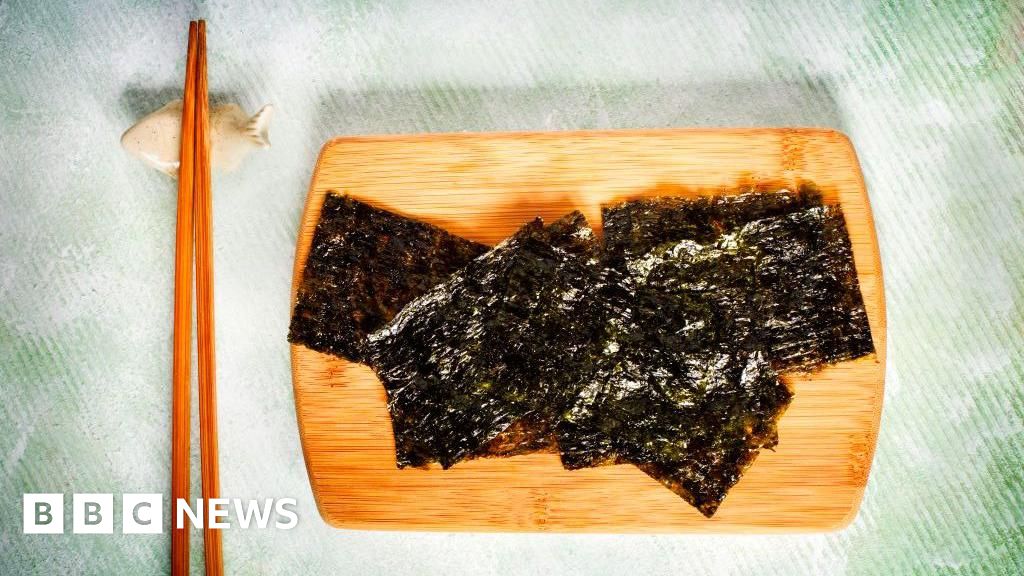
In conclusion, the humble, crispy sheets of dried seaweed underscore a crucial point: that even the simplest resources can have profound geopolitical consequences. Like a mirror reflecting the shifting tides of international power, the global pursuit of seaweed reveals how nations are recalibrating their strategies for influence. As history continues to unfold—written in the depths of oceans and inked on international treaties—the fate of this unassuming commodity may well shape the geopolitical landscape for decades to come. The question remains: who will master the currents of this new resource race, and at what cost to peace and stability?

From Uber driver in the U.S. to fearing jihadist threats in Somalia—how local roots meet global dangers

Geopolitical Shifts in the Wake of Somali Deportations: A Warning from the Frontlines

In recent months, a wave of deportations from the United States to Somalia has exposed the fragility of international migration policies amid rising anti-immigrant rhetoric and changing administrations. These deportations, involving Somali nationals who sought refuge in the US, are not merely individual cases but signals of profound geopolitical repercussions that resonate far beyond the borders of the United States. As President Donald Trump publicly disparages Somali migrants, calling for tougher restrictions and even suggesting they should “go back to where they came from,” the international community, analysts, and historians warn that these policies threaten to undermine years of fragile stability in the Horn of Africa while fueling anti-foreigner sentiments domestically.

Most noteworthy is the case of Mahad Mohamud, a Somali man deported from Minneapolis after spending over a decade in various countries, including South Africa, Brazil, and the US. Mahad, known on social media as Garyaqaan, built a significant following defending his clan’s interests in Somalia—an act viewed with suspicion by US authorities amid the broader discourse of national security. His case highlights how independent voices, particularly those amplified through social media, are increasingly perceived as threats to political narratives. Mahad’s detention and eventual deportation—despite his claims of innocence and FBI clearance—mirror broader policies that cast aside nuanced assessments of individual safety in favor of harsh border enforcement. The geopolitical impact is vast, as deported individuals often face an unstable Somalia ravaged by years of anarchy, Islamist insurgencies, and economic collapse. Historians warn that these policies, driven by election-year rhetoric, risk reigniting conflicts and depriving Somali society of diaspora-led development efforts.

Moreover, the deportation crisis is casting a long shadow over the Somali-American community—America’s largest Somali diaspora, numbering approximately 80,000 in Minneapolis alone. Following statements from President Trump vowing the end of temporary protected status, the Somali community faces renewed hostility, with social media videos depicting immigration agents conducting door-to-door searches in neighborhoods like Little Mogadishu. Many residents, fearing deportation, have responded by evacuating their homes discreetly, leaving lives in limbo. This tension unravels the broader how decisions made in Washington directly affect the fabric of local societies, fueling fears, protests, and a sense of abandonment. These developments echo the warnings of international observers who argue that a shift towards aggressive immigration crackdowns without comprehensive security frameworks risks destabilizing immigrant communities in the US while emboldening Islamist militant groups like al-Shabab. The repercussions for stability and security, both in the US and the Horn of Africa, are profound and ongoing.

As history’s ongoing narrative unfolds, the deportation phenomenon underscores a brutal reality: policies driven by populist rhetoric often overlook the intricate human stories behind migration. Mahad Mohamud’s heartfelt reunion with his children and his fears of assassination are emblematic of the human toll inflicted by political agendas that treat these individuals as mere pawns. Analysts and seasoned diplomats warn that the current trajectory risks not only exacerbating Somalia’s humanitarian crisis but also deepening the divide between immigrant communities and their host nations, creating fertile ground for radicalization and conflict. With the shadows of past conflicts and current instability lengthening, the international community is left to ponder whether these policies will serve as a turning point or a catalyst for unforeseen chaos. The weight of history presses heavily upon these unfolding events, reminding the world that in the arena of geopolitics, choices today carve the legacy of tomorrow—a legacy still being written, and nowhere more critically than in the lives of those caught between nations.

Global ‘Super App’ Debuts with Crypto Payments and Private Chat Features for the Next Generation

Revolutionizing Digital Identity and Payments: Tools for Humanity Launches Next-Gen World App

The digital landscape is entering a new era of security, authenticity, and decentralization, driven by Tools for Humanity‘s innovative World App—marketed as a “super app” with disruptive potential for social interaction and financial services. Launched by the startup in 2023, this platform is positioning itself at the forefront of the identity verification and cryptocurrency integration revolution, directly challenging marquis players like WhatsApp and PayPal by integrating web3 principles into everyday social and financial activities. In a time when AI-generated disinformation and digital fakery threaten online authenticity, the company’s core mission—creating verifiable “proof of human” — signals a shift toward a more trustworthy, privacy-preserving digital future.

The latest iteration of the World App introduces groundbreaking features designed to disrupt the status quo. At the heart of this innovation is the verification network, which leverages a proprietary iris-scanning system called the Orb. This biometric verification technique produces a highly secure, encrypted unique digital identity—the verified World ID. As AI-driven misinformation proliferates, this behind-the-scenes cryptographic shield aims to establish a trusted digital ecosystem where users can distinguish genuine humans from bots with ease. During a recent event in San Francisco, Altman explained that the company’s vision centers on balancing privacy with identification, creating a new economic model based on web3 principles that could redefine online interactions.

The app’s new World Chat feature exemplifies this approach, providing end-to-end encrypted messaging comparable to Signal, while offering color-coded speech bubbles to verify user identity visually and intuitively. Designed to foster social connectivity, it aims to fill a critical market gap for secure, social communication. In addition, the platform’s expanded digital payment capabilities integrate cryptocurrencies directly into users’ virtual wallets, enabling peer-to-peer transactions, salary deposits, and seamless bank account integration—regardless of verification status. Such features signal a disruptive move toward financial sovereignty and peer-based economies, aligning with industry forecasts highlighted by institutions like Gartner, which emphasize AI and blockchain as the twin pillars of tomorrow’s tech ecosystem.

Industry analysts such as MIT’s Kevin Esvelt and venture capitalists like Peter Thiel are paying close attention. They see Tools for Humanity’s model as a blueprint for a future where *digital trust* is anchored in cryptographic verification—a crucial component often missed in traditional social and financial platforms. While critics warn of privacy concerns, the company emphasizes that its encryption standards match or exceed industry leaders like Signal. The key business implication is clear: disruption is underway, and existing giants that rely on opaque verification methods risk obsolescence. The integration of biometric identity with decentralized finance creates a formidable competitive advantage, especially for startups and incumbents who overlook the urgency of evolving trust and security in digital spheres.

Looking forward, the rapid advancement of AI, blockchain, and biometric verification points to an increasingly dynamic and competitive landscape. Time is of the essence for traditional players to innovate beyond outdated KYC systems and siloed social platforms. As user demand for privacy and authenticity grows, and regulatory frameworks evolve, companies like Tools for Humanity are positioned to lead a fundamental shift in digital identity and commerce. The question remains: who will seize this disruptive wave and shape the future, or be left behind in the wake of rapid technological evolution? The spotlight is on innovators to accelerate the deployment of trustworthy, privacy-centric platforms that could redefine human interaction in the digital age.

Trump rolls out $12B farm aid as global trade tensions intensify

Global geopolitical shifts echo through America’s agricultural front

In what many analysts are calling a critical juncture for international stability and economic sovereignty, United States President Donald Trump has announced a substantial $12 billion aid package aimed directly at American farmers. This move comes amidst a backdrop of tense trade disputes and diplomatic confrontations, with impacts reverberating far beyond U.S. borders. The aid, primarily consisting of one-time payments, seeks to buffer the agricultural sector from the turbulent trade wars—chiefly with China—which have inflicted significant damage on key exports like soybeans, cotton, and grains. Historians now observe these developments as part of a broader strategy to protect domestic industries while asserting the country’s sovereign economic interests in the face of mounting international challenges.

Most notably, the trade war with China has reshaped the global agricultural landscape, with major importers like Beijing effectively halting massive purchases of American soybeans and other commodities. Despite Trump’s boast of a “bridge” for farmers to weather this storm, international organizations such as the World Trade Organization warn that such measures risk deepening the divides in a world economy increasingly characterized by protectionism. As economic analysts point out, market access for U.S. farmers remains precarious, compounded by a failure of the Chinese commitments made during high-level negotiations, which now seem more declarative than real. The geopolitical impact of these trade disruptions extends into diplomatic realms, threatening global supply chains and unsettling longstanding alliances.

The Water Rights Dispute with Mexico: A New Flashpoint

Adding to the mounting tensions, President Trump has lately threatened to impose a 5% tariff on Mexico—a nation long linked to the U.S. through historic treaties—over water rights disputes. The US accuses Mexico of violating an 80-year-old treaty that guarantees American access to water from the Rio Grande tributaries, a vital resource for agriculture in southern states. Such unilateral threats underscore a broader pattern of asserting American sovereignty and national interests; however, critics argue these actions risk destabilizing the regional balance and further fragmenting international cooperation on water and resource management.

Meanwhile, international legal and regional organizations monitor these developments with concern. The U.S.-Mexico water dispute exemplifies how resource competition, often driven by climate variability and demographic pressures, can escalate into diplomatic crises. For US farmers, this is not merely about water; it is a question of survival and control over their economic future. The geopolitical stakes are high—any escalation could have ripple effects, destabilizing agreements that have endured for generations and complicating future negotiations in an increasingly multipolar world.

Implications for Global Power Dynamics

As the Trump administration solidifies its stance, historians and geopolitical strategists observe an emerging pattern—the deliberate use of economic measures as tools of national assertion. America’s farming sector becomes a microcosm of the larger contest for supremacy, where trade, diplomacy, and resource control intersect. The aid packages and threats reveal a strategic attempt to bolster domestic resilience, but they also raise questions about how enduring such policies are in a swiftly shifting global landscape. As international institutions like the United Nations call for dialogue and cooperation, the US appears intent on forging a path defined by resilience through strength, rather than multilateral consensus.

In conclusion, the unfolding saga of trade wars, resource disputes, and economic aid illuminates the broader contest of power—one that will determine the future of sovereignty, global stability, and society’s resilience in an uncertain era. As history’s pages turn, the weight of this moment remains—an enduring testament to the enduring complexity of geopolitical ebb and flow, and the unyielding resolve of a nation striving to carve its own destiny amidst global storms. The question remains: will this chapter be a fleeting episode or the prologue to a new fragile equilibrium in the world order?

Monaco Yacht Show Doubles Down: Global Turmoil Can’t Sink the Luxury Wave

Living Large in Monaco: The Resilient Allure of Superyachts

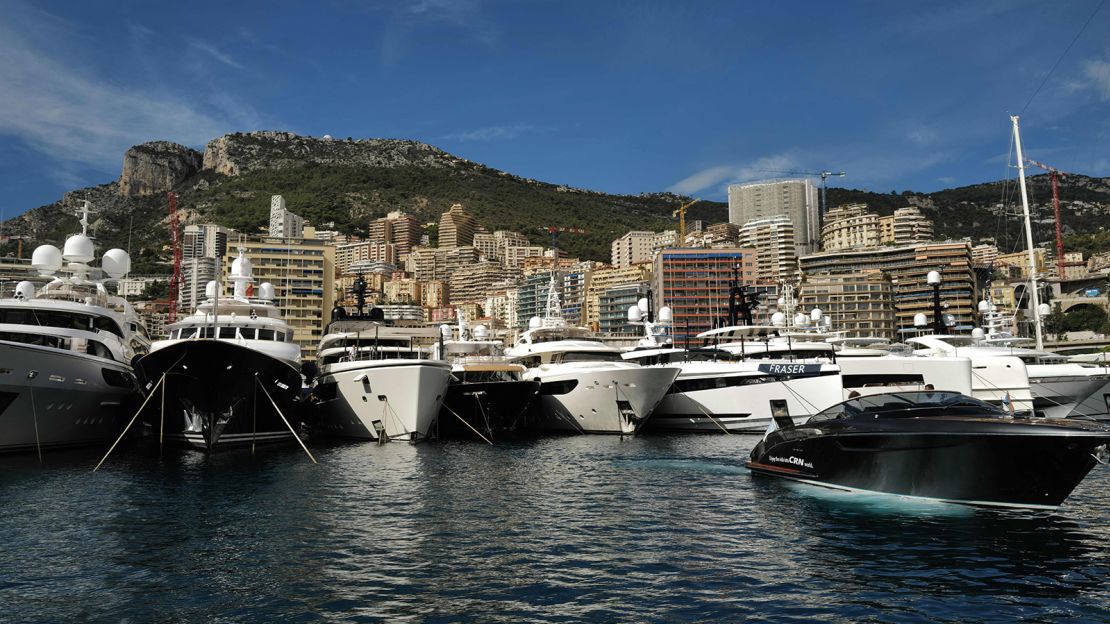
In a world beset by international conflict, rising energy prices, and lingering pandemic uncertainties, one of the most captivating spectacles continues to defy global turmoil: the Monaco Yacht Show. This annual event, held in the glamorous Mediterranean enclave, showcases some of the world’s most extravagant and technologically advanced superyachts ranging up to over 100 meters in length. Despite a backdrop of geopolitical anxiety, the event attracted a record-breaking assembly of luxury vessels, a testament to the resilience and enduring allure of luxury lifestyle.

The Monaco Yacht Show exemplifies how wellness and leisure pursuits remain pillars of personal well-being for the wealthy and aspirational alike. As Johan Pizzardini, the show’s communications head, notes, all of the world’s leading superyacht brands and the latest models were present, including 118 magnificent vessels with a combined value near $3.8 billion. Even amidst economic uncertainty, luxury yacht ordering remains robust, with new entries like the record-breaking AHPO, a 115.1-meter giant from German builder Lürssen, making waves in the industry. The message is clear: for the elite, investment in personal escape—whether by land or sea—continues to be a priority, fostering a culture centered around self-optimization and life’s pleasures.

Emergence of New Buyers and Design Innovations

This year’s event showcased a shift in buyer demographics. Not only seasoned yacht owners but also first-time luxury yacht buyers are making splashes with their debut vessels. New models like the 60-meter Lusine from Dutch shipyard Heesen, which boasts exquisite interiors by Sinot Yacht Architecture, exemplify this trend. Interior design experts such as Ron Holland and Francesco Paszkowski continue to elevate yacht aesthetics, blending functional luxury with cutting-edge sustainability. For many, this pursuit is more than ostentation: it’s about creating personal sanctuaries that promote mental/physical health and inspire.

Innovations like hybrids and eco-conscious propulsion systems reflect a _growing emphasis on environmental responsibility_. Tankoa’s Kinda, with its hybrid engine modes, encapsulates this commitment—combining power, efficiency, and a respect for nature. Such focus aligns with wellness experts advocating for a sustainable lifestyle that harmonizes indulgence with planetary stewardship, showing how luxury can coexist with _\u201cmindful living\u201d_ principles.

Industry Confidence and Investment in Dreamscapes

Despite recent sanctions impacting the Russian superyacht industry, the global order book remains strong. CEOs like Arthur Brouwer of Heesen report record orders, with over 1,000 superyachts under construction worldwide—a 24% increase from the previous year. This surge illustrates a confident market driven by a pandemic-inspired mindset: a desire to seize the moment and embrace personal freedom through luxurious escapism. For many, these vessels are more than assets—they are floating retreats that foster community, rejuvenation, and escape into wellness.

Moreover, the event revealed an ever-expanding array of custom features—from vibrant murals and opulent materials like mother-of-pearl and rare woods, to innovative amenities such as onboard gyms, massage salons, and helipads. These details exemplify how personalized experiences and lifestyle upgrades are shaping a new era of private luxury. Industry leaders emphasize that even in uncertain times, the quest for personal excellence remains a steadfast pursuit, fueling continued shipbuilding and innovation.

This glamorous gathering in Monaco reminds us that lifestyle is an ongoing voyage—a pursuit of balance, beauty, and strength amid the chaos. Like the majestic vessels that glide through azure waters, our own journeys are marked by resilience, innovation, and a relentless pursuit of betterment. In embracing these ideals, we discover that luxury isn’t just about material wealth—it’s about cultivating inner peace and creating spaces where one can truly thrive. As the world sways with uncertainty, the message is clear: through vision, craftsmanship, and a bold yearning for living fully, the journey to personal fulfillment continues unabated.

Asia-Pacific’s Travel Crown Slip: Is the Region Losing Its Global Edge?

Asia Pacific’s Travel Landscape: From Bust to Boom?

Once celebrated as the vibrant epicenter of global tourism, the Asia Pacific region has experienced a seismic shift in travel dynamics. With iconic destinations like Bali, Singapore, and bustling hubs in Japan and China, this region was responsible for over a third of all international passenger journeys pre-pandemic. But the global health crisis pivoted its trajectory, leaving many wonder if this once unstoppable traveler magnet will regain its former glory anytime soon. According to a recent CAPA report, Asia Pacific is projected to relinquish its title as the world’s largest travel region to Europe by the close of 2022, illustrating a sobering slowdown in recovery.

Despite a robust past, the numbers paint a different picture today. While 2019 saw an astonishing 3.38 billion passengers transit through Asia Pacific airports, forecasts now suggest this figure will fall to approximately 1.84 billion by year’s end. This decline is largely attributed to stringent border restrictions, mainly driven by China’s unwavering zero-Covid policy and Japan’s cautious reopening strategy, set to fully lift restrictions on October 11. These policies, while rooted in health considerations, have imposed a tangible toll on aviation and tourism infrastructure, stalling the momentum of regional recovery. Interestingly, while international travel has faltered, domestic tourism in countries like China continues to hold its ground, down only 5.4% from 2019 levels, hinting at an inner resilience that could eventually fuel broader bounce-back.

The Road to Reconnection: Challenges and Opportunities

Recovery efforts hinge heavily on political will and policy harmonization. Most travel in Asia Pacific destinations remains a shadow of pre-pandemic figures—hovering at 50% or less—except for exceptions like India, which is only 11% below 2019 benchmarks. Industry experts emphasize the importance of harmonized international travel rules, advocating for greater openness and continued vaccination drives to smooth the often fragmented patchwork of border policies. The ongoing restrictions, despite easing in some regions, underscore a broader message: trust and flexibility are key to fuel the revival of this vital travel ecosystem.

Travel professionals suggest that the region’s recovery will likely stretch into late 2023 or early 2024, driven by a mix of economic factors, epidemiological stability, and strategic initiatives to boost international connectivity. The Asian travel renaissance, if navigated adeptly, could serve as a cornerstone for economic revitalization, creating opportunities for entrepreneurs, youth explorers, and cultural ambassadors eager to reconnect with Asia’s diverse tapestry. As the world gradually reopens, the region’s internal drive for tourism innovation—from eco-friendly resorts to wellness retreats—aligns with a growing desire among young travelers to live authentically, embrace new experiences, and pursue personal growth through exploration.

Embarking on the Journey Forward

  • Plan with flexibility: In uncertain times, adaptable itineraries empower travelers to seize opportunities as borders shift.
  • Prioritize wellness: Wellness travel is more than a trend; it’s a lifestyle shift that fosters personal impact, filling journeys with purpose and rejuvenation.
  • Embrace cultural richness: Connecting with local communities enriches the travel experience, transforming it from routine to transformative.

In essence, travel isn’t merely a pursuit of leisure but a voyage toward self-discovery and interconnectedness. For the young adventurer, the traveler navigating the currents of global change, Asia Pacific’s unfolding story holds a mirror to broader societal shifts—one of resilience, unity, and the unyielding desire to explore. As borders open and connections are reestablished, a new chapter awaits—one in which journeys of discovery foster not just economic growth but also the spirit of global community. The adventure to embrace the world—and one’s place within it—continues, beckoning the next generation of explorers to step forward into a future full of promise.

Trump blasts Ukraine’s lack of gratitude for peace efforts amid global talks

Global Power Play in Ukraine: A Tense Flashpoint with Lasting Consequences

In what could be a pivotal moment in international relations, recent developments surrounding the ongoing situation in Ukraine reveal an intricate web of diplomacy, suspicion, and geopolitical tension. As U.S., European, and Russian actors converge in Switzerland and Geneva to discuss peace negotiations, the world watches with bated breath. The core of this crisis lies not only in Ukraine’s sovereignty but in the broader contest for influence—an ideological and strategic struggle that threatens to redefine the post-Cold War security order.

Amidst the dialogue, claims from Donald Trump and other U.S. officials about a proposed “peace plan” have stirred controversy. Trump accused Ukraine of ingratitude for U.S. efforts, while European leaders, including Ursula von der Leyen and Friedrich Merz, sharply criticized parts of the plan that suggest Ukraine cede territory and limit its military capabilities. These demands—crafted, according to reports, by Kirill Dmitriev, a key Kremlin figure—pose a direct challenge to the core principles of Ukraine’s territorial integrity and NATO’s eastward expansion, which is seen by many Western analysts as essential for European stability. The plan’s language, reportedly translated from Russian, hints at Moscow’s enduring desire to roll back NATO’s post-1997 borders, echoing Putin’s pre-invasion rhetoric and ambitions to restore what he perceives as Russia’s rightful sphere of influence.

Deciphering the Geopolitical Impact: Who Shapes the Future?

  • On one side, the United States appears to be caught between supporting Ukraine’s sovereignty and internal political debate, exemplified by recent mixed messages from figures like Marco Rubio. While some senators suggest the plan is a Russian-inspired leak, others insist U.S. involvement, with “input” from Russia, was significant—highlighting the complex, often contradictory nature of Washington’s diplomacy in this crisis.
  • Meanwhile, European leaders emphasize that any peace arrangement must respect Ukraine’s borders and security. German Chancellor Friedrich Merz has expressed skepticism about an imminent agreement, cautioning against accepting demands that would undermine Ukraine’s sovereignty or set a dangerous precedent for other nations.
  • Russia’s ambition remains clear: force NATO’s military footprint back to its 1997 boundaries and undo the strategic security architecture established in the post-Cold War era. Putin’s call for NATO to withdraw from Baltic states and central Europe signals an attempt to reassert Moscow’s dominance—a move that threatens European stability and global security.

The international community, especially European nations, fears that acquiescing to Moscow’s demands would trigger a dangerous precedent, potentially encouraging territorial revisions by authoritarian regimes elsewhere. A senior European diplomat warned that accepting such a plan would undermine decades of diplomatic progress and embolden other revisionist states, creating a fragile, unpredictable global order. Historians like John Mearsheimer have long warned that concessions to revisionist powers can encourage future aggression, and current signals appear to confirm these fears.

How the Decision Shifts Societies and the Arc of History

The stakes extend far beyond military borders. If Ukraine is forced into concessions, it risks losing not only territory but also its sovereignty—something that would resonate deeply across Europe and the West. President Volodymyr Zelenskyy faces a tragic dilemma: to compromise on core national interests or to risk losing vital Western support. The result would be a divided Europe, where the principles of self-determination and security are compromised in favor of expedient peace—potentially repeating the dangerous appeasements of the interwar period.

Furthermore, the emerging international consensus underscores a stark reality: the future security architecture of the continent hinges on decisions made today. As analysts caution that Russia aims to turn back the clock decades, the global balance of power remains unsettled. The unfolding negotiations are more than simple diplomacy—they are the battlefield of ideas and influence, where the outcome will shape the geopolitical landscape for generations.

As history continues its relentless march, the world stands at a fragile crossroads—a place where the choices made now will echo through the annals of history. Will nations defend their sovereignty and uphold the principles that underpin stability, or will they succumb to pressures that could unravel the delicate fabric of peace? In this unfolding drama, the weight of future generations rests on the resolve of leaders to stand firm, knowing that the course of history has yet to be written, and the story of Ukraine’s resilience remains a poignant testament to the ongoing struggle for sovereignty and global stability.

Social Media Auto Publish Powered By : XYZScripts.com