
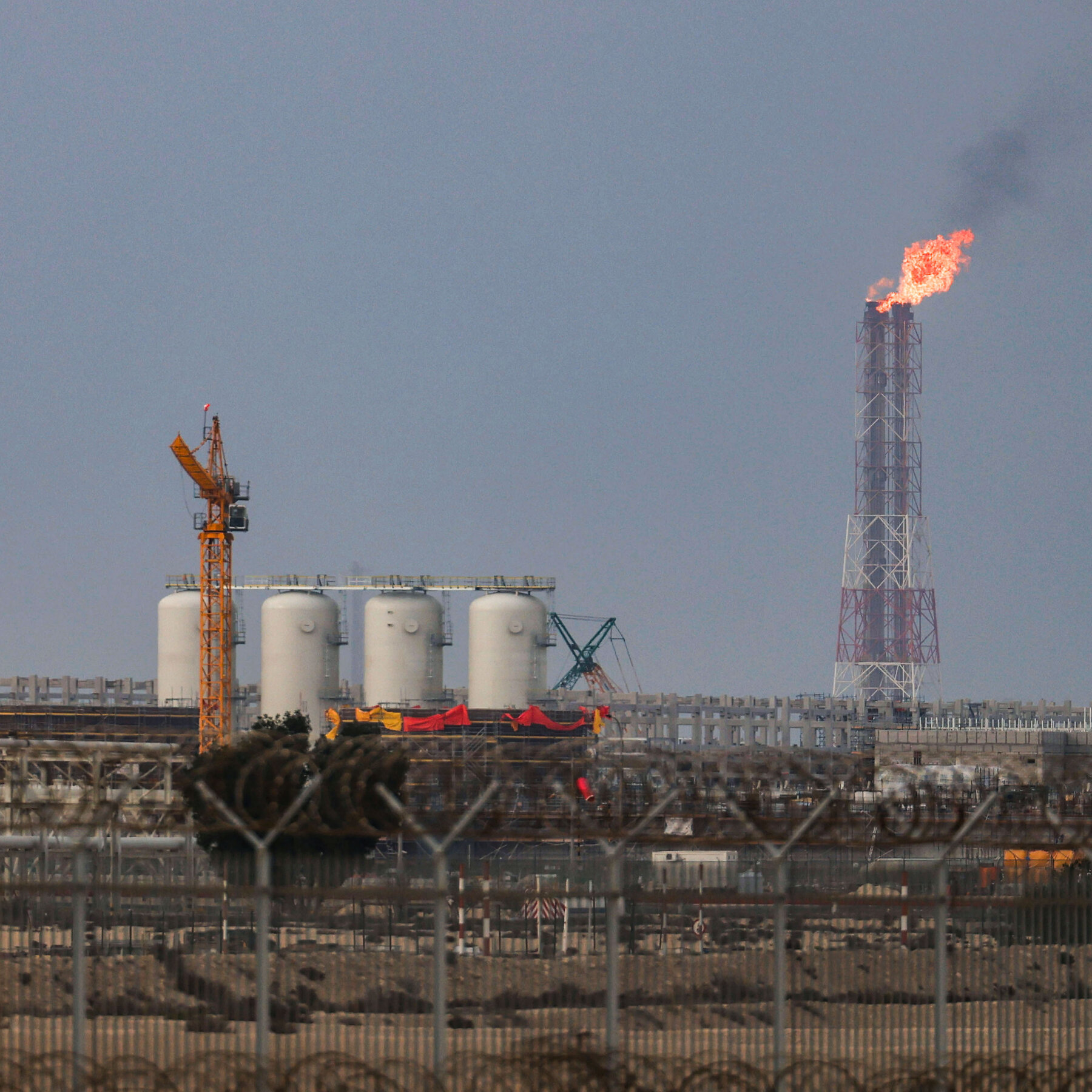

The global economy is grappling with deepening global supply shortages as the closure of the Strait of Hormuz, a critical maritime chokepoint, enters its third month. What began as a regional conflict’s ripple effect has now materialized into acute shortfalls of essential commodities across the world, creating significant pressures on international trade and national economies.
Initial warnings from industry experts and officials regarding the potential for severe disruptions to oil, gas, and other vital resources have proven accurate. The sustained blockade of this strategic waterway has led to a cascade of economic challenges, threatening jobs, hindering growth, and pushing consumer prices upward in an already fragile global market.
Escalating Commodity Crisis
The Strait of Hormuz, through which a substantial portion of the world’s oil and liquefied natural gas (LNG) transits, has become a focal point of economic anxiety. Its closure has directly impacted the availability and cost of energy resources, sending shockwaves through energy-dependent industries and households globally. Beyond energy, the disruption extends to various other critical commodities, exacerbating existing supply chain vulnerabilities.
As reported by the News Desk, the initial three-month period has seen the fallout spread rapidly, transforming an anticipated challenge into a tangible crisis. Nations reliant on these crucial imports are now facing difficult choices, from rationing supplies to seeking costly alternative sources, further straining national budgets.
Disproportionate Impact on Developing Nations
While the economic repercussions are felt globally, developing countries are disproportionately bearing the brunt of these intensifying shortages. Many of these nations lack the economic resilience and diversified supply chains to withstand prolonged disruptions, making them particularly vulnerable to rising commodity prices and reduced availability.
The scarcity of essential goods, coupled with increased transportation costs, threatens to undermine development efforts, exacerbate poverty, and trigger social unrest in already fragile regions. For these economies, the crisis is not merely about market fluctuations but about access to fundamental resources vital for daily life and industrial activity.
“The sustained blockade of the Strait of Hormuz has transformed anticipated challenges into a tangible crisis, threatening global jobs and growth.”
The long-term implications for global trade infrastructure and economic partnerships are also significant. Nations may begin to re-evaluate their reliance on single chokepoints, potentially leading to increased investment in alternative routes or domestic production capabilities, though such shifts require substantial time and capital.
Navigating Future Economic Headwinds
Addressing these escalating global supply shortages requires a multifaceted approach, combining diplomatic efforts to de-escalate regional tensions with practical strategies to mitigate economic fallout. Governments and international organizations must prioritize stabilizing commodity markets and supporting vulnerable economies through this period of intense pressure.
The path forward demands careful economic stewardship and a commitment to maintaining open, resilient trade channels. The current situation underscores the interconnectedness of the global economy and the profound impact geopolitical events can have on everyday lives and long-term prosperity. Proactive measures are essential to prevent further destabilization and ensure a more secure economic future for all.






