Matox News

Truth Over Trends, always!

YouTube TV, ESPN, Disney blackout: what’s really happening?

Disruption in Traditional Election Coverage: Streaming Platforms Shift Viewer Preferences

In a striking development that underscores the rapid evolution of the media landscape, recent data reveals a significant shift away from traditional broadcast networks towards popular streaming services like YouTube TV for election coverage. During the last two U.S. election cycles, the majority of viewers on YouTube TV opted not to watch established broadcasters such as ABC, choosing instead to access news through alternative online sources. This trend signals a seismic change in how younger audiences consume news — favoring accessibility and on-demand content over legacy media formats.

This pivot is emblematic of a broader disruption of the traditional media business model. With a proliferation of free, easily accessible information on platforms like YouTube and its main service, consumers are becoming less reliant on conventional broadcast channels that rely heavily on advertising and cable subscriptions. This shift represents a formidable challenge to legacy broadcasters, who are now competing in a crowded digital marketplace that prioritizes immediacy, interactivity, and personalized content. As industry analysts from Gartner and MIT observe, the market is experiencing a fundamental transformation driven by the rise of digital-native content.

From an innovation standpoint, streaming services are pioneering features that further entrench their dominance.

  • Enhanced user engagement through live commentaries and social integrations
  • Higher accessibility on multiple devices, including smartphones and smart TVs
  • Customized news feeds powered by machine learning algorithms

Meanwhile, traditional broadcasters face the dilemma of retrofitting their distribution models or risking obsolescence. Major players like Comcast and Disney are investing heavily in their own streaming platforms, yet the competitive pressure from YouTube and others remains intense.

Industry leaders and futurists such as Elon Musk and Peter Thiel emphasize that this trend toward digital disruption extends beyond news into sectors like finance, transportation, and even AI. They warn that the speed of innovation demands swift adaptation, or risk falling behind. The implications for businesses are profound: companies rooted in traditional models must innovate aggressively to stay relevant, or face declining market share and eroding influence.

Looking forward, the trajectory points toward an increasingly decentralized and democratized media ecosystem. Emerging technologies such as immersive virtual and augmented reality, alongside real-time data analytics, are poised to redefine user engagement. Governments, corporations, and consumers must move with urgency, embracing this wave of innovation to harness its full potential. The message is clear: in the race for attention in the digital age, standing still is equivalent to falling behind. The future belongs to those willing to disrupt, innovate, and lead the charge into what remains a rapidly unfolding frontier of technological progress.
Google Maps gets a major boost for India with Gemini updates and safety alerts

Google Elevates Maps with Gemini AI Integration in India: A Game-Changer for Digital Navigation

In a bold move to disrupt traditional navigation paradigms, Google has begun integrating its innovative Gemini AI technology into Google Maps, specifically tailored for the Indian market. This strategic deployment signifies a major leap in AI-powered navigation, transforming how millions of users plan routes, access real-time safety alerts, and explore localities. The rollout, which commenced in the U.S. and is now expanding to India, underscores Google’s relentless drive to lead in disruption and innovation—with national localization and contextual awareness at its core.

By embedding Gemini—a sophisticated generative AI model—into Maps, Google is redefining user interactions. The new features include contextual route suggestions, hands-free AI assistance, and comprehensive location details. Miriam Daniel, Google Maps’ vice president, emphasizes that localization extends beyond language translation; it involves adapting to India’s unique geographical, linguistic, and cultural landscape. The service will support nine Indian languages initially, ensuring broad accessibility while enhancing the navigational experience. This approach enables hyper-personalized guidance, empowering users with smarter, more intuitive routes.

The business implications of this innovation are profound. Google’s partnership with India’s National Highways Authority of India (NHAI) exemplifies a strategic move to harness near real-time data for enhanced safety. New features include accident-prone zone alerts supported by visual and audio warnings, designed in collaboration with local authorities. Such safety-centric updates are not only crucial for user trust but represent a strategic shift toward integrating AI with infrastructure data—ushering in a new era of disruption in transportation safety systems. Furthermore, proactive notifications about route disruptions and delays, extended to major urban centers like Delhi, Mumbai, and Bengaluru, position Google Maps as an indispensable tool for urban mobility—reshaping the very business model of how navigation services generate revenue and user engagement.

While these technological strides highlight Google’s aggressive innovation agenda, concerns over reliability persist—in particular, instances like the tragic accident involving an unfinished bridge in Uttar Pradesh have cast shadows over trust in digital navigation systems. Google’s proactive approach, including partnerships with local agencies to improve data accuracy, exemplifies an industry-wide recognition that trust and safety remain critical to long-term disruption. Industry analysts such as Gartner suggest that this fusion of AI and real-world data signifies a pivotal shift, driving a new wave of smart, adaptive infrastructure—though not without inherent risks. As AI continues to evolve, so does the industry’s need to address safety, accountability, and transparency standards.

Future Outlook: The Race Toward Ubiquitous, AI-Driven Navigation

Looking ahead, the integration of Gemini AI into Google Maps signals a seismic shift in how digital navigation intersects with daily life. With ongoing enhancements like voice-supported flyover navigation and speed limit alerts, Google is setting the stage for a future where AI doesn’t just assist but actively manages and predicts real-world conditions. Analysts from MIT and industry veterans like Peter Thiel underscore that this trajectory—marked by rapid innovation and disruptive potential—requires startups and incumbents alike to accelerate familiarity with AI-driven solutions or risk obsolescence.

This year’s developments underscore an undeniable trend: The future belongs to those who leverage AI to transform infrastructure, safety, and mobility. Market shifts favor proactive adaptation, and companies that ignore this wave risk falling behind. Awaiting just beyond the horizon are enhanced autonomous systems, smarter cities, and seamless, real-time digital-physical integration. As Google’s initiative demonstrates, the imperative is clear: disruption is accelerating, and the race to dominate the AI-powered landscape is more urgent than ever.

This week’s top steals: Google Pixel Watch 3 and Anker’s dual-headed USB-C cable—gear up smart!

Emerging Trends Signal Disruption in Consumer Tech Industry

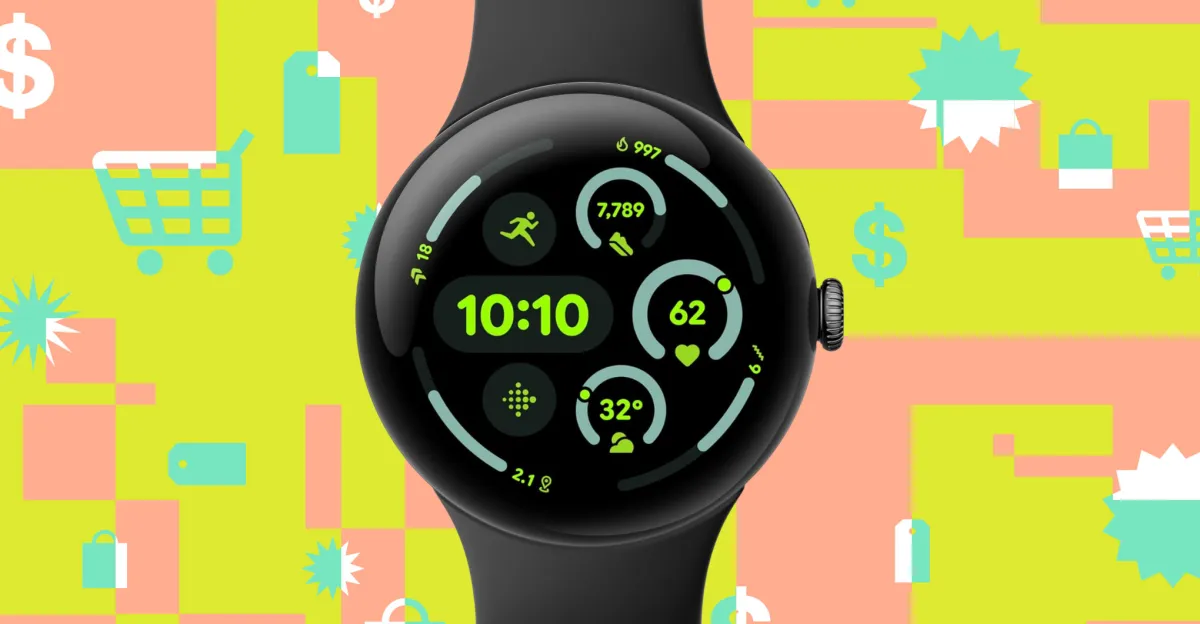
In an era marked by rapid technological innovation and market disruption, companies are leveraging new hardware and software advancements to secure their footholds in a fiercely competitive landscape. Google’s Pixel Watch 3 exemplifies this shift, showcasing not only the integration of Wear OS 6 with revolutionary AI features but also emphasizing the importance of health-centric wearables in the evolving ecosystem of Android devices. As Victoria Song highlights in her recent review, the watch’s extended battery life, seamless integration with Pixel devices, and multi-functional capabilities—including remote Google TV control and offline navigation—highlight how Google is positioning itself to challenge established players like Samsung and Apple.

Beyond smartwatches, accessory innovators such as Anker and Microsoft are driving disruption in the accessory and gaming markets. Anker’s new 2-in-1 USB-C cable restructures charging logistics, allowing consumers to charge multiple devices simultaneously with peak power throughput when paired with a 140W adapter, such as Apple’s latest offering. This move not only signifies a technological leap but also signals a shift towards more efficient, space-saving… device management—crucial in a market where productivity and convenience are paramount. Meanwhile, Microsoft’s Xbox Wireless Controller, now retailing at record lows, underscores how timeless hardware design—founded on user comfort and durability—continues to influence the gaming industry.

Implications for Business and Industry Leaders

These innovations are emblematic of a broader industry trend that favors disruption over tradition. Tech giants and startups alike recognize that differentiation now hinges on integrated ecosystems. For instance, Google’s push into AI-powered health tracking and software-driven updates reflect an understanding that continuous innovation is essential for maintaining competitive advantage. Analysts from Gartner suggest the wearables and accessories markets could see compound annual growth exceeding 20% over the next five years, driven by consumer desire for smarter, more interconnected devices.

Such market shifts compel established companies to reevaluate their strategies, while new entrants capitalize on niche innovations. The business implications are profound, including heightened patent activity, strategic acquisitions, and a focus on AI-driven feature development. As industry leaders like Elon Musk and Peter Thiel emphasize, disruption in technology not only challenges the status quo but also creates enormous opportunities for those who can harness these innovations swiftly and effectively. Competition will intensify, and companies must prioritize agility and strategic foresight to avoid being rendered obsolete.

Looking Forward: Seizing the Future of Tech Innovation

As we look ahead, one thing remains clear: The technological landscape is undergoing a fundamental transformation, driven by rapid advances in AI, wearable tech, and smart accessories. Industry insiders warn that failing to innovate could leave legacy companies trailing behind more agile disruptors. The convergence of hardware and software, exemplified by products like the Pixel Watch 3 and Anker’s new charging solutions, signals an era where disruptive innovations will redefine consumer expectations and redefine market winners.

For young entrepreneurs and established players alike, the challenge is to anticipate, adapt, and accelerate amidst this dynamic upheaval. In a world where technology is no longer an enabler but a core differentiator, the race for innovation is more urgent than ever, and those who capitalize on emerging trends now will shape the digital economy of tomorrow.

Google’s New York Offices Hit with Bed Bug Outbreak — What’s Going on Behind the Screens?

Google’s New York City Campus Encounters Bed Bug Outbreak, Highlighting Industry Challenges

In a striking reminder that even the most innovative technological giants are not immune to operational disruptions, Google recently issued a notice to employees at its Chelsea campus in New York City regarding a potential bed bug outbreak. The incident underscores ongoing challenges in maintaining clean and healthy environments within the rapidly evolving landscape of tech hubs, despite the company’s status as an industry leader in innovation. Exterminators, equipped with advanced sniffing dogs, confirmed credible evidence of pests, prompting the immediate suspension of office activities until remediation efforts were completed.

Implications for Business Operations and Industry Standards

This recurring annual issue reveals a broader truth about high-density tech campuses—sustainable innovation demands resilient infrastructure and robust operational protocols. Google’s proactive approach, including additional inspections across its New York campuses, exemplifies industry best practices. The incident not only disrupts workflow but also raises questions about workplace hygiene standards in these high-profile centers of innovation. Such occurrences serve as a reminder to industry leaders and firms across sectors about the lurking vulnerabilities of large-scale physical environments, even amidst the digital revolution.

Broader Industry Trends and Disruptive Challenges

The recurrence of pest issues at Google’s offices is emblematic of urban tech hub insecurities faced by Silicon Valley giants and startups alike. Past incidents, such as the 2010 outbreak at Google’s Ninth Avenue offices, highlight a persistent challenge in managing the intersection of urban living conditions and cutting-edge workplaces. As industry analysts like Gartner emphasize, disruption isn’t limited to products or markets—it extends to operational resilience and health standards.

Future Outlook: Innovation Meets Continued Disruption

While these setbacks might seem minor against the epoch-defining scope of technological progress, they serve as crucial lessons for future innovation strategies. Technological disruption is often accompanied by unforeseen operational vulnerabilities, underscoring the need for integrating advanced pest management and environmental controls into corporate infrastructure. Experts like Elon Musk and Peter Thiel have long warned that disruption also requires resilience and agility—traits that will define market leaders in the coming decade. Going forward, the emphasis on health-driven innovation and sustainable workplace environments will be essential to sustain growth amid mounting external challenges. The lesson remains clear: as the artificial and digital realms accelerate, so must the robustness of their physical counterparts.

Google’s Gemini in Home Keeps Calling My Dog a Cat—Time for Better AI?

Google’s Gemini Revolutionizes Smart Home Ecosystem, Signaling Major Industry Disruption

In a bold stride toward hyper-intelligent home automation, Google has integrated its latest large language model, Gemini, into the Android-based smart home ecosystem, marking a pivotal shift in how consumers interact with connected devices. Announced in early October, this technological leap is not merely an incremental upgrade; it indicates a significant disruption in the smart device industry, with far-reaching implications for entrenched players and emerging startups alike. As business analysts and industry experts scrutinize, the integration of Gemini suggests an unstoppable momentum toward AI-driven environmental awareness and autonomous decision-making, setting a new standard for the convergence of AI and IoT.

By replacing Google Assistant with Gemini across a decade-old range of Google Nest devices, the company signals its focus on innovation and disintermediation. The new AI-powered assistant offers profound improvements, such as multi-command understanding, automated routines, and richer contextual alerts — capabilities once reserved for high-end enterprise systems. Notably, disruption extends beyond user experience: this technological shift challenges legacy industry models, compelling traditional security camera firms and smart device manufacturers to accelerate their AI integration plans or face obsolescence. As Gartner recently noted, the advent of large language models in consumer devices will catalyze an ecosystem where data, automation, and user engagement are more tightly intertwined than ever before.

Innovation in Action: Smarter Security and Home Automation

  • Enhanced contextual alerts — such as distinguishing delivery personnel from pedestrians or neighborhood animals
  • Advanced automation — enabling users to set complex routines through conversational commands
  • Improved response accuracy — reducing false positives like misidentifying indoor dogs as cats or hallucinating events

However, these improvements come with a note of caution. Industry veteran Elon Musk warns that heavy reliance on AI, particularly in safety-critical applications like home security, warrants rigorous testing and oversight. Currently, Gemini’s indoor camera alerts still experience hallucination issues, such as mislabeling a dog as a cat, illustrating that AI models require more refined training before deployment at scale. Still, the trajectory leads toward an autonomous, AI-driven smart environment that is less about manual control and more about seamless, anticipatory, and context-aware assistance.

Business Implications: Disruption, Competition, and Market Shifts

The strategic move by Google exemplifies disruption theory in action. Traditional players like Arlo and Sony are now under pressure to embed comparable AI capabilities or risk losing ground to Google’s integrated ecosystem. The move also raises the bar for startups aiming to carve niches in AI-powered smart homes, as consolidation appears imminent. Equally, business implications extend to data privacy debates, with AI models requiring vast data sets for refinement, thus prompting new regulatory and ethical considerations. According to MIT’s Digital Economy Lab, the integration of large language models into everyday devices accelerates a paradigm shift from device-centric to data-centric business models, where control over AI and consumer data becomes the new competitive battleground.

Looking to the future, the question remains: are we witnessing the dawn of a new era in AI-powered living spaces or the early signs of overhyped disruption? Given the rapid pace of innovation, companies that prioritize disruption through technological breakthroughs and adopt a forward-thinking, agility-first approach will shape the next frontier of smart technology. With industry giants like Google pushing the envelope, the time for startups and incumbents alike to adapt is unmistakably now — because the smart home of tomorrow is being engineered today, and those who fail to innovate risk being left behind in a dust cloud of legacy systems and missed opportunities.

Top Deals: Motorola Razr Ultra & Marshall Emberton II Lead the Pack this Week

2025: A Year of Breakthroughs and Industry Shifts in Technology

As the technological landscape accelerates into 2025, industry leaders are witnessing unprecedented waves of innovation and disruption that are fundamentally reshaping consumer markets and enterprise sectors alike. Notably, the launch of the Motorola Razr Ultra signals a renewed focus on foldable devices, integrating cutting-edge hardware with an ultra-stylish aesthetic that appeals to a youthful, style-conscious demographic. With its dual-display setup featuring a 7-inch inner screen and a 4-inch outer panel, powered by the Snapdragon 8 Elite chipset, this device exemplifies the convergence of form and function, setting a new benchmark for mobile tech that prioritizes both innovation and user experience.

The business implications of such innovations extend well beyond aesthetics; they signal a pivotal shift in how device developers incorporate AI and versatile hardware to meet the demands of next-generation consumers. The addition of a dedicated AI button for live transcriptions and notification summaries illustrates a move towards more intuitive, context-aware devices—an evolution driven by industry visionaries like Elon Musk and analysts from Gartner. Meanwhile, accessories are following suit. The Marshall Emberton II portable speaker, now more affordable at Best Buy and Amazon, showcases how iconic brands are pivoting towards rugged, outdoor-friendly designs with multi-directional stereo sound, enhancing brand relevance and consumer engagement in competitive markets.

The rapid growth of integrated peripheral solutions underscores a broader trend: hardware ecosystems are becoming more interconnected and powerful. The Ugreen 8-in-1 dock exemplifies this, bringing a wealth of connectivity—including four Thunderbolt 4 ports, gigabit Ethernet, and multiple USB-A ports—centered around an efficient 140W GaN charger. Such innovations streamline workflows, allowing professionals and power users to operate seamlessly across multiple high-resolution displays, high-speed data transfers, and legacy accessories. This level of hardware integration paves the way for more flexible, portable, and powerful computing setups, which are indispensable as remote work becomes entrenched within corporate strategies.

Looking ahead, these technological advancements demonstrate an industry eager to disrupt traditional paradigms by weaving together hardware excellence, AI sophistication, and consumer-centric design. Industry observers like Peter Thiel have long predicted that the most impactful companies will be those that leverage disruptive innovations to redefine user expectations. The combination of rugged, stylish devices like the Motorola Razr Ultra, smart accessories like the Emberton II, and comprehensive connectivity hubs suggests that 2025 may be the year where breakthrough fundamentals set the stage for a more integrated, AI-powered, and consumer-first digital ecosystem. A sense of urgency surrounds these shifts: the companies that embrace this future faster will dominate an increasingly competitive landscape driven by innovation, disruption, and relentless pursuit of future-ready tech. As the industry propels itself forward, it remains clear—those who hesitate risk falling behind in the race for technological supremacy.

Seoul eyes OK for Google, Apple’s high-res map plans—tech reach meets city limits

South Korea Weighs High-Resolution Map Data Export—A New Battlefield for Tech Giants

South Korea is at a pivotal crossroads in its approach to geospatial data sovereignty, with tech giants like Google and Apple vying for approval to export high-resolution maps outside the country. The decision, anticipated around November 11, could significantly alter the landscape for digital innovation, national security, and business strategy in Asia’s high-tech hub. Governments worldwide are increasingly scrutinizing the use and export of detailed geospatial information, viewing it as a double-edged sword—crucial for technological progress but a potential security threat.

The controversy centers on the export of 1:5,000 scale maps—maps that reveal street-level detail far more granular than traditional maps. These detailed datasets hold immense value for localized services, giving market leaders like Google and Apple a substantial edge in competitive navigation and augmented reality platforms. However, the sensitivities surrounding such information stem from concerns over national security, especially given South Korea’s ongoing conflict with North Korea. Lawmakers and security officials highlight the risks of exposing military sites and strategic assets if detailed maps are made accessible outside the country’s strict regulatory framework.

This regulatory tug-of-war underscores a broader trend of nations asserting digital sovereignty, with South Korea’s Geospatial Information Management Act serving as a key legal pillar. Since its enactment in the 1970s, the law has imposed rigorous controls on foreign access to geographical data, requiring government approval—often multiple layers of review—before allowing any export or transfer. Notably, Google’s previous requests for access have been rejected—in 2011 and 2016—unless the company committed to locating local data centers and obscuring sensitive sites. While Google has reportedly taken steps to blur military and security sites, it continues to seek permission for exporting high-res map data, which could drive its competitive advantage globally.

Disruption is imminent, with Apple making parallel moves to expand its high-resolution mapping footprint. In June, Apple submitted a request to export detailed map data, following a prior rejection in 2023. Notably, Apple’s strategy diverges by leveraging local servers, granting them increased flexibility and potentially quicker compliance with South Korean security requirements. The company is also reportedly exploring partnerships with local satellite data providers like T Map, owned by SK Telecom, to adhere to regulatory mandates while enriching its map quality. In this rapidly evolving landscape, the implications for market dominance and technological innovation are profound: local competitors such as Naver and Kakao continue to leverage high-detail maps, whose capabilities threaten to displace global players if regulatory hurdles are navigated successfully.

Recent international precedents highlight the strategic importance of geospatial data for national security and technological leadership. Governments have demanded the deactivation of real-time traffic or live mapping features in conflict zones—such as Israel and Ukraine—demonstrating the sensitive nature of live geo-information. Experts such as MIT’s Dr. Elizabeth Bell and cybersecurity analysts emphasize that controlling geospatial data is not just about privacy but about maintaining competitive advantage and sovereignty in the era of disruptive innovation. Companies like Google and Apple are navigating a digital battleground where every map update or data request could reshape their global market position.

Looking ahead, the South Korean decision will serve as a benchmark for other nations grappling with geo-security and innovation policies. The push-and-pull between openness and security reflects a broader geopolitical shift—where digital infrastructure becomes a key component of national strength. As industry leaders and policymakers grapple with these issues, the urgency to innovate responsibly while safeguarding sovereignty will only intensify, demanding agility, strategic foresight, and uncompromising adherence to emerging regulatory standards. The future of geospatial technology hinges on how countries and corporations balance these conflicting priorities—an unmistakable sign that we are entering a new era of digital sovereignty and technological disruption.

Top 3 Smart Displays of 2025: Youth-Driven Picks from a Tech Enthusiast

Emerging Smart Display Market Disruption Sparks Industry Shift

The smart home ecosystem is once again at an inflection point, as major tech players intensify their push into the rapidly evolving market for smart displays and voice assistants. Though companies like Amazon and Google continue to innovate, recent developments are highlighting an industry grappling with innovation, disruption, and uncertain long-term viability. As consumers remain captivated by the promise of seamless integration and AI-powered automation, industry analysts warn that the current trajectory may fundamentally alter the landscape of connected home devices.

Amazon’s latest lineup of smart displays and speakers exemplifies ongoing efforts to disrupt traditional interfaces. The release of the Echo Show 8 (4th Gen) and the Echo Show 11 signals a strategic push to leverage AI-enhanced functionalities with a focus on user personalization and conversational interfaces. Notably, Amazon’s recent rollout of its innovative Alexa+ AI assistant—powered by generative AI—aims to fundamentally transform voice interactions. This upgrade allows the assistant to execute complex tasks and learn from user behavior, aligning with Elon Musk’s vision of AI-driven ecosystems. However, this disruption comes with significant business implications: Amazon reportedly faced losses exceeding $10 billion in 2022, largely stemming from Alexa’s challenges. Yet, the company’s resilience in continuing to introduce new devices underscores a belief that AI disruption can carve out a sustainable market trajectory.

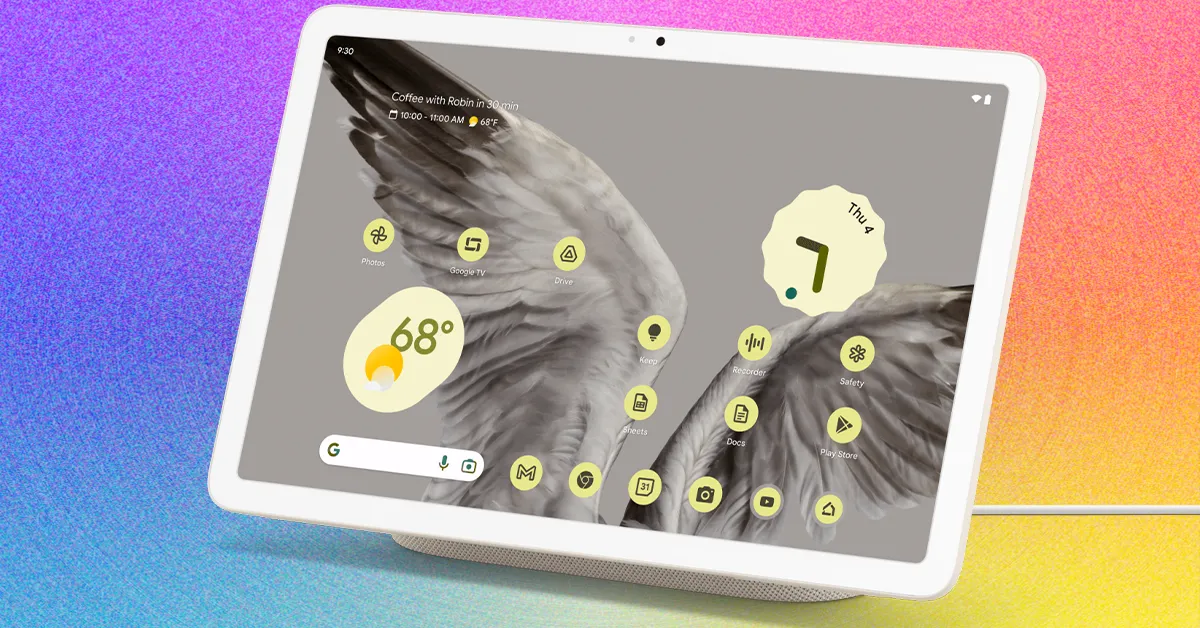
At the forefront of this disruption, Google plans to roll out its new AI assistant, Gemini, across its existing lineup—excluding the currently limited Google Pixel Tablet. This signals a strategic shift where AI innovation is expected to redefine user engagement and device capabilities. While Google has thus far avoided the smart display frenzy, industry leaders acknowledge that third-party partners are likely to fill the gaps, potentially disrupting the market with versatile, AI-enhanced devices. Gartner’s recent outlook emphasizes that when companies successfully integrate generative AI into user interfaces, the implications span beyond consumer convenience to reshape how smart home ecosystems function—what Peter Thiel refers to as “creating a new ecosystem of disruption.”

While the industry races toward innovation, certain market segments face acceleration of obsolescence or decline. Notably, the viability of current smart display forms remains under scrutiny. Meta’s discontinuation of its Portal devices and Apple’s stalled efforts into smart displays underscore a broader trend: the market may be experiencing a phase of re-evaluation and realignment. As companies experiment with new AI-powered interfaces, the industry could see a consolidation or even a phase-back, where only the most innovative, privacy-conscious devices survive—especially given recent shifts in privacy policies, such as Amazon’s removal of local voice processing in favor of cloud-based AI models. This shift leaves consumers vulnerable to increased data processing and raises concerns among privacy advocates, signaling that future devices must balance disruption with trust.

Looking ahead, the industry’s next chapter is set to define the future of connected homes. Innovators like Elon Musk and MIT’s AI labs suggest that AI-driven disruption will dominate the next decade, disrupting old paradigms and creating new markets. The question remains: can legacy players adapt swiftly enough to capitalize on the AI revolution, or will emerging startups seize the opportunity to redefine the smart display industry? As tech titans pour billions into advancing AI functionalities, one thing is clear—those who innovate aggressively and safeguard user trust will shape the future of smart homes. The clock is ticking, and the industry’s response over the coming months could determine its trajectory—either toward revolutionary disruption or continued obsolescence.

NBCUniversal’s YouTube TV Deal Brings Some Shows Straight to YouTube, Giving Fans More Options

In a bold move that underscores the accelerating disruption of traditional media, NBCUniversal has announced a strategic partnership with YouTube TV to expand its digital footprint. While financial details remain confidential, the deal notably includes exclusive rights to full TV shows, clips, and highlights, along with a reinvigoration of NBC Sports Network (NBCSN), which was shut down four years ago. This move exemplifies how legacy broadcasters are leveraging innovative streaming platforms to recapture viewer engagement and monetize content, signaling a clear shift in the industry dynamic.

As Matt Schnaars, an NBCUniversal executive, articulated, the company is advancing its Peacock strategy by launching new channels on YouTube Primetime Channels and maintaining a presence on Google TV. This multi-platform approach leverages the dominance of tech giants like Google to disrupt traditional cable models, turning to streaming-first strategies that cater to the increasingly digital-first consumer base. Such initiatives not only amplify NBC’s reach but also illustrate a broader industry trend where content licensing and platform partnerships are becoming vital for maintaining relevance in a saturated media ecosystem.

Industry analysts such as Gartner and MIT’s Media Lab emphasize that these shifts reflect a broader trend of disruptive innovation—where established broadcasters are adopting tech-driven models to avoid obsolescence. The relaunch of NBCSN and its inclusion in subscription packages are particularly notable, as they suggest that media conglomerates are experimenting with hybrid revenue streams—combining traditional advertising, subscription fees, and licensing—aimed at capturing diverse consumer segments. The move also hints at a strategic pivot: utilising sports content as a key driver for new revenue sources, especially as rights for marquee events are increasingly becoming battlegrounds for digital dominance.

  • Reintroducing NBCSN into subscription bundles enables monetization outside conventional cable subscriptions, broadening revenue options.
  • This strategy allows NBCUniversal to adapt rapidly to the post-linear era, where viewers demand on-demand, multi-device access.
  • Furthermore, leveraging popular streaming platforms complicates regulatory and competitive landscapes, posing both opportunities and challenges for existing players.

As industry leaders like Elon Musk and venture capitalists such as Peter Thiel have long argued, the future of media is rooted in innovation and disruption. The implications of NBCUniversal’s moves extend beyond mere content distribution; they represent a pivot point that could redefine revenue models, consumer engagement, and competitive strategies across the media landscape. With tech giants investing heavily in original content and distribution innovations, traditional broadcasters are compelled to rethink their business models swiftly. Ignoring these shifts risks obsolescence, but those who innovate—like NBCUniversal—stand to reshape the very fabric of entertainment consumption in the coming decade.

Fundamentally, the industry is on the brink of a transformation driven by technological convergence and audience-centric strategies. As new partnerships and streaming innovations emerge, it becomes increasingly clear that those who adapt quickly will dominate the next era of entertainment. The question remains: in an era of unprecedented disruption, will legacy players lead the charge or fall behind as nimble tech companies redefine the rules of the game?

Social Media Auto Publish Powered By : XYZScripts.com