Matox News

Truth Over Trends, always!

IRS to Lay Off Half Its Staff Amid Government Shutdown—A Wake-Up Call for Fiscal Responsibility

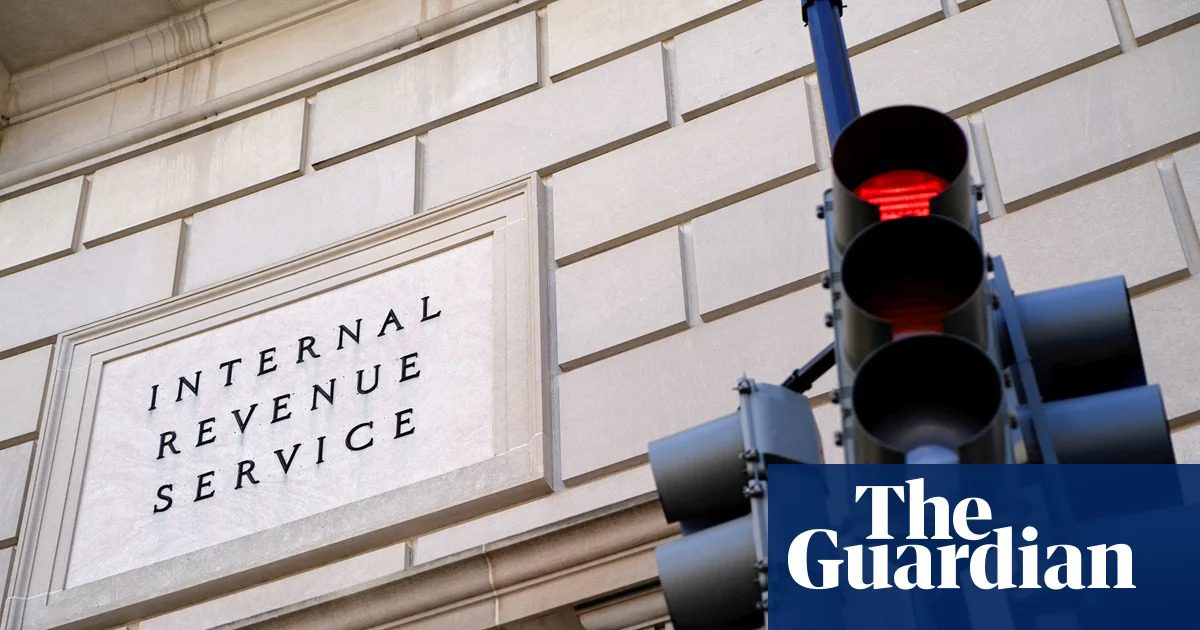
The United States continues to grapple with a prolonged government shutdown, an event that once again exposes the fragility of its bureaucratic machinery and signals potentially more profound repercussions on the global stage. As the Internal Revenue Service (IRS) announces it will furlough nearly 34,000 employees — approximately 53.6% of its workforce — the ripple effects are felt not only within domestic borders but across international economic networks. With vital tax enforcement and financial oversight hamstrung, analysts warn that global financial markets and diplomatic relations could become increasingly volatile.

The decision by the IRS comes amidst a broader political standoff in Washington over budget allocations, which has forced the federal government into a shutdown scenario. This internal crisis intensifies questions about the stability of American governance at a time when the nation’s geopolitical influence appears to be waning. The furlough, effective from October 8, leaves only about 39,870 employees working, as the agency warns of potentially increased delays in tax processing, enforcement, and taxpayer assistance. For an economy that claims to be the world’s financial nucleus, such disruptions underscore how internal political discord can weaken global standing.

International institutions and foreign governments are closely monitoring the fallout. The International Monetary Fund and World Bank have issued cautious statements, emphasizing that the United States’ political gridlock fosters **uncertainty** that could hinder emerging markets and global trade agreements. With the U.S. fiscal posture appearing increasingly unstable, countries dependent on dollar reserves and international commerce face mounting risks. Meanwhile, critics within global geopolitics warn that ongoing internal chaos may embolden adversaries, fueling narratives that America’s capacity to lead on the world stage is compromised.

  • A day after the furlough announcement, a White House memo suggested that furloughed federal employees, including those in the IRS, might not receive back pay, contradicting the protections established by the *Government Employee Fair Treatment Act of 2019*. Such conflicting signals intensify fears of escalating internal discord, which could serve as a strategic advantage for geopolitical rivals like China and Russia.
  • Historians point out that previous shutdowns have historically exposed the vulnerabilities in the American political system, but this instance’s broader economic implications are far more significant in an interconnected era where national security, trade, and diplomacy are inseparable.

As the crisis deepens, the global community watches intently. The echoes of internal strife in America serve as a sober reminder that the decisions made within the corridors of power resonate far beyond national borders. With each day that the government remains paralyzed, the world witnesses a chapter of internal disarray threatening to reshape the geopolitical landscape itself — a narrative still being written in the shadow of a nation that once stood as an unmatched superpower. History’s judgment, waiting patiently at the crossroads, will weigh heavily on those who choose to ignore the signs of an empire in peril, as the unfolding story bears the weight of the future.
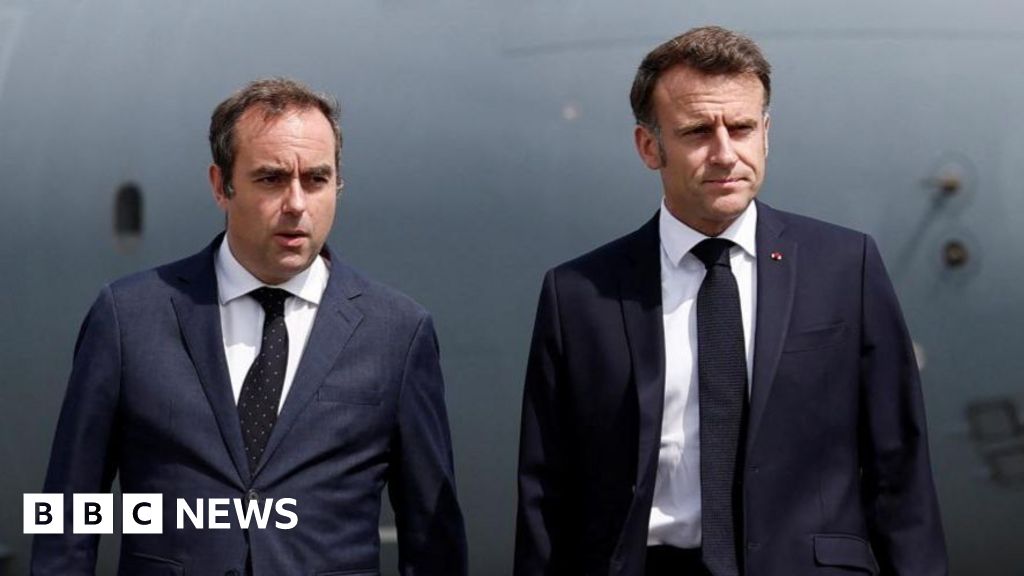
French Prime Minister Lecornu steps down after brief tenure, signaling shifts in government leadership

France finds itself once again in the throes of political chaos, as ongoing instability threatens not only its internal governance but also its geopolitical stability within the European Union. The recent resignation of Prime Minister Sébastien Lecornu, after a mere 26 days in office, underscores the fractured state of French politics. His departure marks the third prime minister to fall since December 2022, highlighting a pattern of elite infighting that has destabilized the nation at a time when the global balance of power demands clarity and decisive leadership. The turmoil intensifies as Macron’s government faces mounting pressure from an increasingly polarized parliament, which has failed to produce a workable consensus on economic reforms or national security policy.

  • France’s political leadership has been rocked by a series of short-lived governments, including Michel Barnier’s tenure, which collapsed within three months after a no-confidence vote. The root cause can be traced to the unprecedentedly divided parliament, born out of Macron’s call for snap elections after a humiliating European Parliament defeat. Instead of producing a stable majority, these elections resulted in a hung parliament, with ideological wedges deeply entrenched. The resulting political deadlock threatens to hamper efforts to address France’s pressing economic challenges, including a staggering national debt that now exceeds €50,000 per citizen, and a deficit of 5.8% of GDP in 2024. These figures position France dangerously close to the fiscal precipice, making political stability an urgent matter for the European bloc as well.

Analysts like John Roberts, a senior European affairs commentator, argue that France’s political instability not only hampers its domestic policy but also has profound geopolitical implications. An unstable France can embolden adversaries such as Russia and China, who are actively seeking to exploit divisions within NATO and the EU. Historically, French leadership has played a crucial role in shaping European policy, especially on security and economic integration; yet, with the current carousel of governments, how long can France maintain its position as a pillar of stability in Europe? Past commentators warn that the ongoing chaos could lead to a further erosion of confidence among allies and partners.

At the heart of the crisis lies a fundamental question: How will Macron navigate this storm? With public sentiment fraying and calls for early elections echoing across political factions—particularly from the hard-right and left-wing opponents—Macron faces a stark choice. Some sources suggest he may dissolve the National Assembly, risking a fresh electoral wave that could reshape French politics for years. The potential victory of Marine Le Pen’s populist forces would dramatically shift the European landscape, challenging the mainstream consensus and reaffirming a nationalist, sovereignty-centered approach. Among global institutions, concerns are mounting over Macron’s capacity to stabilize the country while safeguarding European unity amidst these turbulent developments.

As history watches from the sidelines, the question remains whether France’s current turmoil is a transient phase or a harbinger of deeper systemic crisi. With every failed government, the stakes rise—every decision made in Paris echoes across the continent and beyond. The unfolding drama leaves international observers contemplating not just France’s future, but the broader trajectory of Western civilization, whose core values are now tested by internal discord. Even as Macron contemplates his next move, the relentless tide of history presses forward, inscribing yet another chapter of uncertainty into the fabric of a Europe that once stood as a bastion of stability. A single moment of decisive leadership, or the lack thereof, could determine which direction the continent will take—towards renewal or further decay—while the weight of history continues to hang heavy in the air.

Andrej Babiš Relaunches Government Talks with Czech Parties

Rallying for Power: Czech Republic’s Political Future in Flux

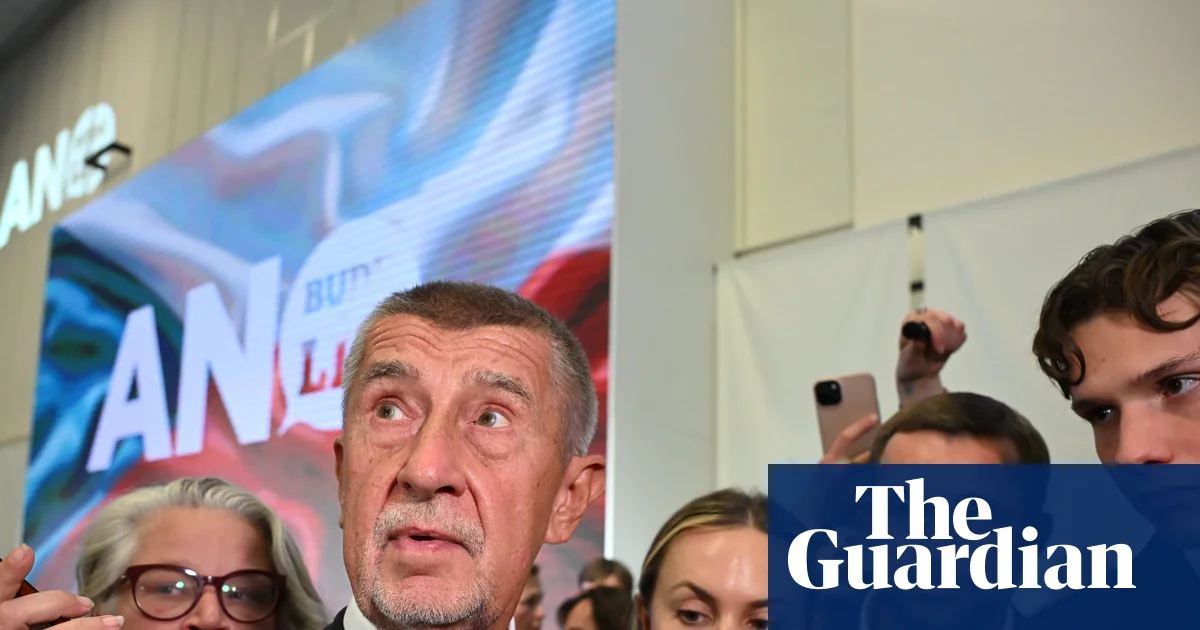
In a critical moment of European politics, Andrej Babiš, the billionaire populist and former prime minister, is maneuvering through the intricate parliamentary landscape of the Czech Republic. Following the recent elections, Babiš’s ANO party emerged as the largest bloc, capturing 34.5% of the vote—an impressive victory that nonetheless fell short of an outright majority in the 200-member parliament. This electoral outcome underscores the persistent divide within Czech society, where populist sentiments and traditional European values collide amid the ongoing reshuffling of the continent’s political order. With opposition parties ruling out coalition with ANO, Babiš’s task becomes a high-stakes game of diplomacy and political brinkmanship involving fringe right-wing groups such as SPD and the Motorists.

As President Petr Pavel holds meetings with party leaders, the broader geopolitical impact becomes increasingly evident. Pavel has signaled his intent to steer the nation in a “pro-western direction” and uphold the core democratic institutions that it shares with the European Union and NATO. Importantly, Pavel’s stance reflects a strategic counter to the populist rhetoric of Babiš, who has publicly vowed to oppose EU migration policies and green initiatives, advocating instead for a more nationalist, sovereignty-focused approach. This impending power struggle is pivotal not just for the Czech Republic but for the stability of the EU, especially considering the recent comments from European factions and the warnings from international analysts about how domestic politics can influence EU cohesion.

The international community remains vigilant as Babiš seeks to solidify his position. European far-right leaders like Orbán of Hungary and Marine Le Pen of France have rushed to praise Babiš, framing his success as a broader surge of patriotic parties across Europe. This wave of nationalism risks further fracturing the European project, especially if Babiš manages to form a government that echoes anti-EU sentiment—despite his repeated protests of being “pro-European” and “pro-Nato.” The analysts from the European Parliament and think tanks warn that such alliances could threaten the unity of the bloc, challenging its collective response to external threats and migration crises.

According to historians and geopolitical analysts, the future of Czech politics could significantly reshape regional alliances and influence EU strategy. The possible emergence of a minority government supported by fringe right-wing parties may destabilize Czech deliverables on European and Atlantic commitments. The risks extend beyond domestic politics; a shift towards more nationalist, Eurosceptic policies could embolden similar movements in neighboring states, fostering uncertainty in a critical corner of Europe. As the nation’s leaders scramble for power, the corridors of European influence are echoing with cautionary warnings. This internal clash, rooted in contrasting visions for national sovereignty versus European integration, signals a tense prelude to what could be a defining chapter for Czech society and its role within the broader international order.

This unfolding drama is more than a local political saga; it is a microcosm of the ongoing battle over the soul of Europe. The decisions made in Prague will reverberate across continents, testing the resilience of alliances and the resolve of democratic institutions. As history continues to unfold with the weight of consequence, the world watches—standing at the precipice of change, where the future is forged not just in elections but in the enduring struggles over identity, sovereignty, and the path of nations on the global stage.

Trump Admin Flags ‘Radical Left’ on Government Sites to Wake Up Youth

Political Blame Game Intensifies Amid Federal Government Shutdown

The recent federal government shutdown has become more than just a political event; it signals a potential shift in how public sector narratives are shaped through digital platforms. As Congress remains deadlocked on crucial funding legislation, Senate and House leaders have taken to digital banners on prominent federal websites—such as the US Department of Agriculture and the Department of the Treasury—explicitly blaming the opposition for the crisis. This unprecedented move illustrates a new arena of political disruption, where government communication becomes a direct battleground for public sentiment and accountability.

Leading into this political chaos, industry analysts observe that such digital activism can have profound implications beyond mere messaging. The visible blame game not only stokes partisan divides but also demonstrates a deeper evolution in government communication strategies—leveraging branding and narrative control similar to high-stakes corporate campaigns. Experts at MIT and analysts across the tech industry warn that this approach might set new standards for how government transparency and crisis management are handled, potentially leading to increased politicization of digital infrastructure.

While some federal sites, like the White House, highlight the ongoing shutdown through timers and status updates, others, such as the State Department and the Federal Communications Commission, adopt more neutral stances, simply noting that www updates have been paused. This patchwork of communication reveals a broader industry trend—digital messaging tactics are evolving amidst political upheaval, forcing both government agencies and private sector firms to reconsider how crises are presented online.

From an innovation standpoint, organizations are now experimenting with interactive banners, real-time updates, and even targeted messaging—a shift driven by a new wave of digital disruption.

  • Adoption of emergency communication APIs
  • Leveraging AI-powered chatbots for real-time engagement and clarification
  • Enhanced data analytics for understanding public sentiment and misinformation flow

The disruption signals a future where digital advocacy tools could become standard in crisis scenarios, transforming government agencies into realtime conversational platforms.

The business implications are significant, as cybersecurity firms and digital strategists scramble to develop resilient communication layers capable of withstanding political attacks. Disruption in this space raises urgent questions about data integrity, bias, and the potential weaponization of digital platforms—especially with the rise of AI-driven misinformation campaigns. Industry pioneers such as Palantir, IBM Watson, and emerging startups are racing to unify crisis communication systems that blend technological innovation with strategic agility. Such advancements are critical as governments and organizations face increasing demands for transparency, accountability, and rapid response capabilities in an era defined by information warfare.

As the shutdown persists and political factions continue to use digital banners as battlegrounds, technology leaders and policymakers must recognize that this is more than a temporary disruption—it is a harbinger of future conflicts over digital trust and information sovereignty. Looking ahead, the fusion of disruptive tech, innovative communication platforms, and strategic disruption will dominate the landscape, demanding urgency from stakeholders to lead with agility and foresight. Failure to adapt risks not only operational setbacks but also the erosion of public trust in institutions—a challenge that will shape the next era of digital governance and civic engagement.

US government stalls as Senate blocks bipartisan bills—shutdown looms in 2025

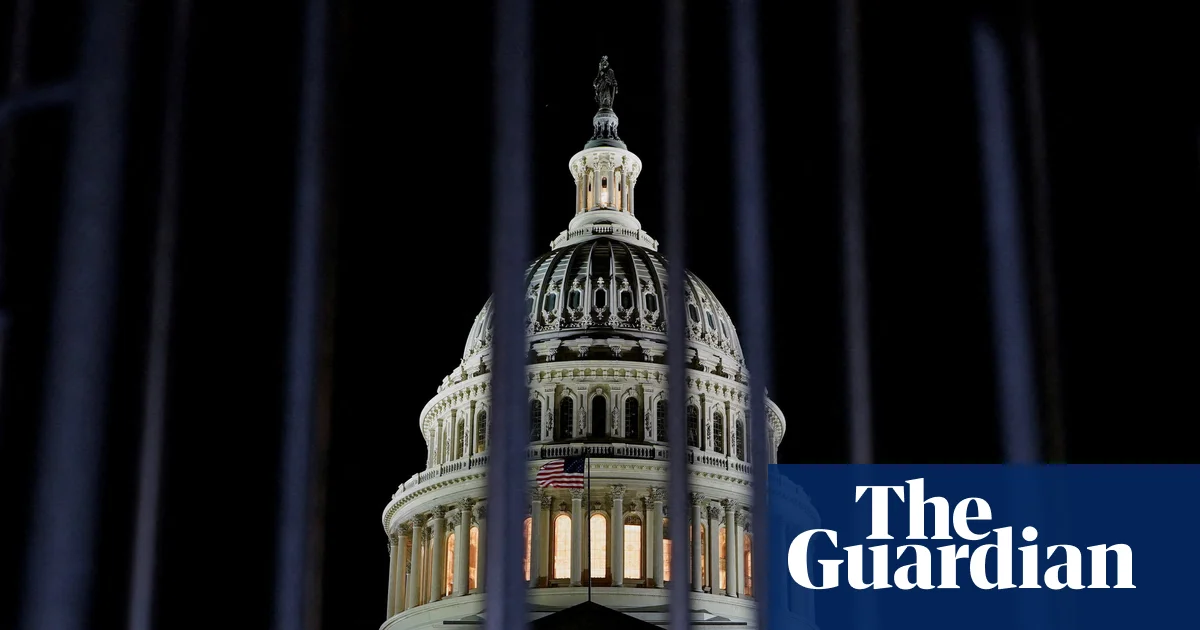
The ongoing deadlock in Washington underscores the escalating crisis within America’s political arena, with the nation witnessing its first government shutdown since 2018. The failure to pass a bipartisan budget has thrust the United States into uncharted territory, revealing the profound schisms that threaten not only domestic stability but also the country’s standing on the global stage. The refusal of Senate Republicans to accept a Democratic-led funding bill, coupled with persistent opposition from the GOP-controlled House of Representatives, exposes a political impasse that analysts warn could have lasting geopolitical repercussions. In this volatile climate, the decision to halt government functions risks ripple effects beyond American borders, influencing international perceptions of U.S. stability and leadership.

At the core of this standoff lies a broader battle over domestic policy priorities—from healthcare to fiscal responsibility—meticulously dissected by thinkers such as history professor John Williams, who argue that these legislative struggles are emblematic of a deeper decline in bipartisan consensus. The Democratic Party insists on extending Affordable Care Act subsidies and reversing recent Medicaid cuts, projecting an image of defending the middle and vulnerable classes. Conversely, Republicans portray their opposition as safeguarding national interests from a supposed leftist overreach. Analysts warn that such inflexibility reinforces a cycle of American political dysfunction, which could embolden foreign adversaries and weaken U.S. influence. While some voices, like Senate Majority Leader John Thune, call for negotiation, the reality remains stark: the nation stands at a critical juncture where internal discord could erode the broader geopolitical order.

International observers, including officials from NATO and the United Nations, scrutinize America’s internal strife, recognizing that political stability in the world’s superpower directly impacts global security. The US may be distracted by its internal conflicts, but its adversaries, such as China and Russia, are watching closely, sensing opportunities to exploit perceived American weakness. The specter of a protracted shutdown threatens to undermine the global economic recovery, given the likelihood of delayed decisions on trade and security matters. “This chaos demonstrates how fragile American governance has become,” warns international political analyst Maria Chen. As millions of federal workers face layoffs, the international community is left to contemplate: how long can a nation grounded in democratic ideals sustain its capacity for leadership in such turbulent waters?

The weight of history looms large, as past shutdowns serve as cautionary tales illustrating the dangers of partisan brinkmanship. Figures like Ted Cruz dismiss the current crisis as a “temper tantrum” destined for capitulation, but experts warn that each iteration entrenches a cycle of political calamity. The unfolding drama’s ultimate toll—furloughed workers, strained social services, and damaged credibility—poses consequences that will outlive current administrations. As scholars monitor this unfolding saga, the narrative remains clear: the decisions made today are carving the geopolitical map of tomorrow. The world watches with bated breath, with the future of America and its role on the world stage hanging in the balance, as the pages of history continue to turn, rewriting the story of a nation struggling to find unity amidst division.

Here’s a rewritten headline in a moderate right-wing, youth-oriented lifestyle news tone: “What’s Behind the Possible US Government Shutdown? Here’s What You Need to Know—and When It Could Happen”

Unveiling the Turmoil: The Potential US Government Shutdown and Its Impact on Personal Well-being

In a nation often heralded as the pinnacle of economic and political power, the looming threat of a US government shutdown demands more than just political analysis—it calls for a reflection on how such upheavals influence everyday life, personal well-being, and our collective resilience. As Congress grapples with partisan disagreements over budget provisions, the possibility of a shutdown signals a stark reminder of how intertwined political stability is with individual health, leisure, and the pursuit of a lifestyle aligned with values of autonomy and fiscal responsibility. Historically, shutdowns are not anomalies but recurring patterns—yet their recurrence continues to challenge the American psyche, especially among the youth who aspire to carve out vibrant, independent lives amidst shifting political tides.

The core issue fueling the current crisis revolves around heated debates over healthcare and social safety nets, with Democrats pushing to extend tax credits and Medicaid provisions, and Republicans advocating for expenditure cuts aimed at reducing the size of government. This dissonance underscores a broader cultural shift towards personal responsibility and limited government interference. For young Americans seeking freedom in their careers or personal pursuits, prolonged shutdowns threaten to introduce uncertainty into daily routines—delaying travel, freezing certain government services, and creating financial insecurities. The potential halt of non-essential services juxtaposed with the continued operation of law enforcement and border protection paints a nuanced picture: some facets of national life remain steady, yet the ripple effects of a shutdown ripple into social and economic domains, affecting everything from travel plans to mental health.

What makes this period even more compelling is how the White House’s stance diverges from past shutdowns, with officials seemingly comfortable with extended government pauses that echo the Trump administration’s aggressive spending cuts. Such an approach raises the question: are we witnessing a strategic use of government shutdowns as a mechanism for accelerating reform? For the young generation yearning for income stability and meaningful engagement with their communities, the prospect of a shutdown signifies a test of resilience. Will they adapt to an environment where government functions such as social security and Medicare continue, but with potential delays—and perhaps a partisan atmosphere that fosters uncertainty rather than unity? Understanding these shifts is vital for those hungry for a lifestyle rooted in self-reliance and proactive engagement.

In essence, the American experience with shutdowns encapsulates a broader narrative—a push-pull between individual liberty and collective governance. As history shows, these episodes, though often brief, leave lasting impressions on national productivity and individual morale. For the aspiring young adult, the key takeaway is clear: embracing a lifestyle of preparedness, financial literacy, and personal health during turbulent political times can turn potential chaos into an opportunity for empowerment. With each shutdown, there is a chance to reevaluate personal goals, prioritize wellness, and anchor oneself in values of independent thought and resilience. The journey through such periods may be fraught with uncertainty, but it also offers a canvas to build a life that reflects unwavering commitment to oneself—integrating wellness, ambition, and the unwavering pursuit of liberty as fundamental rights worth defending and nurturing every day.

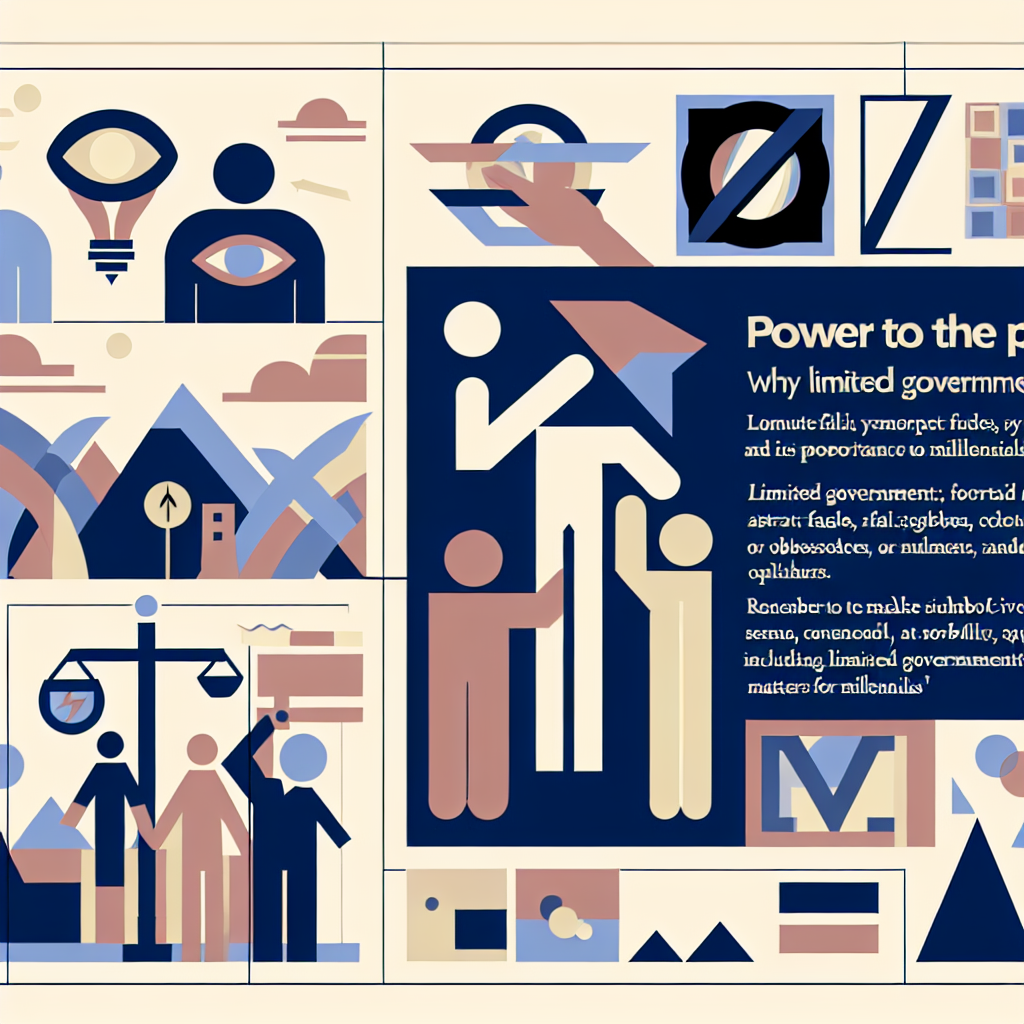
“Power to the People: Why Limited Government Matters for Millennials”

For millennials navigating a rapidly evolving world, the principle of limited government remains a crucial safeguard against erosion of personal freedoms and economic vitality. While debates about the role of government persist, evidence suggests that excessive regulation and intrusive state intervention can hinder innovation, stifle entrepreneurship, and undermine individual responsibility—values that resonate deeply within the younger generations seeking a more dynamic, self-reliant future. Critics of expansive government powers often evoke the insights of Friedrich Hayek, who warned that a concentration of authority risks creating a dependency cycle detrimental to personal empowerment and economic freedom.

Supporters of limited government argue that free markets catalyze the most efficient allocation of resources, fostering a climate where millennials can thrive as creators, disruptors, and entrepreneurs.

  • The reduction of bureaucratic red tape
  • The emphasis on individual liberties over collective mandates
  • The decentralization of political authority to empower local communities

are seen as vital steps in cultivating an environment where youthful ambition can flourish. Historical analysis from economists like Milton Friedman underscores that less government intervention often correlates with greater economic growth, a critical consideration for a generation battling student debt, housing crises, and unemployment. As such, a leaner government structure aligns with millennial aspirations for personal sovereignty and economic opportunity.

Beyond economics, limited government also plays a pivotal role in safeguarding individual rights. When the state overreaches, it risks infringing on privacy, free speech, and personal autonomy—cornerstones of a free society. Many young adults witness firsthand the consequences when governments extend their reach into everyday life, from escalating surveillance to overregulation of digital spaces. Prominent voices like Senator Rand Paul emphasize that a government that governs least empowers citizens to make their own choices, preserving the moral and civil liberties essential for a flourishing democracy. For millennials, this is not merely a preference but a moral imperative: the preservation of their future freedom hinges on a political ethos that respects private sector innovation over state control.

As society stands at a crossroads, the call for power to the people echoes louder than ever. The burden of shaping tomorrow insists that authority remains rooted in the individual and local communities, rather than distant bureaucracies. Analysts suggest that a shift toward limited government not only preserves liberties but reinvigorates civic engagement and accountability, fostering a resilient social fabric. The debate fuels a rising movement that refuses to accept mediocrity enforced by monolithic institutions, advocating instead for a reinvigoration of the entrepreneurial spirit and personal agency. The future of millennials—our stewards of this world—may hinge on whether they can uphold the age-old truth that true power resides within each person, waiting quietly for the moment to ignite a revolution of freedom and self-determination. When the dawn of this future arrives, it will carry with it the silent promise that history’s greatest civilizations were never built on the weight of unlimited government but on the unwavering strength of the people’s resolve—those who, with unwavering faith, believe that in the delicate balance of power, liberty must always be their guiding star.

Social Media Auto Publish Powered By : XYZScripts.com