
Australia finds itself at a critical crossroads as new legislation aimed at curbing protests in Sydney’s CBD is challenged in court, reflecting larger global debates about security, civil liberties, and social cohesion. The NSW government’s recent anti-protest law—enacted in response to a terrorist incident at Bondi—restricts the use of the Form 1 system, a legal tool historically employed to facilitate peaceful demonstrations and negotiate between protesters and authorities. However, critics argue that these measures threaten the very fabric of democratic expression and impose unjust limits on constitutional freedoms.
Legal representatives for groups including the Blak Caucus, Palestine Action Group (PAG), and Jews Against the Occupation ’48 appeared before the court, asserting that the law “impermissibly burden[s] the implied constitutional freedom of communication” essential to political discourse. Lawyer David Hume SC questioned the legitimacy of targeting protests to “enhance social cohesion,” alleging that such restrictions are not only unnecessary but also counterproductive. His argument underscores a broad concern among civil libertarians and international observers that the law mirrors policies seen in other regions where governments leverage security rhetoric to suppress dissent.
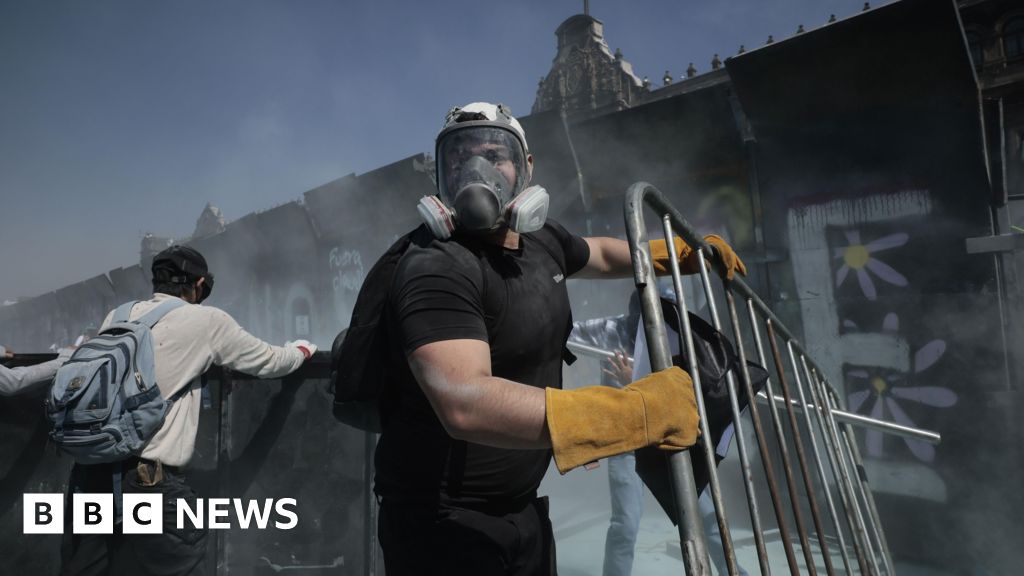
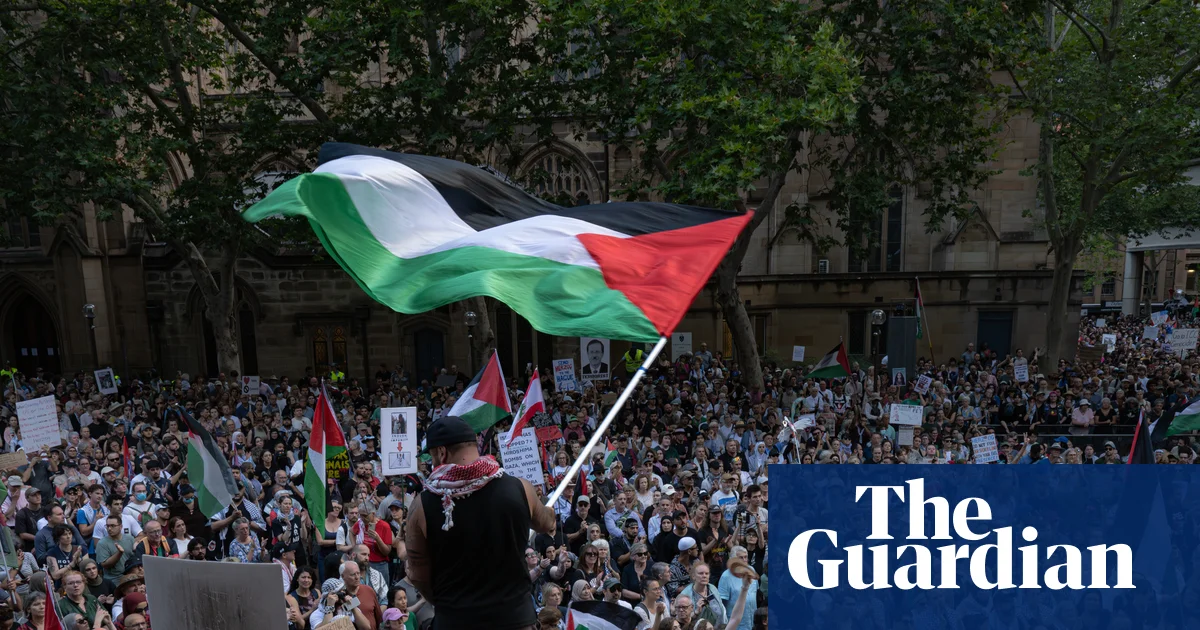
The NSW police have extended the public assembly restriction multiple times, citing unspecified community safety concerns rather than concrete intelligence. Such measures effectively prohibit protests in designated areas, including the recent rally against Israeli President Isaac Herzog’s visit, which turned violent. This pattern of enforcement raises alarms about the erosion of democratic rights during a period of heightened political tensions. Critics argue that the restrictions amount to a “fox guarding the henhouse,” allowing authorities to unilaterally decide which protests are permissible, thus undermining checks and balances that should safeguard democratic liberties.
Geopolitical Impact and Society
The implications of Australia’s approach extend beyond domestic borders, influencing regional stability and global perceptions of governance. International organizations and security analysts observe that laws labeled as “anti-terror” often serve as pretexts to consolidate executive power and silence opposition. Historically, countries that prioritize security over civil-liberties risk sowing social discord and fostering perceptions of authoritarian drift. In Australia, this has prompted scrutiny from historians and political analysts who warn that persistent restrictions on protest could lead to long-term societal fractures and loss of public trust in institutions that are supposed to protect democratic rights.
The debate over the legislation also mirrors larger geopolitical dynamics—particularly in the context of Australia’s alliances and regional role. While the government asserts the measures are necessary to combat extremism and maintain social order, critics warn these policies could backfire, fueling resentment and radicalization among marginalized communities. International institutions, such as the United Nations, have historically cautioned against overly broad security measures that infringe on fundamental freedoms—warning that societies risking this balance might ultimately weaken their social cohesion rather than enhance it.
As the court case unfolds, so too does the broader narrative of a nation grappling with its identity—ballasted by the weight of its history of protest and activism. Historians highlight that every attempt to silence dissent often echoes through generations, shaping perceptions of justice and freedom. The verdict in this case will inevitably influence future legislation, testing the resilience of Australia’s democratic principles. Like a shadow cast by history’s unfolding tapestry, the outcome of this legal challenge could determine whether the nation marches toward greater liberty or into the muted silence of authoritarian conformity—leaving the world contemplating the true cost of security in a fragile society.