Matox News

Truth Over Trends, always!

Hawaii Storms Cause Over $1 Billion in Damage, Governor Reveals

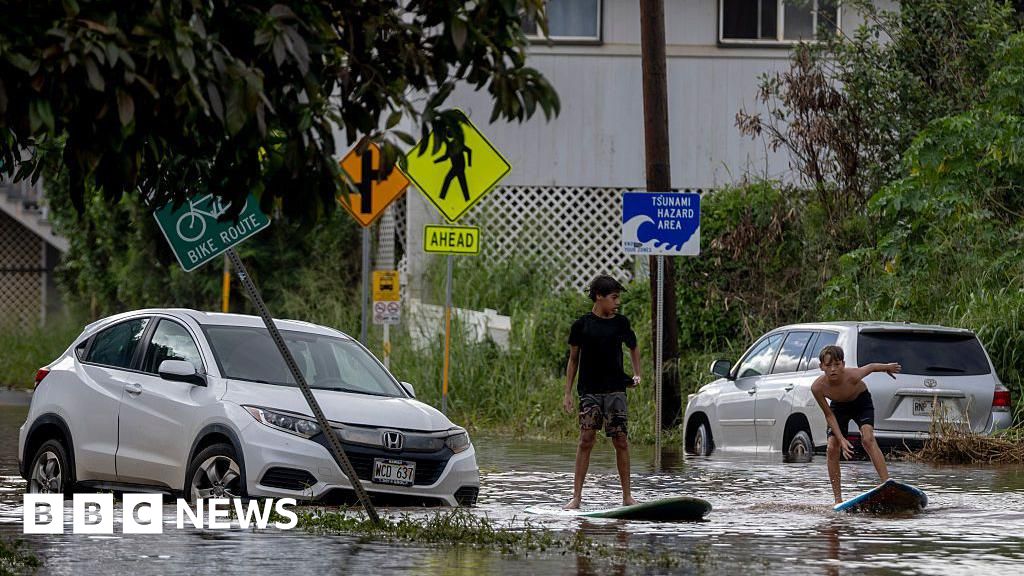
Recent weather calamities in Hawaii have underscored the devastating toll that climate-related disasters can impose on local infrastructure and economies. Governor Josh Green announced that the full extent of damages to roads, bridges, and essential services remains unassessed but emphasizes that the catastrophic flooding has already revealed vulnerabilities that could have broader geopolitical implications. As global climate change accelerates, such events threaten to destabilize regional stability and heighten the pressure on international aid agencies, prompting a reevaluation of resilience strategies in vulnerable areas.

The rains and flooding — described as some of the worst in recent memory — have caused widespread destruction that not only disrupts daily life in Hawaii but also serves as a stark warning to nations worldwide. Historically, such extreme weather events have been catalysts for policy shifts aimed at boosting infrastructure resilience, but critics argue that many governments lag behind in implementing necessary reforms. International organizations like the United Nations have repeatedly called for urgent action, yet debates persist over responsibility and funding, especially for impoverished or politically unstable regions. This calamity spotlights the ongoing climate crisis, which analysts warn could provoke increased geopolitical tensions as nations scramble for resources and aid.

Geopolitical impact extends beyond environmental considerations. As Hawaii contends with the aftermath, regional and global leaders are assessing how climate change can exacerbate existing tensions—particularly in areas prone to natural disasters. Allegiances are being tested, with some nations using such events as opportunities to leverage aid and influence, while others face internal criticism for inadequate preparedness. Many security experts, including those at the International Crisis Group, warn that in a world increasingly shaped by climate-induced disruptions, failing to prepare could lead to humanitarian crises that destabilize entire regions, causing ripple effects that threaten global peace.

Moreover, the ongoing situation in Hawaii, a U.S. state often perceived as a remote paradise, lays bare the importance of proactive governance in safeguarding national interests. History demonstrates that neglecting infrastructure and environmental preparedness in key strategic regions can have ripple effects far beyond local borders. As international institutions urge for coordinated responses, questions remain about the pace and adequacy of such measures. The unfolding catastrophe in Hawaii is not solely a regional issue—it is a mirror reflecting a world at a crossroads, where climate change, geopolitical contestation, and societal resilience intertwine in a dangerous dance.

As the waters recede and the dust settles, the true magnitude of this crisis will become clear. Yet one thing remains certain: the historical narrative that emerges from this tragedy could redefine how nations prepare for an uncertain future. In the shadows of impending global shifts, the enduring question echoes—will humanity learn to confront its most formidable challenge, or will this be yet another chapter in a story of lost opportunities and rising threats?
Michigan synagogue attack a clear act of hate, warns governor

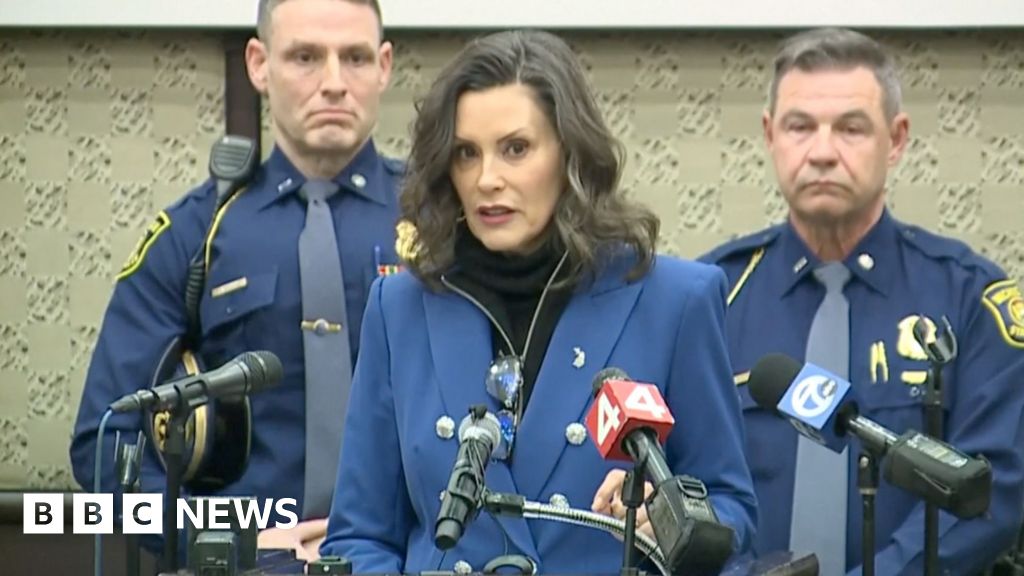
In what experts are calling a disturbing escalation of domestic violence, authorities in the United States have officially classified a recent incident as a “targeted act of violence against the Jewish community”. The FBI’s investigation underscores the ongoing challenges faced by minority communities within national borders, yet the motive behind this attack remains elusive, leaving many to question the underlying societal tensions that continue to threaten social cohesion in Western democracies.

From a geopolitical perspective, such acts of targeted violence trigger a ripple effect that extends far beyond national borders, fueling concern in Israel, European Union, and allied nations. Many analysts argue this incident is symptomatic of a rising tide of anti-Semitism and political extremism, fueled by a volatile global climate of misinformation, radical rhetoric, and socio-economic upheaval. International organizations like the United Nations and European Parliament have continually warned that domestic terror tactics threaten the ideological stability of multicultural societies and can destabilize geopolitical alliances.

Historian and geopolitical analyst Dr. Edward Marks emphasizes that such violence acts as a catalyst for destabilization, often prompting international scrutiny and diplomatic tensions that complicate efforts for global cooperation. The incident exemplifies the fragile nature of social trust within liberal democracies, where internal divisions can ignite wider conflicts if not addressed decisively. Meanwhile, critics are drawing parallels to similar episodes in Europe and elsewhere, where rhetoric aligning with anti-establishment and nationalist movements has created fertile ground for hate crimes. The FBI’s cautious stance—avoiding immediate attribution of motives—reflects the complexity of the threat, which is often intertwined with broader geopolitical shifts and the resurgence of ideological extremism worldwide.

As nations around the globe monitor the fallout, the decision-making networks facing this crisis are grappling with how best to contain and counteract these threats. The incident is viewed not merely as an isolate event but as part of a larger pattern of rising nationalist sentiments and ideological polarization. The international community is increasingly aware that these internal conflicts threaten the stability of alliances and international norms. As the United States grapples in its internal political arena, the echoes of this incident serve as a stark reminder that the fight against violence and hatred must be fought on numerous fronts, from law enforcement to educational reform and social policy.

Ultimately, this event leaves a profound question hanging in the air: how will nations respond to the mounting evidence that ideological extremism is a growing global threat? With history witnessing the devastating consequences of unchecked hatred and division, the decision to confront and address these issues decisively will shape the course of societal development for generations to come. As the world watches, the weight of history presses heavier, threatening to tilt the fragile balance of peace toward chaos if decisive action is not taken—reminding us that in the relentless march of history, the battle for societal stability is never truly over, and the next chapter remains unwritten.

Trump and Maryland Governor clash over Potomac sewage spill fallout

Controversy Erupts Over Potomac River Sewage Spill Amidst U.S. Political Clashes

In a dramatic episode underscoring the growing tensions within United States domestic politics, a massive sewage spill into the Potomac River has become a focal point of blame and division. The spill, which began after the collapse of a 1960s-era pipeline operated by DC Water, has released over 200 million gallons of untreated sewage into one of America’s most iconic waterways. With emergency repairs underway, the incident has exposed not only environmental vulnerabilities but also the deepening partisan rift, as high-profile figures like Donald Trump and Wes Moore spar over accountability.

  • The failure of the Potomac Interceptor pipeline on January 19 has caused ongoing ecological threats, prompting health warnings for the region and raising concerns about the resilience of U.S. infrastructure.
  • President Trump quickly seized the moment to assign blame to Maryland officials, accusing Moore of “gross mismanagement” via his social media platform, Truth Social, and claiming that local authorities were incapable of handling such a crisis.
  • Moore, for his part, countered sharply, asserting that federal authorities—specifically the Environmental Protection Agency (EPA)—are ultimately responsible for infrastructure oversight, emphasizing a division of jurisdiction that remains murky amid the ongoing crisis.

Geopolitical Impact: State-Federal Power Struggles and Infrastructure Governance

This dispute is emblematic of broader geopolitical and governance issues shaping America, revealing how infrastructural failures can serve as battlegrounds for competing visions of authority. Historians note that conflicts over jurisdiction, particularly during crises, often reflect underlying tensions between state sovereignty and federal oversight. International organizations, like the International Water Association, warn that aging infrastructure and inconsistent regulation exacerbate environmental dangers, inviting criticism of federal agencies that have been underfunded for years. As analysts from the Council on Foreign Relations observe, America’s ability to project stability internally directly influences its global standing, especially when left vulnerable to crises that threaten public health and ecological stability.

Global Context: Parallels in Infrastructure Failures and Political Strife

The Potomac incident echoes crises elsewhere—be it the titanic failure of Ukraine’s energy grid during conflict or climate-induced floods in Southeast Asia—highlighting how infrastructure and politics are intertwined on the world stage. International commentators warn that domestic mismanagement can undermine a nation’s international credibility, especially when environmental disasters spiral into political confrontations. The Biden administration’s decision to activate the Federal Emergency Management Agency (FEMA)—despite its recent funding deadlock—signals a recognition that crises cannot be contained by local governance alone. Yet, it underscores how internal partisan struggles hinder swift, decisive action, leaving nations vulnerable to escalating upheavals that will undoubtedly be recorded in history’s annals.

Looking Ahead: The Weight of Unfolding History

As the Potomac River continues to flow with the environmental scars of neglect and political discord, the world watches. The coming weeks will determine whether the region’s leadership can muster the cohesion and resolve needed to confront the crisis or whether internal divisions will deepen, allowing damage to compound. The story unfolding is more than a regional incident; it reflects the fragile fabric of a nation at a crossroads. Behind the headlines lies the stark truth—history is not standing still. It is being written through each policy decision, each political battle, and each environmental catastrophe, testing the resilience of a society that once prided itself on strength and unity, now facing the shadow of its own uncertainty.”

Illinois Governor scores $1.4M victory in Vegas—big win for the state’s leadership

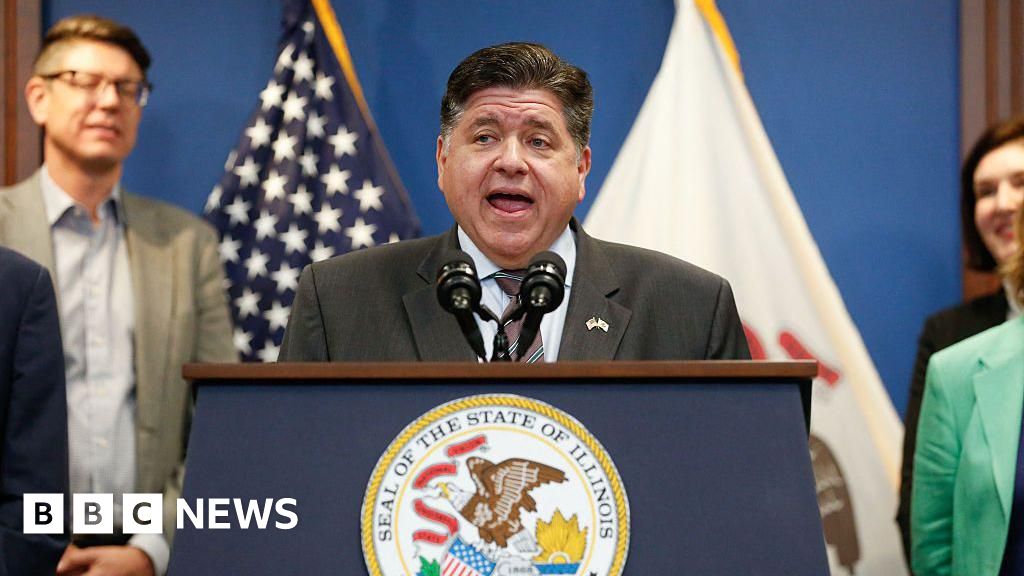
United States politics remain deeply intertwined with global influences, with recent revelations highlighting the complex web of power, wealth, and policy. In Illinois, Governor JB Pritzker, a scion of the Hyatt Hotel fortune and a prominent Democrat, made headlines after his tax filings disclosed a $1.4 million windfall from gambling in Las Vegas. While Pritzker plans to donate the winnings to charity, the incident spotlights ongoing debates over wealth, privilege, and the role of affluence in governance. It also underscores the influence of individual actors within the broader framework of American political and economic power, which continues to be scrutinized by international analysts seeking to understand the prevalence and impact of the ultra-rich in shaping policy directions.

This incident occurs against a backdrop of escalating tensions between the Biden administration and former President Donald Trump, whose critics accuse him of undermining the rule of law and national cohesion. Pritzker himself has positioned as a critic of federal policies, particularly regarding the deployment of national troops to cities like Chicago, which Trump labeled as “authoritarian” efforts. Such political discord echoes beyond national borders, affecting international perceptions of democratic stability and the United States’ role as a global leader.

  • Critical questions are being asked about how the wealth of the American elite influences governance and policy-making.
  • Developments in Illinois exemplify a broader trend where state-level actors become focal points in an ongoing ideological struggle.
  • International organizations and geopolitical analysts argue that internal divisions in the United States have tangible consequences for global stability, especially amidst rising challenges from China and Russia.

Global institutions and historians warn that this internal turmoil, fueled by egocentric power plays, threatens to undermine the consensus needed to address pressing international crises—be it climate change, economic instability, or regional conflicts. The decision of one wealthy governor to indulge in high-stakes gambling may seem trivial, but it symbolizes the broader cavalcade of personal wealth and political influence shaping America’s future. As Pritzker seeks a third term in 2026, questions abound about whether such figures will prioritize the people’s interests or continue to navigate a landscape dominated by privilege. At a time when the world watches, the unfolding narrative of US internal politics remains a pivotal chapter in the story of how nations coalesce—or fracture—in an era of unprecedented global upheaval, leaving history to judge whether these choices herald renewal or impending chaos.

Social Media Auto Publish Powered By : XYZScripts.com