
Matox News

Truth Over Trends, always!

Survey: Young Brits hesitating to see GPs — a wake-up call for society

Public Distrust in Healthcare System Sparks Social and Community Concerns

Recent surveys across the United Kingdom reveal a profound erosion of trust in the NHS and its ability to serve the populace effectively. Nearly half of the population choose to delay or avoid contact with their family doctors when illness strikes, citing fears of inaccessible appointments. This widespread reluctance underscores a troubling shift in cultural perceptions of the healthcare system, with many believing that seeking medical help may yield little or no immediate benefit. Sociologists have long warned that such demographic and cultural changes threaten the fabric of community health, placing families at increased risk of untreated medical conditions that could have been mitigated with timely intervention.

The moral and human impacts of this crisis are significant. When individuals opt to manage ailments themselves or simply wait for symptoms to subside, it often results in deteriorated health, burdening families with unforeseen emotional and financial strains. The decline in public confidence is compounded by persistent perceptions of long waits and systemic inefficiency. According to health think tanks, approximately 27% of people try to self-manage their ailments, worrying that even if they seek help, the NHS might deny timely access due to overburdened services.

Furthermore, the crisis extends beyond primary care to emergency services. Data reveal that **one-third of Britons** have avoided going to A&E despite urgent needs, driven by expectations of excessive waiting times. Such delays not only compromise individual wellbeing but also burden the entire society, with patients potentially arriving in more critical states or suffering preventable complications. This erosion of trust threatens to fracture the social morale that underpins community resilience, especially as families witness loved ones suffer in silence. Historians like Peter M. Ward have observed that persistent neglect and systemic failure can create societal cynicism, making collective action on health policies increasingly difficult.

The government’s recent initiatives, such as the introduction of a new GP contract aimed at providing same-day urgent care, are intended to reverse these trends. However, public skepticism remains high. Critics warn that policymakers might be overestimating their capacity to meet the urgent needs of the populace, risking further widening the gap between expectations and reality. Meanwhile, health professionals express concerns that these reforms could impose even greater pressures on already overstretched general practitioners, threatening the long-term viability of family medicine as a pillar of community health.

In contemplating the societal repercussions of this crisis, it becomes clear that families, schools, and communities are interconnected in a web of hesitations, fears, and systemic shortcomings. When trust in healthcare wanes, the ramifications ripple outward, affecting everything from educational outcomes as children grapple with untreated illnesses, to the economic stability of families burdened by preventable health emergencies. Yet, amid this bleak landscape, there lies a potent hope: as social commentators and community leaders advocate for renewed investment and reform, society’s resilience and capacity to heal itself remain steadfast. Society stands at a crossroads—its future dependent on whether it can transform systemic failures into a renewed collective trust and a healthier, more hopeful tomorrow.
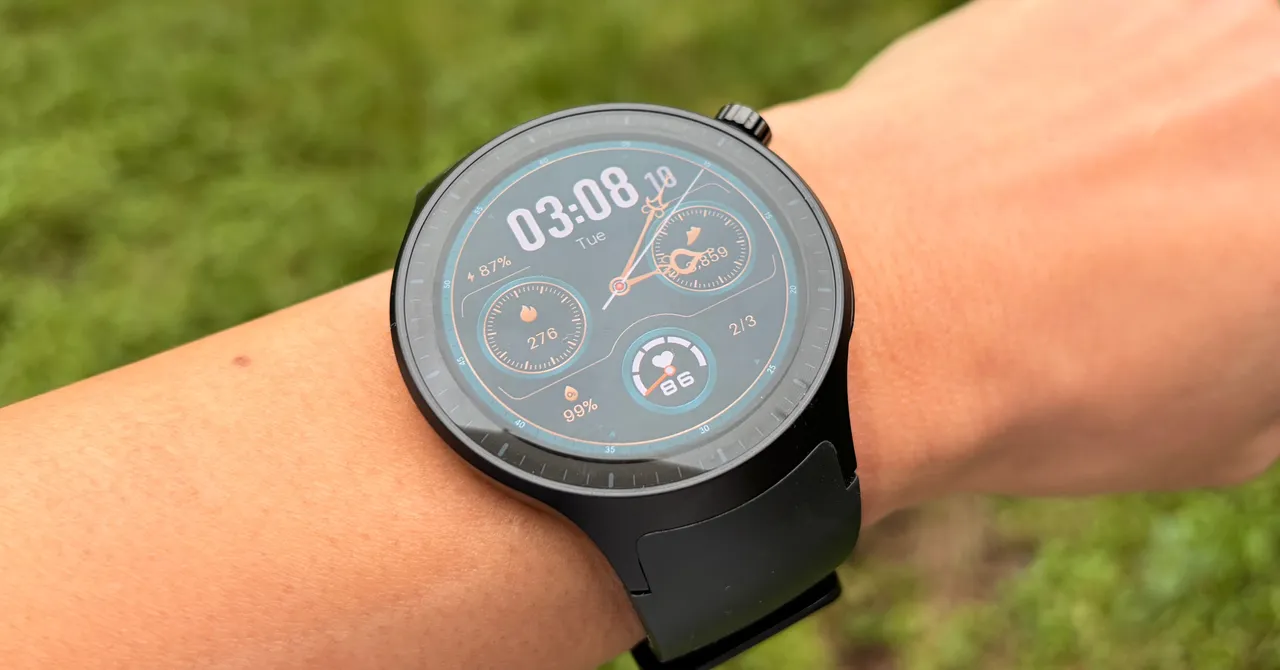
Moto Watch Review: The Power Moves of Polar-Inspired Tech

Motorola’s CMF Watch 3 Pro: A New Challenger in the Competitive Wearables Space

The wearable technology sector continues to demonstrate remarkable innovation, with industry giants and startups alike pushing the boundaries of what consumer electronics can achieve. Recently, Motorola entered this fiercely competitive landscape with its latest offering, the CMF Watch 3 Pro. Billed as an affordable, stylish, Android-compatible smartwatch, it aims to challenge established players like Apple, Samsung, and Garmin. According to early reviews from tech analysts, the device showcases the disruptive potential of hardware integration paired with modern software, although it still has some notable limitations that could influence its market penetration.

One of the core advantages of the CMF Watch 3 Pro lies in its strategic cost positioning combined with solid functionality. It features parameters such as sleep tracking, heart rate monitoring, and stress measurement, with initial comparisons indicating close accuracy to premium models like the Oura Ring 4. Analysts, including Gartner and MIT’s Media Lab, note that major players in the wearables market are increasingly focusing on data integration and seamless user experience to disrupt traditional fitness devices. Motorola’s choice to incorporate a well-designed, yet affordable product underscores this trend—offering consumers a “good enough” device that does not compromise essential features, yet is accessible.

However, despite its innovative intent, the device’s hardware limitations could hinder its disruptive prospects. Especially glaring is the onboard GPS functionality. The device’s slow satellite connection and inconsistent performance outside diminish its appeal as a true fitness companion—particularly when reliable location tracking is a key market differentiator. The device’s processor, deliberately undisclosed by Motorola, appears to struggle with rapid satellite acquisition, a flaw that consumer reviews describe as frustrating, impacting the overall user experience. Such hardware inefficiencies—common in lower-tier wearables—highlight a critical business challenge: balancing cost constraints with performance demands in an industry that is rapidly evolving toward precision.

The experience of review analysts further underscores this disruptive tension. Despite the device’s attractive design and promising feature set, issues like overly sensitive screens and accidental activations threaten user satisfaction. This emphasizes an overarching industry trend: hardware refinement is crucial for establishing market dominance amidst fierce competition. Companies like Apple and Samsung continually push advancements in sensor sensitivity and UI design, setting high standards for emerging competitors. Motorola’s potential in this space hinges on addressing these hardware issues swiftly and innovating beyond mere feature inclusion—further reinforcing that disruption requires not only price competitiveness but also technological excellence.

Looking ahead, the wearables industry is poised for a significant shift driven by the convergence of AI, sensor technology, and 5G connectivity. Industry experts like Peter Thiel have predicted that next-generation devices will serve as the nexus of lifestyle, health, and AI-powered analytics, transforming how consumers interact with their personal data. Motorola’s move into this space signals the beginning of a new wave of disruptive innovation, where smaller players can challenge dominant incumbents by leveraging cost-effective yet capable hardware and sophisticated software integration. The market’s future will depend on how effectively manufacturers can resolve hardware shortcomings and harness emerging technologies to offer compelling, breakthrough features—turning these devices into indispensable health and productivity tools.

Stakeholders across the tech ecosystem must remain vigilant, as the race to dominate this space intensifies. With major innovations around the corner, it’s clear that the current state of wearable technology is just the beginning. With upcoming advancements in AI, sensor innovation, and connectivity, the industry is on the cusp of a transformation—where disruption will be measured not just in features, but in the quality and reliability of the user experience itself. For companies willing to innovate and iterate rapidly, the opportunity to redefine health, fitness, and lifestyle tracking has never been greater—and time is of the essence for stakeholders eager to secure market leadership in this fast-evolving technological frontier.

Social Media Auto Publish Powered By : XYZScripts.com



