Matox News

Truth Over Trends, always!

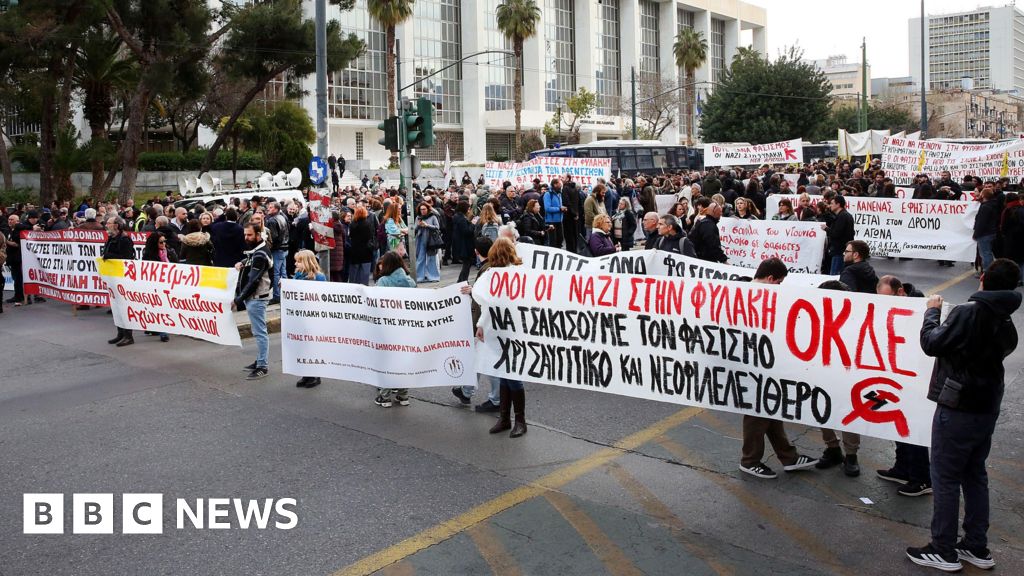
Greek Court Confirms Verdict Against Neo-Nazi Golden Dawn Group

In a significant development within Greece’s** political landscape,** recent judicial proceedings have culminated in the conviction of Nikos Mihaloliakos**,** founder of the now-infamous Golden Dawn party,** alongside several high-ranking officials. This verdict, arriving almost six years after the initial trial, underscores the persistent scrutiny faced by nationalist movements and illuminates the broader ideological battleground shaping modern Europe.

Historical analysts and international observers have long debated the implications of this case, which highlights a troubling resurgence of far-right extremism. The trial’s protracted timeline and eventual verdict reflect the complex interplay between national sovereignty and international pressure. It also brings into focus the delicate balance that European Union and European Court of Justice officials maintain as they address the rise of radicalized political factions. At the heart of this controversy lies a broader question: **How do such judicial findings transform the social fabric and geopolitical strategy of nations embroiled in ideological conflict?**

From a geopolitical perspective, these convictions resonate well beyond Greece’s borders. Historically, the resurgence of nationalist violence threatens to destabilize regional diplomacy and complicate relations with neighboring countries, especially in the volatile Balkan region. The actions taken against figures like Mihaloliakos serve as a stern warning to other extremist groups across Europe, signaling a firm stance from Greek judiciary authorities against the normalization of hate-based politics. As
international organizations such as the United Nations and the OSCE cast an eye over Greece, analysts warn that these legal proceedings could either serve as a blueprint for combatting extremism or, paradoxically, galvanize dissatisfied factions further.

Noted political commentators and historians have noted that Greece’s fight against domestic extremism is intertwined with its geopolitical identity and allegiance within the broader western alliance. The conviction of Mihaloliakos and others echoes similar narratives seen in the European Union’s broader effort to clamp down on ideologies that threaten social cohesion and security. However, critics argue that such legal actions must be accompanied by effective societal measures, lest they become mere symbolic gestures that do little to address underlying grievances and societal divisions. As history has shown, the line between justice and political leverage is razor-thin, and the stakes for Greece are nothing short of historic.

As the shadows of this verdict settle over Athens, the nation finds itself at a crossroads. The echoes of past conflicts and ideological extremes linger, yet the message from the current ruling authorities is clear: **The rule of law must prevail as the safeguard of democracy.** Still, the weight of history is relentless; as Greece continues to grapple with its internal struggles, the world must ponder how the decisions made today will shape future generations. The real test lies ahead—will this judicial victory withstand the storm of societal discord, or will it become a chapter in an ongoing saga of division and conflict? The pages of history are turning, and the story remains unwritten.
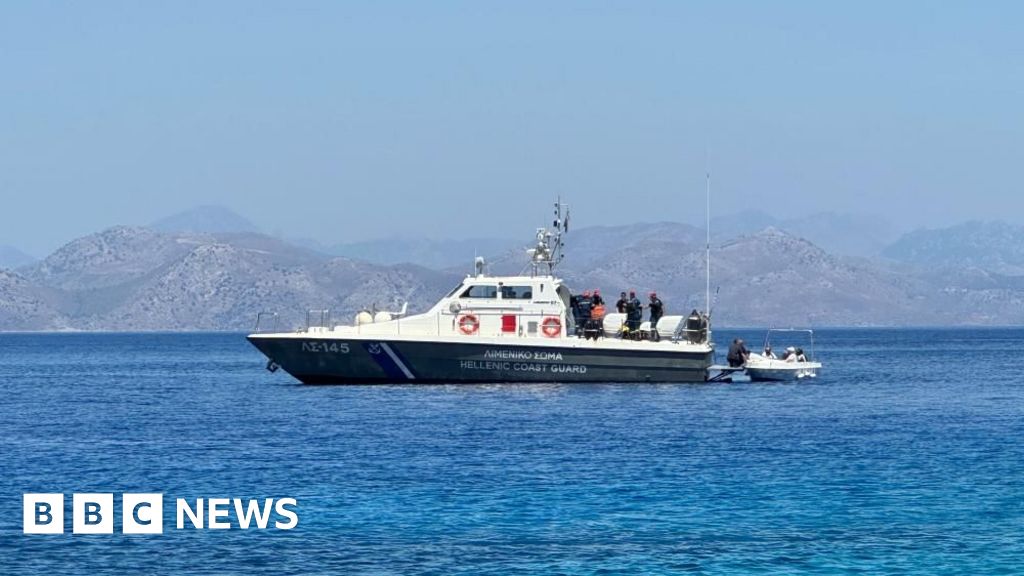

Greek Coast Guard clash kills 15 migrants, sparking outrage

The recent collision near the island of Chios, reportedly during a Coastguard pursuit, underscores the escalating tension in the Mediterranean region—a zone increasingly torn between humanitarian concerns and national security interests. The incident, which involved a pursuit preceding the collision, points to a broader pattern of confrontations between local authorities and migrant vessels attempting to cross from Turkey into the European Union. As reports emerge that a chase was underway at the time of the incident, international observers emphasize that this event is more than a local tragedy; it is a signal of the mounting geopolitical volatility fueling the migration crisis.

The mediterranean migration crisis remains one of the most complex and volatile challenges confronting Europe. The EU’s border agencies have been engaged in relentless efforts to curb irregular crossings, often resulting in high-stakes pursuits in dangerous waters. Experts argue that such pursuits, while aimed at enforcing border sovereignty, also heighten risks for migrants and local coastguards alike. In this tense atmosphere, the collision near Chios exemplifies the dangerous cat-and-mouse game played out daily in this strategic but volatile theater. International organizations such as the United Nations and European Border and Coast Guard Agency have long warned that aggressive policing in this region could escalate into more tragedies if not managed with a nuanced approach that balances security and humanitarian responsibilities.

The geopolitical impact of such incidents extends well beyond immediate rescue operations. Turkey continues to be a pivotal actor in this crisis, with its facilitation or suppression of migration flows deeply influencing European security and diplomatic relations. Recent statements from analysts and historians indicate that these confrontations are symptomatic of a fragile regional equilibrium, with Russia and NATO geopolitical strategies subtly shaping the narrative. The incident at Chios thus becomes a microcosm of larger international fissures, as nations weigh their interests amidst the chaos of migration, security, and sovereignty.

Furthermore, the fallout from such events fuels ongoing debates within European nations over immigration policies and national security. The event also reaffirms the urgent need for a coordinated international approach, as emphasized by the International Crisis Group, which warns that failure to address root causes—conflict in originating regions, economic instability, and weak border management—could see this crisis intensify. As European leaders grapple with this mounting challenge, the incident near Chios serves as a stark reminder that each collision, pursuit, or tragedy shapes the course of history in the making. With the Mediterranean increasingly seen as a battleground of competing interests, the outcome of these events will resonate for generations, echoing in the corridors of power and in the stories of countless lives caught in Europe’s shifting tides—forever etched into the unfolding narrative of our troubled times.

Social Media Auto Publish Powered By : XYZScripts.com


