Matox News

Truth Over Trends, always!

Bill Gates’ nuclear firm scores green light for breakthrough next-gen reactor

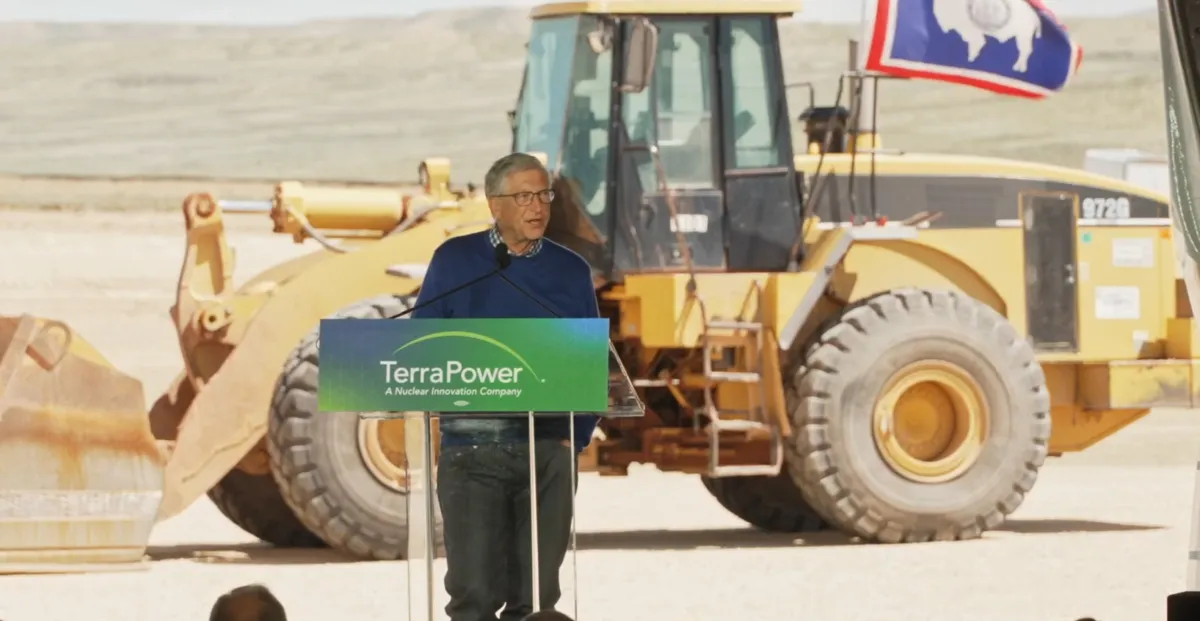
In a landmark development that underscores the ongoing shift towards clean, reliable, and innovative energy solutions, TerraPower, the nuclear energy startup founded by tech titan Bill Gates, has received federal approval from the Nuclear Regulatory Commission (NRC) to construct a groundbreaking next-generation reactor in Wyoming. This milestone marks the first time in U.S. history that a commercial-scale, advanced nuclear power plant has secured such a permit, signaling a significant disruption in the national energy landscape. The project is slated for completion by 2030 and redefines the trajectory of nuclear technology, emphasizing safety, efficiency, and sustainability.

The Wyoming plant is positioned at the forefront of disruptive innovation in nuclear engineering. Unlike traditional reactors, TerraPower’s design emphasizes a smaller, more modular approach that aligns with the evolving demands of modern electrical grids under the pressure of burgeoning AI data centers and digital infrastructure. According to industry analysts at Gartner and MIT’s Nuclear Innovation Initiative, this development could catalyze a new wave of nuclear deployment, significantly reducing reliance on fossil fuels and untangling the energy crisis intensified by climate change. With construction expected to conclude within five years, this plant symbolizes a pivotal shift where safe, sustainable nuclear power becomes a core component of national energy strategies.

  • Advanced reactor designs that prioritize safety and waste management efficiency
  • Smaller, faster-to-deploy modules suitable for diverse grid demands
  • Potential to revolutionize clean energy deployment amidst climate and geopolitical pressures

Bill Gates recently articulated the broader implications of this innovation in a 2024 interview with The Verge, emphasizing how nuclear energy’s evolving designs can play a crucial role in combating climate change. “We’re exploring reactors that not only minimize safety concerns but also optimize fuel use and waste handling,” Gates explained, highlighting the importance of disruptive technology in crafting resilient energy systems. This strategic push aligns with market trends that see nuclear power as an indispensable part of the transition away from carbon-heavy sources and toward a more sustainable future. Industry leaders and policymakers globally are watching closely, recognizing that the success of TerraPower’s Wyoming project could establish a new blueprint for business innovation in nuclear energy, opening doors for investors and entrepreneurs eager to capitalize on the clean energy revolution.

Looking ahead, the implications of this development extend far beyond Wyoming’s borders. As governments and private sector players enhance investment in nuclear innovation, the global energy market stands on the brink of a paradigm shift. The race is on to develop smaller, safer, and more adaptable reactors that can integrate seamlessly into complex energy ecosystems, responding swiftly to the demands of AI-driven economies and decentralized grids. The coming decade will undoubtedly be transformative, with the potential to disrupt traditional energy giants and establish new industry titans dedicated to sustainable and disruptive nuclear breakthroughs. The urgency to innovate has never been greater, and TerraPower’s Wyoming project exemplifies the aggressive pursuit of technological advancement essential for shaping a resilient, clean energy future.

Green Party backs former mayoral hopeful for Gorton and Denton byelections, shifting focus to future leadership

The upcoming byelection in Gorton and Denton has become more than a simple electoral contest; it symbolizes deeper social and cultural shifts within the communities of Greater Manchester. With the Green party selecting Hannah Spencer, a councillor and former mayoral candidate, as their candidate, this race highlights the growing influence of youth-oriented, environmentally-focused politics that challenge traditional party dominance. Spencer’s background as both a community member and trade professional exemplifies a shift towards candidates who embody local roots and diverse experiences, resonating with a population increasingly disillusioned with the status quo.

This race is unfolding amidst a fractured political landscape where social issues—from economic inequality to cultural identity—are shaping voter sentiment. The Labour Party, traditionally dominant in the area, is facing stiff competition from Reform UK and the Greens, each representing contrasting visions for the future of society. Labour’s campaign’s emphasis on experience, rooted in their local and national networks, seeks to appeal to voters who value stability and tradition. In contrast, the Greens, led by Zack Polanski, are framing the contest as a “battle for the soul of the nation”, underscoring a desire among younger voters to push for progressive change and environmental justice. This political clash is not merely about policies but about the cultural identity and moral direction of the community, which is sharply divided along generational and ideological lines.

Social tensions are further exemplified by the Green party’s recent endorsements and their outreach efforts. Backed by groups like the Muslim Vote, their support in a constituency with roughly 30% Muslim constituents signals a conscious effort to address **cultural representation and inclusivity**. Such moves reflect a broader challenge minorities and marginalized groups face worldwide: balancing tradition with the push for social acceptance and political influence. As sociologists like Arjun Appadurai have noted, societies are increasingly fractured along lines of ethnicity and faith, yet also eager for a sense of belonging and agency. The Greens’ emphasis on engaging these communities indicates a recognition that future societal cohesion depends on constructive dialogue and representation, even as it stirs debate about social cohesion versus cultural integration.

The families and communities impacted by this electoral contest face very tangible issues: economic opportunities, social inclusion, and cultural identity. The decline of traditional industries and the threats to local jobs create a backdrop where young families seek new pathways to stability, while cultural tensions can either divide or unite depending on how issues are approached. As historian Eric Hobsbawm warned, societal change often occurs through what he termed “the long 19th century of social upheaval,” reminding us that the societal clarity sought in elections is often the result of ongoing, complex struggles. The choices made in Gorton and Denton will resonate beyond these walls, reflecting the society’s capacity to embrace change and tradition alike.

Ultimately, this byelection underscores a society at a crossroads—facing the call for renewal amidst division. Its outcome will signal not just political shifts but reveal how communities choose to navigate the delicate balance of progress and preservation. As society stands on this precipice, one is left pondering—a society’s greatest hope is not in the absence of conflict but in its willingness to transform conflict into conversation, fear into understanding, and division into unity. Only then can the promise of a society that truly reflects its people be realized, shining a hopeful light on the horizon of future generations.

Waymo Scores Green Light to Expand Deep into Bay Area and SoCal

Waymo’s Autonomous Expansion Signals a New Era in Urban Mobility

Waymo, the front-runner in robotaxi innovation, has announced a major step forward in its autonomous vehicle (AV) deployment strategy. The company has received official approval to operate fully autonomous vehicles across a significantly broader region in California, including key areas like the East Bay, North Bay (Napa/Wine Country), and Sacramento, as well as extending its territory in Southern California from Santa Clarita up to San Diego. This territorial boost not only exemplifies relentless innovation but also underscores the disruptive potential of autonomous mobility to reshape urban transportation paradigms.

While regulatory hurdles remain—since additional permits are required for commercial passenger services—Waymo’s recent expansions demonstrate industry confidence in AV technology. Targeting a mid-2026 launch in San Diego, the company’s strategic timeline aligns with broader industry expectations for large-scale autonomous deployment. This timeline reflects the urgency to capitalize on technological advances, as other players like Tesla, Uber, and emerging startups accelerate their own autonomous initiatives. The push into new markets is further amplified by Waymo’s recent announcements to expand into Minneapolis, New Orleans, and Tampa, alongside plans to eliminate safety drivers in Miami ahead of commercial launch, signaling a paradigm shift in the traditional ride-hailing model.

Business implications of these developments are profound. As disruption accelerates, traditional taxi and ride-sharing industries face existential threats, while new entrants with agile autonomous fleets could dominate urban mobility markets. Major corporations such as Google’s parent company Alphabet (which owns Waymo) are positioning themselves as long-term players, banking on AVs becoming the dominant form of city transit. The deployment of AVs on freeways—now operational in Los Angeles, San Francisco, and Phoenix—further enhances their viability by addressing long-haul efficiency issues, making shared autonomous rides a practical alternative to personal vehicles.

Experts at institutions like Gartner and MIT emphasize that this wave of innovation might redefine business value propositions, emphasizing technological disruption that could make private car ownership less relevant. However, the rapidly evolving regulatory landscape and safety concerns pose risks, especially as the industry grapples with potential safety pitfalls and public acceptance. As Elon Musk and Peter Thiel have long argued, the key to winning the autonomous revolution lies in rigorous testing, robust infrastructure, and a daredevil willingness to challenge conventions.

Looking ahead, the trajectory of Waymo and other autonomous pioneers indicates an urgent race to dominate the mobility landscape. With new markets opening and regulatory frameworks evolving quickly, the next few years promise an unprecedented transformation where innovation and disruption converge to redefine how millions move within urban environments. Investors, policymakers, and tech innovators must stay alert to this impending upheaval—those who adapt swiftly will shape the future of mobility, while laggards risk obsolescence in a rapidly shifting landscape.

Green groups slam move to weaken protections for English national parks

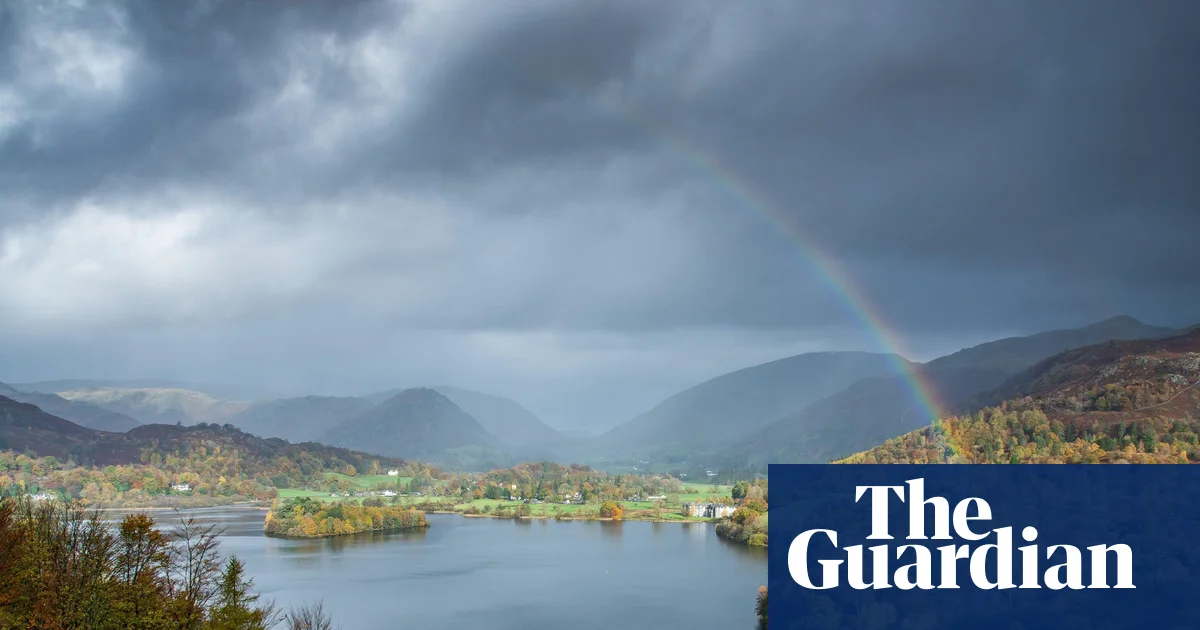
In a move that has ignited fierce debate across the United Kingdom and raised concerns among environmentalists worldwide, the government is considering revisions to planning laws that could significantly weaken protections for iconic national parks such as Dartmoor and the Lake District. This proposed shift, driven by the Treasury and championed by Chancellor Rachel Reeves, aims to facilitate the construction of 1.5 million new homes and major infrastructure projects, purportedly to plug a £30 billion fiscal gap. However, critics warn that this decision is a “kneejerk bid for growth” that threatens the very essence of the natural heritage cherished by millions and has far-reaching geopolitical impact beyond Britain’s borders.

Originally established by the postwar Labour government under Clement Attlee in 1949, national parks in the UK were designed to conserve natural beauty, wildlife, and cultural heritage while promoting access and recreation. Yet, recent governmental discussions threaten to upend this legacy. A key change being proposed would remove a duty that mandates public authorities to “seek to further” environmental and cultural aims within these protected areas. Critics, including prominent environmental organizations like the RSPB and the Wildlife Trusts, argue that the move is not evidence-based and will accelerate environmental degradation, undermining decades of conservation efforts.

The controversy underscores a broader, global concern: how economic pressure often trumps environmental stewardship. Historians and analysts have long noted that the deliberate creation of national parks was a conscious effort to balance economic development with the preservation of natural landscapes. Now, as international organizations like the United Nations reflect on climate and biodiversity crises, the UK’s potential rollback serves as a warning to other nations contemplating similar relaxations in environmental protections. The decision threatens to diminish Britain’s standing as a global leader in conservation, impacting international reputations and policies aimed at the biodiversity crisis.

  • The UK ranks poorly in European comparisons regarding green space sacrifice to development, with thousands of sites at risk under the new proposals.
  • Over 170 organizations, including major NGOs and conservation groups, have publicly condemned the plans, emphasizing the economic and social value of preserved landscapes, which attract millions of visitors and generate billions in revenue annually.
  • Analysts warn that sacrificing green spaces for short-term economic gains could lead to irreversible damage, affecting public health, climate resilience, and cultural heritage.

As the debate rages in Westminster, international voices caution against complacency. Renowned environmental historian Dr. Emily Howard warns that “history teaches us that once natural landscapes are sacrificed, they rarely recover.” The proposed legal amendments could serve as a precedent, emboldening other nations to prioritize economic growth over environmental integrity, further destabilizing fragile ecosystems on a global scale. The unfolding political drama emphasizes that decision-makers must grapple with a fundamental question: whether the pursuit of immediate economic benefits can justify the erosion of the very natural resources that sustain societies across generations.

The weight of history presses heavily on today’s legislators. The UK’s national parks, born from postwar recovery and a vision of national renewal, now stand at a crossroads. Will future generations inherit a legacy of preservation or a landscape scarred by shortsighted development? As the legislative clock ticks toward a critical vote, the world watches with bated breath. The outcome will not only determine the fate of these treasured lands but will also send a powerful message about the values that shape nations and societies in our tumultuous era. In this moment, history is writing itself, with each decision echoing across borders and time — a testament to the enduring struggle between progress and preservation.

Social Media Auto Publish Powered By : XYZScripts.com