Matox News

Truth Over Trends, always!

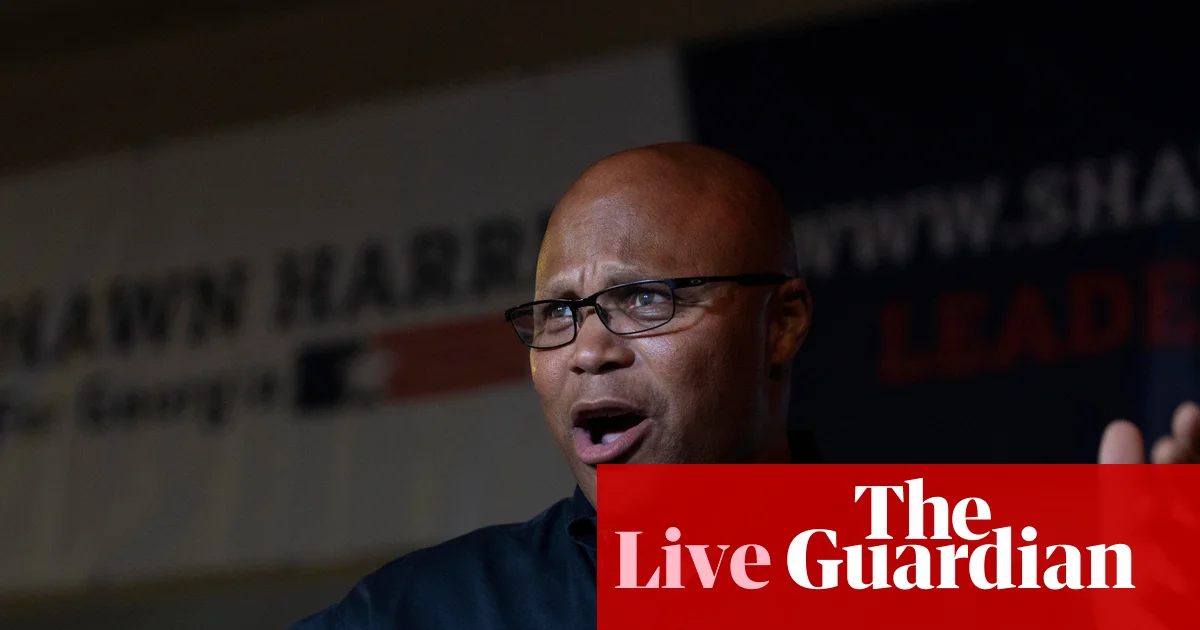
Trump-backed Republican faces Democrat in Georgia runoff for Greene’s seat

Global Politics in Unprecedented Turmoil: A Turning Point in History

In recent days, the international stage has been witnessing a series of seismic shifts, with nations recalibrating their positions in response to emerging conflicts, diplomatic failures, and strategic recalculations. United States foreign policy appears to be increasingly aggressive, as evidenced by recent military strikes against Iranian vessels near the Strait of Hormuz, a vital global chokepoint. Unclassified footage released by US Central Command shows multiple Iranian ships, including minelayers, being targeted following warnings from former President Donald Trump, who condemned Iran’s destabilizing activities and warned against laying mines in these critical waters. This escalation could deepen regional tensions and threaten global energy supplies, impacting societies worldwide.

Meanwhile, in a conflicting move, the US domestically remains embroiled in political upheavals, notably in Georgia, where a rare opportunity for the Democrats to challenge entrenched GOP strongholds has emerged. In a competitive runoff, retired Army General Shawn Harris, backed by a formidable campaign effort and raising over four times as much as his Republican opponent Clay Fuller, seeks to harness a moment of political tension. Fuller’s assertion that the Republican party will unite behind him, framing it as a fight against a dangerous Democrat, reflects ongoing partisan polarization but also highlights the fragile balance in American electoral politics that could influence the broader geopolitical landscape, especially as the U.S. continues to wield immense influence in global affairs.

Shifting Alliances and Critical Policy Flaws

The internal fissures within US politics threaten to undermine its international leadership. The recent withdrawal of Trump’s nominee Jeremy Carl from a key diplomatic role after a backlash over controversial remarks underscores a broader trend: America’s political apparatus is increasingly polarized, with bipartisan opposition crippling strategic appointments. Historians and analysts suggest that these internal divisions distort America’s ability to project strength abroad, thereby inviting rivals like China and Russia to fill the power vacuum. As the US struggles with internal dissonance, nations across the globe watch warily, knowing that a weakened America risks ceding leadership on critical issues such as climate change, security, and economic stability.

Meanwhile, regional conflicts persist, exemplified by the ongoing US-Israeli interventions in Iran, which threaten to spiral into broader conflicts with far-reaching implications. The Biden administration’s inability to stabilize energy markets, with inflation stubbornly remaining at 2.4%, signals not only economic strain but also the potential for global instability if energy prices surge amid geopolitical crises. International organizations, including The UN, warn that such policy missteps could ignite conflicts that spiral beyond control, leaving societies around the world to grapple with the consequences of a fractured order.

The History Unfolds

History has repeatedly shown that in times of chaos, the stakes are enormous. Each decision — be it military strikes, diplomatic appointments, or electoral upsets — writes a new chapter in the annals of geopolitics. Analysts warn that the current trajectory echoes earlier eras when internal splits and external conflicts fueled global upheaval. The war drums in the Middle East, the tense run-offs in American politics, and the fissures within superpowers like the US all signal that we stand on the precipice of a new era—one where the decisions made today will reverberate for generations to come. The weight of history presses down, reminding us that every action is interconnected, shaping the fragile fabric of international stability.
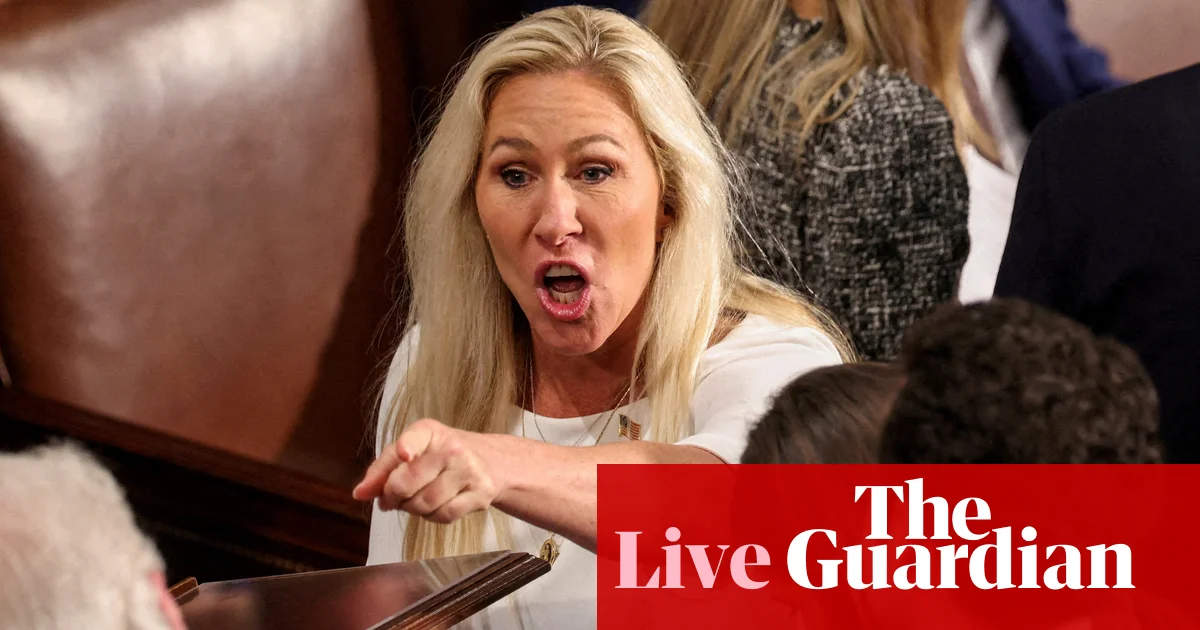
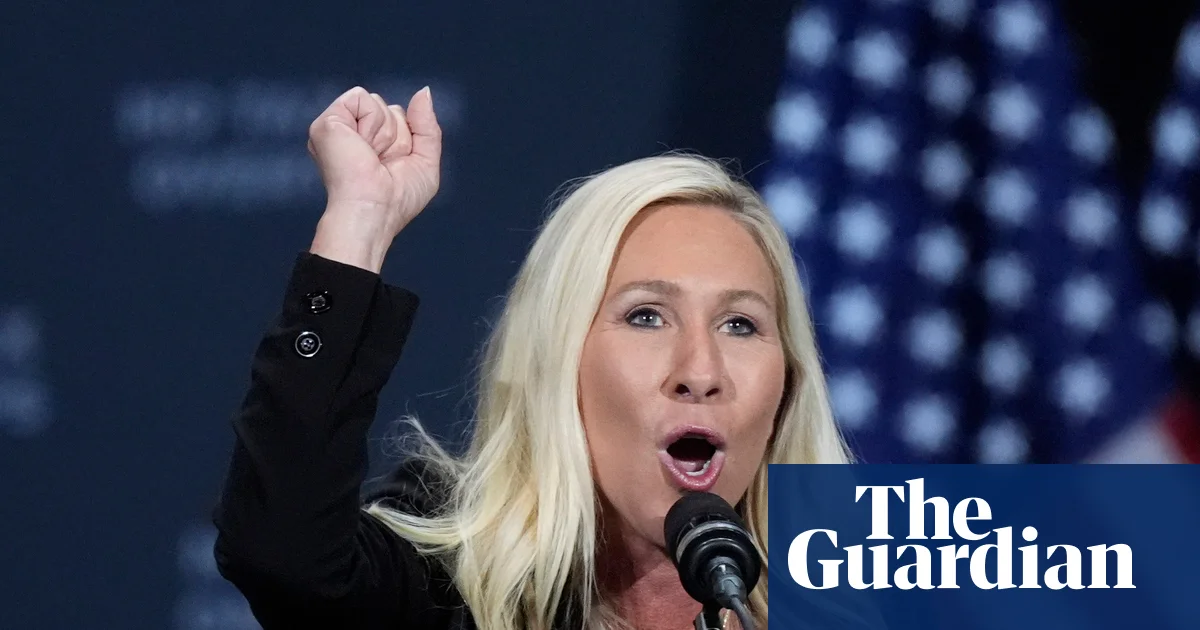
Former House Speaker Warns Greene’s Departure Signals GOP Warning Sign for Future Success

The recent upheavals on Capitol Hill and the evolving international diplomacy around the Ukraine conflict underscore a tumultuous chapter in U.S. and global geopolitics. As Marjorie Taylor Greene abruptly resigned from her congressional seat, analysts highlight this as a critical indicator—an emblem of the escalating internal crises within the GOP. Her departure signals a broader pattern of instability, with over twenty-two House Republicans already announcing retirements or plans to forgo re-election next year. Such mass withdrawals depict a party on the brink, fractured by internal divisions and teetering amidst impending electoral battles, which could fundamentally reshape America’s political landscape.

Beyond domestic upheavals, the international chessboard remains equally volatile. The Kremlin has confirmed that Steve Witkoff will return to Moscow next week, hinting at renewed efforts to broker peace in Ukraine. This follows reports of a leaked recording in which Witkoff advised Russia’s Yuri Ushakov on how to pitch a peace deal to Donald Trump. The recording reveals a hands-on diplomatic approach—one that many experts interpret as a testament to the fragile and complex negotiations underway. Furthermore, the US has rolled out a markedly concessionary peace plan, aimed at appeasing Russia and European stakeholders, but it risks further entrenching divisions, especially if those compromises undermine Ukrainian sovereignty.

The geopolitical impact of these intertwined developments is profound.

  • On one side, the U.S. appears to be shifting towards a more pragmatic, yet controversial stance, risking accusations of appeasement amid its support for Ukraine.
  • On the other, Russia’s diplomatic overtures—guided by a perceived desire to leverage the US’s internal discord—highlight Moscow’s strategic patience and its ongoing ambitions to weaken Western unity.
  • Within America, the Republican Party’s internal turmoil and leadership struggles threaten to weaken the United States’ global influence, particularly just as adversaries like China and Russia recalibrate their own geopolitical strategies.

International organizations and military analysts warn that decisions made in these critical moments will resonate through history, shaping the future of Western dominance and extending the shadows of conflict into the coming decades. As experts like prominent historians observe, the current period bears the hallmarks of a historic turning point—one where internal discord, diplomatic machinations, and strategic negotiations collide with unpredictable outcomes. The choices of today could either solidify a new era of resilience or usher in a perilous downslide into escalating conflict and chaos.

Indeed, as history unfurls its latest chapter, one cannot help but consider the weight of the decisions being made—in Capitol Hill, in Moscow, and amidst the Kremlin’s corridors of power. The tipping point may be just beyond the horizon, and the next move in this high-stakes game will determine the course of the world’s future, leaving us all to wonder: in this new epoch of geopolitical upheaval, what will be written into the annals of history, and what will be swept aside in the relentless tide of change? The stakes are clear—they are nothing less than the destiny of nations and the legacy we leave behind.

Trump Cheers Greene’s Resignation: A Win for America | Republicans

In a move that has sent ripples through the American political landscape and beyond, Congresswoman Marjorie Taylor Greene of Georgia announced her resignation from Congress. The decision, unexpectedly timed after a turbulent relationship with former President Donald Trump, underscores the volatile nature of partisan loyalties in the United States, especially in the context of rising global tensions and domestic upheaval. Trump, who publicly celebrated Greene’s exit, proclaimed it as “great news for the country,” highlighting how internal divisions within the Republican Party are shaping not only American policy but also its standing on the world stage.

Greene, long considered a pivotal figure within the more radical right-wing faction, faced intense threats following her recent withdrawal of Trump’s endorsement—a decision that marked a significant rift in their once-loyal alliance. She cited “never-ending personal attacks, death threats, lawfare, and slander” as the reasons behind her resignation, illustrating the high-stakes nature of contemporary American politics. Her departure fuels concerns about polarization and radicalization in the U.S., which has profound geopolitical repercussions. As analysts warn that internal discord weakens the nation’s ability to confront rising global challenges—from China’s assertiveness in the Pacific to Russia’s ambitions in Eastern Europe—the political chaos at home may be perceived as an opportunity for adversaries seeking to undermine American leadership.

The international community is watching as the American political machine exhibits signs of disarray. U.S. allies and rivals alike interpret such infighting as a sign of weakening resolve, especially at a time when global institutions call for unified Western action against common threats. Meanwhile, political strategists such as Shermichael Singleton suggest Greene’s resignation could be a prelude to future political maneuvers, possibly indicating a consolidation of more radical elements within the GOP. How these internal shifts influence US foreign policy will be crucial—whether America maintains its stance as the global “leader of the free world” or veers toward internal chaos that emboldens autocratic regimes worldwide.

Moreover, the bizarre spectacle of former allies turning against each other, with Trump’s praise for Zohran Mamdani, NYC’s democratic socialist mayor-elect, and Greene’s resignation occurring shortly thereafter, exemplifies the unpredictable and often surreal nature of American politics today. Such developments are not merely domestic dramas—they are highlighted by international analysts and historians as signs of a nation in the throes of transformation. The implications extend well beyond the borders of the United States: the decisions made within its Capitol walls influence geopolitical stability, economic markets, and military alliances across the globe. As the American story continues to unfold, the weight of history presses heavily—a reminder that the outcomes of these internal struggles will shape the fate of nations and societies for generations to come.

Social Media Auto Publish Powered By : XYZScripts.com



