Matox News

Truth Over Trends, always!

Greens shake up Gorton and Denton—no more safe seats, folks! | Politics Podcast

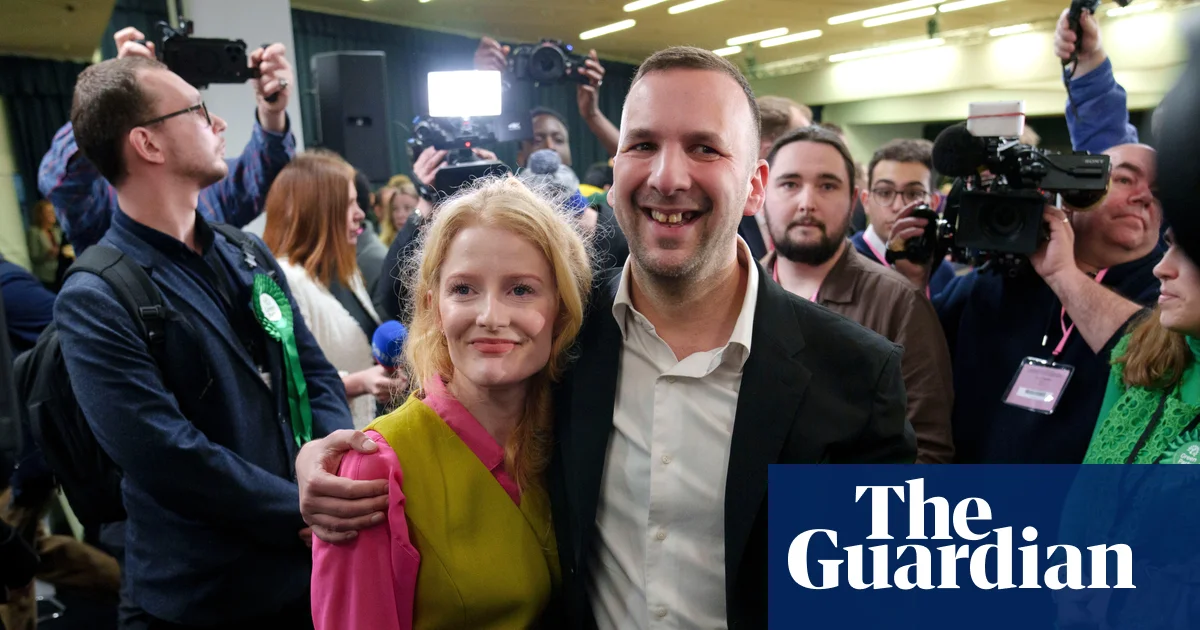
The recent byelection victories in Gorton and Denton, where the Green Party secured decisive wins, have sent shockwaves through British politics. Historically considered safe Labour seats, these results mark a significant departure from the political pattern that has persisted for decades. Analysts and political commentators are now questioning whether this upheaval signals a fundamental realignment of electoral loyalties within the UK, or if it simply reflects local discontent benefiting a rising protest vote.

At the core of this electoral shift is the resurgence of the Green Party, which convincingly overtook Labour in both constituencies, relegating the traditional Labour message to third place and positioning Reform UK as the runner-up. This outcome underscores a broader uprising of disaffected voters seeking alternatives to established parties. Such trends threaten the long-held political duopoly and pose critical questions for Keir Starmer’s Labour leadership, which has faced mounting scrutiny over its ability to connect with the working class and grassroots voters. Prominent political analysts suggest that this defeat could be a prelude to further upheaval within the Labour party and might spell trouble for Starmer’s tenure as the leader.

From a geopolitical perspective, this local upheaval echoes a broader pattern of societal unrest and political realignment across Western democracies, notably where traditional parties are losing touch with voters’ frustrations over economic policy, immigration, and national sovereignty. International institutions such as the European Union and United Nations have historically promoted liberal policies that often clash with national interests, further fueling nationalist and populist sentiments. In the UK, the rise of third parties like the Green Party and Reform UK signals a growing desire among young voters and working-class communities for policies that prioritize national resilience and environmental sovereignty over globalist agendas.

  • Key takeaway from the byelections emphasizes the vulnerability of long-standing political strongholds, forcing parties across the spectrum to reconsider strategies that might resonate with an increasingly disillusioned electorate.
  • The results could accelerate debates on constitutional reform and decentralization, as regions demand greater autonomy in shaping local policies free from national party factions.
  • The geopolitical ramifications extend beyond national borders, with Western democracies grappling with internal dissent amid global shifts towards assertive nationalism and economic sovereignty.

Prominent voices from institutions such as the British Political Analysis Institute warn that such electoral anomalies serve as “precursors to larger geopolitical shifts,” which may influence diplomatic relations and internal stability. The rising influence of third-party movements reflects a societal swell against the perceived elitism of traditional parties—an evolution that risk destabilizing established political orders. The destiny of the UK’s political landscape hangs in the balance, with history awaiting the next chapter, imprinted by rising voices demanding change and challenging the status quo. As the dust settles, the world watches with bated breath, realizing that the unfolding story of Britain’s democracy may very well carve a new path through the tumult of global politics.

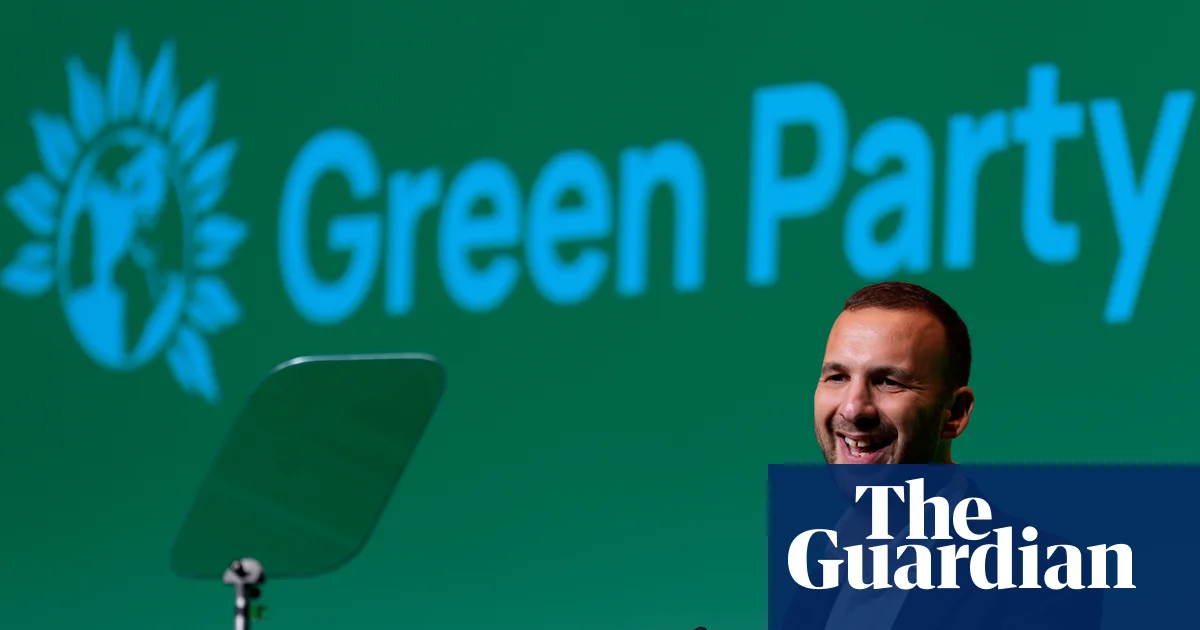
Polls close in Gorton and Denton fights — Greens, Labour, and Reform vie for victory!

Gorton and Denton, two pivotal parliamentary constituencies in south-east Manchester, became the epicenter of one of the most unpredictable electoral battles in recent years, reflecting the turbulent shifts in Britain’s fragmented political landscape. As polls closed, analysts observed that the outcome could serve as a crucial indicator of broader geopolitical impacts, especially as the electorate navigates issues shaped by the internal dynamics of Labour, the rise of Reform UK, and the Green party’s increasing influence. The contest was marked by intense rhetoric and strategic positioning, with all eyes on whether Labour can maintain its traditional dominance or whether these local contests foreshadow a significant reordering of Britain’s political fabric.

Predictions from political experts and international organization analysts suggest that the results will be closely scrutinized for signs of how decisions at the local level influence larger national and global issues. Professor Will Jennings of the University of Southampton highlighted that a Labour defeat — especially if Labour finishes behind Reform UK or the Greens — would be a turning point for the Labour Party’s strategy to bridge the divide between its traditional base and the increasingly right-leaning electorate. Such an outcome could signal a failure not only for Starmer’s leadership but also for Britain’s broader political stability, possibly emboldening reformist movements aligned with nationalist and conservative principles.

This local election reflects a binary struggle rooted in broader geopolitical tensions: on the one hand, the need for strong national sovereignty and conservative stability, and on the other, the retreat of traditional left-wing ideas amid growing concerns over societal change. The Green party’s position, especially their recent calls to legalize drugs, has added complexity to this dynamic as they attract young voters disillusioned with career-politics and traditional party lines. As historian and analyst Dr. Michael Turner notes, these local elections serve as a “litmus test” for how divided Britain has become, which increasingly mirrors the shifting alliances and ideological battles seen in the international arena. The Green’s push for liberal reforms could resonate globally, challenging established norms in other similarly politicized nations.

  • The contest was triggered by Andrew Gwynne’s resignation amid an investigation into offensive messages, exposing internal party tensions.
  • Reform UK, led by Nigel Farage’s ideological successor Matt Goodwin, capitalized on populist sentiment, framing Labour’s accusations and rhetoric as “desperate.”
  • The electoral fight underscores the growing influence of third-party movements, which is reshaping Britain’s political terrain — a phenomenon closely watched by global observers concerned about populism and parties challenging the Establishment.

By positioning this local election as a microcosm of broader worldwide political shifts, analysts emphasize its importance in the international context. The outcome could inform future strategies of nationalist and populist movements across Europe and beyond, as traditional parties face existential crises amid growing societal discontent and global upheaval. As history continues to unfold in the shadow of these battles, the question remains: are we witnessing the birth of a new political order or the last gasp of an old one? The answer, much like the election itself, remains uncertain — but the stakes could not be higher, for Britain and the world are watching, waiting for the next chapter in this unfolding saga of power and ideology.

Greens Target Gorton and Denton After Burnham Blockage, Youth Rise Up

As families and communities face mounting challenges stemming from shifting political landscapes and socio-cultural tensions, the upcoming byelections in Gorton and Denton serve as a microcosm of broader societal shifts. The rise of Green Party candidates vying for representation in traditionally Labour strongholds highlights a societal push towards environmental sustainability intertwined with demands for social justice. These contests underscore how the cultural values and priorities of younger generations are influencing electoral outcomes, prompting a realignment of political allegiances that fundamentally impact local communities and their future.

Within this context, educational institutions and social structures are increasingly affected by demographic changes and cultural tensions. The Green Party’s tactical efforts—manifested through active canvassing, grassroots campaigns, and targeted crowdfunding—are emblematic of a social phenomenon where activism is becoming an integral part of youth-led political engagement. The potential success of these campaigns could recalibrate the political landscape, fostering a sense of renewed hope and participation among young voters. Sociologists like Dr. James Davison Hunter suggest that these shifts reflect a society grappling with moral and ethical questions about environmental stewardship, social equity, and national identity—issues that reverberate through families and schools alike, shaping the worldview of tomorrow’s citizens.

In tandem, the political maneuverings of figures like George Galloway and the strategic positioning of local candidates reveal ongoing social tensions. As the Labour Party faces an internal fracture perceived by many as a retreat from traditional working-class values, alliances and rivalries foster an environment where the social fabric of communities is tested. These tensions do not simply influence political discourse; they have tangible impacts on families’ stability, community cohesion, and educational priorities. When political conflicts focus heavily on external issues such as the Gaza conflict, they inadvertently distract from pressing local social issues—homelessness, education inequality, and youth unemployment—that shape daily life for countless families.

Looking ahead, the question remains whether society can navigate these divide and harness the energy of emerging social movements to address persistent social inequities. Solutions may lie in fostering

  • inclusive dialogue that bridges generational and cultural divides
  • investment in community-driven initiatives
  • educational reforms that emphasize civic engagement and moral responsibility

. Such efforts could gradually restore trust, build resilient communities, and safeguard the fundamental rights of families to live and grow in a society that values their voices. In this moment of social upheaval and hope, society stands at a crossroads—balancing the weight of divisions against the potential for renewal, driven by the collective aspirations of its youth and families towards a more just and cohesive future.

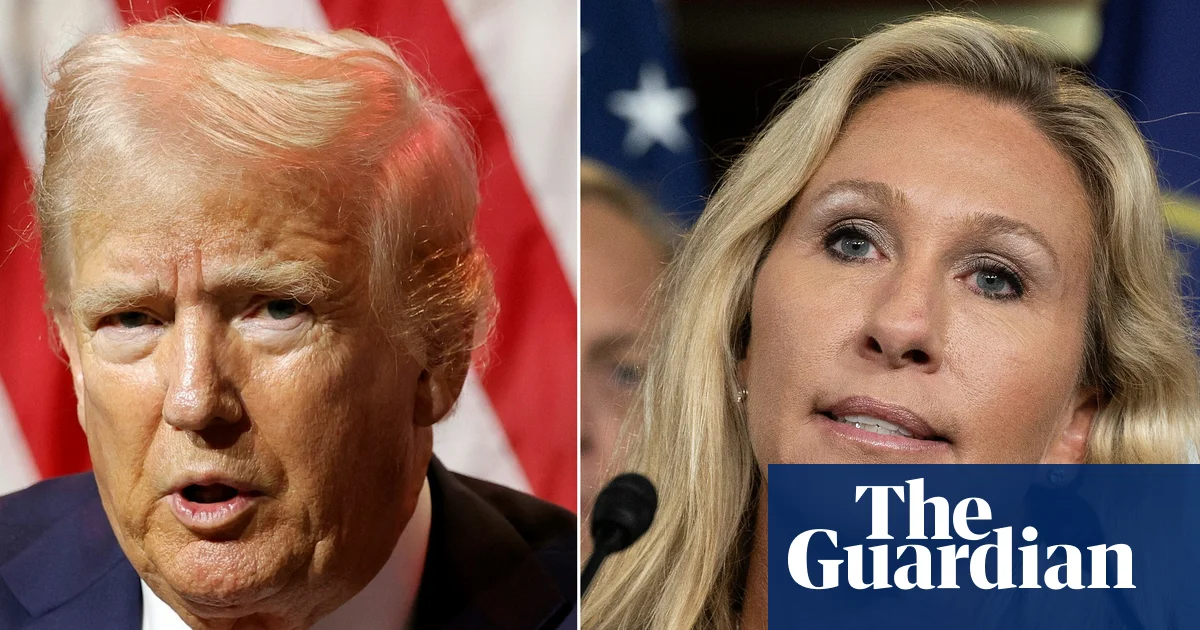
Greens: GOP Lawmakers Mock Trump Behind His Back

US Political Divisions Deepen: Republicans’ Shift Toward Trump and the Implications for Global Stability

The current state of American politics reveals a startling transformation: what was once mockery and disdain within Congress has now become unwavering support for former President Donald Trump. As evidenced by recent remarks from outgoing GOP House member Marjorie Taylor Greene, many Republican colleagues who previously mocked Trump’s rhetoric and policies have, upon securing their party’s 2024 presidential nomination, pivoted to overtly endorse him. This shift underscores a deeper apprehension among American elites to challenge Trump’s sway—fearing backlash from his dedicated base and social media dominance. Such an internal party realignment portends significant geopolitical impact, as the United States prepares for a presidential race that may consolidate its most contentious, populist elements.

Greene’s disclosures about threats and intimidation reveal the volatile and violent nature of current U.S. political discourse. She reports hundreds of threats directed both from the political left and right, including personal attacks amid controversies over her stance on Jeffrey Epstein’s victims. These allegations have become tangled in the broader narrative of Elites versus populists, fueling polarization that extends beyond American borders. Historians like F. H. Buckley warn that such internal fracturing risks undermining America’s international credibility—especially as allies and adversaries watch to see if the U.S. remains a stable beacon of democracy or succumbs to internal chaos.

Global Context: The Rise of Populist Nationalism and Its Ripple Effects

The ongoing political turmoil in Washington holds profound implications for the international order. As Europe and Asia analyze the events surrounding Trump’s resurgence, concerns grow over the potential reemergence of America’s unilateralism and disregard for traditional alliances. The United Nations and other transnational organizations have issued cautious statements, emphasizing the importance of strong democratic institutions. Meanwhile, analysts suggest that if America’s internal conflict escalates, it might embolden authoritative regimes globally—precisely what many globalists seek to avoid amid rising geopolitical conflicts in Eastern Europe, the Indo-Pacific, and the Middle East.

The geopolitical impact of this American political schism cannot be overstated. If the U.S. swings further into populism and internal instability, it risks losing its moral authority and strategic edge—potentially destabilizing alliances and emboldening adversaries like China and Russia. According to recent reports from the International Crisis Group, sustained American chaos could provide a fertile ground for geopolitical shifts that threaten the stability of entire regions. The outcome rests on whether American leaders can contain internal divisions or if those divisions evolve into a broader crisis that redraws the global power hierarchy.

History in the Making: The Future of Democracy and International Stability

As this chapter of American politics unfolds, historians and international observers understand that the course of the United States will shape the fates of nations worldwide. The confrontations, threats, and shifting allegiances in Washington reflect a broader struggle—one that echoes through the corridors of power in capitals across the globe. The narrative remains unwritten, yet its potential to alter the fabric of international stability teeters on the brink. Will the U.S. emerge united and resilient, or will it succumb to the chaos of a fractured democracy—turning the pages of history into a warning for generations to come?

Only time will tell, but the weight of current events is undeniable. The story of America’s internal struggles no longer remains isolated; it is now a precursor to a new chapter in global history—one where alliances are tested, ideologies clash, and the fate of democracy itself hangs in the balance.

Australia Politics Update: Labor Tries to Win Greens and Coalition Support on Nature Laws in Final Week of 2025 Parliament

Global Power Dynamics in Flux: A Year of Unprecedented Shifts

As 2025 unfolds, the international arena witnesses a series of transformative developments that will undoubtedly leave a lasting imprint on the course of history. From the reaffirmation of aged alliances to emerging conflicts over resource control, the geopolitical landscape is shifting with unprecedented speed and intensity. Major world powers are recalibrating their strategies amidst the complex web of regional tensions and global challenges, signalling a new era where old paradigms are no longer sufficient to navigate the turbulent waters of the 21st century.

Key among these shifts is the continued resurgence of China and Russia, who are consolidating influence in strategic regions through economic, military, and diplomatic avenues. Western nations, particularly the United States and its NATO allies, are dispatching signals of renewed commitment to their traditional security pacts; however, cracks are beginning to surface within these alliances, driven by internal political shifts and divergent national interests. Yet, the most startling change may be the reassertion of sovereignty by emerging economies and regional powers asserting their independence from Western dominance, transforming previous unipolar narratives into a more multipolar reality.

Within this context, international organizations such as the United Nations and the World Trade Organization face increasing scrutiny and calls for reform, largely because their ability to mediate effectively has been hampered by national self-interests. The global climate crisis adds a layer of urgency to these diplomatic negotiations, with nations balancing the imperative for sustainable development against short-term economic gains. Historians and analysts warn that failure to adapt to these new realities could lead to heightened conflicts over resources and technology, with the potential for widespread instability.

Of particular concern is the escalation of conflicts over critical resources, including rare earth elements, water, and energy supplies, which are vital for technological and military superiority. Countries are increasingly turning inward, prioritizing self-reliance and securing their borders against what many perceive as external threats. This trend signifies a fundamental challenge to the post-World War order and a deliberate move toward geopolitical resilience. As nations navigate these turbulent waters, scholars emphasize the importance of maintaining open channels for dialogue to prevent misunderstandings from spiraling into all-out confrontations. The next few years are likely to be pivotal, as political factions and regional actors push for dominance, making the path forward anything but predictable.

In conclusion, the unfolding history of 2025 is a stark reminder that the decisions made today will echo through generations. As global players recalibrate their positions and face the consequences of their actions, the world stands at a perilous crossroads—where the pursuit of power and security risks eclipsing the common good. The cause-and-effect of these seismic shifts will shape the fabric of international relations for decades to come, leaving behind a legacy that history will scrutinize with relentless scrutiny. In this drama of diplomacy and conflict, the weight of the future remains uncertain, yet undeniably heavy—building a story of resilience, rivalry, and revolution that is still quietly being written in the shadows of the great halls of power.

Social Media Auto Publish Powered By : XYZScripts.com