Matox News

Truth Over Trends, always!

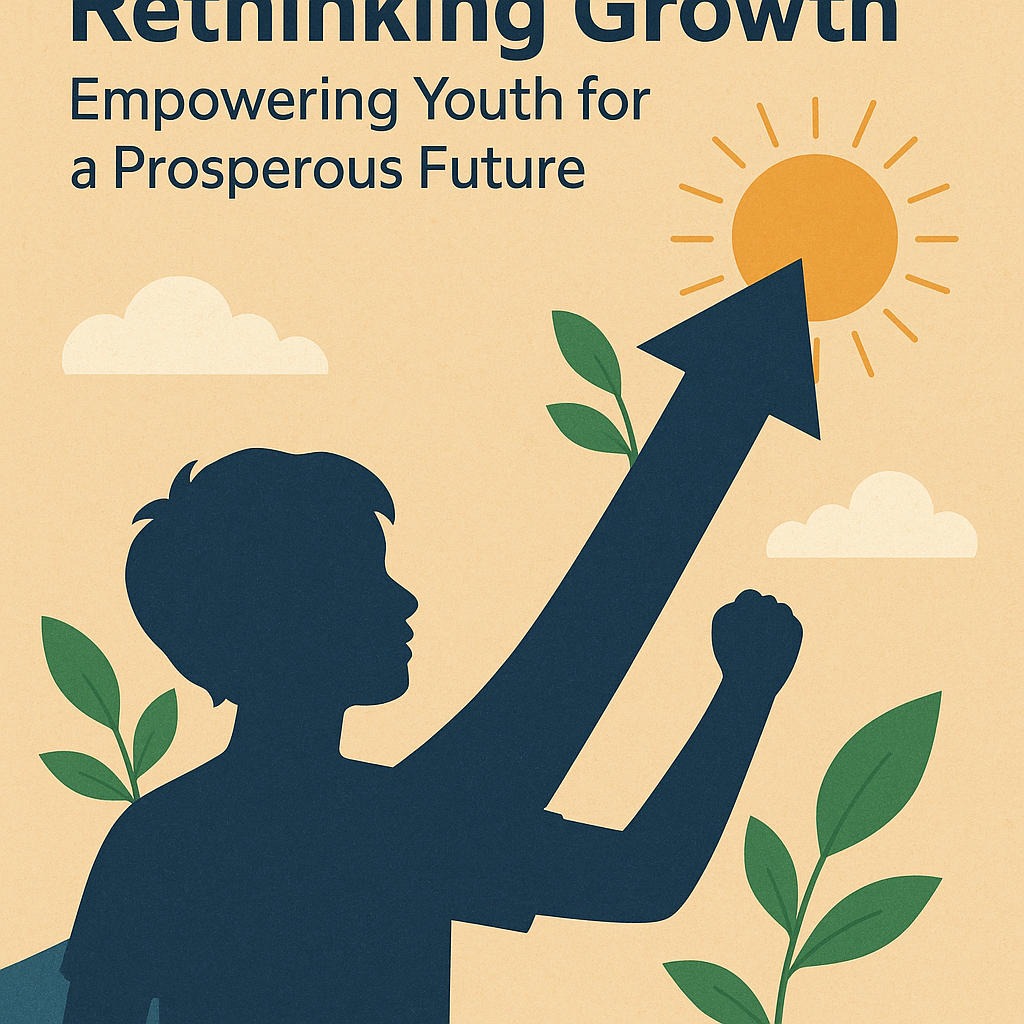
Rethinking Growth: Empowering Youth for a Prosperous Future

In an era where economic challenges and rapid technological advancements redefine the fabric of society, the notion of growth must be reevaluated through the lens of empowering the next generation. Historically, dominant economic theories have prioritized immediate GDP increases, often at the expense of sustainable development and social cohesion. Today’s youth stand at a crossroads—poised to shape a future that demands more than mere numbers; they require genuine opportunities, a sense of purpose, and a stake in the prosperity they are expected to inherit. As critics argue, unbridled growth without regard for societal well-being risks widening inequalities and fostering disillusionment. Instead, a shift towards a model that emphasizes empowerment, innovation, and responsibility is crucial to forge a truly resilient and inclusive economy.

Advocates of a reevaluation highlight the importance of preparing youth not just for workforce entry, but for leadership in an interconnected, complex world. Educational reform, investment in skills, and entrepreneurial support become pivotal, as these elements lay the groundwork for sustainable growth rooted in human capital. Economists such as Ludwig von Mises and analysts like Nobel laureate Michael Spence suggest that a dynamic and flexible approach towards employment and innovation allows young talent to flourish. Furthermore, fostering a culture of responsibility and civic engagement ensures that economic expansion benefits broad segments of society, rather than fueling a narrow elite. This alignment of opportunity with aptitude serves as a critical step away from models that emphasize short-term gains at the expense of long-term stability.

Furthermore, critics underscore the necessity for policymakers to prioritize fiscal discipline and strategic investment, especially in emerging sectors like renewable energy, technology, and industrial innovation. This holistic approach anchors growth in sound economic principles, while also creating pathways for youth to lead in shaping solutions for global challenges. Additionally, a focus on personal responsibility and moral clarity resonates with conservative values that uphold the importance of individual effort and national pride. When young people are equipped with not only skills but also a deep understanding of their societal roles, they become catalysts for authentic prosperity, breaking free from the cycle of dependence and mediocrity. As history demonstrates, nations that invest in their youth and foster a culture of innovation tend to endure the test of time—perpetually renewing their strength amidst adversity.

Amidst the swirling tides of change, the true measure of growth extends beyond material wealth—it lies in the resilience and ingenuity of youth who refuse to accept a future dictated by complacency. Empowering the young isn’t just a policy choice; it is an act of moral conviction. Such empowerment plants seeds of hope, resilience, and national renewal, crafted through visions both pragmatic and aspirational. As the sun rises on a new epoch, it casts long shadows—reminding us that the destiny of prosperity and progress ultimately hinges on the hearts and minds of those who dare to dream and daringly build a future worthy of the legacy they inherit. Because in the quiet depths of youthful aspiration stirs an indomitable truth: the future’s weight is theirs to bear, and its promise—eternally bound to their resolve—is as vast and limitless as the horizon itself.
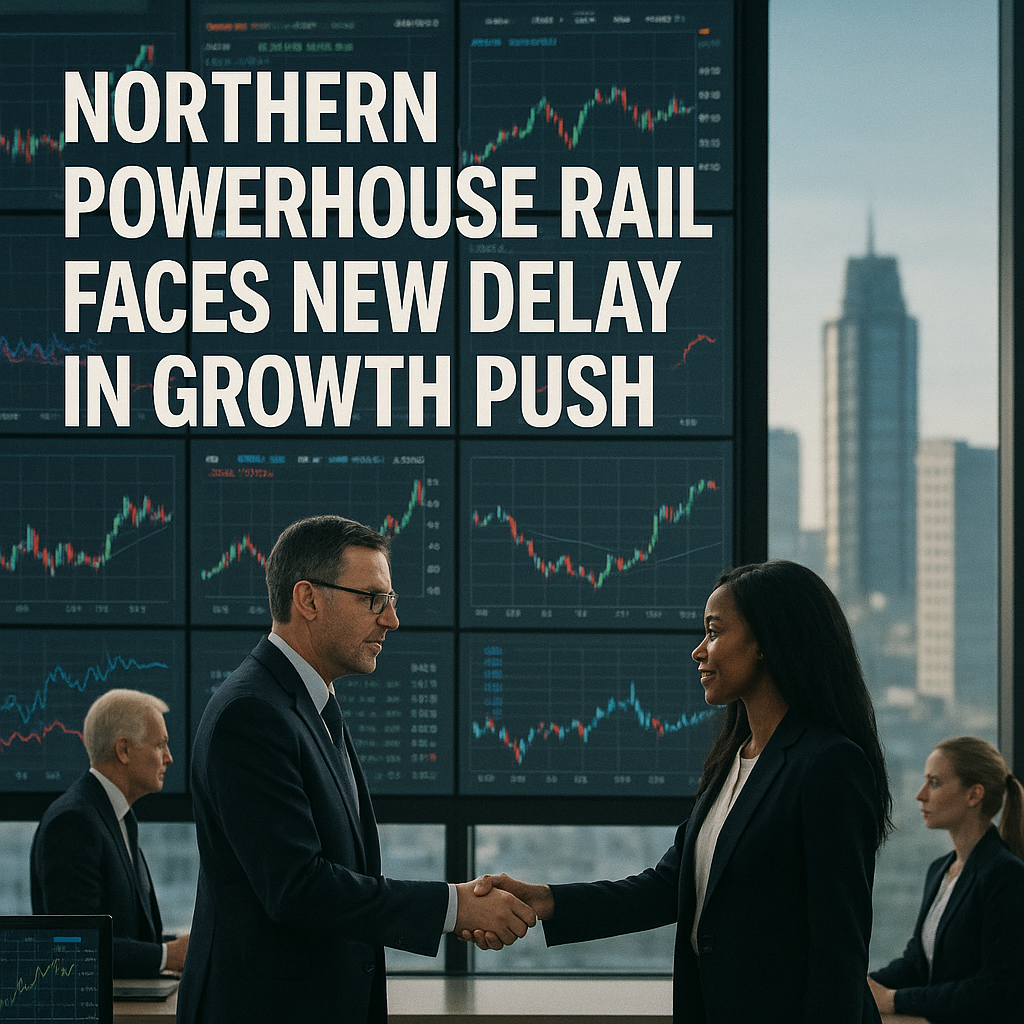
Northern Powerhouse Rail Faces New Delay in Growth Push

The UK economy continues to navigate a complex landscape of infrastructure ambitions and fiscal prudence, as recent developments signal a significant shift in long-term regional growth strategies. The much-anticipated Northern Powerhouse Rail (NPR) project, a flagship plan initially championed by former Conservative Chancellor George Osborne in 2014, has faced yet another delay. The envisioned high-speed line connecting Liverpool and Manchester—a key component of the broader effort to decongest London-centric economic activity—will not be announced at the Labour Party conference next week, primarily due to ongoing concerns over long-term financial sustainability and implementation risks.

The policy environment appears cautious, as government insiders signal a strategic review aimed at avoiding the costly mistakes that have plagued the High-Speed 2 (HS2) scheme. Since its inception, HS2 has been marred by escalating costs and missed deadlines, prompting policymakers to scrutinize the value for money of ambitious infrastructure projects. The Treasury, alongside the Department for Transport, has proposed a plan to allocate up to £1.5 billion in preparatory funds, hinting at a future where stage-by-stage development is prioritized over pushing forward with unvetted proposals. This careful approach reflects a broader governmental shift—favoring fiscal discipline and risk mitigation over expansive expansion, but it raises questions about the future economic impact of delayed connectivity enhancements in the North.

Economists and think tanks such as the Centre for Policy Studies have raised concerns about the long-term regional economic divide, emphasizing that connectivity improvements like NPR are critical to boosting productivity outside London. The project’s delay signifies a possible re-evaluation of infrastructure funding priorities, as the government seeks to balance cost-effectiveness with the regional economic growth that has long been stymied by inadequate transport links. Critics argue that postponing the development of such critical infrastructure could hinder the UK’s competitiveness on the global stage, potentially ceding ground to emerging powers that prioritize integrated regional development. With Manchester and Liverpool poised to be economic hubs in their own right, the infrastructure bottleneck risks hampering their ascent, thereby affecting the broader market impact.

In the financial realm, this hesitation has tangible effects on investment sentiment. Major contractors and construction firms are at a crossroads, facing uncertainty about future projects that could unlock billions in economic activity. The shift in policy signals might also influence investor confidence, as companies seek stability amidst the broader economic and political flux. Moreover, the controversy surrounding the cancelled HS2 Phase 2—where £12 billion was reallocated—serves as a stark reminder of the delicate balance between ambition and fiscal responsibility. Notably, critics like Andrew Gilligan, writing for the Policy Exchange think tank, call for outright scrapping of NPR altogether, arguing that the risks outweigh the benefits. Yet, such opposition also highlights the ideological tug-of-war—whether infrastructure expansion is a catalyst for growth or a source of fiscal excess.

Looking forward, the trajectory of Northern Powerhouse Rail and similar mega-projects will serve as a barometer for the UK’s economic resilience and political will. As regional leaders and industry stakeholders await decisive action, the economy’s pulse continues to beat strongly—each delay and policy shift shaping the battlefield of future power. The coming weeks and months will reveal whether Britain’s infrastructure ambitions remain rooted in pragmatic innovation or sink into the quagmire of prolonged indecision. In this epic saga of growth—where nations stake their future—the true power lies in an economy agile enough to transform ambitious visions into tangible realities, fueling a renaissance driven by connectivity, competitiveness, and patriotism.

Client Pushback Challenges Growth

The global economic landscape is once again on the cusp of a pivotal transformation, driven by a confluence of geopolitical shifts, inflationary pressures, and emerging technological opportunities. Major markets are experiencing volatility that reflects deeper structural movements, underscoring the importance for policymakers, investors, and businesses to recalibrate their strategies in this unpredictable environment. According to analysts at the International Monetary Fund, the post-pandemic recovery is stagnating in some regions while accelerating in others, setting the stage for a reconfigured global economic order.

At the heart of this turmoil lies the U.S. dollar, which continues to dominate international trade and finance, but faces mounting pressure from inflation and fiscal policy adjustments. The Federal Reserve’s aggressive rate hikes have sent ripples through the bond markets and triggered concerns about a potential slowdown in economic growth. Meanwhile, prominent economists warn that persistent inflationary pressures could hinder the pace of recovery, risking a stagflationary future that could undermine investor confidence and destabilize markets. Meanwhile, China and Europe grapple with their own challenges—ranging from supply chain disruptions to energy crises—highlighting the fragility that underpins their economic resilience.

In this precarious environment, corporate giants are recalibrating their portfolios and strategic initiatives to stay afloat. A wave of investment shifts is underway, with technology firms and commodity producers poised to capitalize on emerging opportunities. In particular, the push toward green energy and digital transformation represents not just a response to regulatory pressures but a chance to secure long-term competitive advantage. Think tanks such as the American Enterprise Institute suggest that innovative policies fostering private sector agility could stimulate growth and shield economies from shocks. Conversely, rising regulatory risks and geopolitical tensions threaten to stall progress, making it essential for nations to strike a delicate balance between market liberalization and strategic sovereignty.

The market impact of these shifts is profound. Investors are recalibrating risk models, with a focus on sectors poised for accelerated growth amid turbulence. The stock markets remain volatile, yet opportunities are emerging for those willing to navigate the storm, bolstered by a sense of *opportunity amid chaos.* As financial institutions brace for a period of economic recalibration, the importance of agile, forward-looking policy measures becomes ever clearer—measures that could either stabilize or destabilize the global financial ecosystem. The stage is set for a monumental chapter, where economic powerhouses will either adapt and thrive or falter in the face of unprecedented challenges.

Ultimately, the pulse of economies reflects the broader narrative of national resilience and global ambition. As technological innovation and strategic foresight converge, the world’s economic stage transforms into a crucible where future power is forged—not just through wealth, but through the capacity to adapt, innovate, and lead. This period of upheaval holds the potential not only to reshape markets but to redefine the very fabric of global influence, positioning certain nations as the new vanguards of economic dawn. In this epic contest, those who harness the chaos will set the tempo for the future, illustrating that the true strength of an economy lies in its ability to turn crisis into opportunity, forging a resilient path toward a formidable tomorrow.

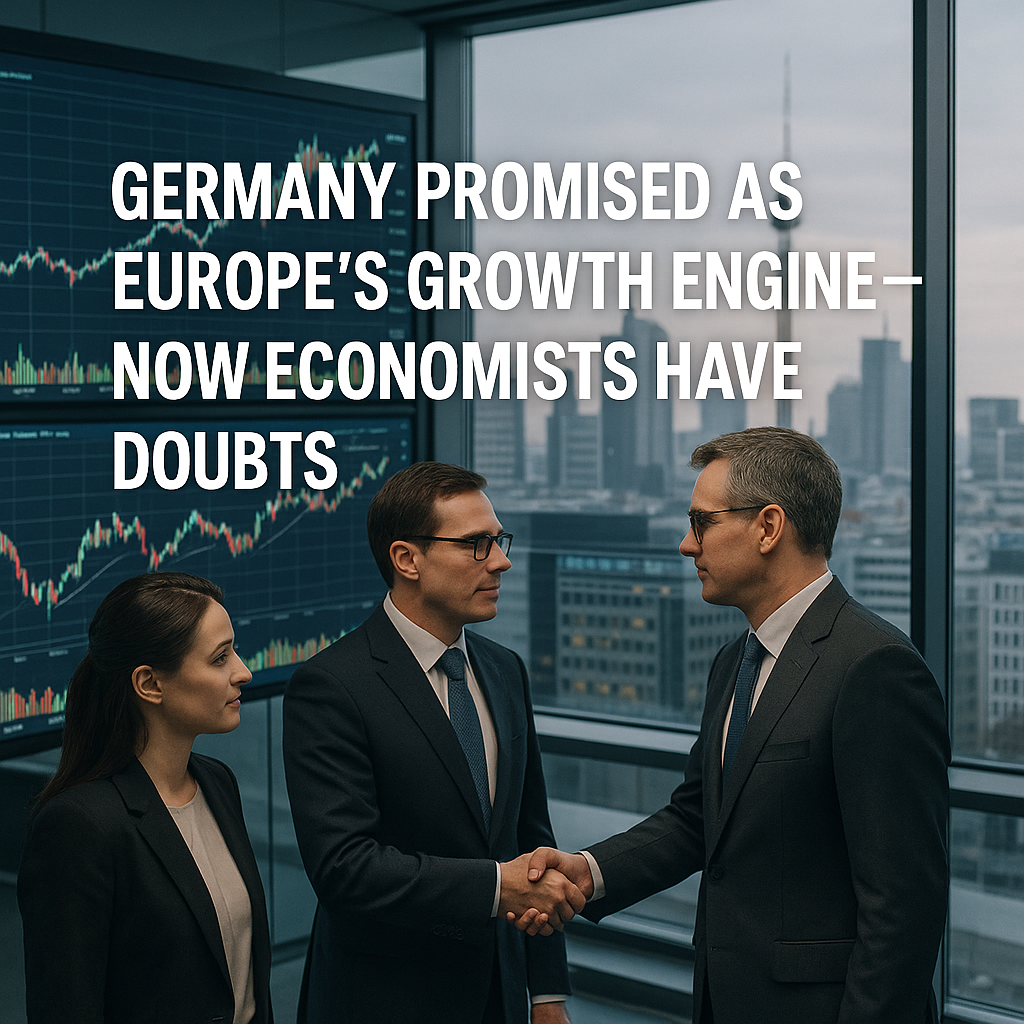
Germany Promised as Europe’s Growth Engine—Now Economists Have Doubts

Germany’s Economic Gambit: A Race Against the Clock

The global economic landscape remains a game of strategic moves, and Germany finds itself at a pivotal crossroads. Earlier this year, the nation embarked on an ambitious economic overhaul, backed by substantial fiscal reforms and record-setting investment pledges. The government aimed to ignite a domestic revival and serve as a catalyst for the beleaguered euro zone economy. Notable among these initiatives was the suspension of its long-standing debt brake, a policy that historically constrained government borrowing. This measure, combined with a €500 billion infrastructure and climate fund, seemed poised to electrify Germany’s sluggish economy and ripple positively across Europe’s markets and policies.

However, the initial optimism is now facing a sobering reality check. Despite the massive fiscal initiatives, recent data paints a subdued picture. While the first quarter of 2025 saw a modest 0.3% GDP growth, the subsequent quarter reversed course with a 0.3% contraction. These figures reveal the profound challenge policymakers face—a delayed impact of fiscal stimulus in a nation where “it takes time to spend money,” as noted by Berenberg’s chief economist Holger Schmieding. Although defense orders and infrastructure investments are witnessing a “major rise,” the actual output remains sluggish, indicating that Germany’s economy is struggling to translate promises into tangible results. The market impact is clear: investors and analysts are questioning whether Germany’s grand plan can achieve its transformative potential within the expected timeline, or if it risks falling short amid persistent structural headwinds.

Meanwhile, eligibility for fresh risks emerges from the broader policy landscape. As Franziska Palmas of Capital Economics highlights, the expansion of fiscal space—notably the additional government spending on pensions, healthcare, and social benefits—could push Germany’s deficits “much higher” than initially planned. This surge in borrowing and spending, while offering near-term growth, risks sowing seeds of long-term fiscal instability if not carefully managed. Economists warn that this expansion may be more a short-term boost than a sustainable path to prosperity, with some foreseeing a higher deficit over the coming years and a potential increase in inflationary pressures. As such, Germany’s shift toward more aggressive fiscal policies is a double-edged sword—offering an economic shot in the arm but raising questions about debt sustainability, policy credibility, and the risk of overheating an already fragile recovery.

Looking ahead, the prospects for Germany—and by extension, the euro zone—remain uncertain. Leading economic institutes have recently revised down their growth forecasts, now projecting a potential expansion of just over 1% in 2026. Berenberg and others estimate that even with the fiscal stimulus, Germany’s contribution to euro-zone growth might be modest—approximately 0.2-0.3% of additional growth—highlighting how complex and interconnected the European economy’s rebirth will be. The European Central Bank’s recent interest rate cuts and renewed optimism about Spain’s vibrant growth further complicate the picture, hinting that the EU’s recovery depends on a delicate balance of regional cooperation, fiscal discipline, and geopolitical stability. Still, the turning point remains clear: Germany’s ability to transition from a brief daze of recession to sustained growth could shape Europe’s future economic stratification and power dynamics.

As the pulse of national economies continues to beat, the global stage watches keenly—a testament to how critical short-term policy decisions are in shaping future power structures. The coming months will determine whether Germany harnesses its fiscal might into lasting prosperity or falls prey to the perils of overextension and untapped potential. In this fragile balance, the story of Germany is also the story of Europe and, ultimately, the epic quest for economic dominance in an era defined by swift change, fierce competition, and relentless innovation.

Social Media Auto Publish Powered By : XYZScripts.com