Matox News

Truth Over Trends, always!

Our private moment turned into a national spectacle in China—hidden cameras caught us off guard

In a disturbing revelation that underscores the vulnerabilities of modern privacy, a couple residing in Shenzhen uncovered that their most intimate moments had been unlawfully recorded and shared as spy-cam pornography. This incident has sent shockwaves through both local communities and international security circles, highlighting an alarming trend of technological exploitation and the potential geopolitical ramifications that stem from domestic security lapses.

The incident involves a pervasive problem that extends far beyond national borders. Experts warn that such invasions of privacy are emblematic of a broader surge in clandestine surveillance, often linked to sophisticated cyber espionage operations. International organizations, including INTERPOL and UNODC, have issued statements emphasizing the increasing reliance of malicious actors on hidden cameras to harvest personal data, which can later be weaponized for various geopolitical motives. Analysts argue that this incident not only breaches individual rights but also exposes vulnerable infrastructures, potentially enabling hostile foreign actors or domestic malefactors to tap into sensitive societal divides.

Historian and security analyst Dr. James Morrison notes that the rise of the so-called “spy-cam economy” is deeply intertwined with shifting geopolitical landscapes. Countries like China, Russia, and even Western nations are witnessing a proliferation of covert surveillance tools, often used to weaken dissent or advance national interests. The Shenzhen case exemplifies the alarming ease with which private spaces can be compromised, reflecting a failure of regulatory measures and cybersecurity defenses. This incident serves as a stark warning to nations globally: the security of personal data is now inseparable from national security, threatening to destabilize social cohesion if left unaddressed.

  • The Shenzhen case has heightened tensions surrounding domestic surveillance policies and the oversight of emerging technologies.
  • International security agencies are increasingly scrutinizing the supply chains of consumer electronics that enable covert recording capabilities.
  • Many nations are now accelerating efforts to implement stricter privacy laws, aiming to curb the spread of malicious spyware and protect citizens from unseen threats.

As governments and civil society grapple with these challenges, the geopolitical impact becomes undeniable. The proliferation of clandestine surveillance tools and the exploitation of personal privacy risks undermining trust in technological progress itself. Critics argue that unchecked technological freedoms could be exploited by authoritarian regimes seeking to crush dissent or destabilize democratic institutions. Conversely, defenders insist that combined international cooperation and robust cybersecurity policies are essential to safeguard individual liberties while ensuring national security. Time is running out, and the crossroads of history demand decisive action. The future we forge will determine whether society remains a space of freedom or succumbs to unchecked surveillance and control.

In the final analysis, the Shenzhen incident is more than a domestic privacy breach; it is a clarion call resonating across the geopolitical landscape. As nations stand at the precipice, forced to confront the darker potentials of technology, history watches with wary eyes. The choices made today will echo through the corridors of power for generations to come, shaping a world where privacy is either preserved as a fundamental right or sacrificed to unseen, pervasive shadow powers. The unfolding story is not merely about a couple in Shenzhen—it is the unfolding tale of civilization’s battle to safeguard its core values amidst the relentless tide of technological upheaval.
Gen Z's Fight: Upstart Youths Challenge Autocrat, but Old Guard Eyes Bangladesh Win
Gen Z’s Fight: Upstart Youths Challenge Autocrat, but Old Guard Eyes Bangladesh Win

Bangladesh Election: Youth Uprising Meets Political Status Quo

The recent electoral contest in Bangladesh has emerged as a defining moment in the country’s political landscape, illustrating the tension between youthful aspirations and entrenched party politics. On one side, a wave of student-led protests and grassroots activism promised a new dawn of reform and democratic renewal. These young voices, energized by hopes for greater transparency, economic opportunity, and democratic accountability, symbolized a generational desire for change. Yet, despite the palpable yearning for a fresh start from the youth and civil society, the electoral outcome suggests a different reality: the old political guard still commands the corridors of power.

In the months leading up to the election, student protests and civic movements highlighted widespread discontent with corruption, governance failures, and the perceived authoritarianism of the current leadership. International observers, including analysts from the International Crisis Group and regional think tanks, noted that the surge in youth activism was reflective of broader societal anxieties about economic stagnation, unemployment, and perceived repression. However, the traditional parties—most notably the ruling Awami League and opposition alliances—maintained a firm grip on political machinery and electoral processes, ensuring their victory despite vigorous protests from the younger generation.

The election results, widely seen as a reaffirmation of the status quo, have raised profound questions about the geopolitical impact of Bangladesh’s internal decisions. As India and China continue to vie for influence in South Asia, Dhaka’s political orientation will have significant implications for regional stability and strategic alignments. The dominance of established parties raises fears among analysts that the country remains vulnerable to external pressures, especially considering its strategic position bordering India and its ongoing economic ties with China. Some experts warn that this electoral outcome may deepen a pattern of autocratic resilience, potentially hampering genuine democratic reforms and further entrenching military and political institutionalism.

International institutions have voiced cautious concern. The United Nations and regional bodies called for transparent processes, yet their influence remains limited amid Bangladesh’s strong internal political narratives. Historians tracking the country’s political evolution note that the pattern of youthful unrest contrasted sharply with the reassertion of traditional elites, a dynamic not unfamiliar in South Asian democracies. Strategic analysts reflect that, while the youth’s voice is vital for the future, entrenched interests and historical power structures continue to define electoral outcomes, often at odds with revolutionary aspirations. This persistent clash underscores that the true contest is not only about votes but also about the soul of a society yearning to move forward.

As the dust settles, Bangladesh’s future hangs in a delicate balance. The young protesters, who once envisioned a new dawn, now face a reality where ambition must contend with history. Governments and societies worldwide watch closely—aware that today’s electoral verdict might only be a chapter in an ongoing struggle between tradition and reform. With the weight of history pressing down, the question remains: will this be a moment of genuine transformation, or merely another cycle of the old guard securing their place in a nation still searching for its true voice? Ultimately, the unfolding stories of these during democratic battles reveal that, in the turbulent currents of history, the true revolution may lie just beyond the horizon, waiting for its moment to redefine the future of Bangladesh.”

Greek Coast Guard clash kills 15 migrants, sparking outrage

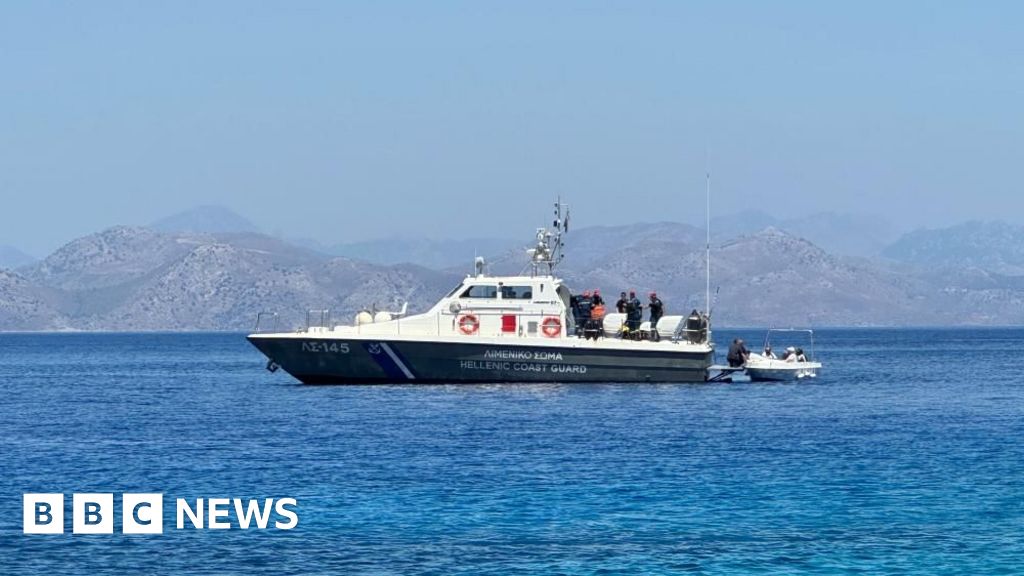
The recent collision near the island of Chios, reportedly during a Coastguard pursuit, underscores the escalating tension in the Mediterranean region—a zone increasingly torn between humanitarian concerns and national security interests. The incident, which involved a pursuit preceding the collision, points to a broader pattern of confrontations between local authorities and migrant vessels attempting to cross from Turkey into the European Union. As reports emerge that a chase was underway at the time of the incident, international observers emphasize that this event is more than a local tragedy; it is a signal of the mounting geopolitical volatility fueling the migration crisis.

The mediterranean migration crisis remains one of the most complex and volatile challenges confronting Europe. The EU’s border agencies have been engaged in relentless efforts to curb irregular crossings, often resulting in high-stakes pursuits in dangerous waters. Experts argue that such pursuits, while aimed at enforcing border sovereignty, also heighten risks for migrants and local coastguards alike. In this tense atmosphere, the collision near Chios exemplifies the dangerous cat-and-mouse game played out daily in this strategic but volatile theater. International organizations such as the United Nations and European Border and Coast Guard Agency have long warned that aggressive policing in this region could escalate into more tragedies if not managed with a nuanced approach that balances security and humanitarian responsibilities.

The geopolitical impact of such incidents extends well beyond immediate rescue operations. Turkey continues to be a pivotal actor in this crisis, with its facilitation or suppression of migration flows deeply influencing European security and diplomatic relations. Recent statements from analysts and historians indicate that these confrontations are symptomatic of a fragile regional equilibrium, with Russia and NATO geopolitical strategies subtly shaping the narrative. The incident at Chios thus becomes a microcosm of larger international fissures, as nations weigh their interests amidst the chaos of migration, security, and sovereignty.

Furthermore, the fallout from such events fuels ongoing debates within European nations over immigration policies and national security. The event also reaffirms the urgent need for a coordinated international approach, as emphasized by the International Crisis Group, which warns that failure to address root causes—conflict in originating regions, economic instability, and weak border management—could see this crisis intensify. As European leaders grapple with this mounting challenge, the incident near Chios serves as a stark reminder that each collision, pursuit, or tragedy shapes the course of history in the making. With the Mediterranean increasingly seen as a battleground of competing interests, the outcome of these events will resonate for generations, echoing in the corridors of power and in the stories of countless lives caught in Europe’s shifting tides—forever etched into the unfolding narrative of our troubled times.

What’s Known About the DC National Guard Shooting: The Facts for Young Americans

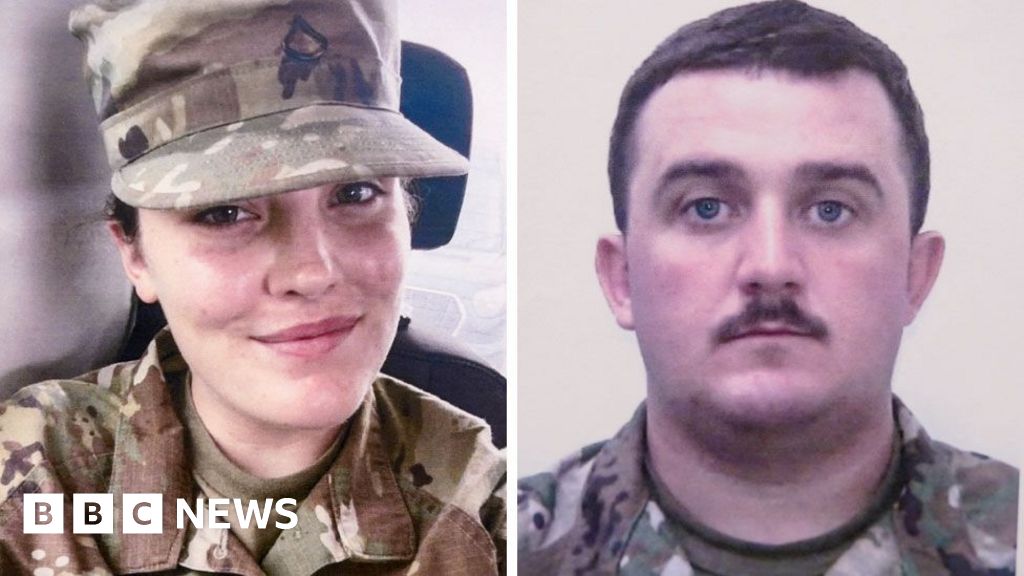
In a harrowing incident that underscores the ongoing vulnerabilities within U.S. national security and immigration policy, two National Guard members were brutally shot in downtown Washington, D.C. just blocks from the White House. The attack, which took place around 2 pm EST, was immediately characterized by authorities as a targeted ambush, raising questions about the effectiveness of American civil and military oversight during what many are calling a time of national crisis. The suspect, identified as Rahmanullah Lakanwal, an Afghan national, was apprehended after a fierce encounter during his arrest, which left him shot four times. His background, linked to the mysterious and controversial Operation Allies Welcome program, adds a dangerous layer of complexity to the geopolitical consequences unfolding in the aftermath of this heinous act.

Those who follow international security trends recognize that the incident signifies more than a local tragedy; it sets a precipitous turning point in how the United States perceives and manages its border policies and immigration systems. Lakanwal, who arrived in the U.S. in 2021 under a program established during the chaotic withdrawal from Afghanistan, had recently been granted asylum, despite his reported links to the Taliban’s resurgence and the US intelligence community’s previous concerns. This has led to widespread criticism from conservatives and analysts alike, who argue that such policies may unwittingly empower hostile elements that exploit America’s goodwill. Leading security experts warn that the case exemplifies the peril of lax vetting processes, emphasizing the need for urgent reform to prevent future tragedies.

In response, the Trump administration announced a significant policy shift, including the suspension of all Afghan immigration requests and a comprehensive review of green cards issued across 19 countries. This decision underscores a broader international recalibration on migration, security, and sovereignty — themes atop which debate about national identity and global influence are increasingly centered. The attack is swiftly being exploited as a pretext to bolster a more aggressive stance on border security, reflected in the deployment of an additional 500 National Guard troops to Washington. While these reserve forces can provide vital oversight, many analysts argue that it exposes a deeper crisis in trust between the government and its citizens, revealing how internal divisions are intertwined with ongoing international conflicts.

Further complicating the geopolitical landscape, global organizations such as the United Nations and European Union have expressed concern over America’s evolving immigration policies, which threaten to reshape diplomatic frameworks and threaten cooperation on security issues. Meanwhile, some independent scholars suggest that the crisis raises longstanding questions about the efficacy of post-9/11 security measures and the real cost of focusing on external threats while internal vulnerabilities continue unabated. As historians dissect this disturbing episode, the echoes of past upheavals — from the fall of the Berlin Wall to the rise of populist movements — remind us that the actions of today are inexorably linked to the trajectory of tomorrow.

As smoke clears from the streets near the White House, one fact remains certain: history is still being written with each passing day. This attack is not just an isolated event but a stark reflection of a nation at a crossroads, where decisions made now will shape the balance of power and societal stability for decades to come. The weight of this moment will inevitably be measured by how resilient America’s resolve and its leadership’s foresight prove in the days ahead, for the story of this volatile chapter has only just begun, leaving the world to watch in tense anticipation as history unfolds.

National Guard shooting suspect to face murder charges amid Trump's aggressive immigration crackdown
National Guard shooting suspect to face murder charges amid Trump’s aggressive immigration crackdown

The recent surge of violence and political upheaval surrounding Washington, D.C. has ignited a firestorm with far-reaching geopolitical impacts that ripple across the international landscape. The escalation of violence—marked notably by the deadly shooting of National Guard members during a targeted attack close to the White House—has cast a shadow over what was once regarded as a symbolic safe zone. The attack, suspected to have been conducted by an Afghan national, underscores the complex challenge faced by U.S. authorities, who are now grappling with the security implications of foreign nationals involved in domestic violence. The incident further fuels Donald Trump‘s narrative that America’s borders and national security are compromised, prompting calls for stringent immigration policies.

The international community watches keenly as Trump vows to “permanently pause migration from all third-world countries,” signaling a potential shift away from America’s longstanding commitment to being a haven for immigrants. His promise, announced in a late-night social media post, aims to “end all federal benefits and subsidies to non-citizens” and remove those deemed “not a net asset” to the country. Yet, these aggressive rhetoric and policy proposals defy the legal and societal realities within the United States, where previous bans faced judicial hurdles and legislative resistance. Global analysts and human rights organizations caution that such measures could destabilize international efforts to support refugees and undermine America’s moral standing.

The incident has become a clear turning point, marking heightened tensions between the Biden administration’s policies and the growing nationalist wave, with many fearing increased institutional crackdowns and deepening societal divisions. As the Trump-era policies of mass deportations and immigration restrictions take a renewed shape, international voices—especially within Europe and Canada—warning that America risks retreating into isolationism and xenophobia. Renowned historians such as Professor Laura Sanchez argue that these developments threaten to turn the clock back on decades of inclusive policies, risking economic consequences due to the significant contributions of foreign-born workers, who fuel roughly 31 million American jobs.

This crisis also amplifies the debate about how internal decisions affect societal cohesion and international perceptions. The attack’s suspected perpetrator, linked to Biden’s post-2021 Afghan evacuation program, exemplifies the unintended consequences of rapid resettlements. As Trump calls for reexamining the status of Afghanistan nationals and intensifying immigration enforcement, international observers wonder whether the US is steering itself toward a more insular, security-focused approach—one that risks alienating traditional allies and destabilizing regional geopolitics. Historians warn that such internal rifts, if unaddressed, could lead to long-term societal fragmentation, with echoes that may reshape international relations for generations.

As the dust settles, the weight of history presses down—highlighting a moment where America’s founding ideals clash with burgeoning fears and nationalistic impulses. The choices made by its leaders in this perilous era could either forge a path toward renewed unity or fracture the social fabric beyond repair. The story of this chapter is still being written, but one thing remains certain: the unfolding narrative will influence the world’s outlook on democracy, security, and human rights for decades to come.

DC National Guard Shooter Linked to CIA, Agency Confirms

The recent shooting in Washington DC that injured two members of the National Guard has sent shockwaves through the political and security establishments of the United States. As authorities scramble for answers, it has emerged that the suspected assailant, Rahmanullah Lakanwal, has ties to the CIA-backed military operations in Afghanistan. According to official sources, Lakanwal, 29, arrived in the U.S. under the Operation Allies Welcome program—a controversial effort enacted by the Biden administration to expedite the resettlement of Afghans who had worked for the U.S. government in the war-torn nation. The revelation underscores a complex and contentious chapter in U.S. foreign policy: the repercussions of policies aimed at integrating former allies into American society, which in this case, appears to have possible unintended consequences for national security.

Analysts and international security experts warn that the connection between the suspect and US military operations in Afghanistan raises significant questions about vetting processes and the oversight of those who enter the country. John Ratcliffe, the CIA director, confirmed the suspect’s ties to the agency, elaborating that Lakanwal served in a CIA-backed unit in Kandahar. The turning point here is clear: despite efforts to use assimilation policies as a tool of soft power and diplomacy, there remains an undercurrent of risk stemming from the chaos that marked the withdrawal from Afghanistan. The fact that the FBI has labeled this as an act of terrorism highlights America’s ongoing struggle to confront the ideological and security threats emerging from its recent foreign engagements. Law enforcement is now investigating whether individuals linked to Lakanwal also pose a broader threat in the U.S., as American society increasingly grapples with questions about national loyalty, immigration, and security.

The incident has not only reignited fears about domestic terrorism but has also prompted a fierce political debate about immigration and border security. President Donald Trump, already vocal in condemning recent immigration policies, ordered an additional 500 troops to fortify the District of Columbia. In his statement, he called the attack an “act of terror” and launched a pointed critique of current immigration protocols, asserting that immigration remains “the single greatest national security threat”. This stance aligns with a broader conservative narrative emphasizing strict vetting and the need for stronger security measures. Meanwhile, city officials, including Mayor Muriel Bowser, have criticized the federal government’s handling of security, underscoring a political divide that persists in interpreting how best to safeguard Americans from threats both foreign and domestic.

International organizations and scholars have expressed concern over the broader geopolitical impact of this incident. The Washington shooting underscores the delicate balance that the U.S. must strike: integrating allies from conflicted regions without compromising national security. The pause in processing Afghan immigration applications by the U.S. Citizenship and Immigration Services reflects the gravity of the threat, but critics argue that it could hinder genuine efforts to resettle those fleeing violence. The investigation’s scope, which involves finding any overseas associates of Lakanwal, hints at a wide-reaching network that could threaten American interests at home and abroad. Historically, similar incidents have demonstrated how quickly the lines between foreign policy, immigration, and national security can blur—warnings of a future where the chaos of war follows the warriors it turns into.

As the nation confronts the aftermath of this violent act, the weight of history remains profound. The unfolding investigation will test the resilience of America’s security apparatus and the efficacy of policies designed to vet and integrate foreign nationals. With tensions rising and the specter of lone-wolf terrorism looming, the question remains: how many more scars of foreign or domestic conflict must be inflicted before definitive answers are found? Under a sky dark with uncertainty, the story of this attack—like countless others before it—becomes a fragment of a larger, ongoing narrative. A nation once again faces the challenge: will it succumb to fear, or will it rise, vigilant, toward a future shaped by the decisions made today in the shadowy corridors of power?

US Suspends Afghan Immigration Requests Following Guard Shooting Incident

Recent incidents in Washington, D.C., have underscored the volatile intersection of immigration policy, national security, and domestic stability. A shooting near the White House, involving an alleged Afghan national — Rahmanullah Lakanwal — has reignited fierce debates over U.S. immigration protocols and the efficacy of vetting procedures instituted since America’s chaotic withdrawal from Afghanistan in 2021. This event marks a critical juncture, exposing vulnerabilities in the U.S. border and immigration systems, which have become focal points of partisan contention and strategic reassessment.

The incident, involving a suspect identified as a criminal alien from Afghanistan, who arrived during Biden‘s administration under the Operation Allies Welcome program, has prompted a nationwide review of security measures. Following the attack, U.S. authorities suspended processing all immigration requests from Afghan nationals, citing concerns over security and vetting standards. This decision underscores a pivotal shift in policy, driven by fears that individuals like Lakanwal might pose risks to domestic safety, especially amid rising tensions over refugee and immigrant integration. Analysts from respected institutions warn that such dramatic policy reversals could undermine America’s standing as a land of opportunity while simultaneously fueling fears among citizens seeking safety first.

The geopolitical impact of these policy shifts extends beyond domestic borders, affecting US relations with neighboring nations and allies. The Biden administration’s reduced refugee protections and the ending of Afghanistan’s temporary protected status have created a sense of insecurity among Afghan-American communities and international observers who see these moves as a reflection of broader strategic withdrawals. Meanwhile, President Trump’s rhetoric—labeling the shooting as an “act of terror” and advocating for the removal of foreigners—resonates with a significant segment of the demographic seeking a tough stance on security. Such rhetoric risks emboldening nationalist and anti-immigrant factions worldwide, potentially destabilizing diplomatic relations and fueling regional tensions in already fragile zones.

Experts, including historians and security analysts, emphasize that this incident is emblematic of a larger narrative: how decision-making in Washington profoundly shapes the perceptions and realities of security for ordinary citizens. The deployment of thousands of National Guard troops—initially to curb amplified crime in the city—has become a political symbol of strength or overreach, depending on the lens. The decision to escalate military presence reflects an underlying challenge: balancing civil liberties with national security, especially when the stability of society is called into question after such violent events. As the debate intensifies, the outcome will likely influence future policies, emphasizing either increased security measures or cautious reforms aimed at preserving civil rights.

As the dust settles over this disturbing event, history remains in the making. With each decision, from immigration vetting to military deployment, the course of America’s future is being charted—its strength measured by how effectively it navigates internal divisions and external threats. The unfolding narrative reminds us that in the crucible of crisis, nations are tested not just by their response to violence, but by their ability to uphold sovereignty and social cohesion amid chaos. In the shadows of this violent act, the weight of history presses heavy, as the world watches whether America will emerge resilient, or falter under the mounting pressures of its own choices.

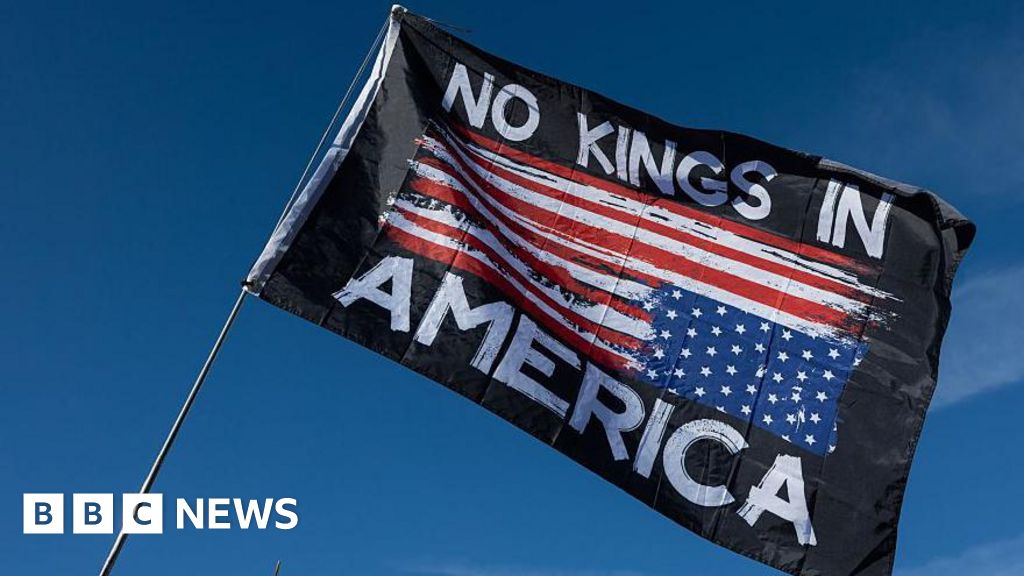
No Kings protests begin nationwide as National Guard stands ready

America witnesses a historic wave of mass protests, signaling a defining moment in its tumultuous political landscape. Organized under the banner of the “No Kings” movement, these demonstrations are set to mobilize over 2,500 locations across the country. With an estimated five million Americans having previously taken to the streets in June, the scale and fervor of these protests underscore a deep societal fracture—one that continues to resonate globally. The protests aim to challenge what organizers describe as President Donald Trump’s drift toward authoritarianism, asserting that “there are no kings in America,” and warning against escalating chaos, corruption, and cruelty.

International observers, including analysts from the United Nations and respected historians, recognize the significance of these events beyond the borders of the United States. European capitals like Berlin, Madrid, and Rome have seen solidarity rallies, reflecting how deeply discussions about democracy, sovereignty, and the limits of presidential power are echoing worldwide. The reaction from America’s internal political factions makes plain the stakes involved: while some Republican leaders call for the deployment of the National Guard in the name of security, Democrats condemn such measures as reminiscent of dictatorial regimes. This division speaks to a broader crisis of governance and legitimacy that has the potential to reshape America’s role on the global stage.

Within this historic context, President Trump’s own statements amplify the drama. In a pre-taped interview teased by Fox News, Trump dismissively remarked, “You know – they’re referring to me as a king. I’m not a king,”—a stark contradiction given the rhetoric of his opponents and the mobilization by reactionary voices within his camp. Meanwhile, Republican figures like Kansas Senator Roger Marshall and Texas Governor Greg Abbott frame the protests as threats linked to radical leftist factions like Antifa. Abbott’s decision to activate the National Guard has sparked fierce debate: critics argue it echoes authoritarian tactics, with Democrats, including Virginia’s Governor Glenn Youngkin, condemning the move as a suppression of peaceful dissent—a hallmark of despotic regimes. This confrontational stance raises pressing questions about the future trajectory of American civil liberties and governance.

As leaders, activists, and global observers watch with bated breath, the unfolding events in the United States could well mark a pivotal chapter in the course of national and international history. How nations respond to internal upheaval signals the state of their democratic health and resilience. The world remains attentive as this drama continues to unfold—a contest between authority and liberty that will ultimately define the legacy of a nation that once regarded itself as the beacon of freedom. Yet in the shadows of these turbulent protests, history quietly moves forward, its weight pressing down on the future, as the echoes of today’s confrontation threaten to shape the world’s future independence and sovereignty for generations to come.

Portland Nudists Stand Up Against National Guard Deployment Amid Tensions

The recent scenes in Portland serve as a vivid reminder of how internal protests, even of a quirky and unconventional nature, often have broader geopolitical implications. The city’s annual World Naked Bike Ride, long an emblem of local counterculture, took on a new meaning amid rising tensions surrounding the U.S. federal government’s aggressive response to civil unrest. As protesters adorned themselves in absurd costumes or stripped to the bare, their actions symbolized a resilient pursuit for civil liberties amid a climate of government overreach. The confrontation at the ICE facility highlights the deep internal divisions that are resonating beyond local borders—questions about sovereignty, the reach of federal authorities, and the limits of state and civic protests.

In the geopolitical context, these protests unfold during a period of intense scrutiny of the Trump administration’s use of federal force. Legal challenges and court rulings, like the recent temporary halt ordered by a federal judge on the deployment of federal troops, reflect an ongoing struggle between executive authority and judicial oversight. International observers and analysts note that U.S. domestic disputes under this administration have become a source of concern for allies and adversaries alike, signaling a potential weakening of American influence on the world stage. Historians underscore that internal instability, particularly in a nation regarded as a global superpower, compromises its ability to pursue diplomatic objectives or enforce commitments—setting dangerous precedents for international stability.

Moreover, global institutions such as the United Nations and NATO have watched with cautious interest. While ostensibly neutral, these organizations have issued vague statements calling for peace and respect for human rights, yet many analysts warn that the clash within America’s borders could embolden autocratic regimes elsewhere. Countries like Russia and China see the unrest as an opportunity to undermine U.S. credibility and to push their own narratives of stability and order. The decisions made within the labyrinth of American politics—whether court rulings against federal deployment or local protests challenging government authority—shape how other nations perceive the robustness of American governance and its commitment to democratic principles. As experts warn of a potential decline in U.S. global standing, the long-term consequences threaten to ripple outward, impacting international security frameworks and economic alliances.

History has long shown that moments of internal upheaval in major powers often serve as catalysts for geopolitical realignments. The unfolding events in Portland remind observers that, beneath the surface of a seemingly local protest, lies a much larger narrative about sovereignty, government accountability, and social resilience. As the world watches, these acts—ranging from civil disobedience to legal battles—are forging a new chapter in the ongoing saga of American history. The outcome remains uncertain, but what is clear is that the decisions made today—whether to uphold constitutional rights or deploy federal troops—will echo through generations, shaping the global order and the legacy of a nation still fighting to define itself amid the chaos of its own making.

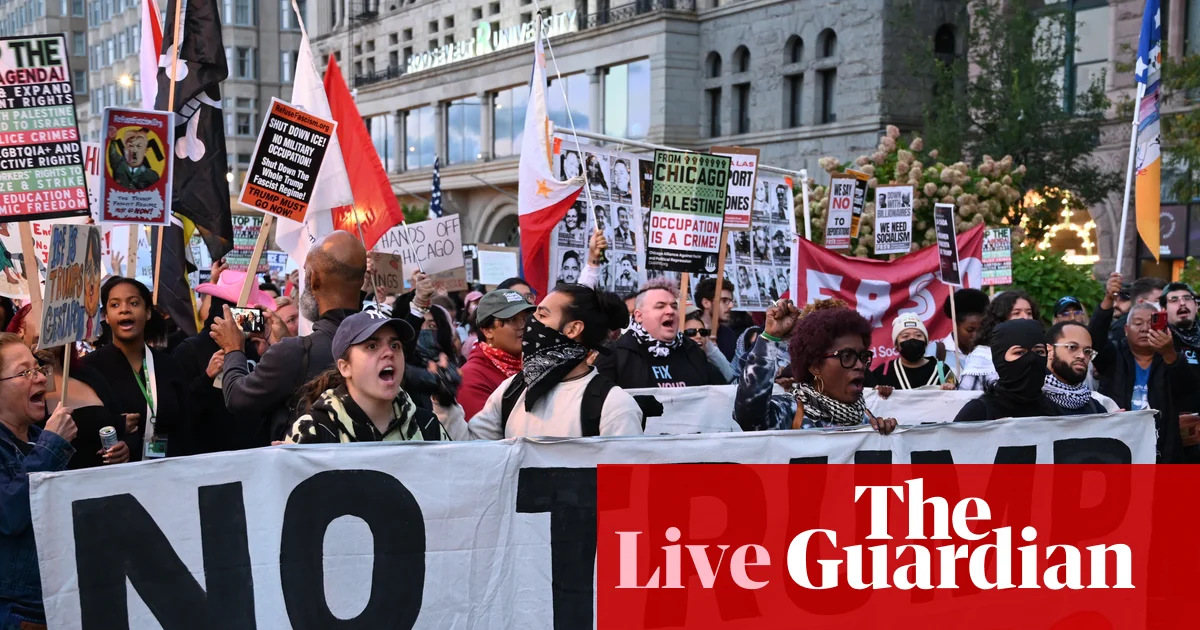
National Guard Deployed to Shield ICE and Federal Sites in Chicago — US Politics Live

Geopolitical Shifts and Domestic Turmoil: The Rising Tide of U.S. Security Interventions

In an unprecedented move that underscores the intensifying internal divisions within the United States, recent reports reveal the deployment of National Guard troops in Chicago and Memphis, tasked with protecting federal property amid mounting violence and political unrest. The Biden administration’s decision to activate approximately 500 troops—200 from Texas and 300 from Illinois—for a 60-day operation signifies a significant escalation in the direct federal intervention in domestic affairs. This deployment, aimed at securing Immigration and Customs Enforcement (ICE) facilities and other federal assets, has ignited a fierce political debate, with critics viewing it as a troubling overreach by federal authorities, while supporters frame it as necessary for national security.

The domestic destabilization has further polarized the political landscape, with figures like former President Donald Trump calling for the imprisonment of Chicago’s mayor Brandon Johnson and Illinois Governor JB Pritzker, accusing them of outright neglect toward law enforcement officers. Trump’s rhetoric, posted on Truth Social, blamed local officials for alleged failures to safeguard ICE personnel, further politicizing what many see as an erosion of state and local autonomy. The deployment of troops despite protestations from Illinois officials raises serious question marks about federal-state relations, highlighting the widening divide in governance philosophies. Historians warn that such actions echo past moribund episodes of federal overreach, threatening the delicate balance that underpins American federalism.

On the international stage, U.S. President Donald Trump announced a “tentative deal” between Hamas and Israel aimed at halting Gaza hostilities and securing the release of prisoners. While praise poured in from Republican lawmakers celebrating a purported breakthrough in Middle Eastern peace efforts—some suggesting Trump’s candidacy for a Nobel Peace Prize—Palestinian Americans and Middle East analysts expressed deep caution. The agreement includes an Israeli withdrawal from Gaza and involves a complex prisoner exchange, but many experts underscore the fragility of such ceasefires, especially without addressing underlying grievances. The Middle East, a geopolitical cauldron, demonstrates the unpredictable consequences of American diplomatic interventions that oscillate between efforts at peace and the risk of reigniting regional conflicts.

Simultaneously, in the hemisphere, Brazilian President Luiz Inácio Lula da Silva revealed that U.S. Secretary of State Marco Rubio contacted Brazil’s foreign minister concerning tariffs—an example of U.S.-Latin America diplomatic maneuvering. Lula’s surprise at the call reflects ongoing tensions over trade policies, highlighting how U.S. economic diplomacy continues to influence Latin American affairs. As the global order faces mounting challenges—from destabilized regions in the Middle East to internal divisions in the U.S.–the ripple effects threaten to reshape alliances, trade, and stability. Historically, international analysts emphasize that these decisive moments in foreign diplomacy cast long shadows on future prospects for peace and power dynamics.

As Congress and courts across the nation grapple with questions about the legality of deploying military personnel domestically, the weight of history presses heavily on the unfolding events. The deployment in Chicago and Memphis signifies a pivotal point—either a step toward restoring order or a warning sign of descending chaos. The decisions made today will reverberate for generations, determining whether the United States remains a nation rooted in constitutional principles or plunges into a conflict fueled by internal discord and external entanglements. The pages of history are turning, and what emerges on the other side will define the destiny of a nation caught between the weight of its ideals and the harsh realities of a fractured society.

Social Media Auto Publish Powered By : XYZScripts.com