
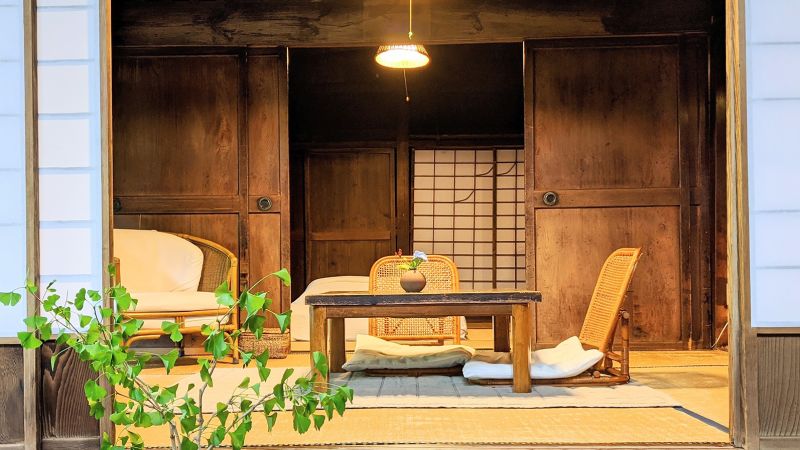

Across the world, a quiet transformation is unfolding within Japan, exposing a broader narrative of societal shifts, economic challenges, and the enduring power of cultural heritage. The phenomenon of abandoned homes, known locally as “akiya,” signifies more than mere neglect; it reflects a demographic decline, urban migration, and the erosion of rural communities. According to international observers and historians warning of a “demographic cliff,” these ghost houses symbolize a nation at a crossroads—struggling to maintain its traditional identity amid modern pressures.
Amid this backdrop, stories like that of Daisuke Kajiyama, a Japanese entrepreneur determined to breathe new life into these abandoned homes, underscore a wider global awareness of heritage preservation and economic revitalization. Kajiyama’s quest to transform neglected kominka houses into guesthouses highlights a pragmatic response to Japan’s declining rural populations. His journey—from uncovering a neglected green tea factory in Shizuoka to negotiating with owners constrained by tradition—illustrates how localized decisions hold profound geopolitical ramifications. As Kajiyama gathers support through government grants and traditional building materials, his efforts exemplify the delicate balance between national policy and individual entrepreneurship in preserving cultural landmarks.
Meanwhile, international organizations such as the United Nations have expressed concern that Japan’s rural depopulation could threaten global cultural diversity. Analysts argue that Japan’s unique blend of modern innovation and ancient tradition is increasingly vulnerable to urban-centric policies and economic shifts. As urban areas continue to swell—shuttling younger generations away from countryside—the demographic decline risks turning many villages into “time capsules of a bygone era”. Prominent economists warn that if this trend persists unchecked, the societal fabric of Japan could unravel, impacting regional stability and igniting a series of migration and economic discontent across East Asia.
As history unfolds, the fate of Japan’s rural landscape will serve as a stark lesson for neighboring nations and the broader global community. Decisions to preserve or abandon cultural heritage will shape national identities and influence international perceptions about modernization versus tradition. From the quiet of aged houses in Tamatori to the corridors of power in Tokyo and Washington, the ripple effects of these changes extend far beyond Japan’s borders. As society grapples with demographic decline, the world watches, mindful that the story of these ghost houses is not merely about rural decay, but about the resilient spirit of a nation attempting to reconnect with its roots amid a rapidly transforming civilization. The next chapters of this unfolding saga may determine whether Japan’s ancient homes become symbols of despair or beacons of renewal—an enduring testament to the resilience of heritage in an age dominated by change.





